Story audio is generated using AI
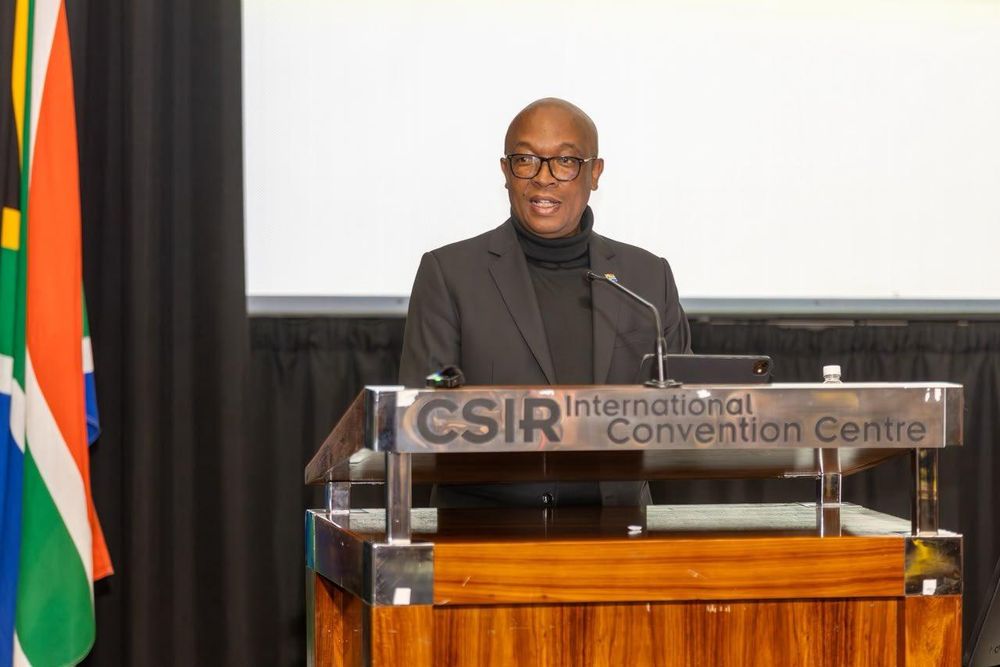
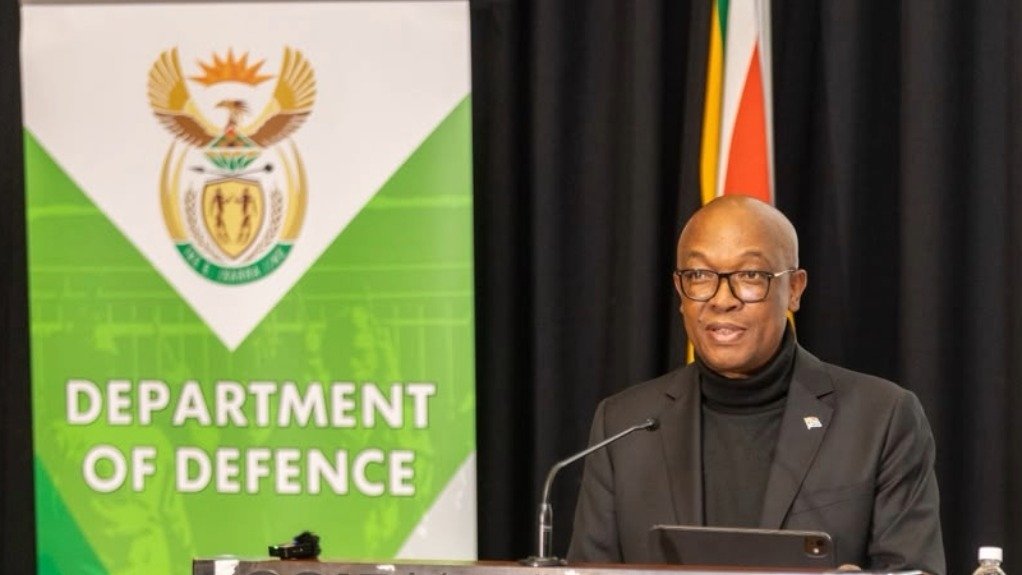
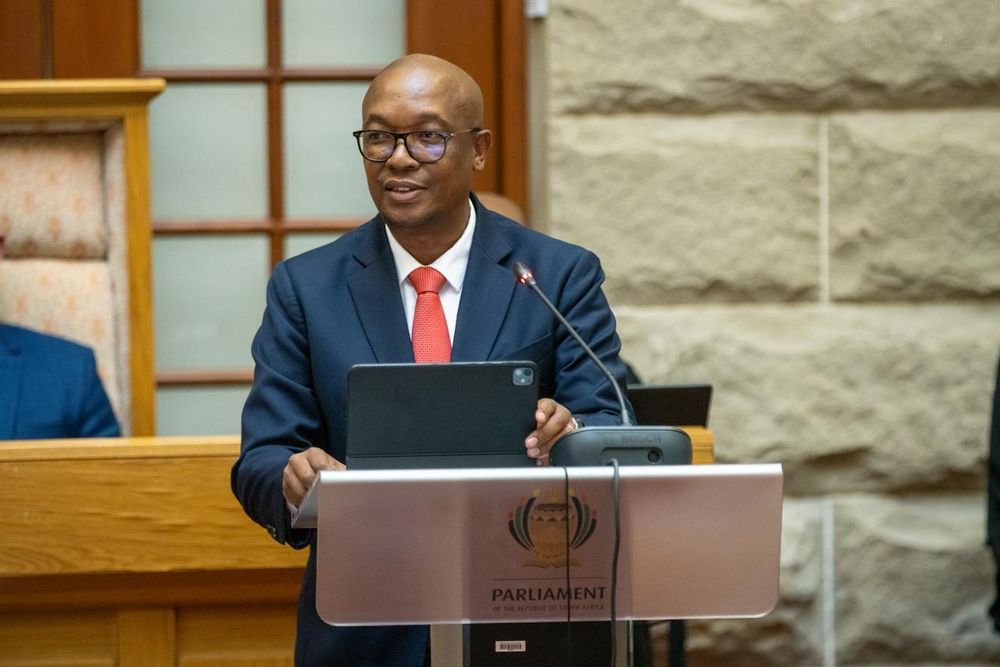
Trade minister Parks Tau says South Africa must confront the long decline of its defence industry after three decades of shrinking procurement, collapsing research funding, the loss of tens of thousands of jobs and an exodus of skills that will not be easy to replace.Tau told a defence industry conference in Pretoria on Monday that the government must be honest about the downward trajectory of the past three decades, in which defence force acquisition from the domestic industry fell to R850m in 2017 from R26.2bn in 1989/90.Over the same period, research & development funding slumped to about R500m from R6.1bn, while employment across the value chain plunged from about 130,000 people across 3,000 companies in 1990 to about 13,000 people across 600 firms now.“Behind these numbers is a loss of depth as well as breadth,” Tau said, adding that the attendance of nearly 300 delegates from across government, industry, labour and academia “tells me government understands the scale of the challenges faced by this sector and is finally prepared to match it”.“Skills have left the sector, particularly as instability at state-owned entities such as Denel has pushed experienced engineers and technicians elsewhere. Once that expertise leaves, it does not return quickly. This is the central risk we must arrest,” he added.Tau spoke a week after news that troubled state arms manufacturer Denel, which has been making losses for about a decade, requiring nearly R9bn in bailouts, is laying the groundwork for private sector players to invest in its equally beleaguered Pretoria Metal Pressings plant, which manufactures ammunition for the SANDF and the SAPS.“The global environment has changed in ways that make this sector more strategically important, not less. Geopolitical competition, export controls and supply chain disruption are pushing countries everywhere to rebuild domestic industrial and defence capability,” he said.“Global defence spending is rising sharply. Africa’s defence acquisition market alone is forecast at about $136bn. Countries that retain sovereign design, manufacturing and maintenance capability will capture that demand. Countries that do not will simply buy from others.“South Africa should not be a bystander to this cycle. We have the base to compete. What we lack is co-ordination,” he added.Tau said the trade, industry & competition department (DTIC) already oversees several initiatives catering to the industry’s needs, but efforts are hampered by “the boundaries between departments”.Global defence spending is rising sharply. Africa’s defence acquisition market alone is forecast at about $136bn. Countries that retain sovereign design, manufacturing and maintenance capability will capture that demand.“None of these are problems that the DTIC, or defence or any single department can resolve alone. This is precisely why the lekgotla’s call for a ‘South Africa Inc’ implementation model is the right frame,” he said.“We are seeing this co-ordination model take shape elsewhere in the defence and security domain, and we should learn from it. “The engineers, technicians and companies gathered in this room have kept a serious capability alive through three difficult decades. The government’s task now is to match that resilience with co-ordination so that the demand exists in the market, the capability exists on our factory floors, and the machinery of the state stands behind both of them together,” Tau added.Tau is not the first senior official to speak publicly and frankly about the deterioration of South Africa’s defence industry.Last year the ANC and the defence ministry slammed navy chief vice-admiral Monde Lobese after he issued a public warning about South Africa’s deteriorating maritime security capabilities.Lobese said the navy’s prolonged absences at sea caused by ageing vessels, shrinking budgets and unserviceable equipment had left the country vulnerable to drug cartels, human traffickers, illegal miners and maritime criminals.The ANC and the department of defence accused the admiral of overstepping his role and undermining the government.On Monday Tau said exports, which account for more than 80% of total industry revenue, must be at the core of strategies for the sector’s survival.“Our products reach over 115 countries, including more than 40 African markets. This is not a domestic industry that happens to export. It is an export industry that happens to be domestic. Any strategy for this sector must start from that fact,” he told the conference.In its 2025 annual report, state-owned arms procurement agency Armscor said the loss of capacity and capability of its spinoff Denel had dented its international image as a reliable supplier of defence systems.Armscor also noted that austerity measures implemented by the government, which have resulted in a real decrease in South Africa’s defence budget, have had an adverse effect on the domestic defence industry, with several companies forced to downscale capacity and, in some instances, close shop.The country spends about 0.7% of its GDP on defence, which amounts to about R57bn-R60bn annually — significantly short of the 1.5% GDP benchmark recommended by a 2015 defence review.Business Day