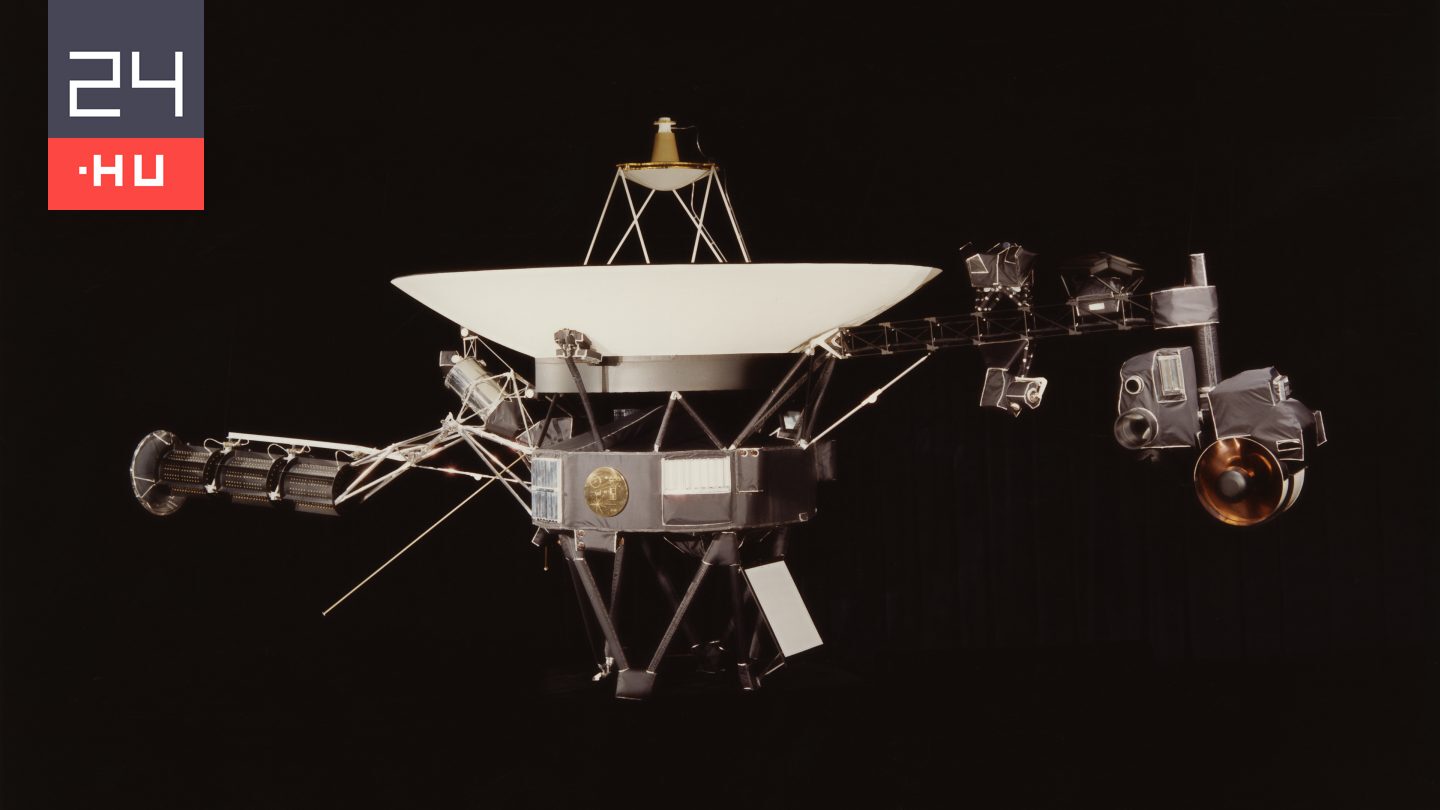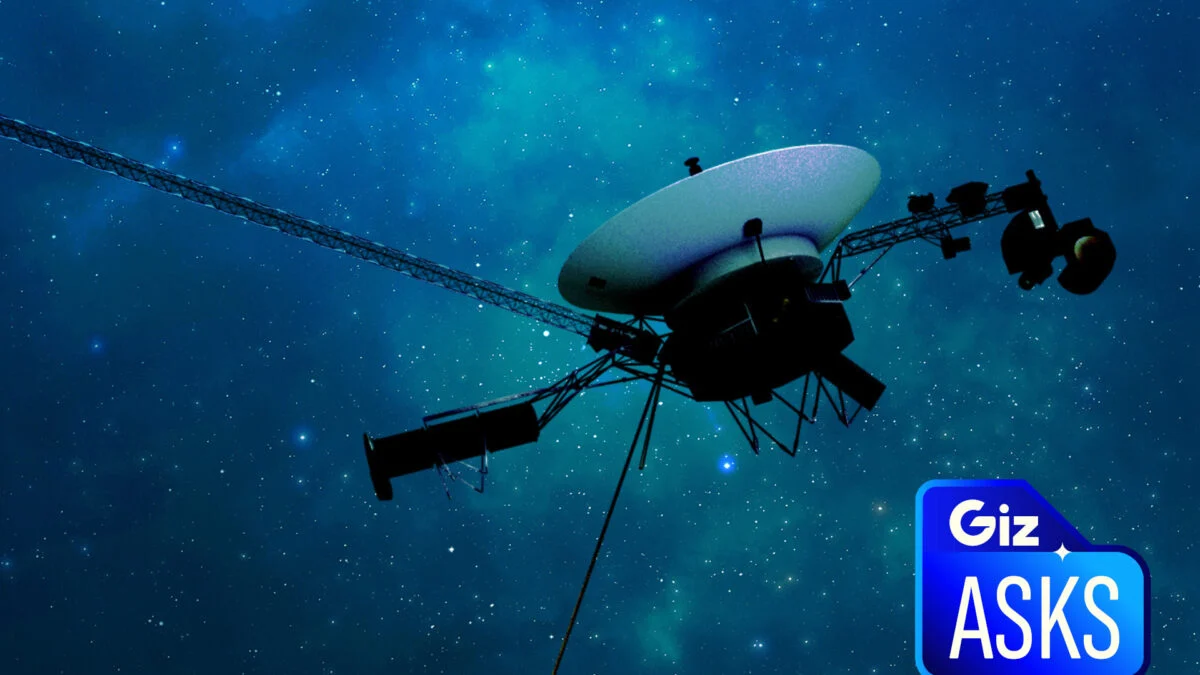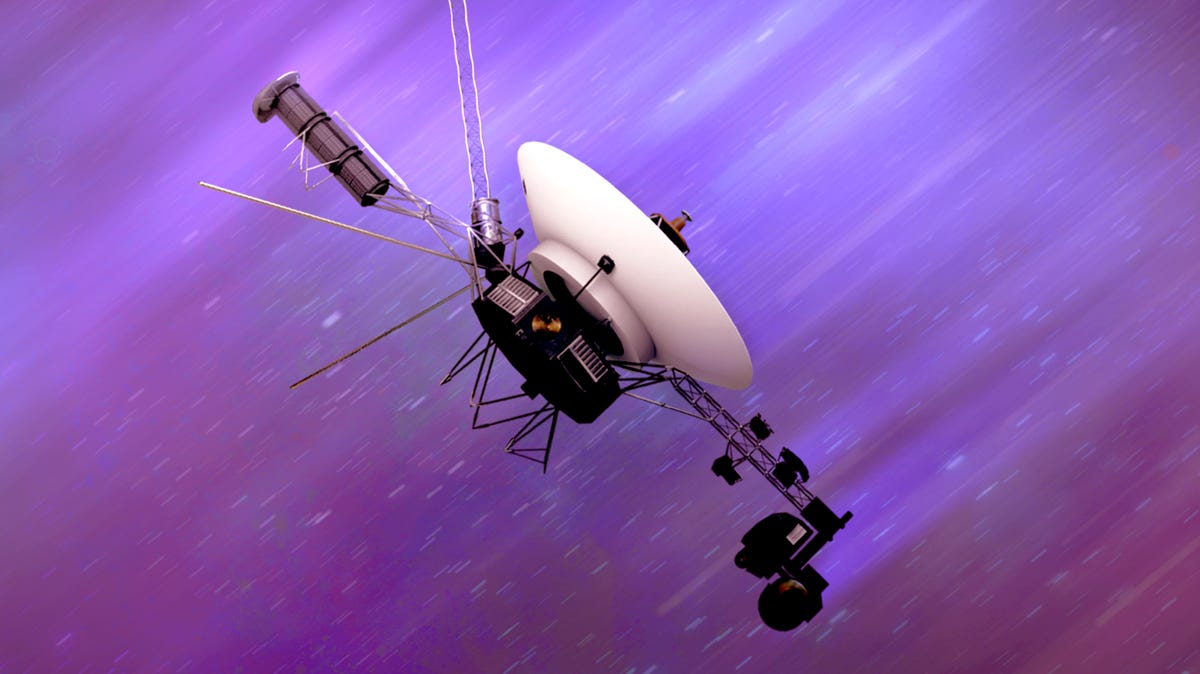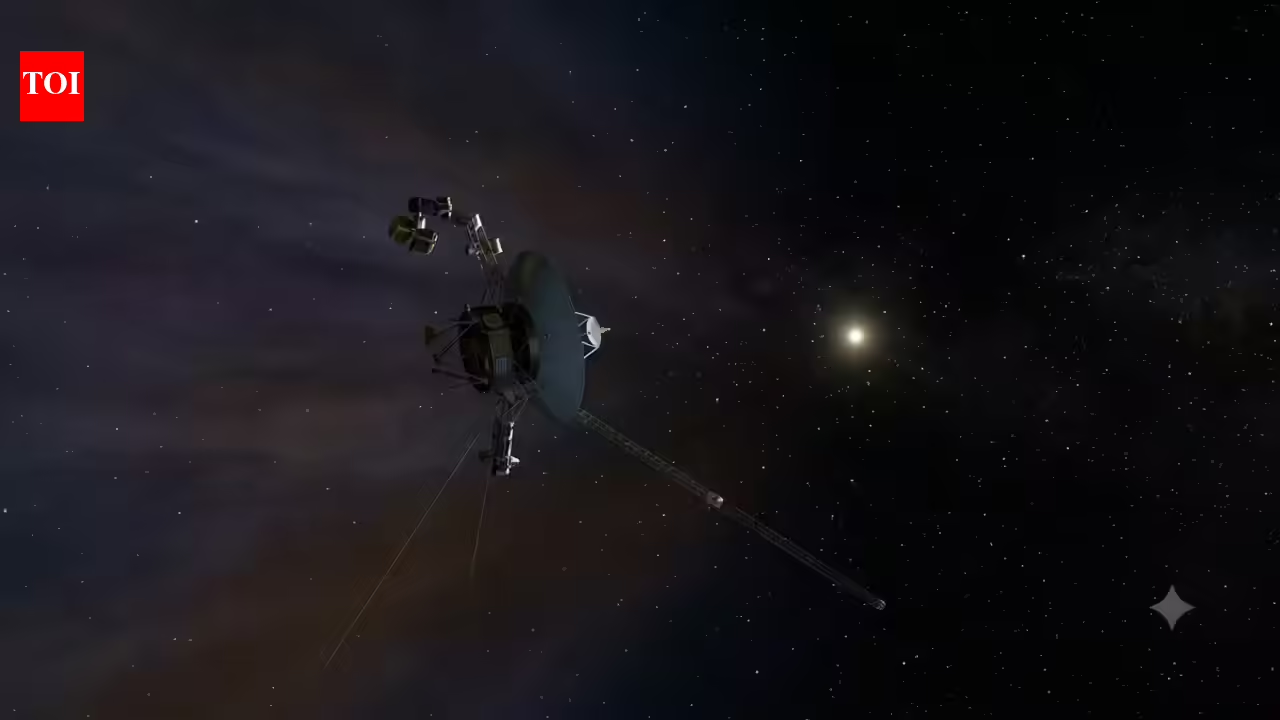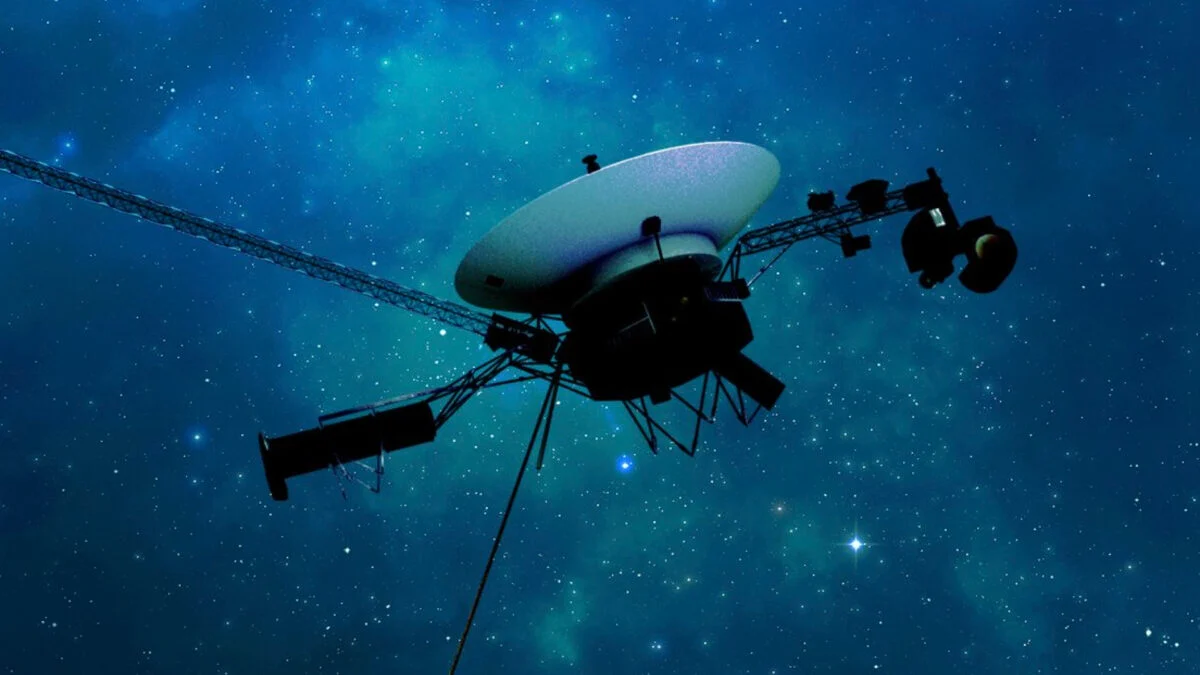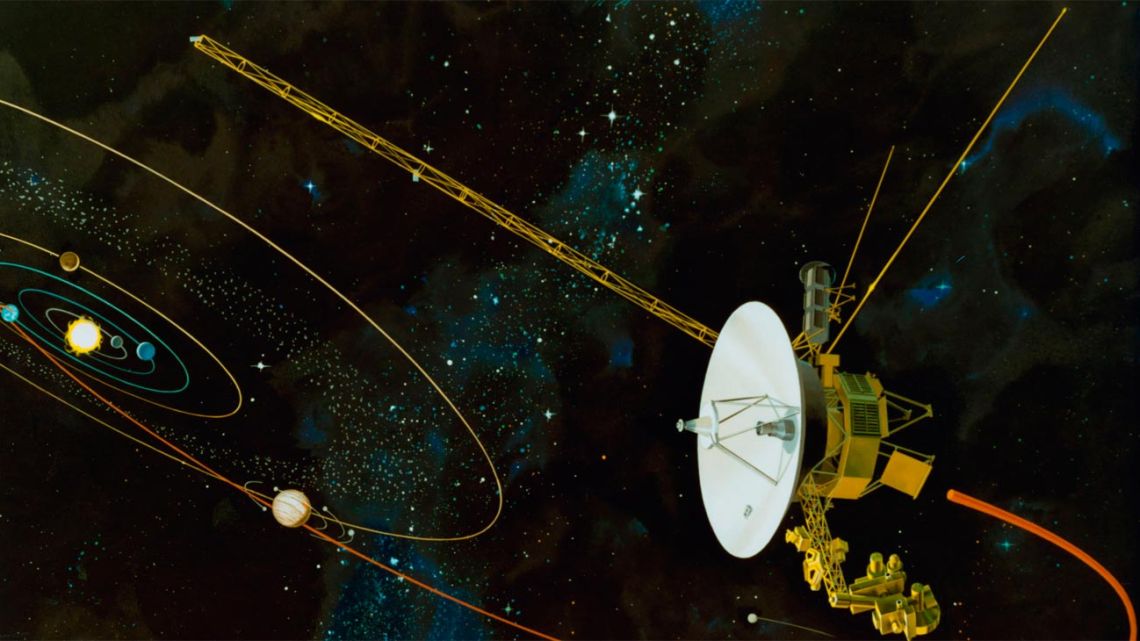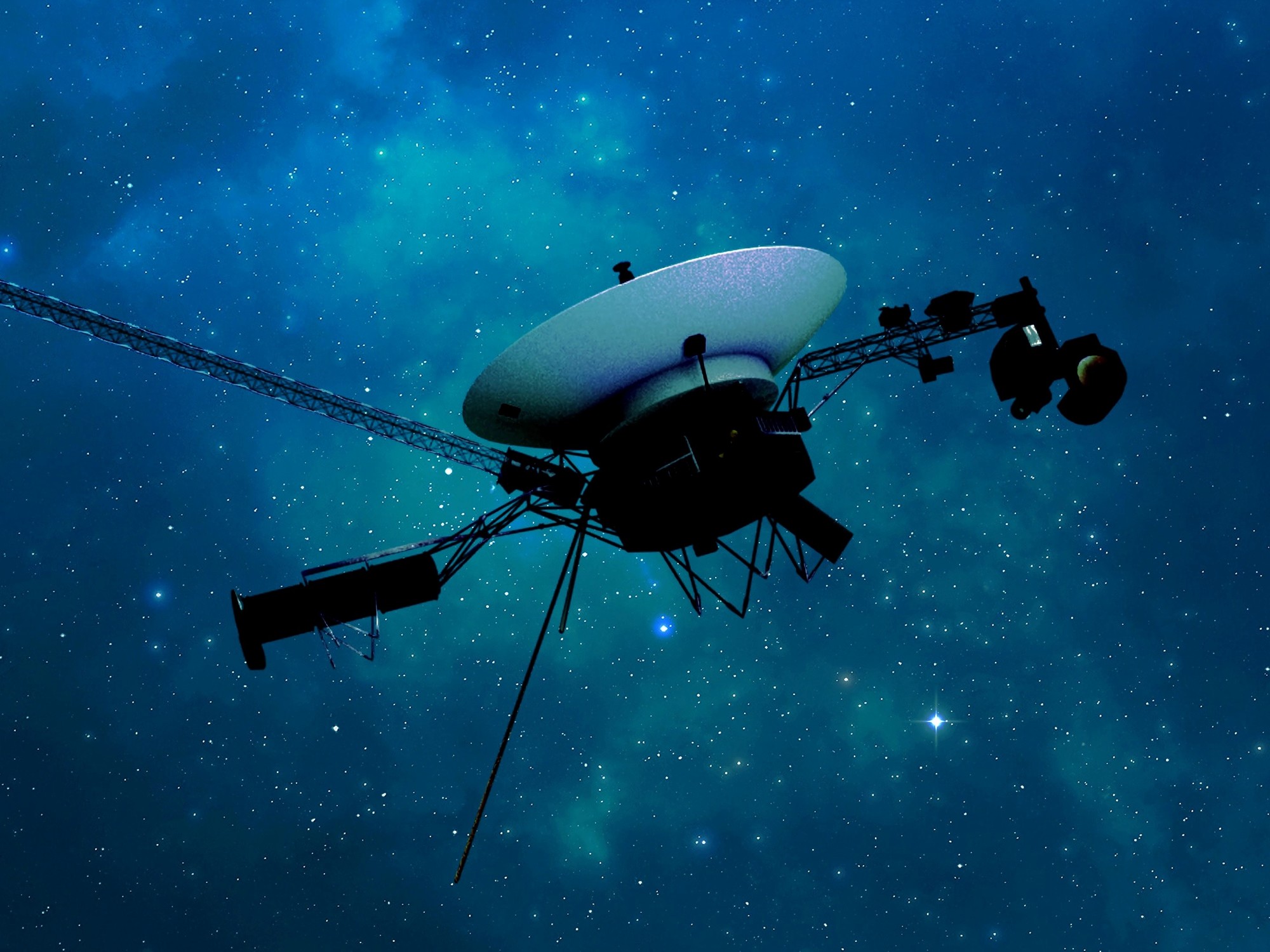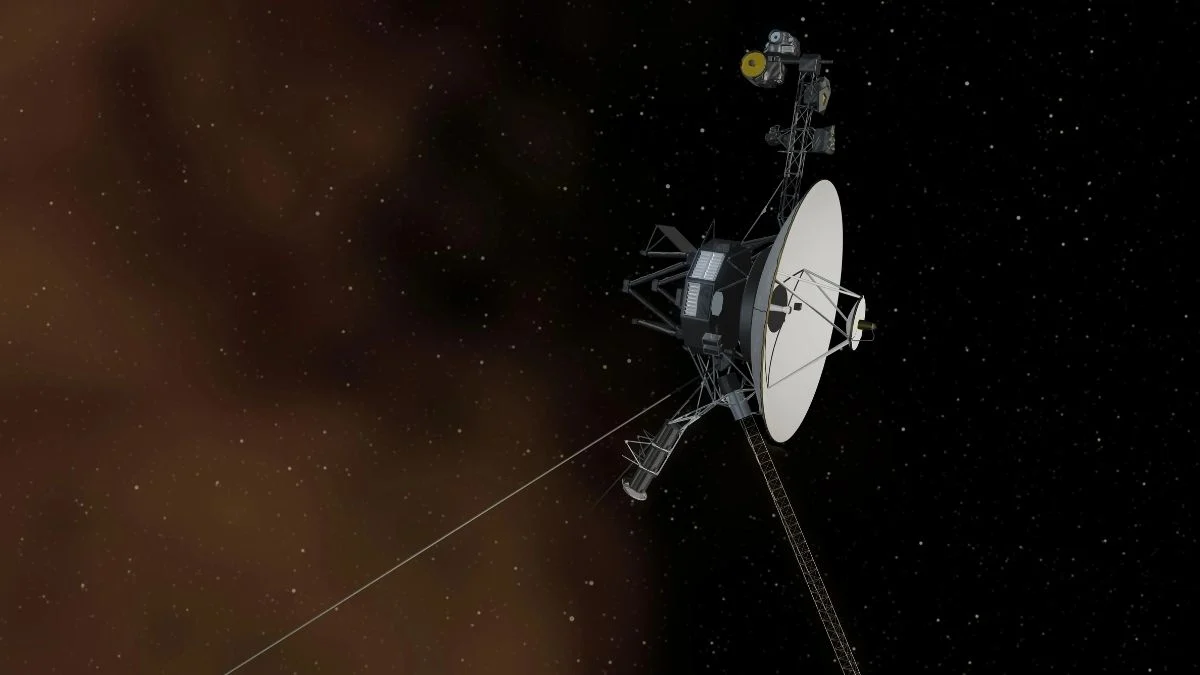
Voyager 1 has been on an incredible journey that's defied all expectations. And it's about to achieve yet another milestone. The small car-sized spacecraft was the first human-made object to enter interstellar space, and for almost 50 years it's been hurtling away from Earth at 61,100 kilometers (38,000 miles) per hour.Crazily, in all that time, the spacecraft still hasn't quite made it 1 light-day away from Earth.But NASA scientists have calculated the precise moment that will happen, and we're only a few months away.On 18 November 2026 at 2:16 AM PST, Voyager 1 will reach a distance of 25.9 billion kilometers from its home planet.Artist's Concept of Voyager. (Stocktrek Images/Getty Images)That's the same distance that light travels in a single day… and for Voyager 1, it will have taken the spacecraft more than 49 years."Voyager 1 will be the first human-made object to reach this distance from Earth, adding to a long list of historic firsts for the mission," a NASA statement explains. "Voyager 1 and its twin, Voyager 2, are the only spacecraft to ever operate outside the heliosphere, or the protective bubble of particles and magnetic fields generated by the Sun."So why does the 1 light-day achievement matter?
Voyager 1 Has Been Traveling 38,000 MPH Through Space Since 1977 And Still Hasn't Traveled 1 Light-Day
Voyager 1 has been on an incredible journey that's defied all expectations.
736 words~3 min read