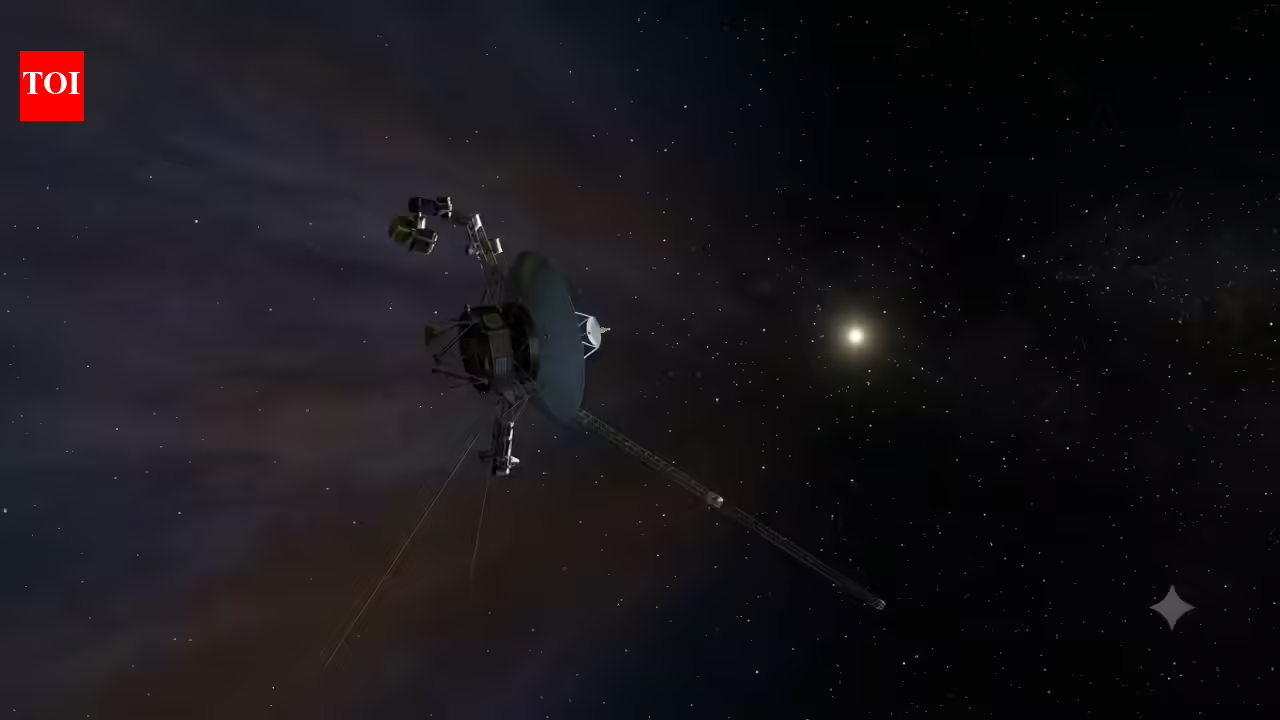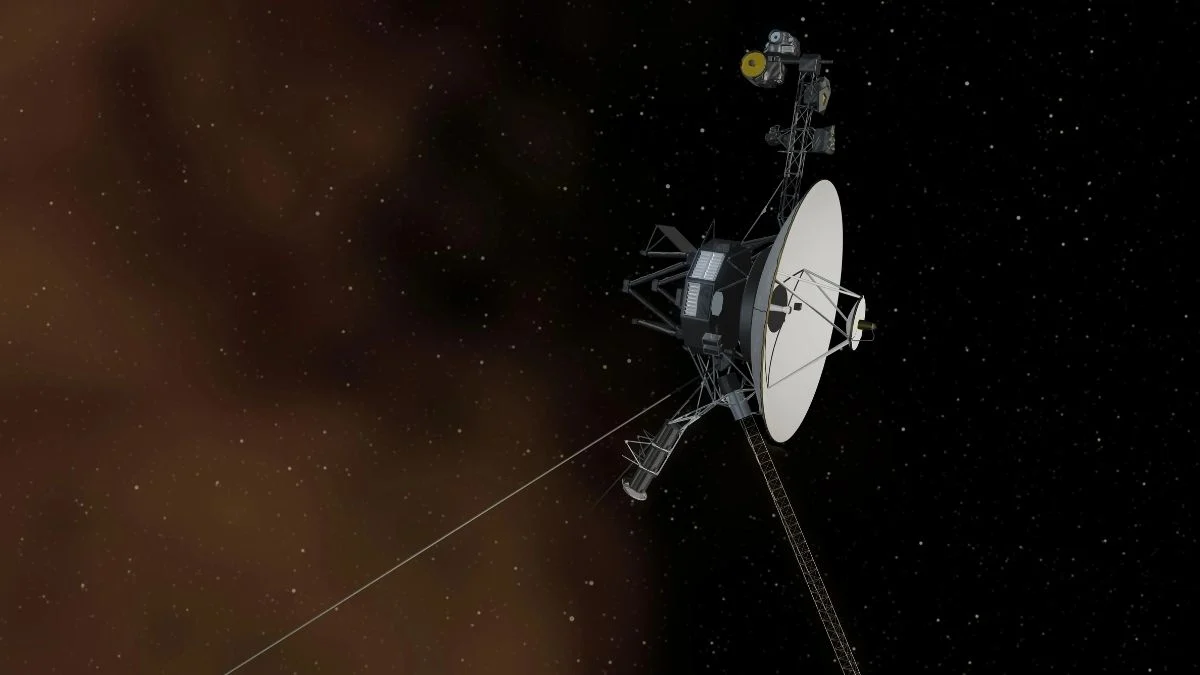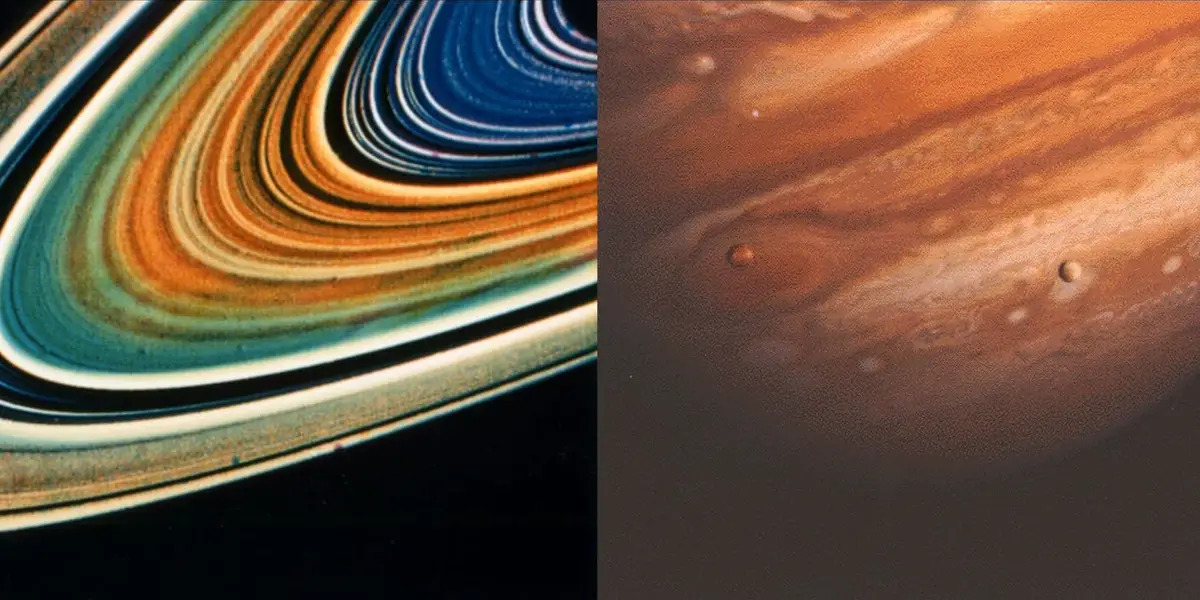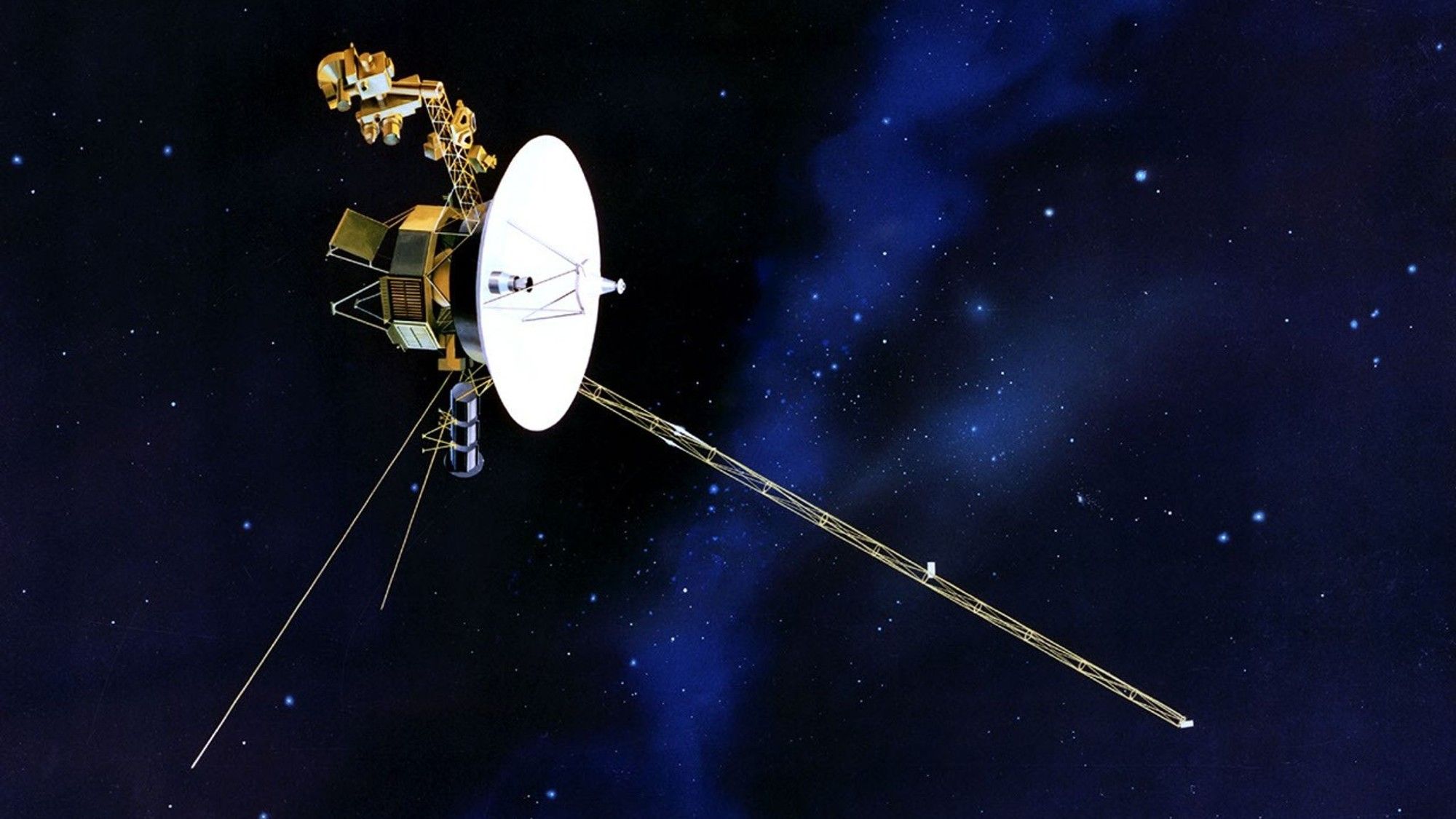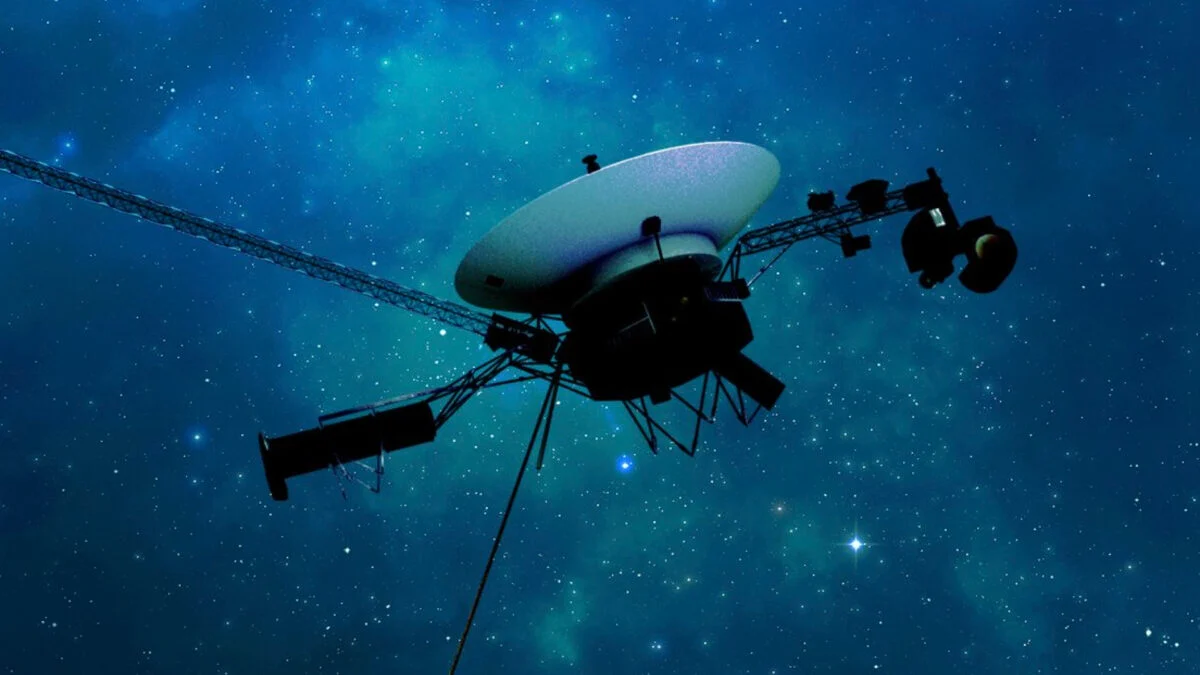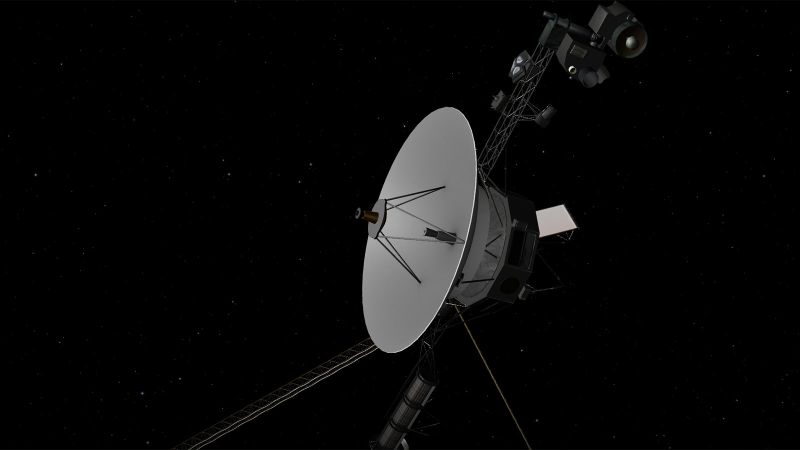
With all we’re finding out about things far beyond our solar system, it’s sometimes hard to remember that only two probes have actually traveled into interstellar space: NASA’s Voyager 1 and Voyager 2. Then again, the Voyager twins weren’t created with that specific intention; both were initially meant to study the outer solar system but miraculously lasted long enough to travel into interstellar space. As physicist Michio Kaku has written, some scientists refer to a “giggle factor” when discussing interstellar travel, simply because the physics of traveling such enormous distances seems too far-fetched. Yet, the dream of reaching horizons past the heliosphere is something that garners excitement for scientists, space enthusiasts, and sci-fi fans who love movies like Project Hail Mary or Interstellar. But what if we could someday venture to the stars? For this week’s Giz Asks, we asked the experts: If humanity could point an interstellar mission at any target in the Milky Way—a star, an exoplanet, a black hole, or even a potential alien technosignature—where would you send it first and why?
The following responses may have been lightly edited for length and clarity. Daniel Whiteson Particle physicist, University of California, Irvine; author of Do Aliens Speak Physics? And Other Questions about Science and the Nature of Reality.