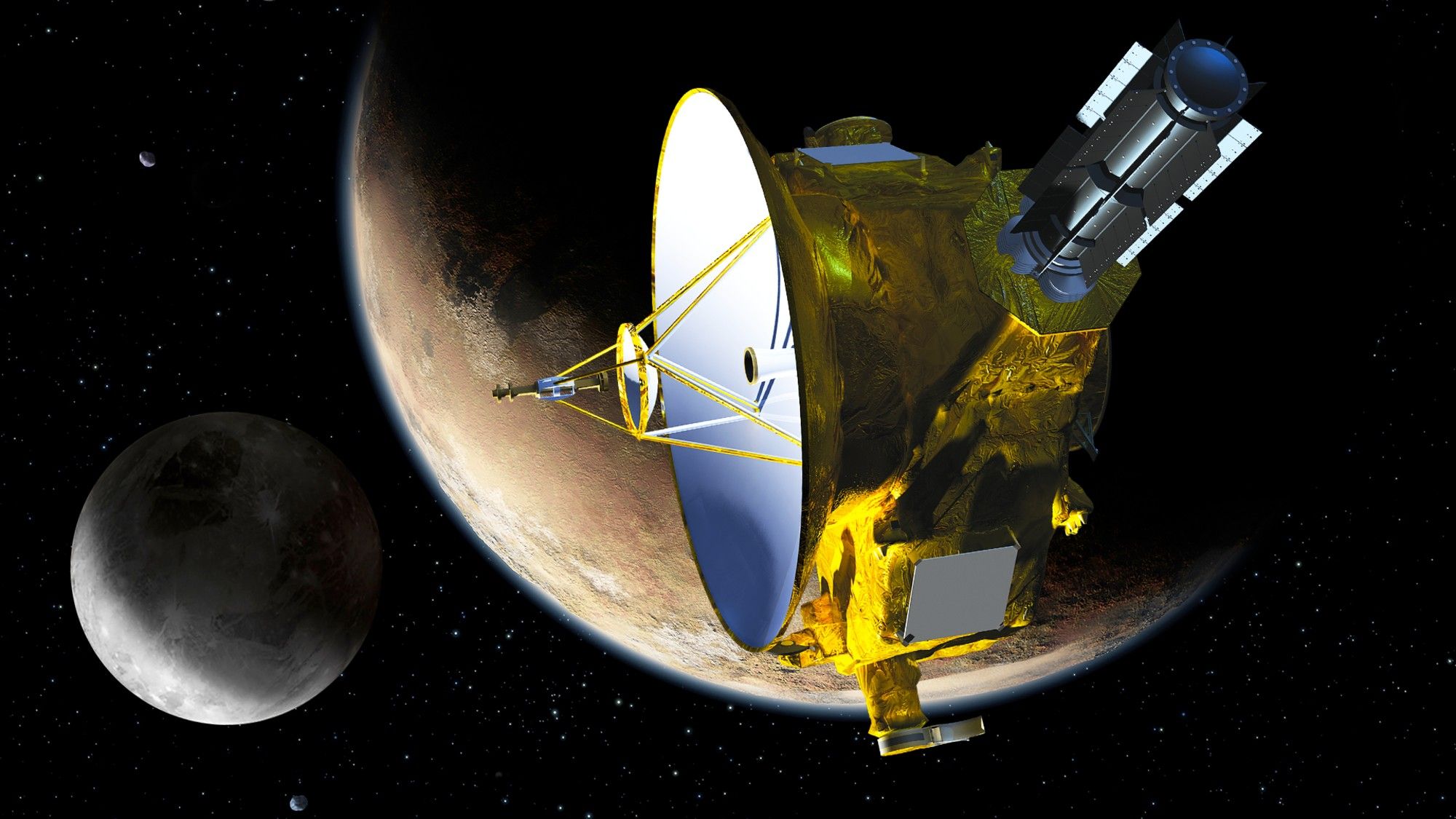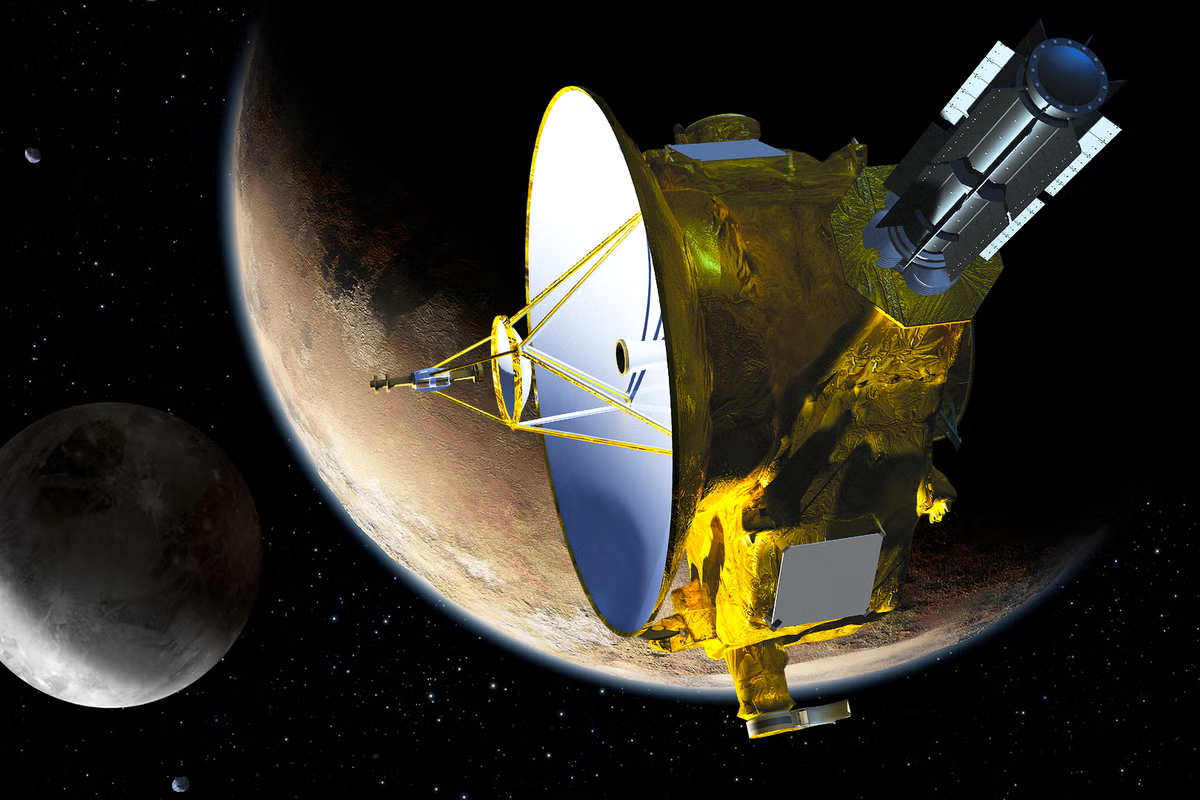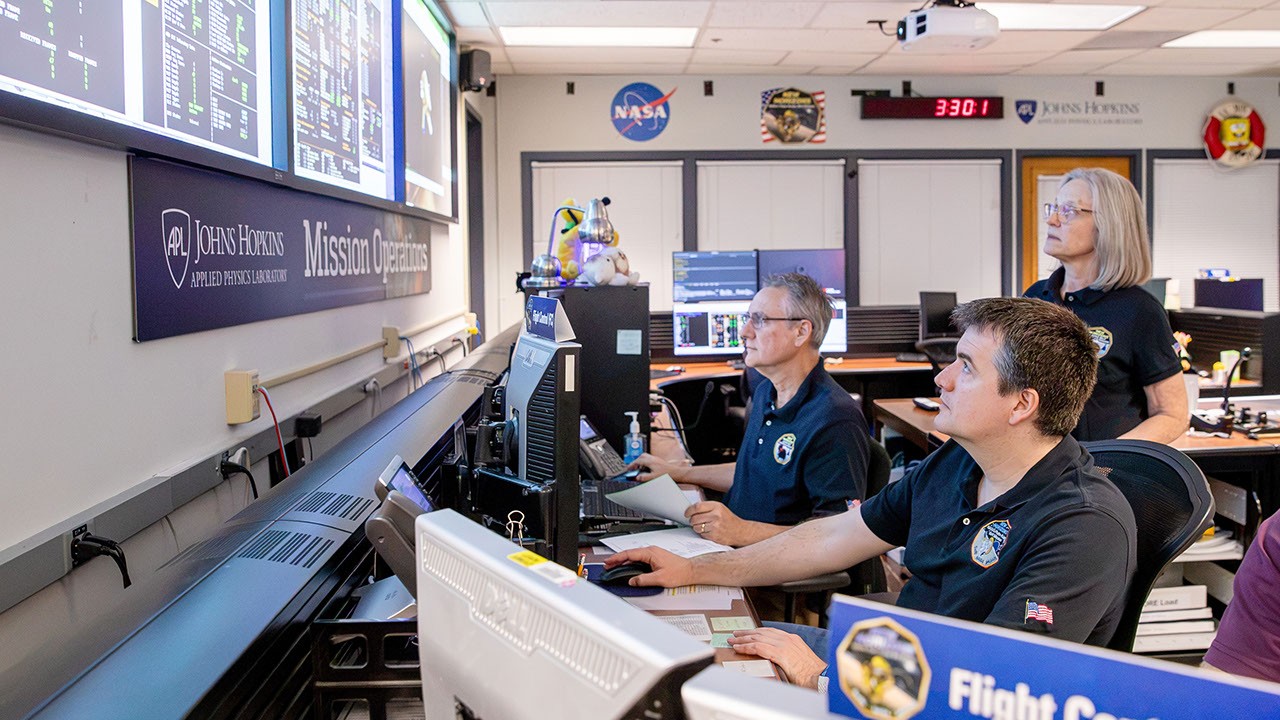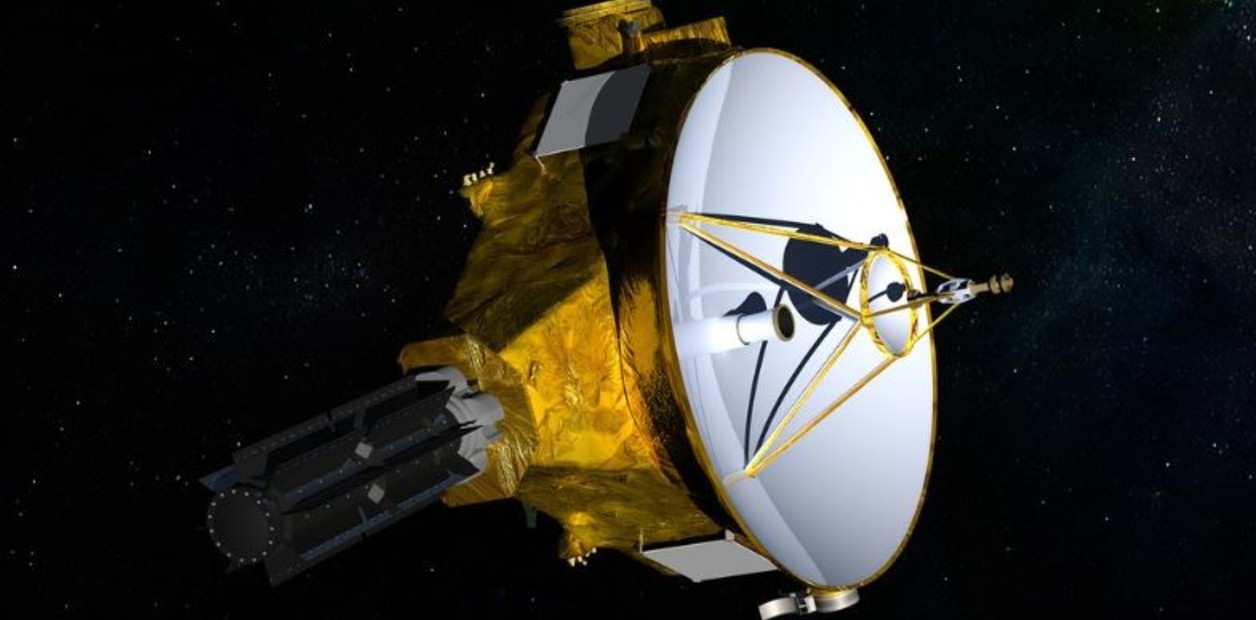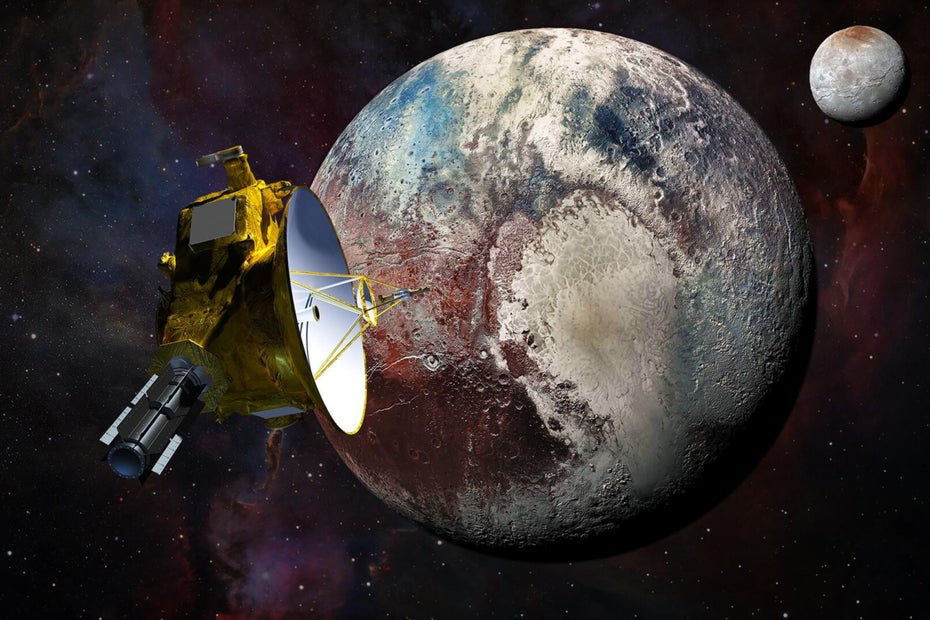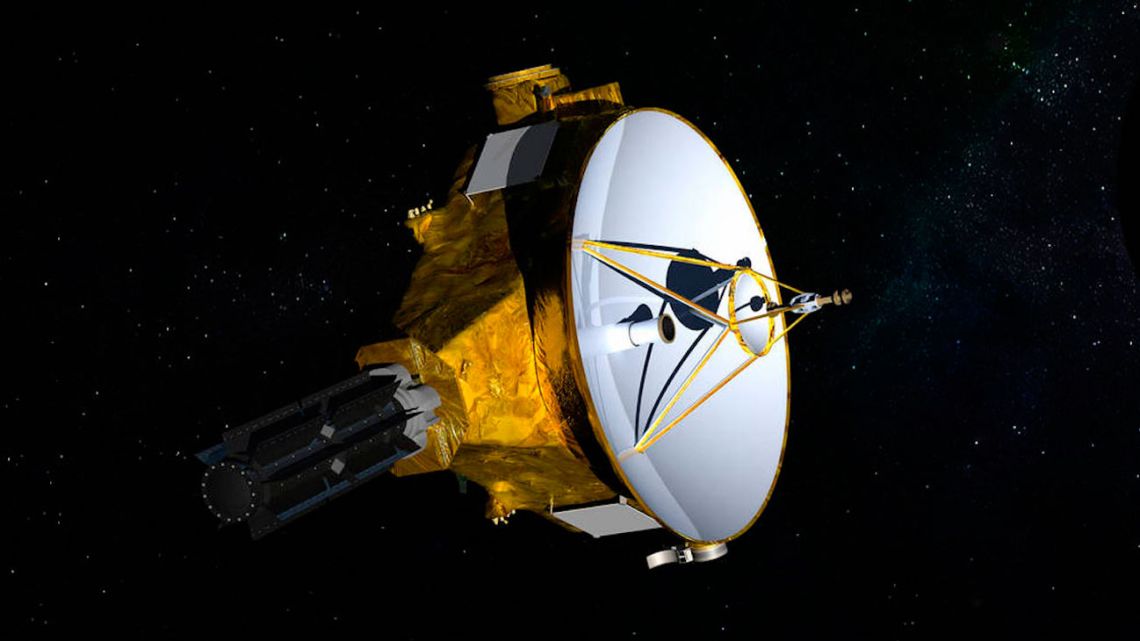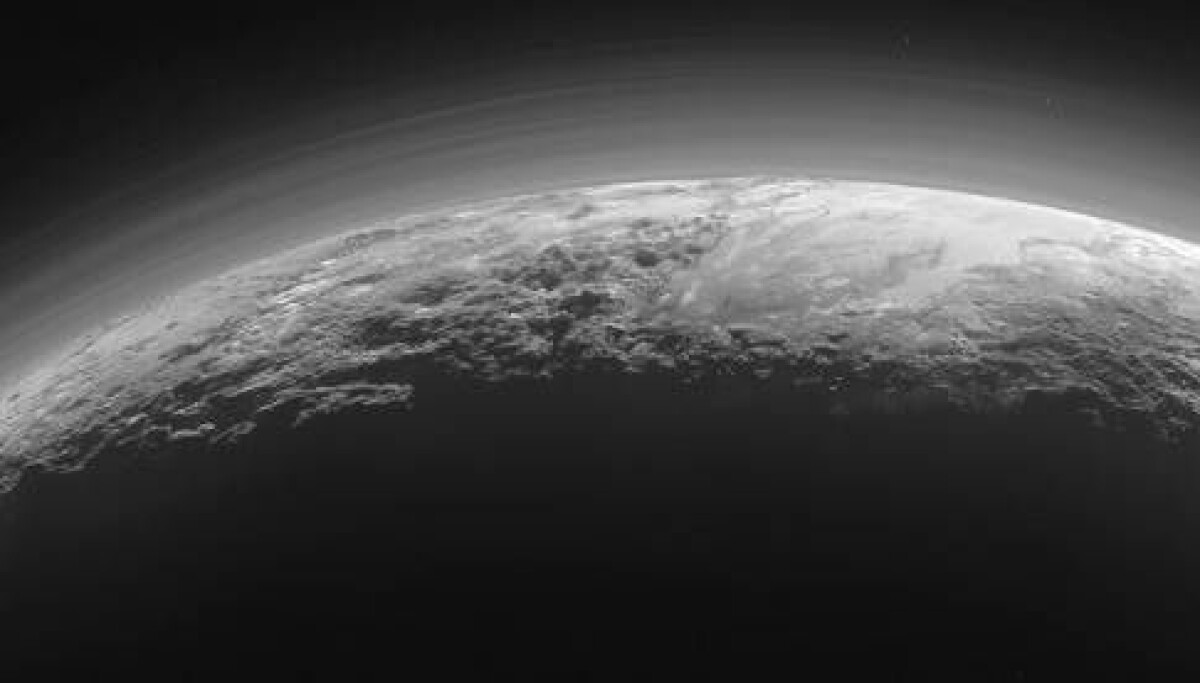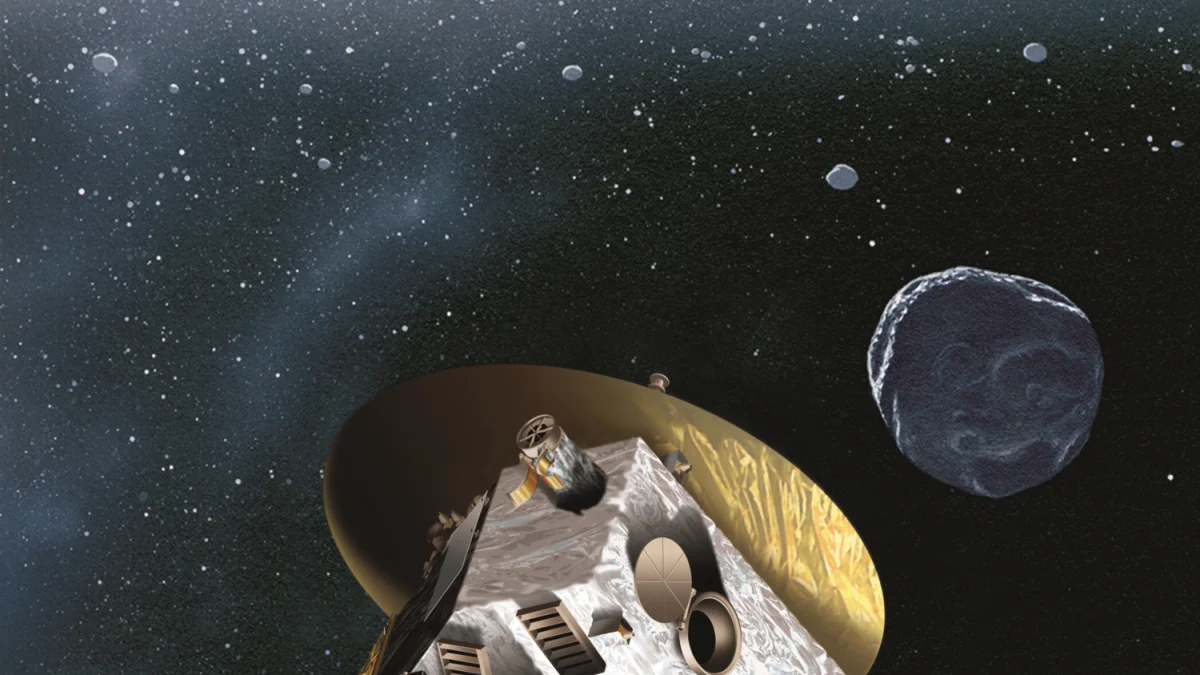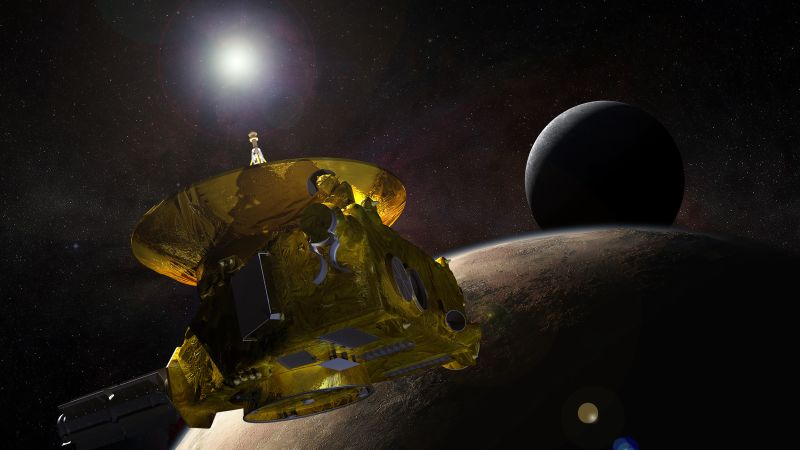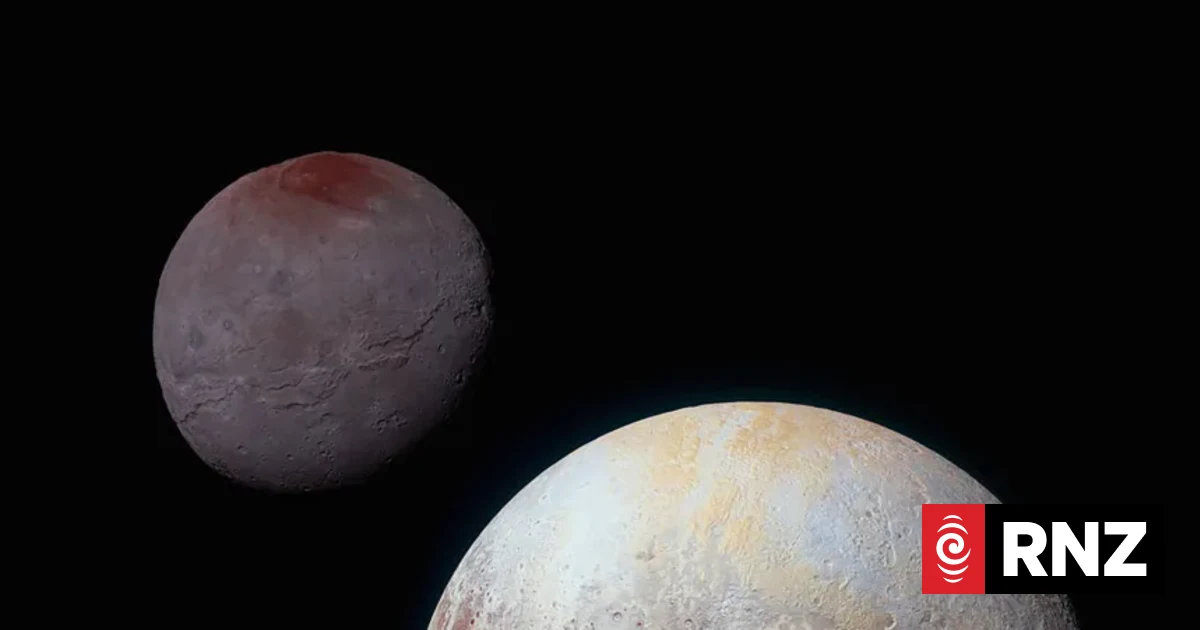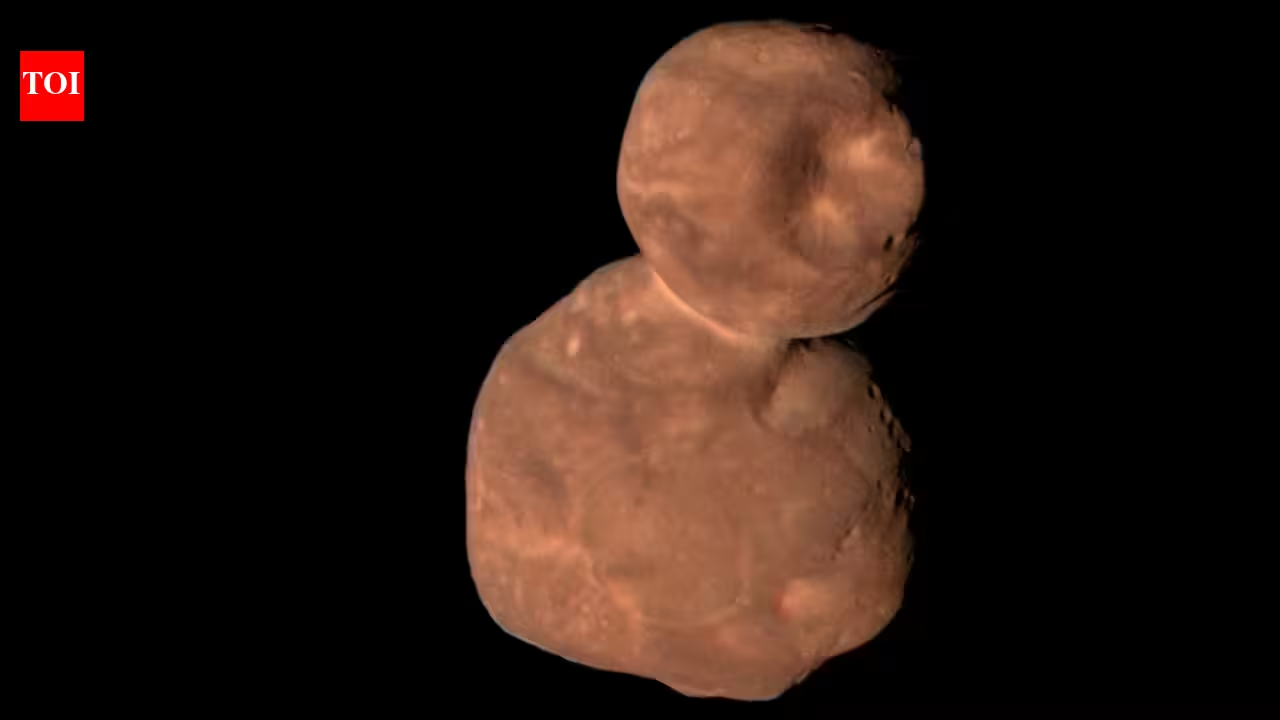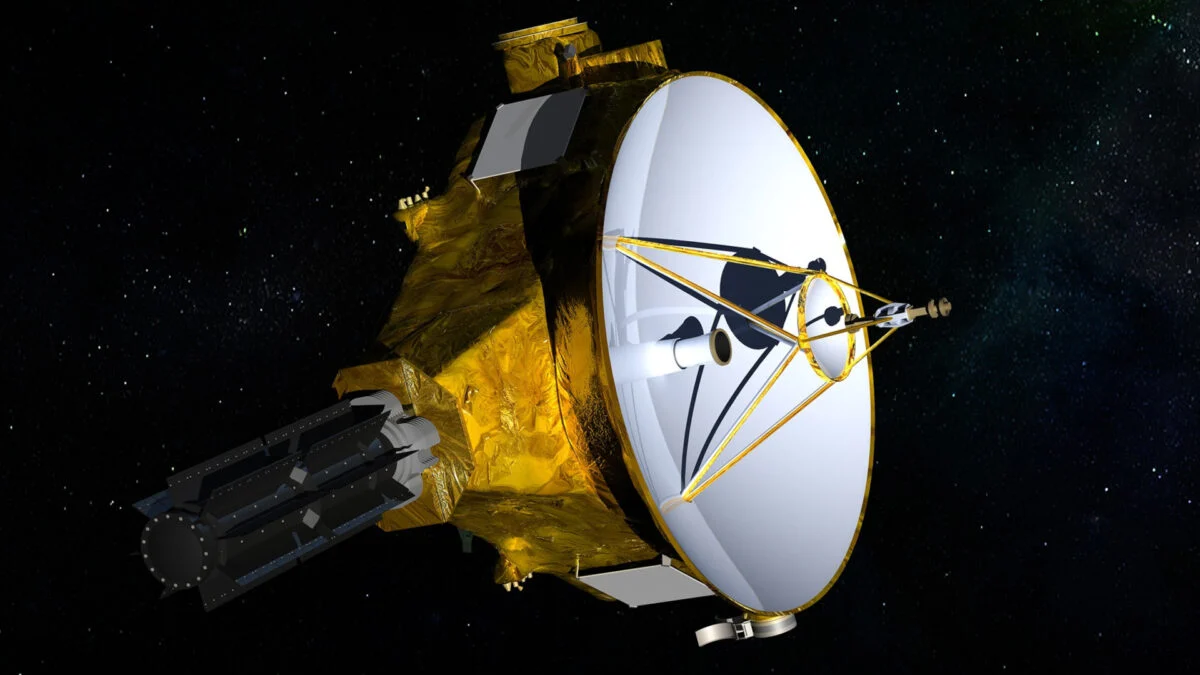
In late June, NASA’s New Horizons spacecraft woke up from a nearly year-long slumber at a distance of approximately 5.9 billion miles (9.5 billion kilometers) from Earth. As it continues its mission deep in the Kuiper Belt, the spacecraft enters a planned hibernation mode during long cruise periods to conserve resources for the journey ahead. New Horizons is currently exploring the outer regions of the solar system as it prepares to cross into interstellar space, surpassing a large bubble of plasma carved out by the Sun’s wind. The exact boundary of this bubble, however, has yet to be determined. Researchers from Southwest Research Institute (SwRI) set out to find out where the edge of the solar system bubble lies, hoping to get a better estimate of when New Horizons might hit that boundary. In two papers, published in the Astrophysical Journal and Advances in Space Research, scientists estimate that New Horizons will exit the solar system as early as 2029 or as late as 2040.
Protective bubble To get a better sense of what New Horizons is up against, first we must understand the solar system’s protective bubble. The Sun sends out a constant flow of charged particles, known as solar wind, which travels past all the planets. This forms a giant, comet-shaped bubble around the solar system, known as the heliosphere. The heliosphere ultimately acts as a giant shield, protecting the solar system from galactic cosmic radiation.