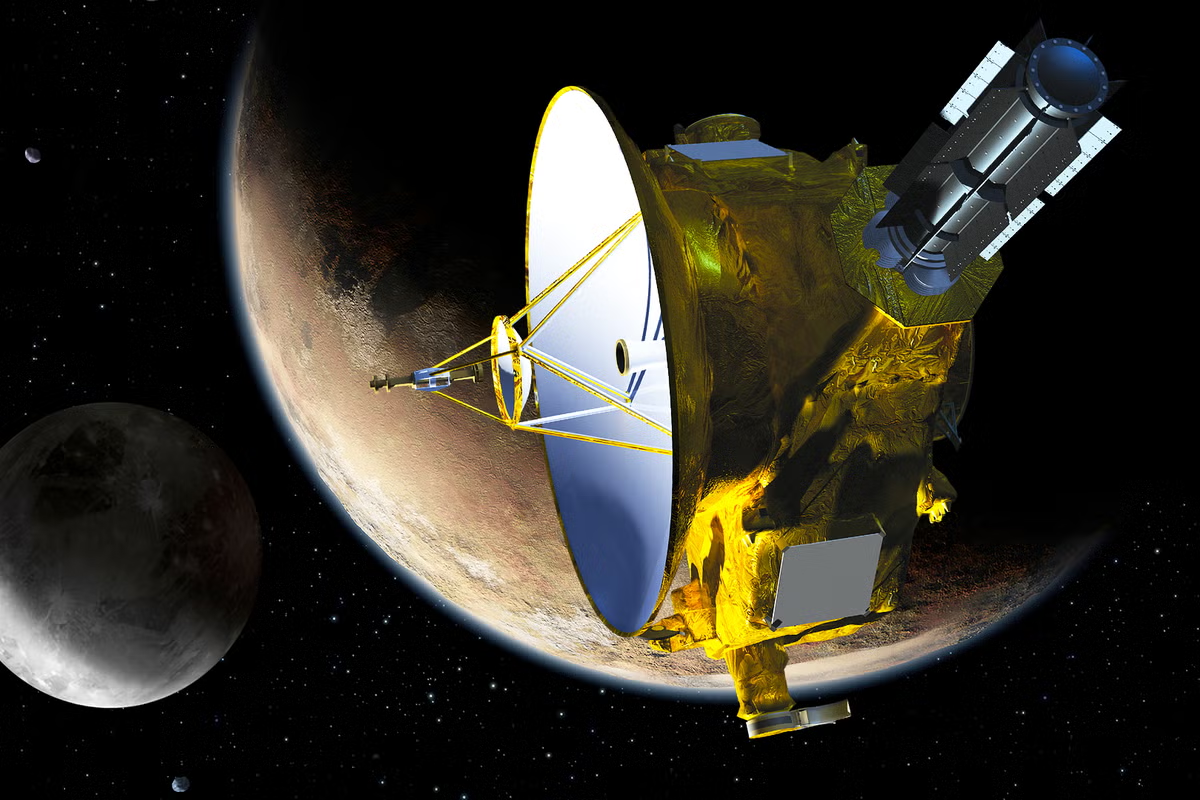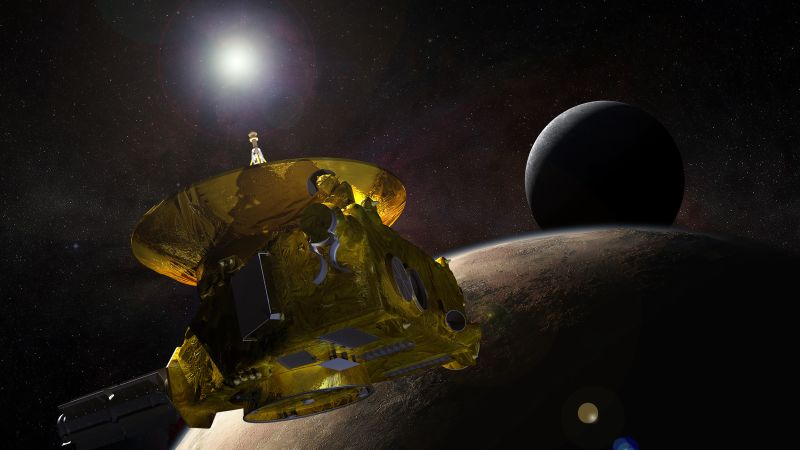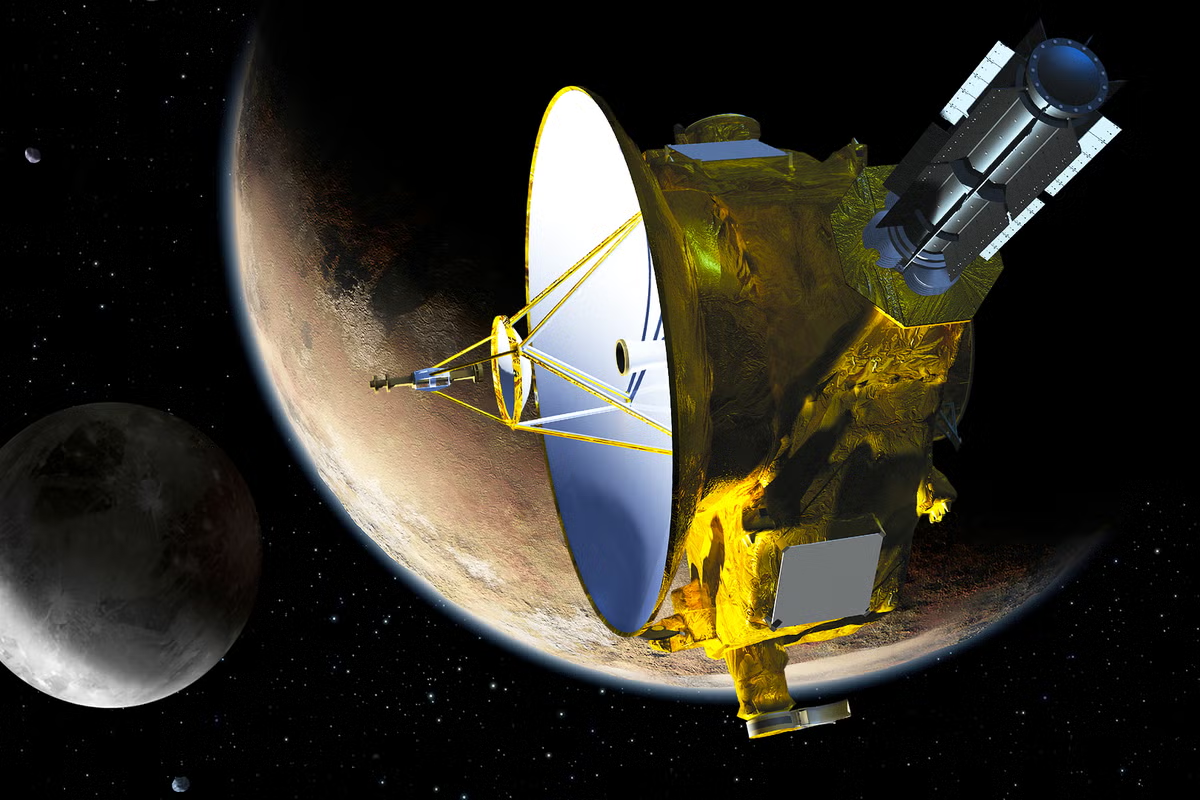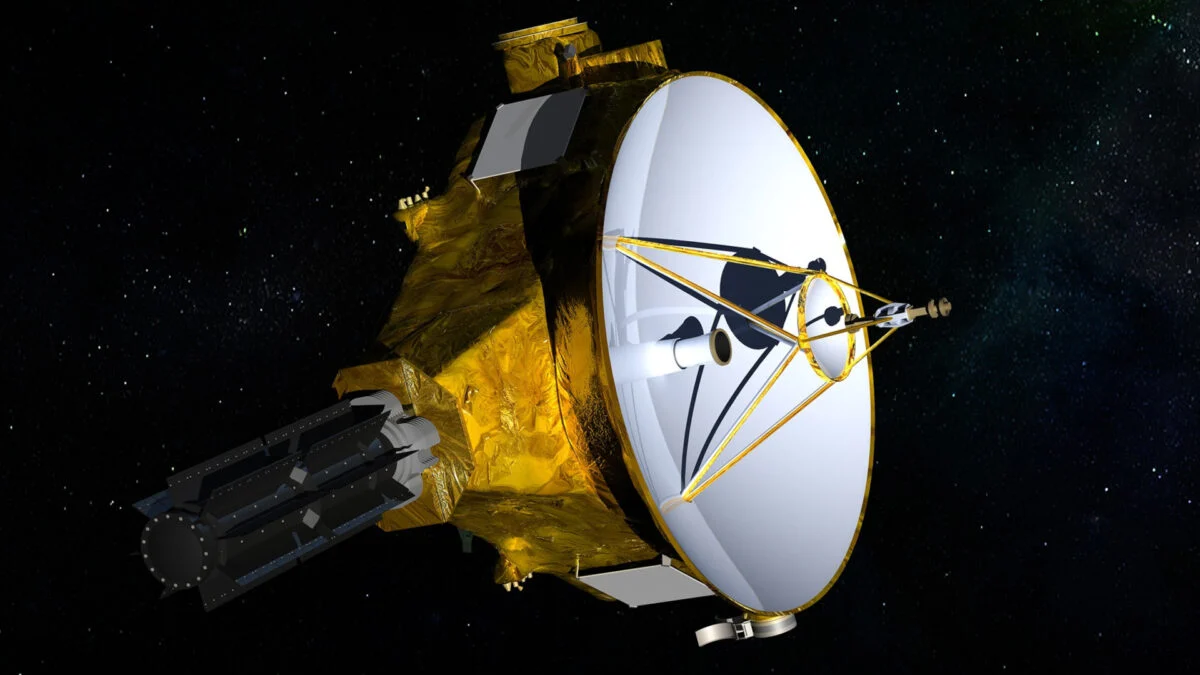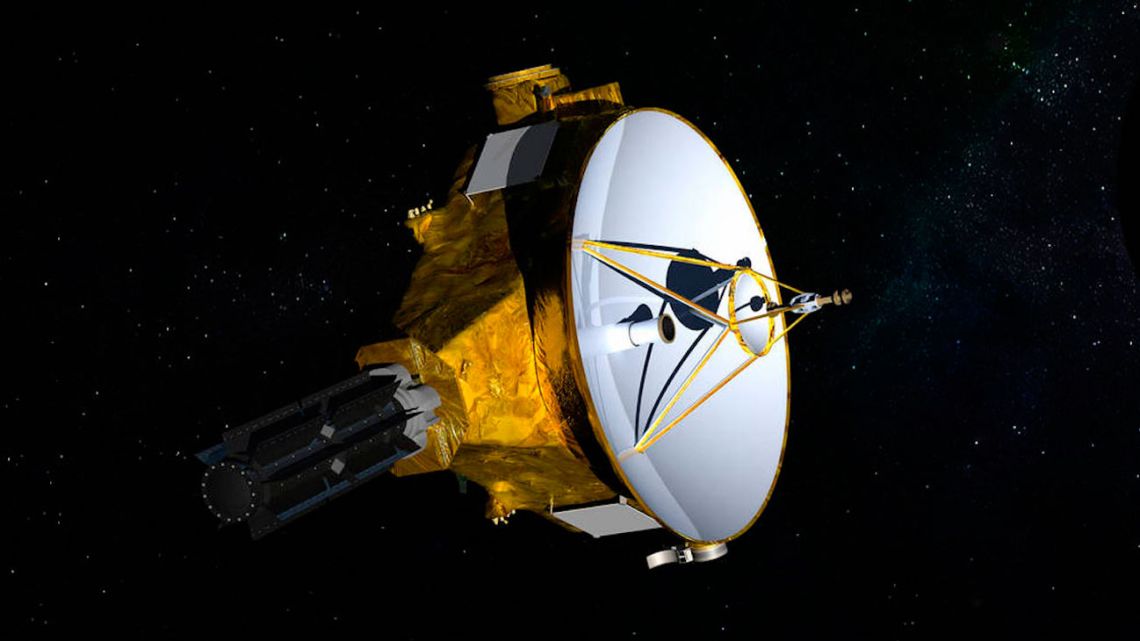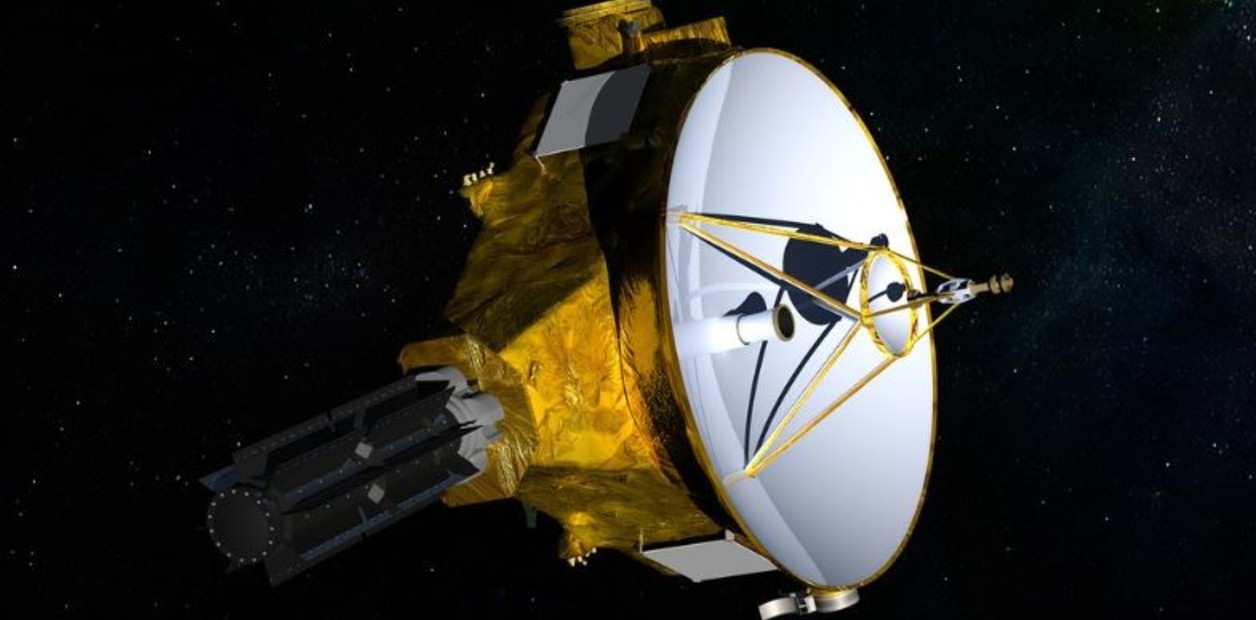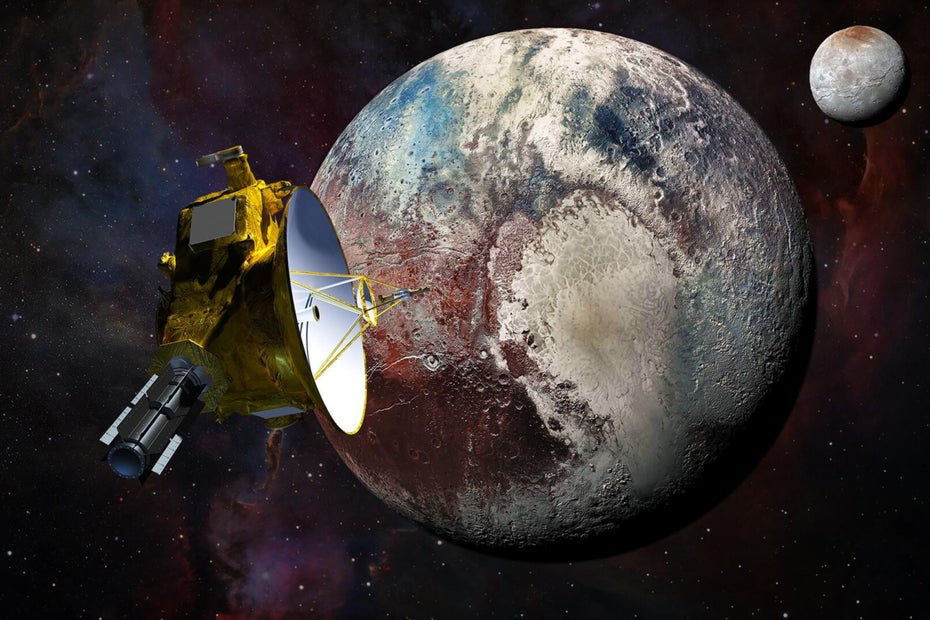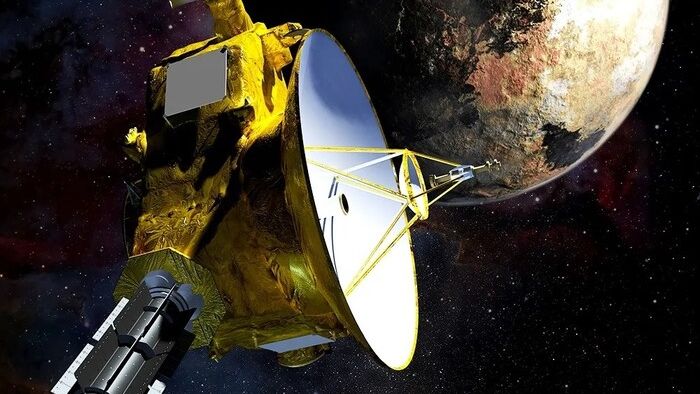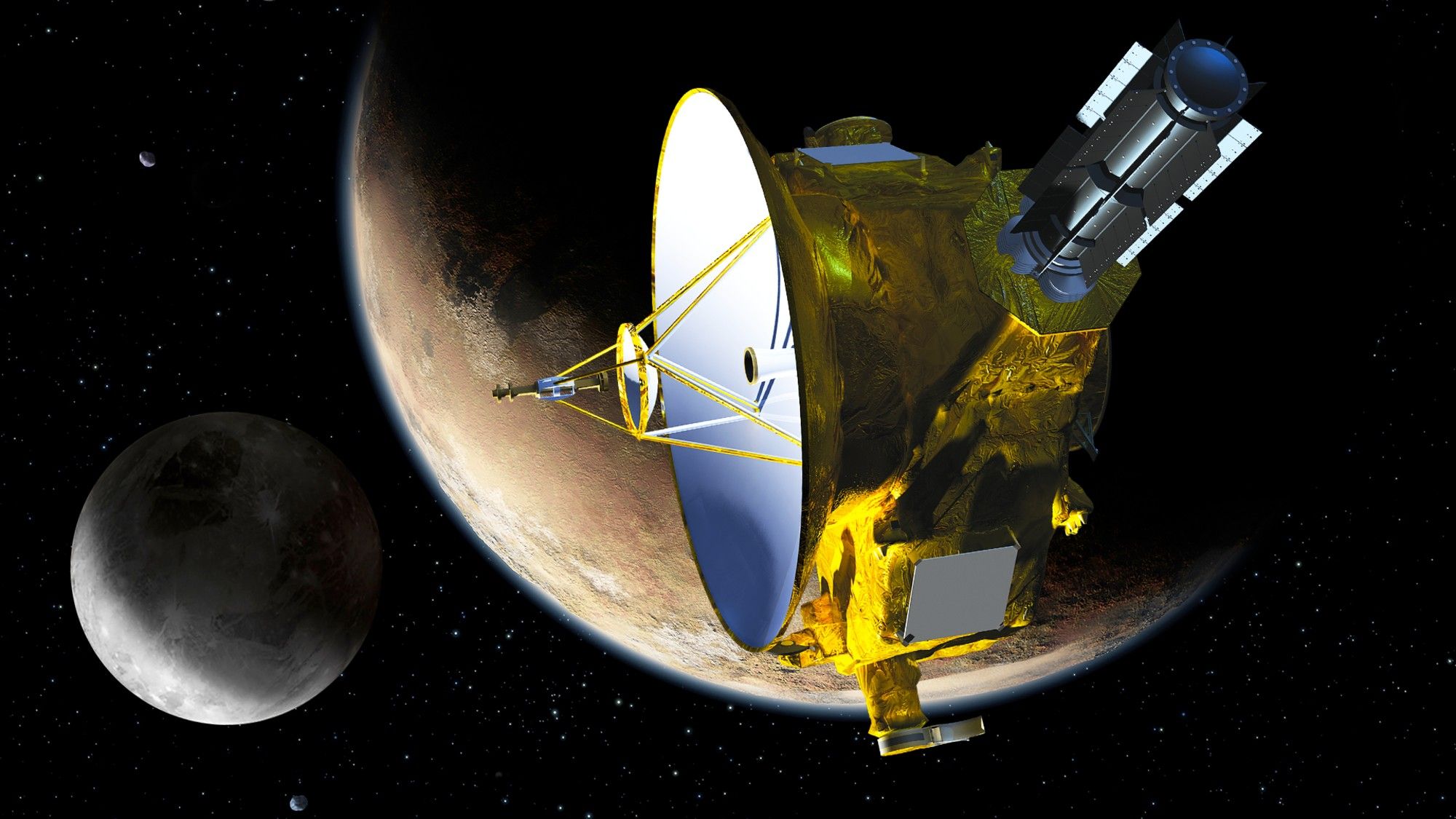
Artist's rendering of NASA's New Horizons probe.
(Image credit: NASA)
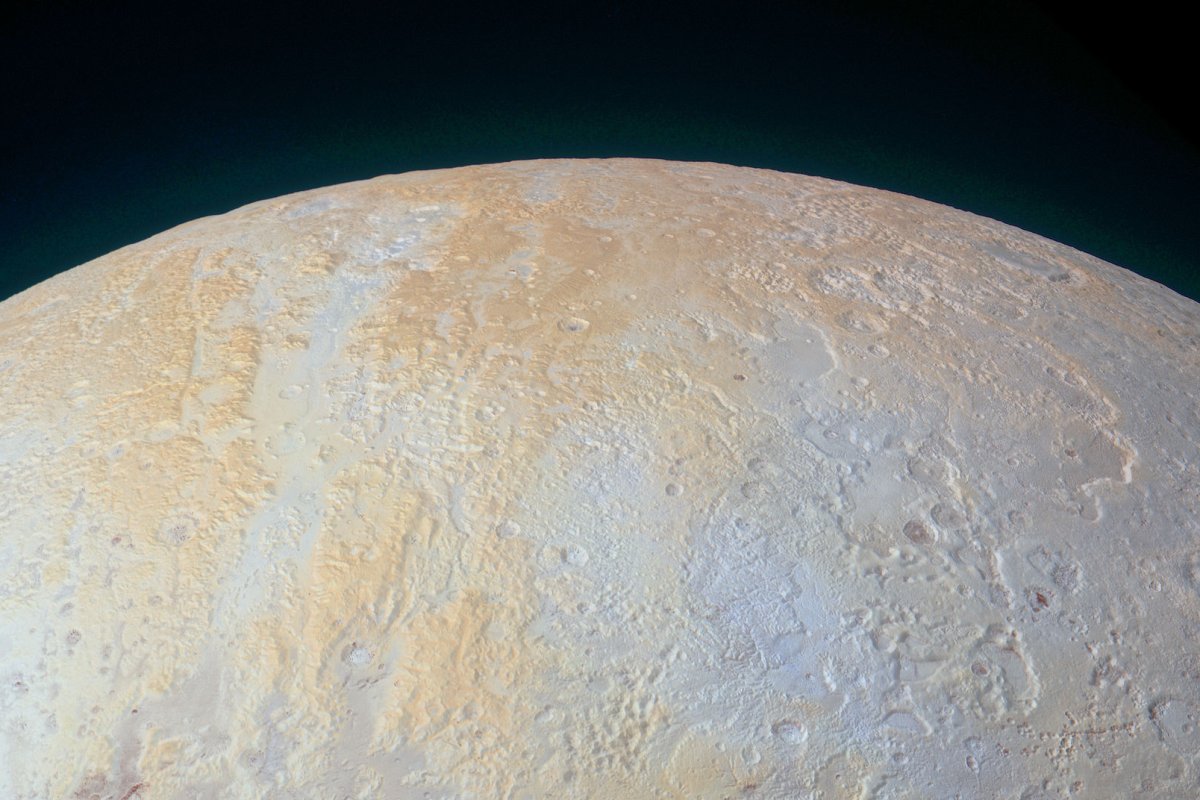
NASA's New Horizons probe has woken up in good health nearly 6 billion miles away beyond Pluto after spending nearly a year in hibernation.Traveling such vast distances between our solar system's most remote objects means New Horizons often cruises for months at a time with little to do other than passively collect data. During these periods, the probe goes into a hibernation mode in which its instruments still collect data, but most other systems power down.New Horizons entered just such a hibernation period last August, and has now woken up in "good health", according to a NASA statement. The spacecraft is 5.9 billion miles (9.5 billion kilometers) from Earth, so far away that it takes around 9 hours for its radio signals to reach us. Now that it's awake, New Horizons will begin transmitting the data it has collected over the last 321 days and letting its controllers on the ground know how its systems are faring in the cold, dark reaches of deep space.So far, the probe appears to be in perfect health. "Every status report through this hibernation period was 'green,' meaning all was well aboard New Horizons each and every week," said Alice Bowman, the New Horizons mission operations manager at the Johns Hopkins Applied Physics Laboratory (APL) in the NASA statement.New Horizons is the first and only flyby spacecraft to conduct a flyby of the Pluto system, which it did in 2015. Four years later, the plucky probe studied the most distant object ever explored in our solar system, the snowman-shaped planetesimal Arrokoth, while it was one billion miles (1.6 billion kilometers) past Pluto.Since then, the long-distance voyager has been probing the edge of our sun's influence and studying objects in the Kuiper Belt, the cold, donut-shaped ring of icy objects that circles the outer solar system beyond Neptune.