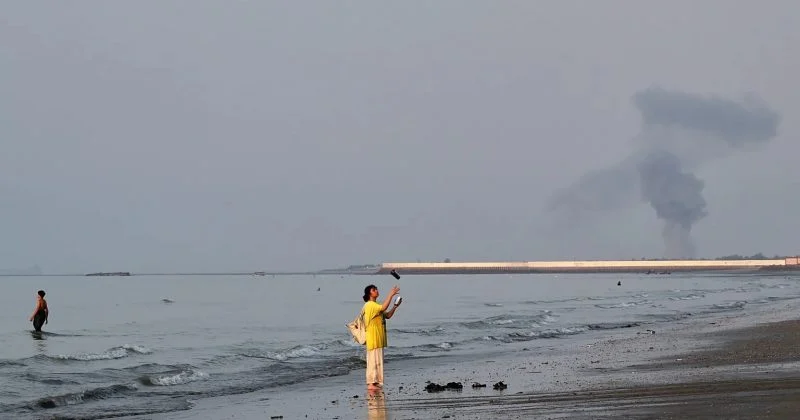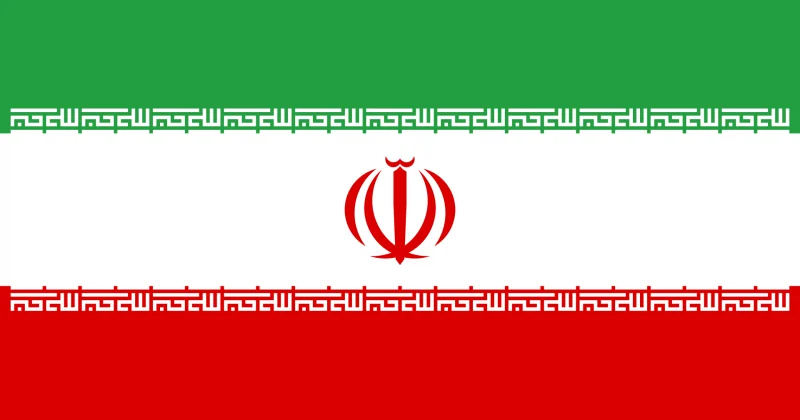
The ongoing conflict between Iran and a coalition of the United States and Israel has intensified, with Iranian forces launching attacks on several regional countries. Concurrently, Iranian politician Mohammad Bagher Ghalibaf has accused the U.S. of violating a ceasefire agreement. This development marks a significant escalation in the conflict, which began with preemptive strikes by the U.S. and Israel on Iranian military and governmental targets, including the assassination of Iran’s Supreme Leader Ayatollah Ali Khamenei.
Iran’s recent military actions, targeting U.S. bases in regional countries such as Bahrain and Kuwait, suggest a shift from limited skirmishes to a full-scale regional war. These moves have drawn widespread condemnation from neighboring countries, including Qatar, Bahrain, Kuwait, Saudi Arabia, and the UAE. The accusation by Ghalibaf adds another layer of complexity, potentially straining international relations further.
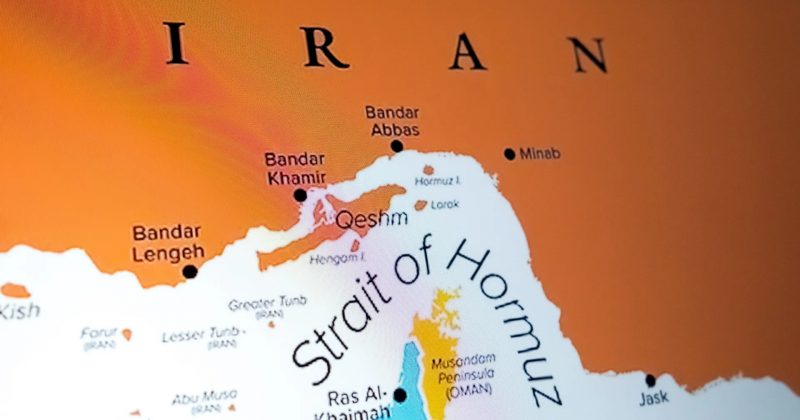
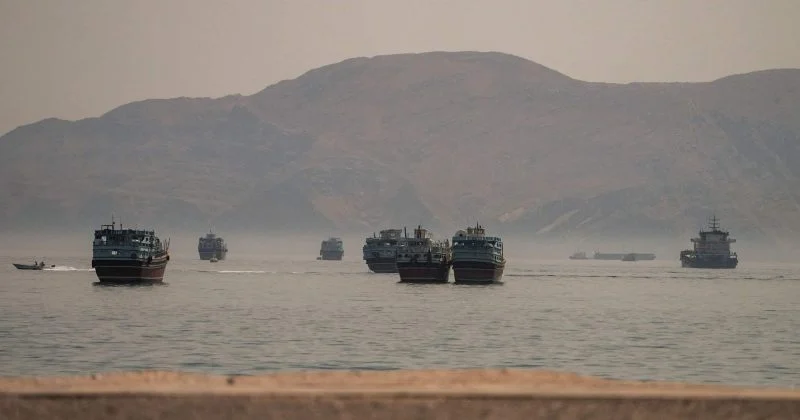
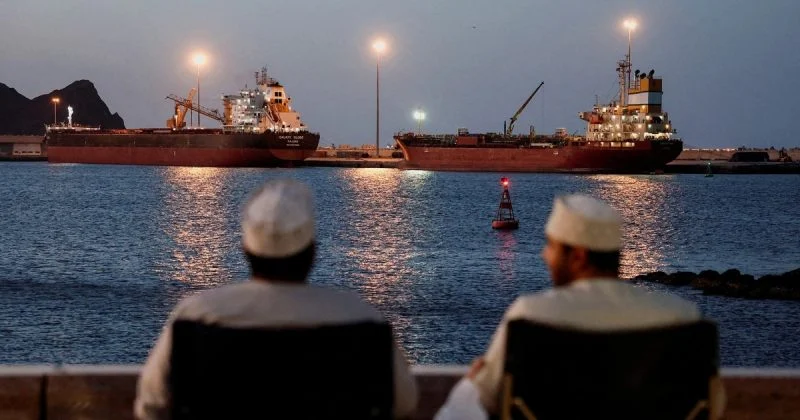
In the financial markets, this escalation is reflected in prediction market pricing concerning the Strait of Hormuz, a critical oil passageway. The probability of traffic normalization by the end of the year has been observed to decrease, suggesting that market participants are factoring in increased regional instability due to the ongoing conflict and accusations against the U.S.