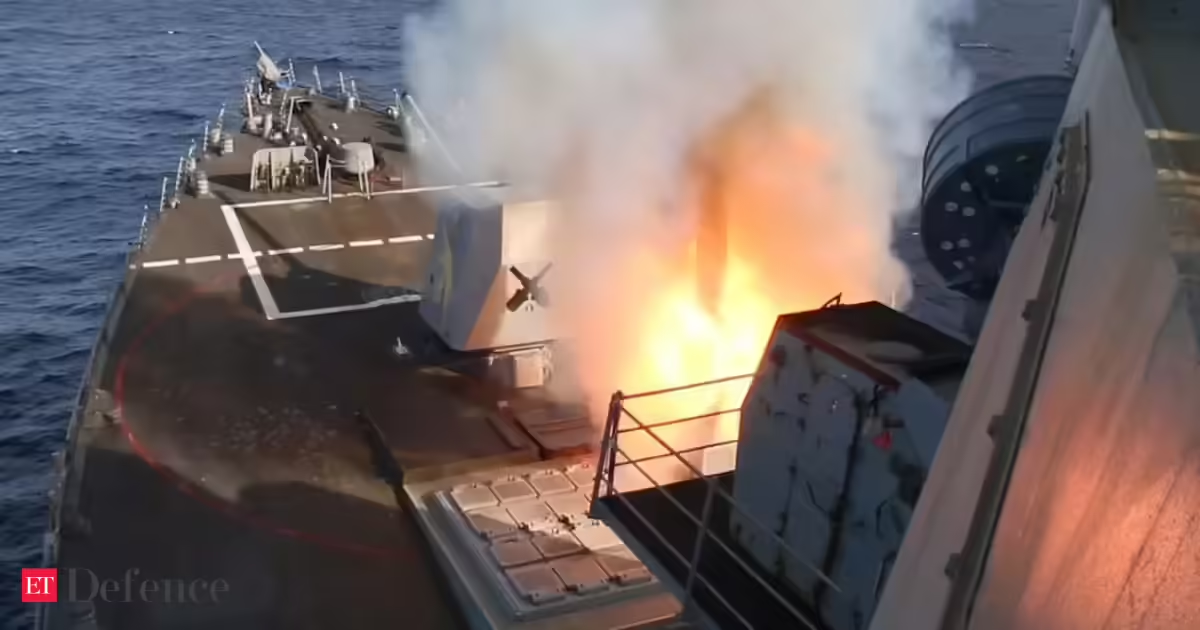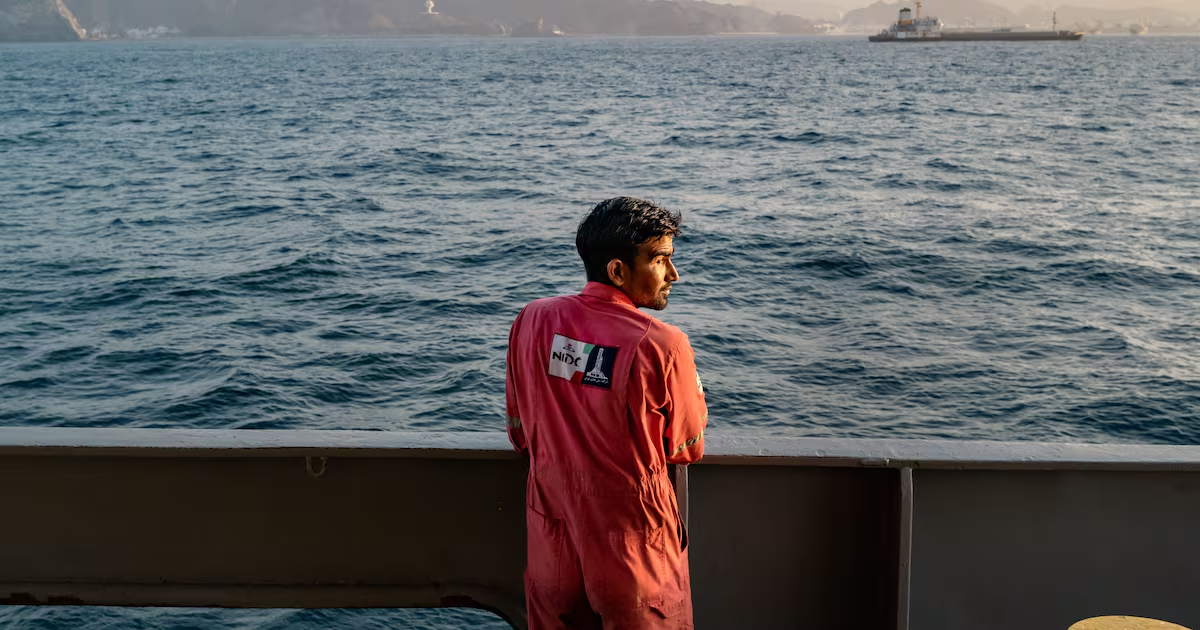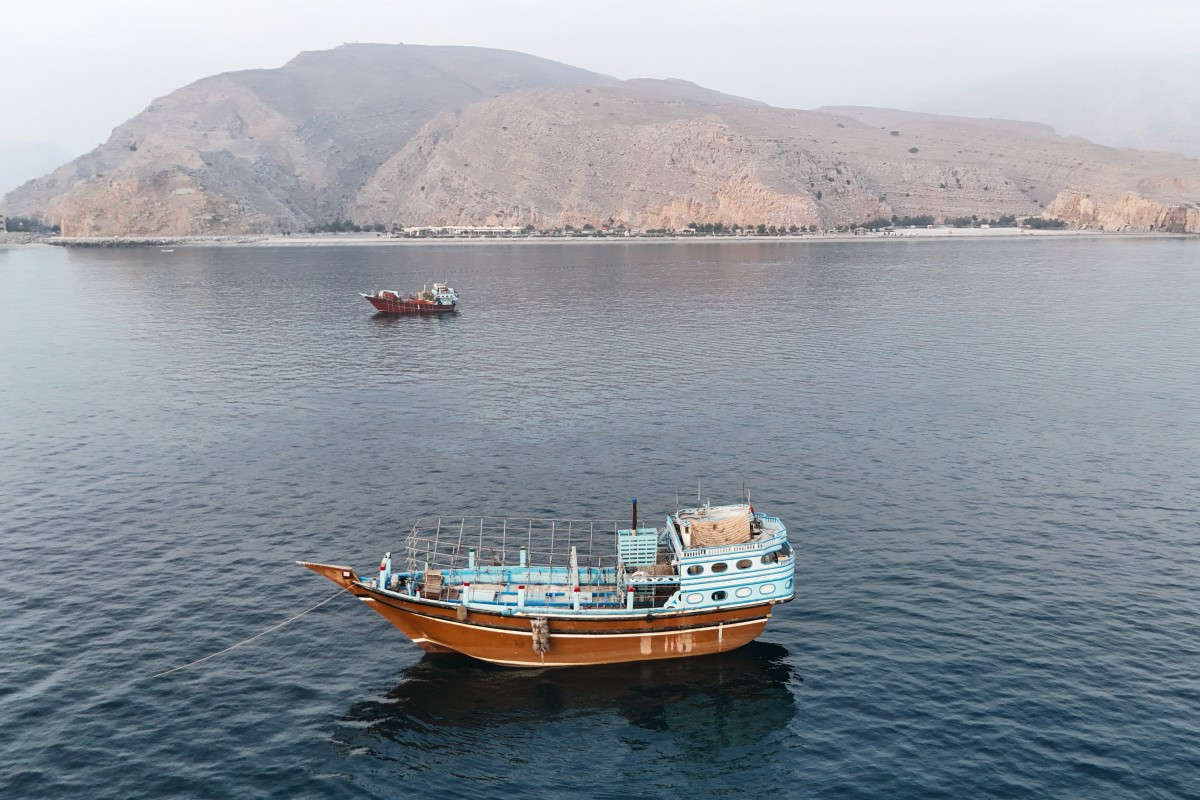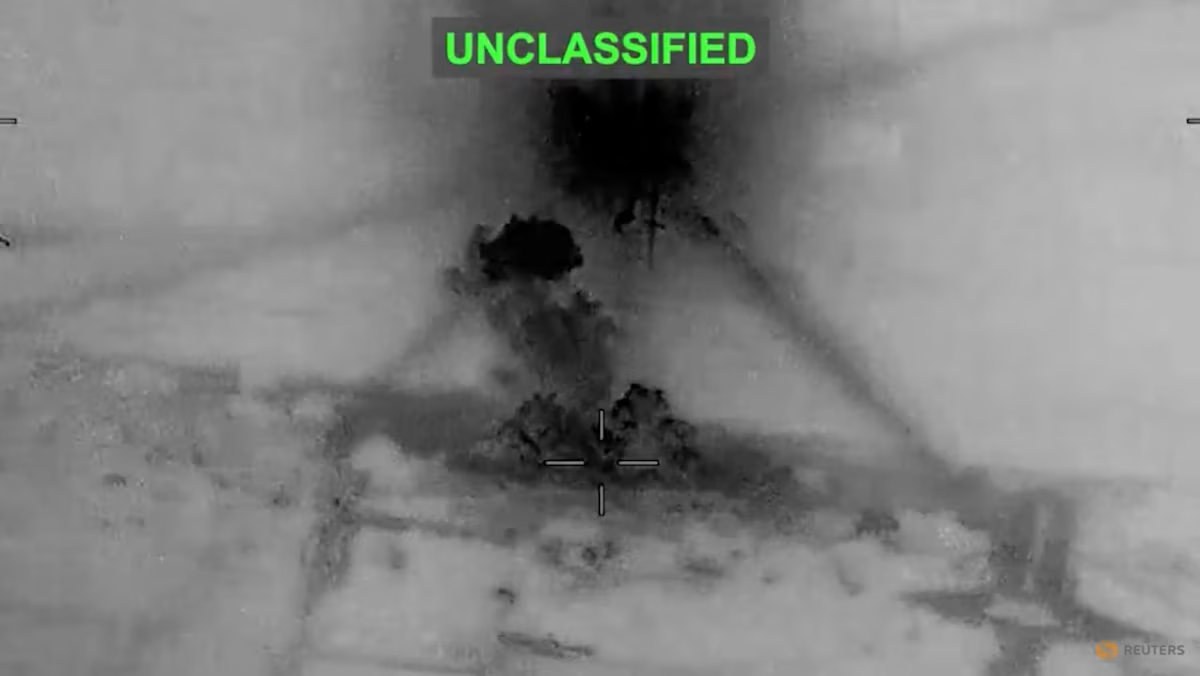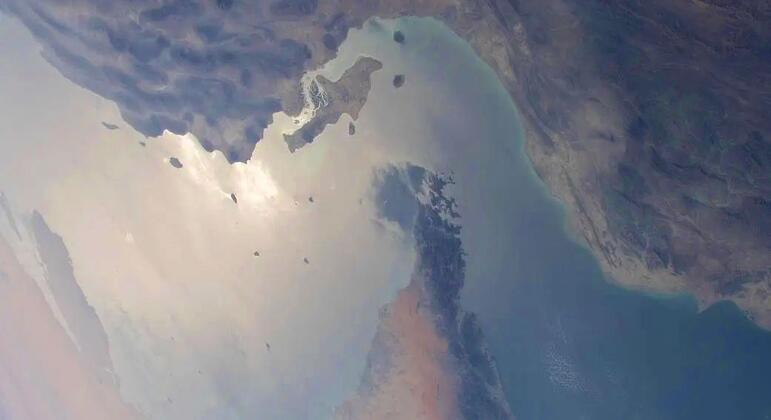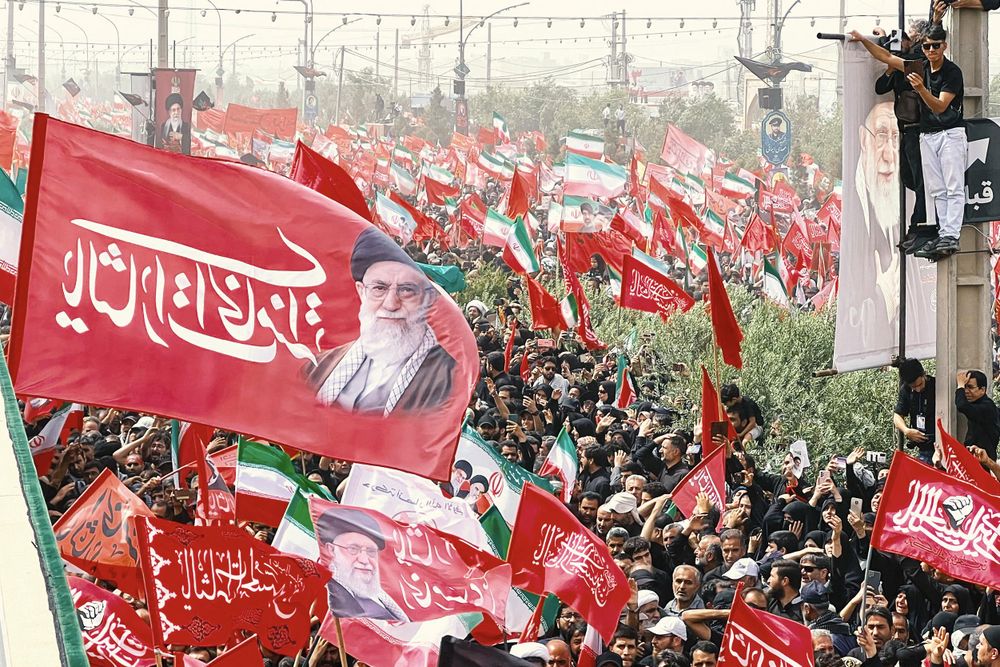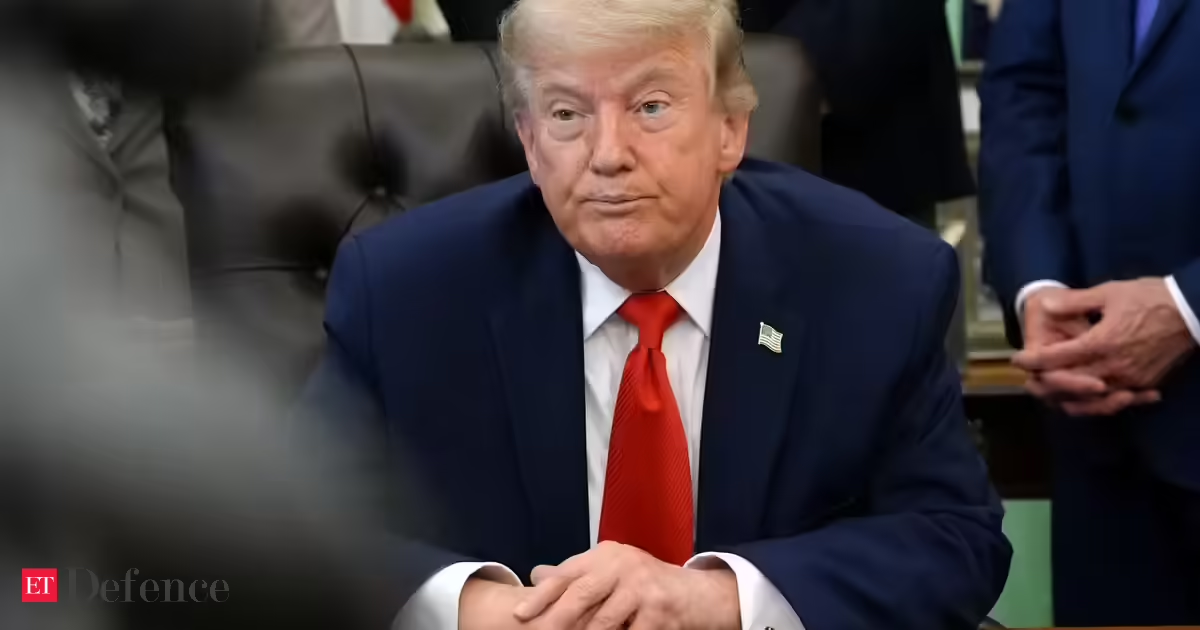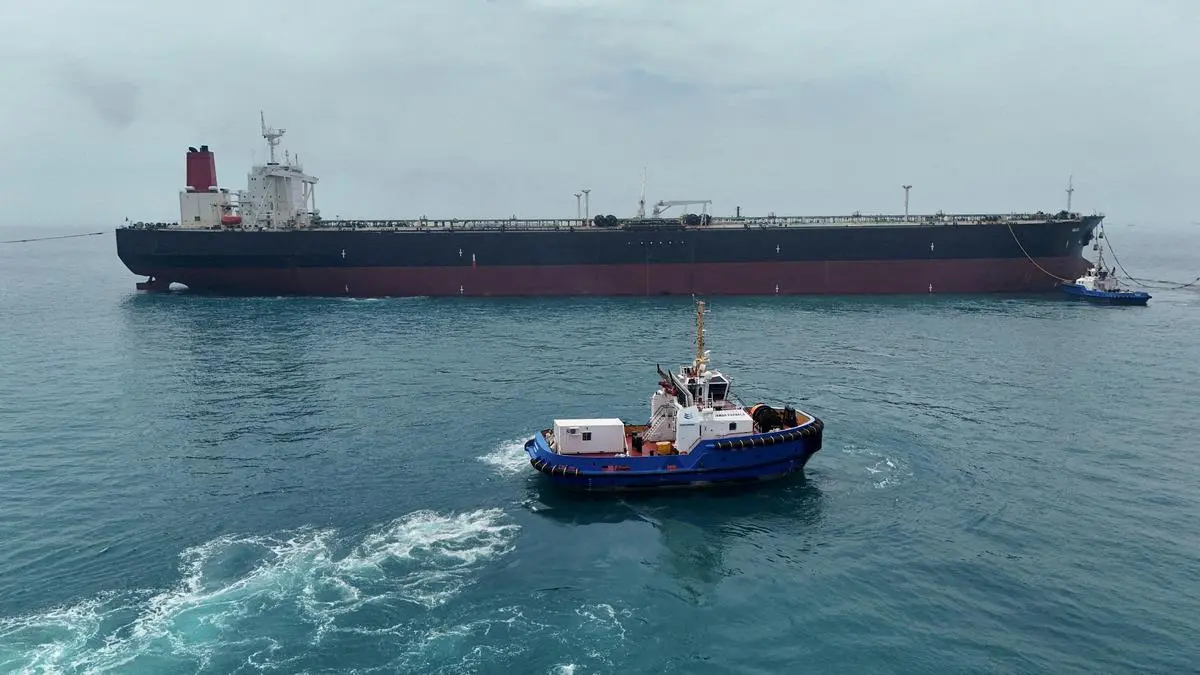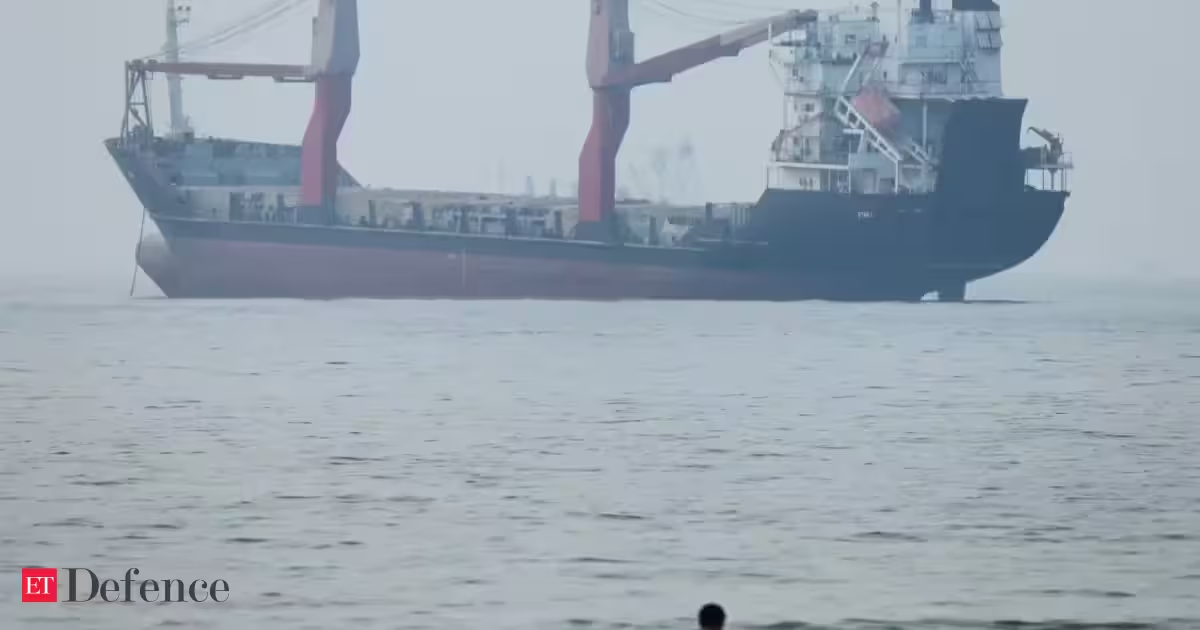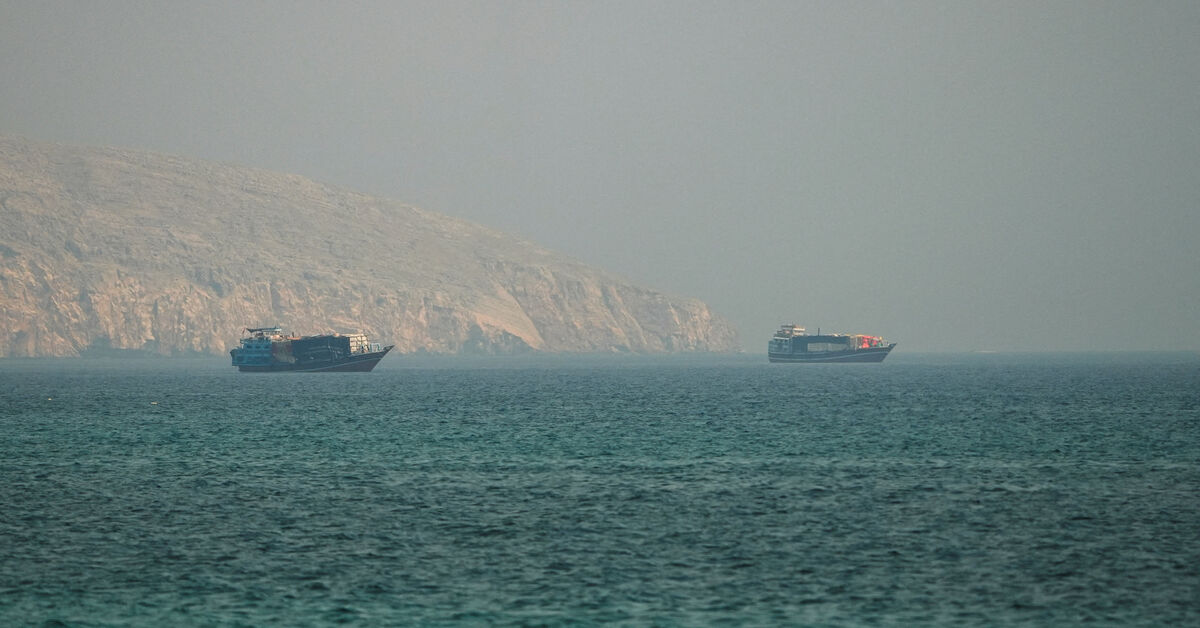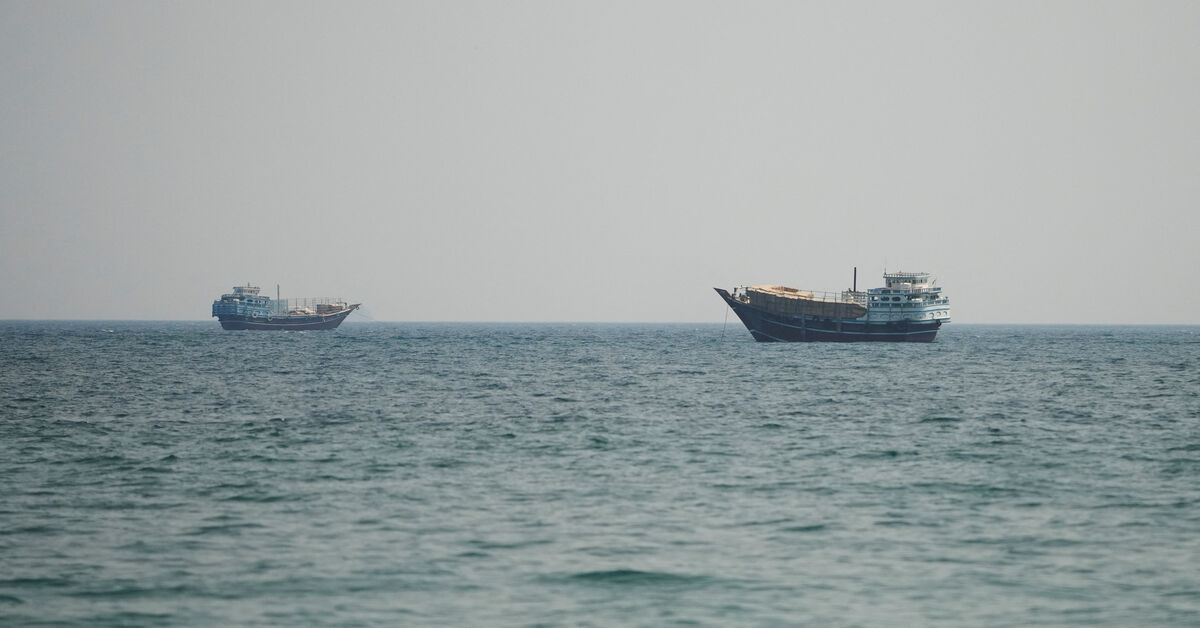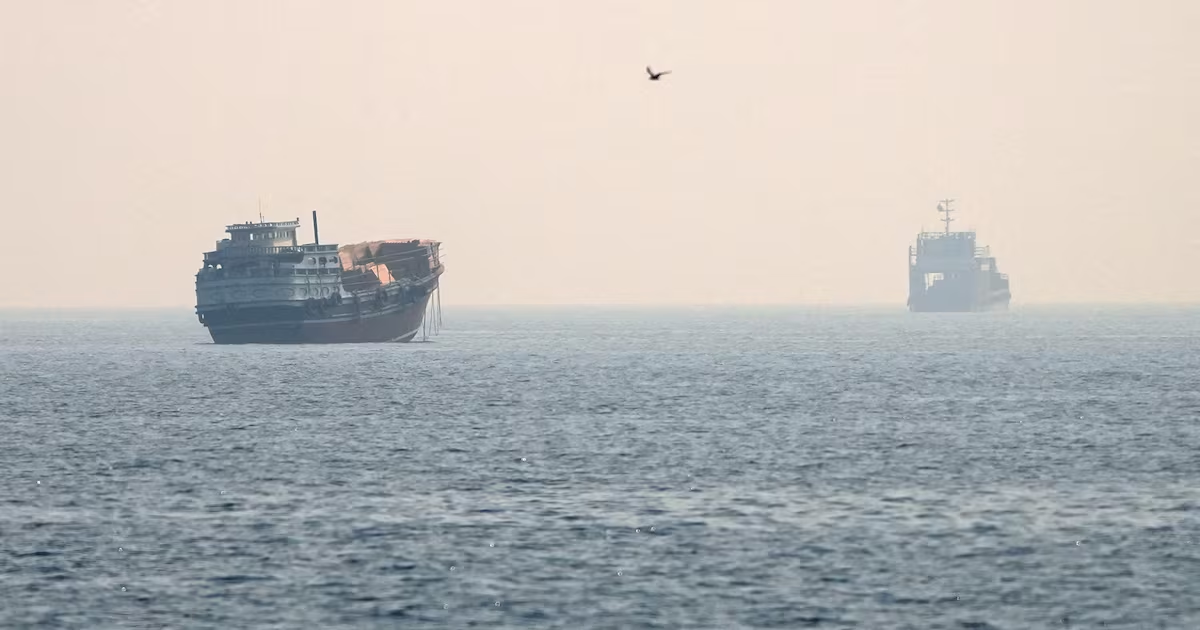
International leaders called for restraint in the fighting between the United States and Iran as hostilities flared up once again, with both sides blaming the other for undermining the memorandum of understanding designed to bring a peaceful solution to the conflict. Secretary-General of the United Nations Antonio Guterres expressed alarm about the renewed military confrontations in the Gulf. "These incidents risk derailing the diplomatic progress achieved between Iran and the United States," Stephane Dujarric, spokesman for the secretary-general, said in a statement."A return to full-scale hostilities would have catastrophic consequences — for the peoples of the region, for international peace and security, and for the global economy," Dujarric said. "The secretary-general urges Iran and the United States to urgently resume negotiations and to address outstanding issues through diplomacy."US President Donald Trump said on Wednesday that the MoU signed with Iran to end the conflict was "over", though he left room to continue diplomatic talks. "It's just a waste of time dealing with them. I'll let our wonderful negotiators keep talking if they want, but I don't see it," he told reporters while in Ankara, Turkiye for a NATO summit. The US blamed Iran for attacks on three commercial vessels passing through the Strait of Hormuz. In response, the US military said it launched "powerful strikes", including against Iranian air defense systems, radar sites and over 60 small military boats, marking the largest US military operation against Iranian assets since the April ceasefire took effect. Tehran's reply came quickly, with the Islamic Revolutionary Guard Corps saying they hit 85 US military facilities in Bahrain and Kuwait. The US military said it was continuing attacks on Wednesday, "to further degrade their ability to threaten freedom of navigation in the Strait of Hormuz", US Central Command posted on X.Iran's Parliament Speaker Mohammad Baqer Qalibaf described the US attacks as "major violations" of the MoU. "The era of bullying and extortion is over," Qalibaf wrote on X. "It leads nowhere. We don't fold."Earlier, Iranian Foreign Minister Seyed Abbas Araghchi said negotiations on a final agreement with the US "will not commence" if threats continue. China called on both sides to fully implement the signed MoU, resolve disputes through dialogue and negotiations, and refrain from resorting to force. "We are closely monitoring the latest developments. A renewed conflict serves no party's interests and military measures cannot resolve fundamental issues," Foreign Ministry spokeswoman Mao Ning said. In the memorandum of understanding, signed in Switzerland last month, Washington and Tehran created a political framework for de-escalation and committed to negotiate a final agreement within 60 days. The MoU said that Iran would not pursue nuclear weapons and would accept international supervision over its enriched material stockpile. The US, in turn, promised sanctions relief, economic engagement and a gradual rollback of military pressure.The exchange of fire "further complicates already fraught talks to end the war", the European Union's top diplomat Kaja Kallas said on Wednesday on X, adding that EU foreign ministers would talk with their Gulf counterparts on Monday about how to "preserve freedom of navigation" in the Strait of Hormuz and the Red Sea. The US also revoked a sanctions waiver that temporarily allowed Iran to export limited amounts of oil.Global oil prices surged nearly 6 percent immediately after Trump's remarks, with Brent crude climbing above $78 per barrel. Crude benchmarks had cooled off recently, falling from peaks above $100 a barrel to levels seen before the conflict began in late February. Though some shipping has resumed through the strait, with a reported 36 ships having transited on Monday, that is still down significantly from the more than 100 vessels doing so daily before the conflict.
International leaders call for restraint as US-Iran fighting resumes
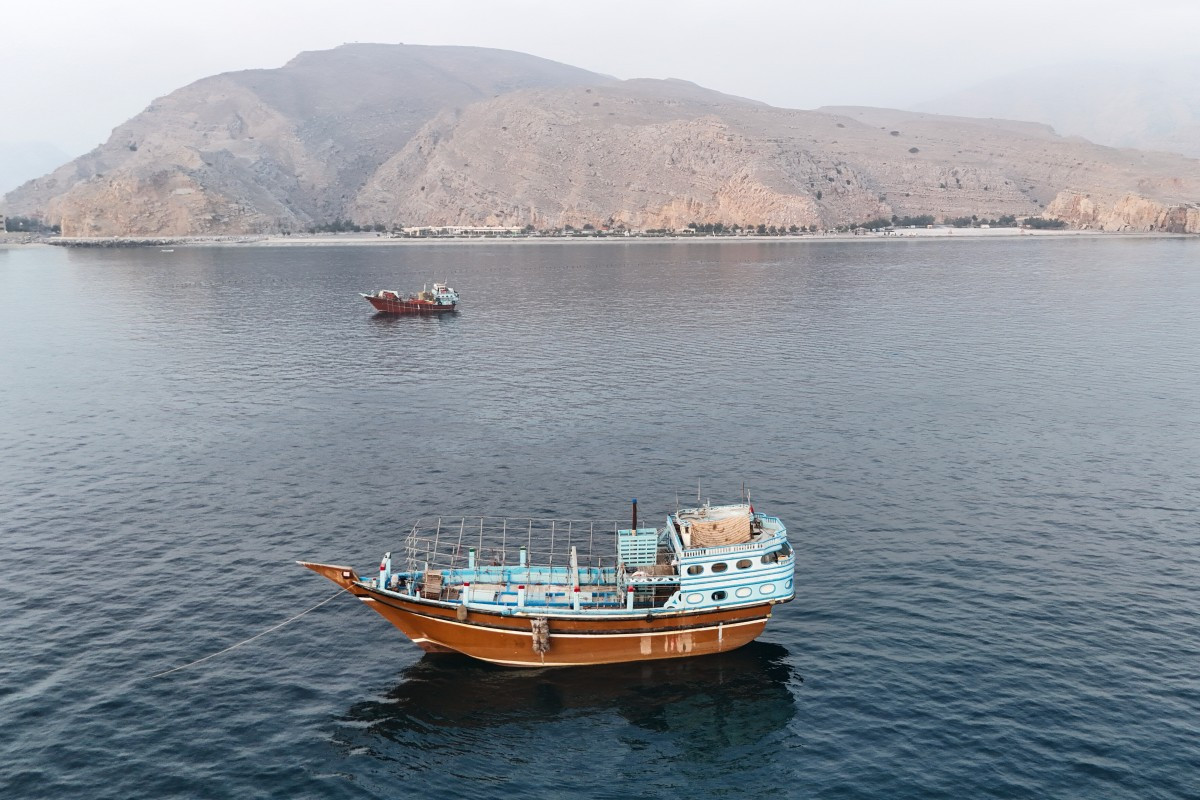
International leaders called for restraint in the fighting between the United States and Iran as hostilities flared up once again, with both sides blaming the other for undermining the memorandum of understanding designed to bring a peaceful solution to the conflict. Secretary-General of the United Nations Antonio Guterres expressed alarm about the renewed military confrontations in the Gulf. "These incidents risk derailing the diplomatic progress achieved between Iran and the United States," Stephane Dujarric, spokesman for the secretary-general, said in a statement."A return to full-scale hostilities would have catastrophic consequences — for the peoples of the region, for international peace and security, and for the global economy," Dujarric said. "The secretary-general urges Iran and the United States to urgently resume negotiations and to address outstanding issues through diplomacy."US President Donald Trump said on Wednesday that the MoU signed with Iran to end the conflict was "over", though he left room to continue diplomatic talks. "It's just a waste of time dealing with them. I'll let our wonderful negotiators keep talking if they want, but I don't see it," he told reporters while in Ankara, Turkiye for a NATO summit. The US blamed Iran for attacks on three commercial vessels passing through the Strait of Hormuz. In response, the US military said it launched "powerful strikes", including against Iranian air defense systems, radar sites and over 60 small military boats, marking the largest US military operation against Iranian assets since the April ceasefire took effect. Tehran's reply came quickly, with the Islamic Revolutionary Guard Corps saying they hit 85 US military facilities in Bahrain and Kuwait. The US military said it was continuing attacks on Wednesday, "to further degrade their ability to threaten freedom of navigation in the Strait of Hormuz", US Central Command posted on X.Iran's Parliament Speaker Mohammad Baqer Qalibaf described the US attacks as "major violations" of the MoU. "The era of bullying and extortion is over," Qalibaf wrote on X. "It leads nowhere. We don't fold."Earlier, Iranian Foreign Minister Seyed Abbas Araghchi said negotiations on a final agreement with the US "will not commence" if threats continue. China called on both sides to fully implement the signed MoU, resolve disputes through dialogue and negotiations, and refrain from resorting to force. "We are closely monitoring the latest developments. A renewed conflict serves no party's interests and military measures cannot resolve fundamental issues," Foreign Ministry spokeswoman Mao Ning said. In the memorandum of understanding, signed in Switzerland last month, Washington and Tehran created a political framework for de-escalation and committed to negotiate a final agreement within 60 days. The MoU said that Iran would not pursue nuclear weapons and would accept international supervision over its enriched material stockpile. The US, in turn, promised sanctions relief, economic engagement and a gradual rollback of military pressure.The exchange of fire "further complicates already fraught talks to end the war", the European Union's top diplomat Kaja Kallas said on Wednesday on X, adding that EU foreign ministers would talk with their Gulf counterparts on Monday about how to "preserve freedom of navigation" in the Strait of Hormuz and the Red Sea. The US also revoked a sanctions waiver that temporarily allowed Iran to export limited amounts of oil.Global oil prices surged nearly 6 percent immediately after Trump's remarks, with Brent crude climbing above $78 per barrel. Crude benchmarks had cooled off recently, falling from peaks above $100 a barrel to levels seen before the conflict began in late February. Though some shipping has resumed through the strait, with a reported 36 ships having transited on Monday, that is still down significantly from the more than 100 vessels doing so daily before the conflict.