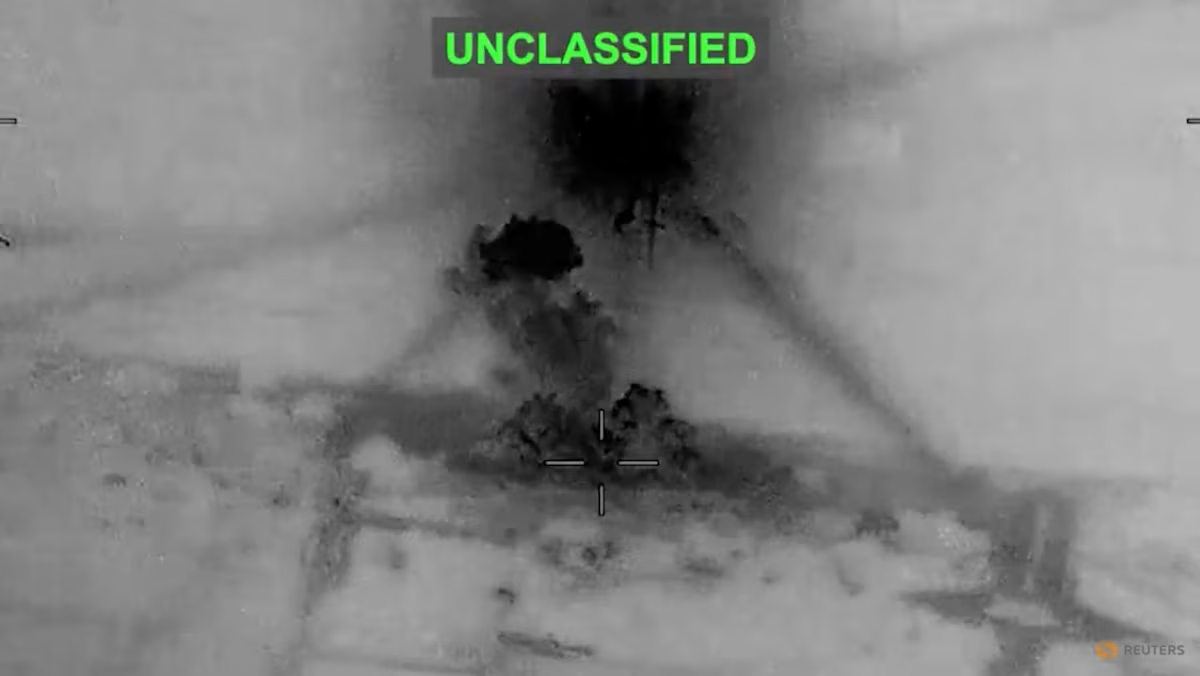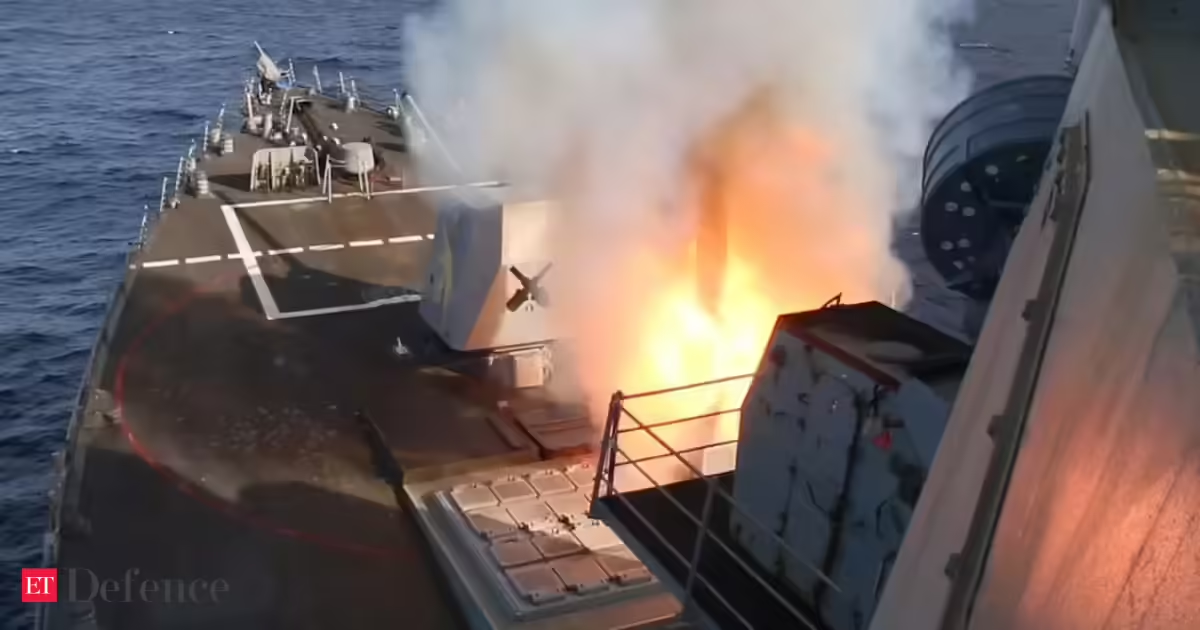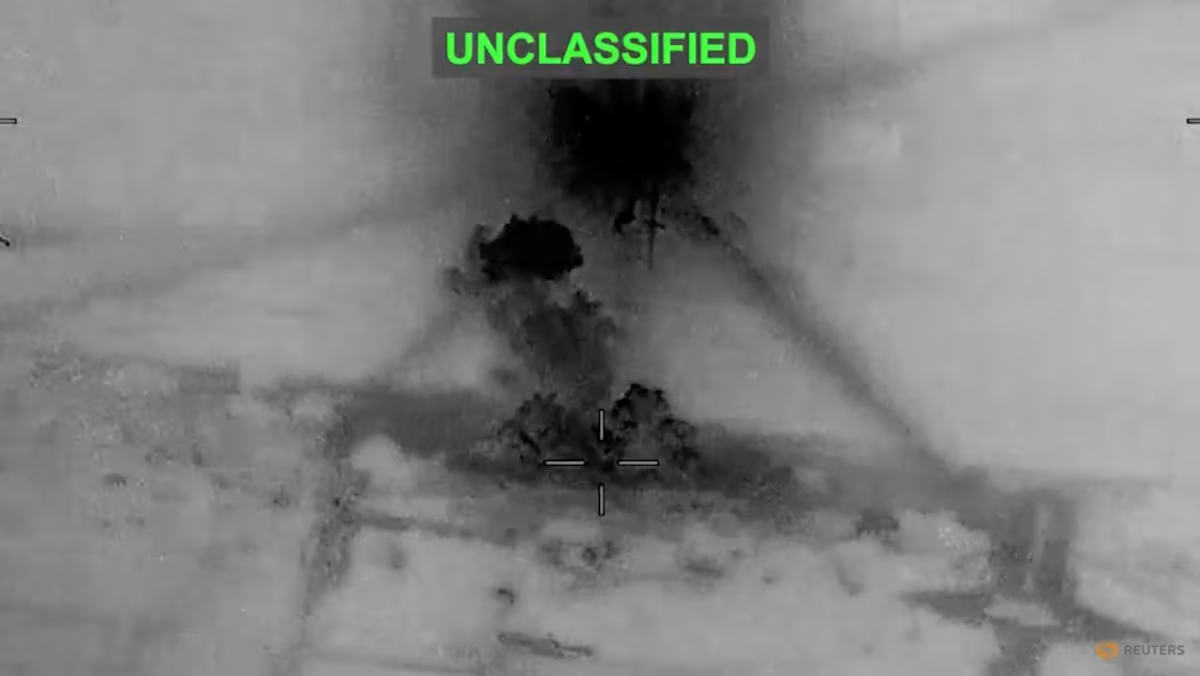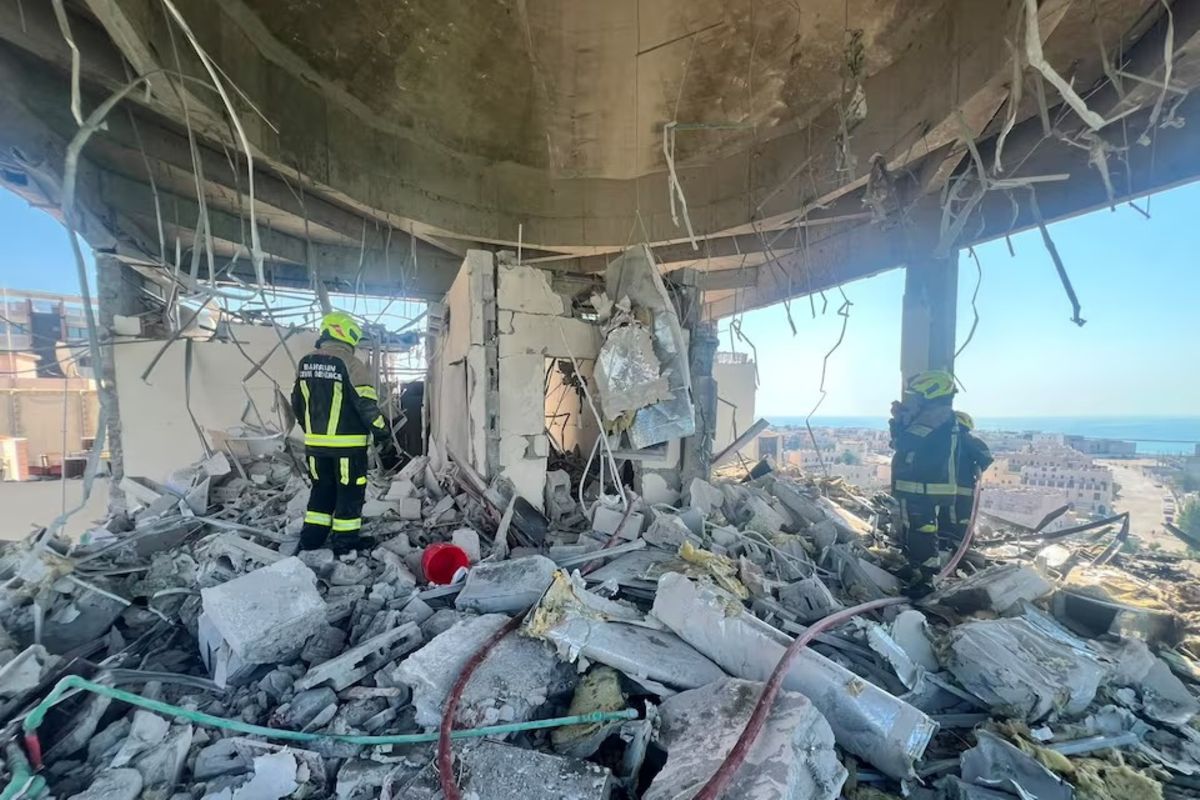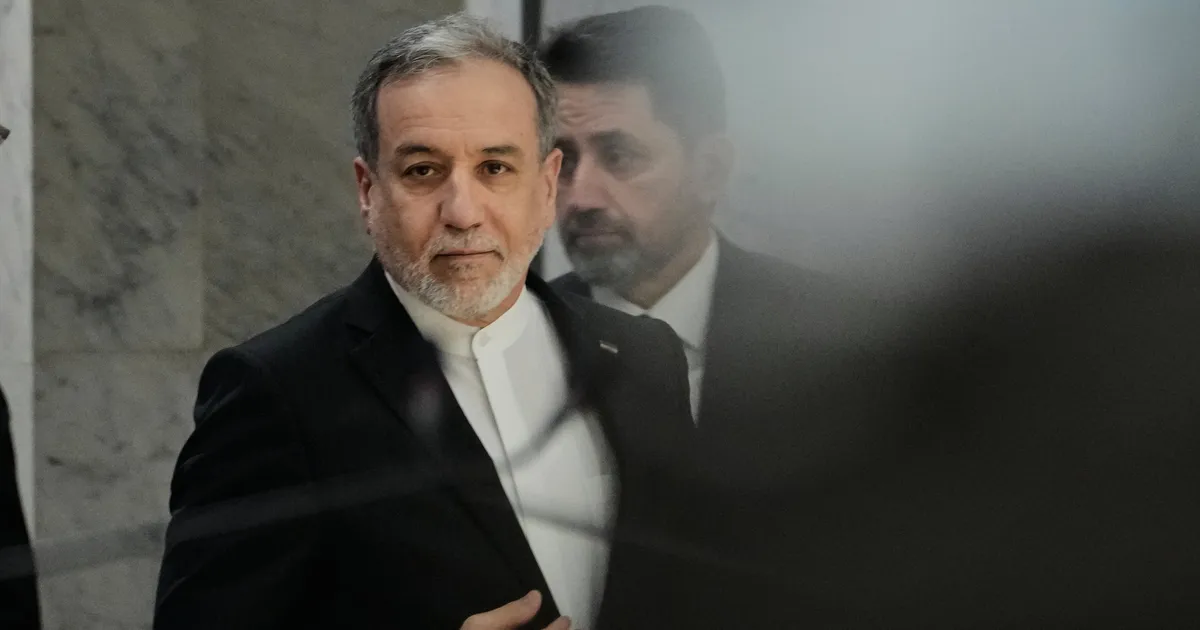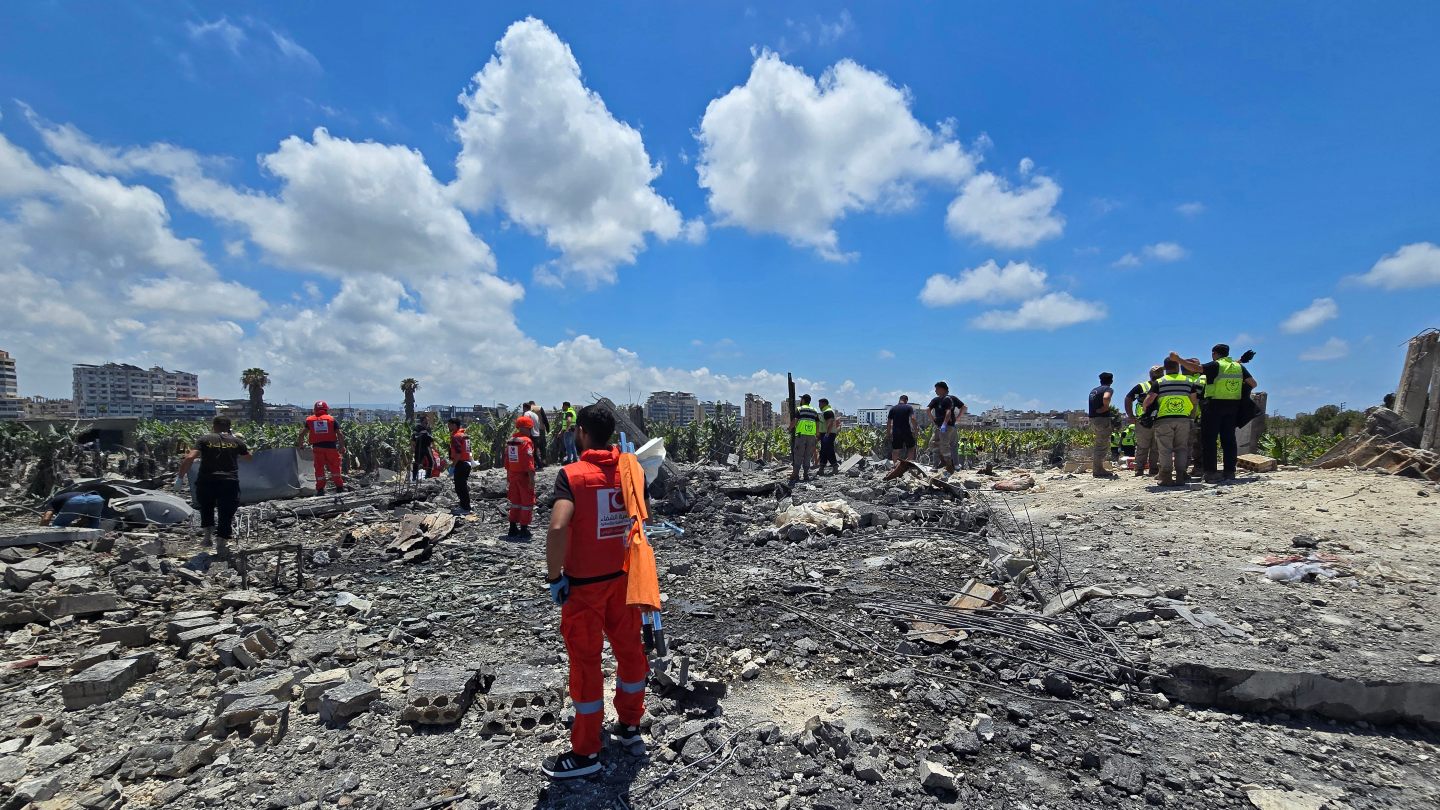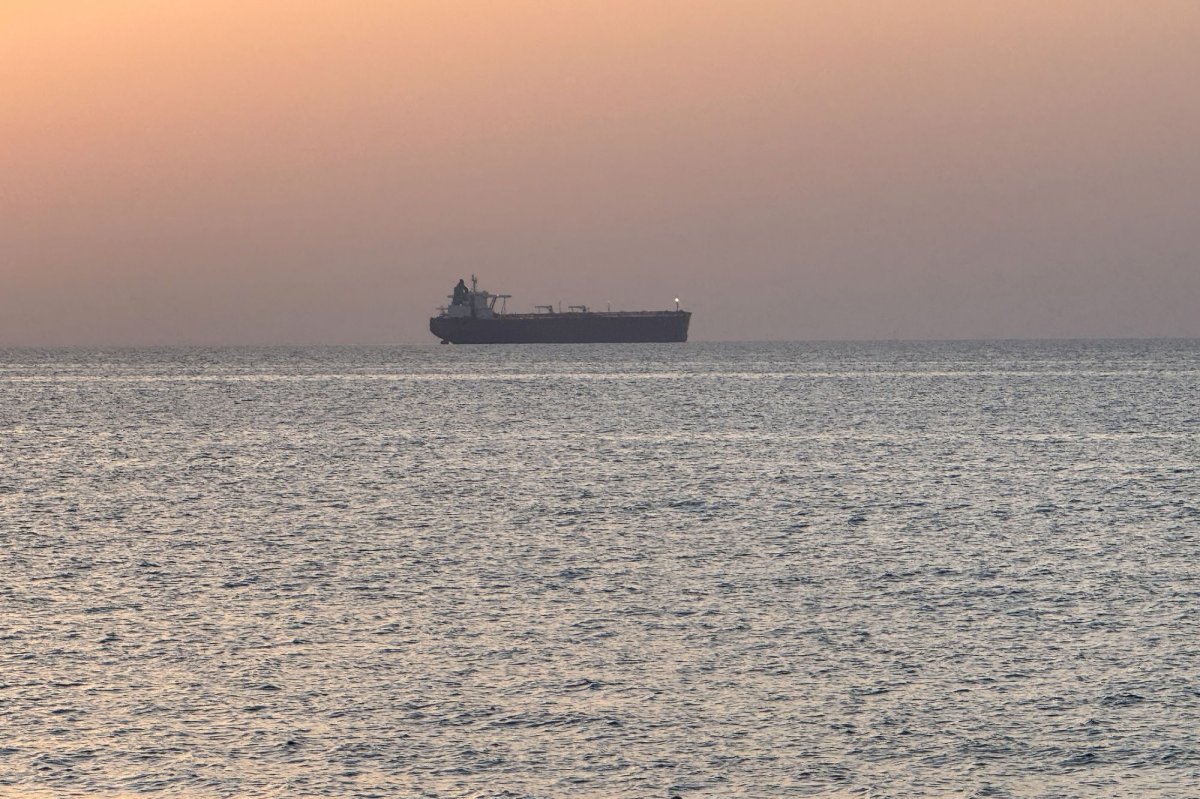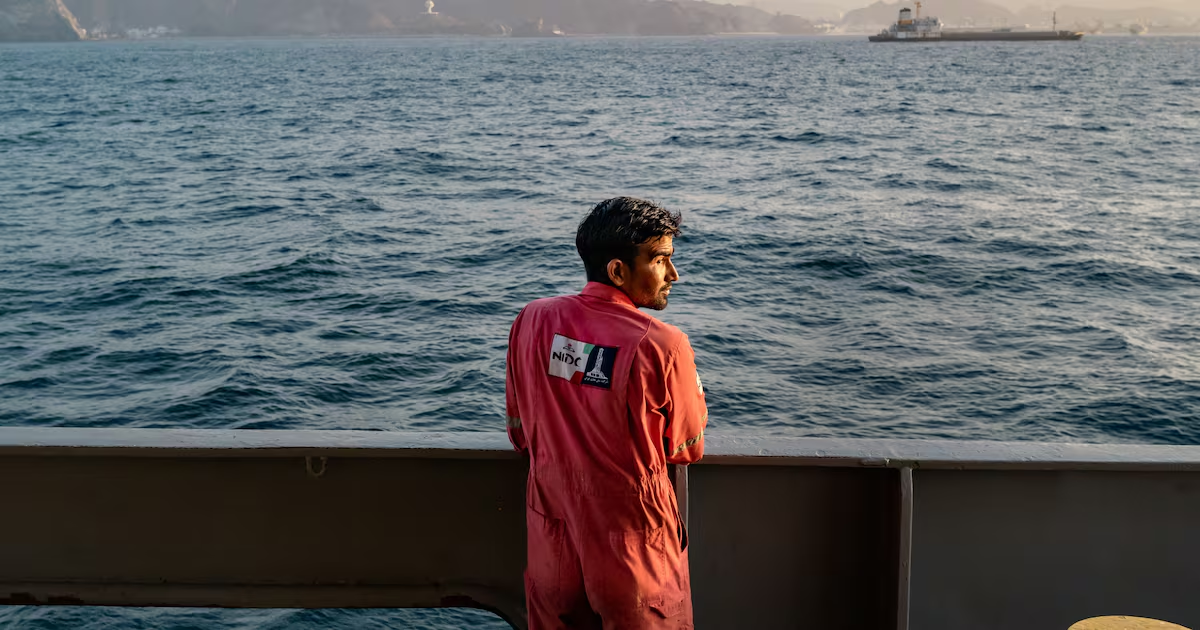
The US and Iran have agreed to halt attacks for now, allow shipping through the Strait of Hormuz and proceed with talks, signalling a return to diplomacy after days of escalating military exchanges.The latest flare-up came after Iran's Islamic Revolutionary Guard Corps warned on Thursday that only Tehran-approved routes were valid for commercial shipping through the strait, in defiance of a UN-backed plan to establish a safe corridor that hugs the Omani coast.An Iranian projectile struck a cargo vessel later that day, prompting renewed US military action against the Islamic republic. Tehran retaliated by launching missiles and drones at US military sites in Kuwait and Bahrain on Sunday.Bahrain reported damage to a residential building but no deaths and Kuwait said it intercepted two ballistic missiles. A US official said there were no reported American casualties or major damage.A US official quoted by Reuters said Iran and the US would "stand down for now" while vessels would be allowed to move freely through the strait. It added, citing an unnamed source, that technical teams working on the implementation of a memorandum of understanding signed on July 17 were set to meet in Doha in the coming days, with mediators establishing communications channels to de-escalate any incidents.The US and Iran held talks in the Swiss resort of Burgenstock last week. ReutersInfoThe move revives diplomatic efforts that had appeared close to collapse after several days of strikes and counterstrikes across the Gulf, with Washington and Tehran accusing each other of violating an interim ceasefire.Before reports emerged that talks would resume, President Donald Trump said the US may be forced to "complete the job" militarily, warning Iran would "no longer exist" if diplomacy failed.The June 17 memorandum was designed to halt fighting, reopen the Strait of Hormuz to commercial shipping and create a 60-day window for technical negotiations on issues including Iran's nuclear programme.Those technical talks had been expected to resume in Switzerland at the weekend but were derailed by the latest exchange of fire between Washington and Tehran, The Wall Street Journal reported. No formal negotiating round had been confirmed before the latest breakthrough.QuoteOur goal is to end the war in Lebanon, return the refugees to their homes, end the occupation and secure the withdrawal of the Zionist regime from Lebanese territoryIranian Parliamentary Speaker Mohammad Bagher GhalibafDespite the renewed diplomatic push, violence continued elsewhere in the region as Israel said it struck Hezbollah infrastructure in southern Lebanon for a second consecutive day, as Iran insisted stability in Lebanon remained essential to the broader agreement.Iranian Parliament Speaker Mohammad Bagher Ghalibaf said Tehran was "seriously pursuing" efforts to end the war in Lebanon, describing the issue as a key part of last week's US-Iran negotiations in Switzerland and the preliminary agreement reached in Islamabad.Mr Ghalibaf said Iran, the US and Lebanon had agreed to establish a conflict-control unit to oversee implementation of the agreement and called for it to convene as soon as possible."Our goal is to end the war in Lebanon, return the refugees to their homes, end the occupation and secure the withdrawal of the Zionist regime from Lebanese territory," he said, quoted by Iranian media outlets.Play00:37US releases video of purported strikes on IranIran and Oman have conducted the first meeting of a joint committee on the Strait of Hormuz in Muscat, an Iranian deputy foreign minister said on his X account on Monday.Elsewhere, Ali Akbar Velayati, a senior adviser to Iran's supreme leader, reaffirmed Tehran's backing for Hezbollah, calling the group "the pillar of Lebanon's independence" and "the true guardian of Lebanon's existence and independence", in a post on X.The renewed diplomatic track offers the strongest indication in days that Washington and Tehran are attempting to preserve their fragile interim agreement, although the absence of Iranian confirmation and continued regional tensions leave its durability uncertain.The Strait of Hormuz is a sticking point, with Iran and Oman holding the first meeting of a joint committee about the managing waterway in Muscat, an Iranian deputy foreign minster said on X.Kazem Gharibabadi said they had exchanged views on Gulf coastal states' sovereign rights as well as on the strait's future management based on the interim deal signed this month by Tehran and Washington.
Iran and US agree to halt attacks and engage in talks | The National
Flare-up saw Iran attack commercial vessels, US strikes on military positions and Iran strike Bahrain and Kuwait in response
698 words~3 min read