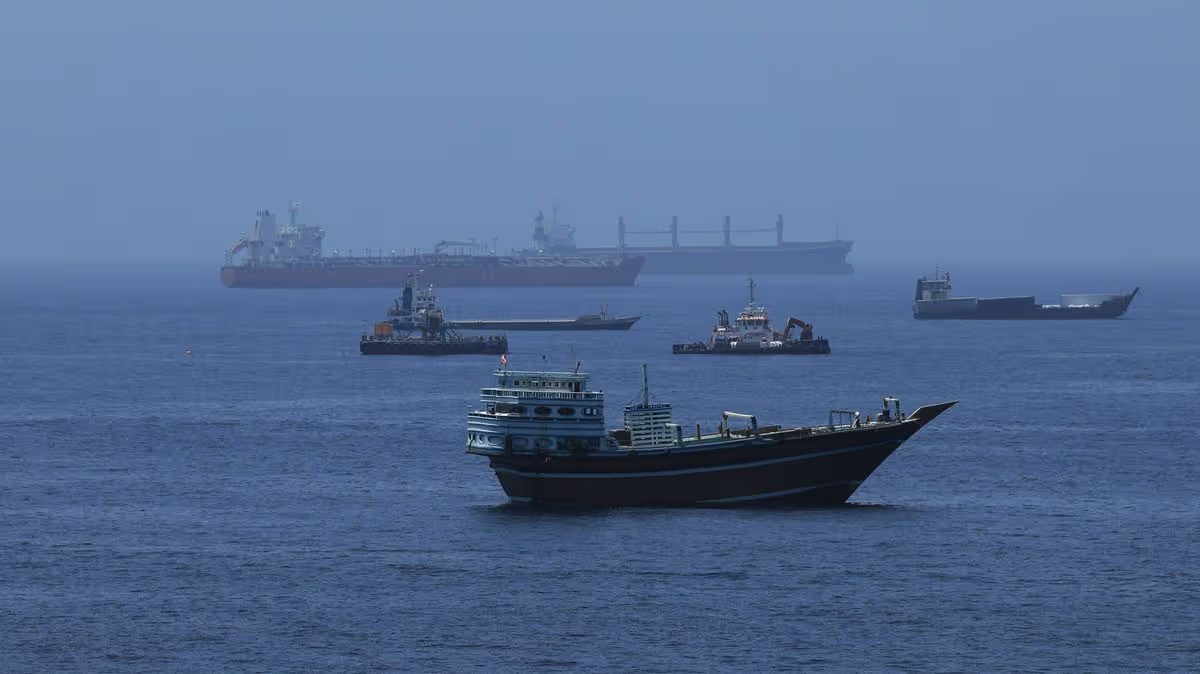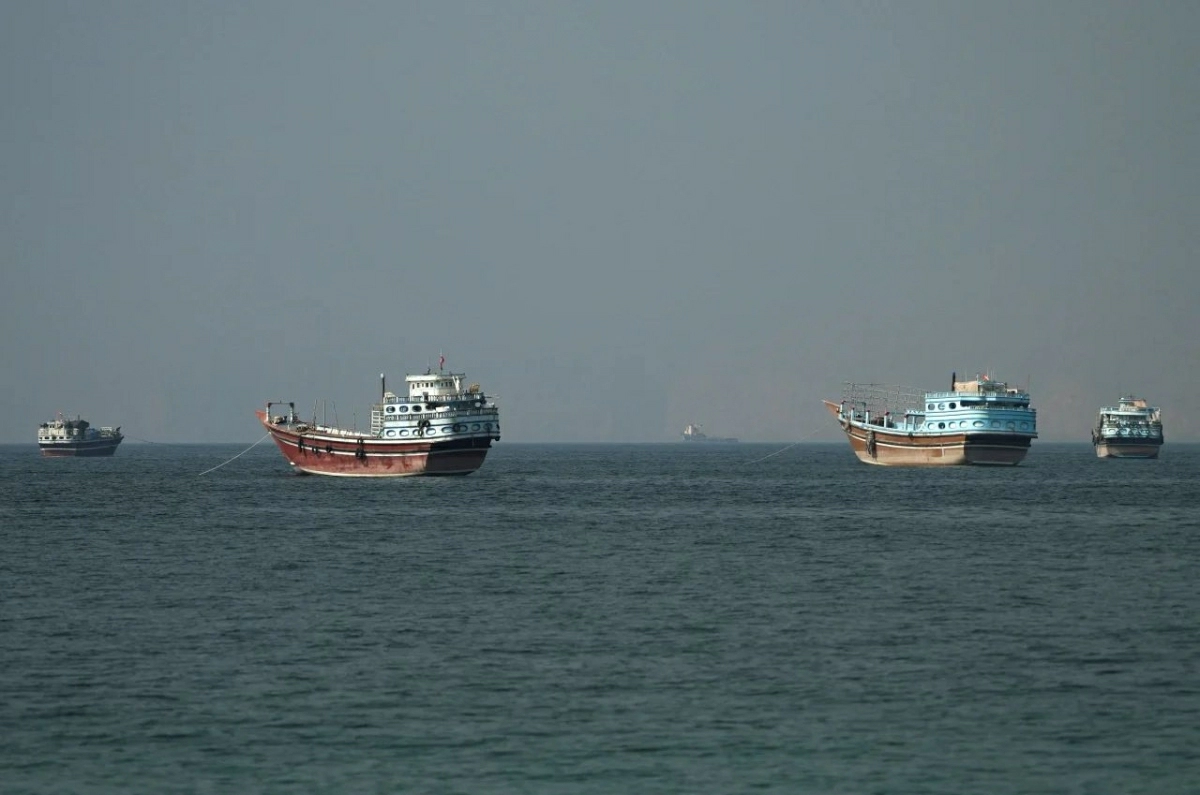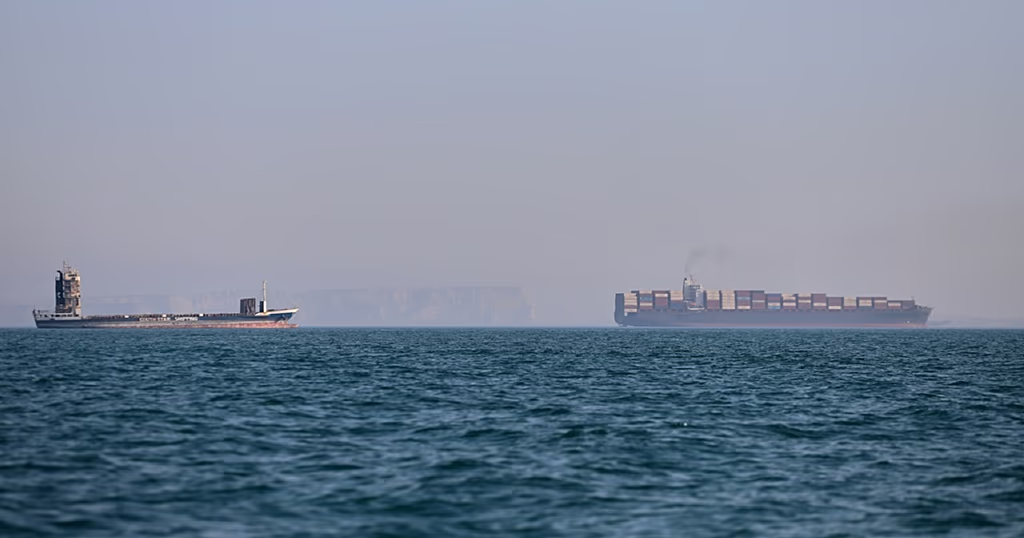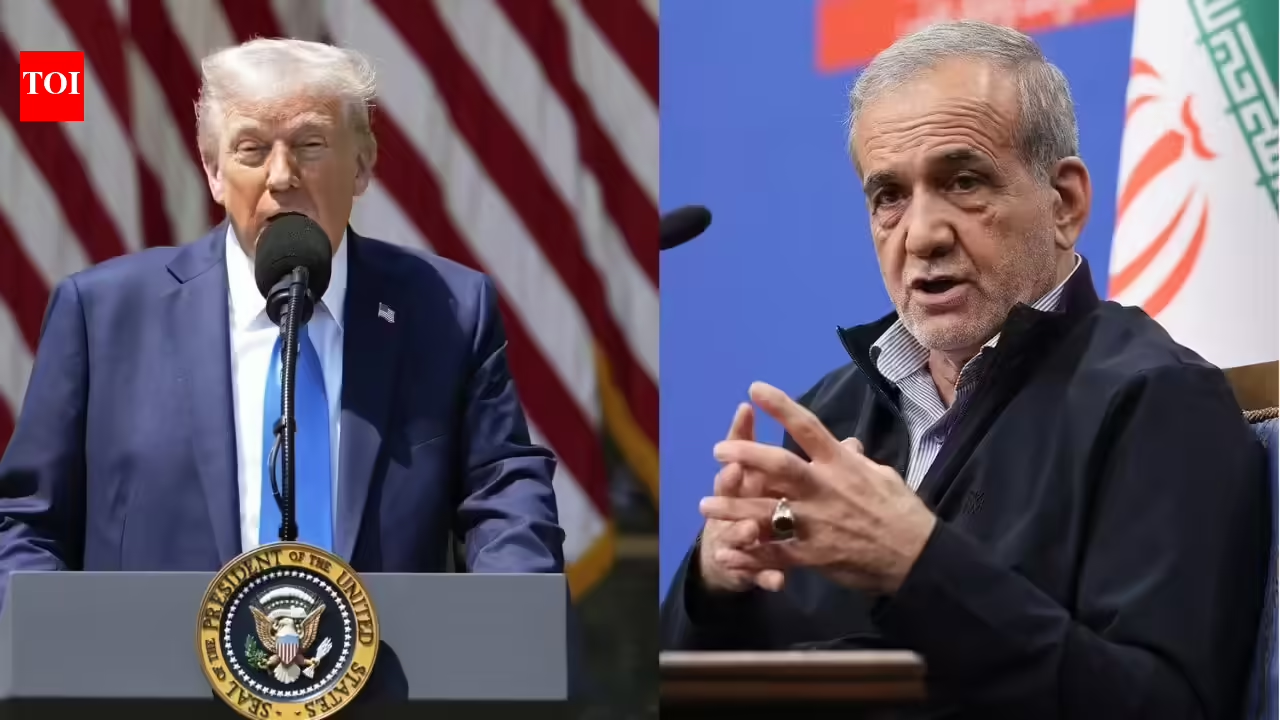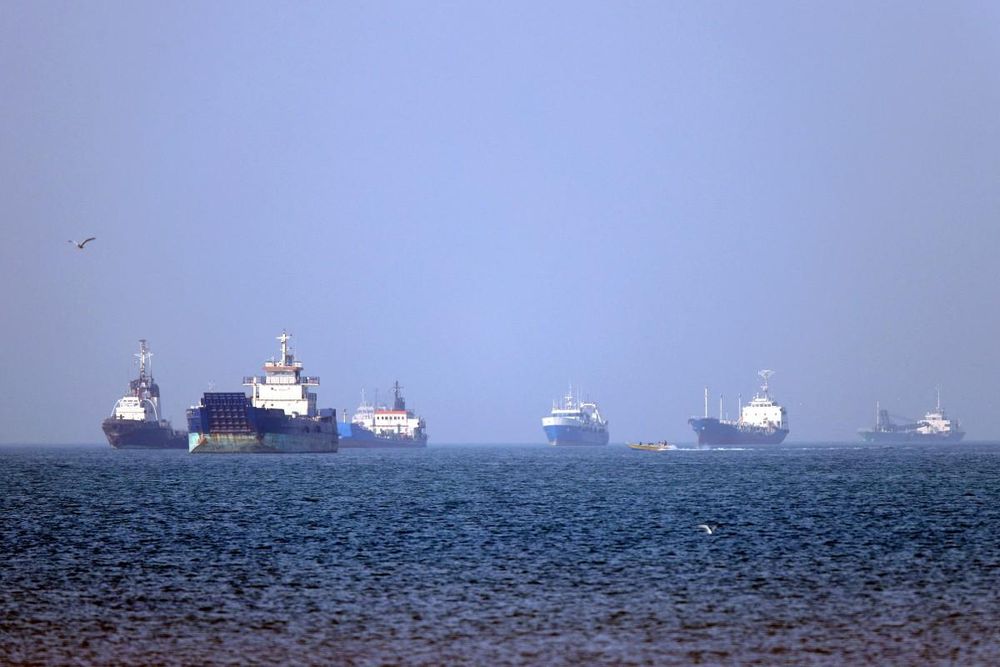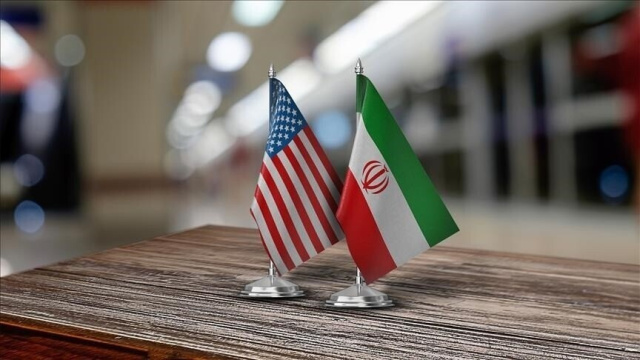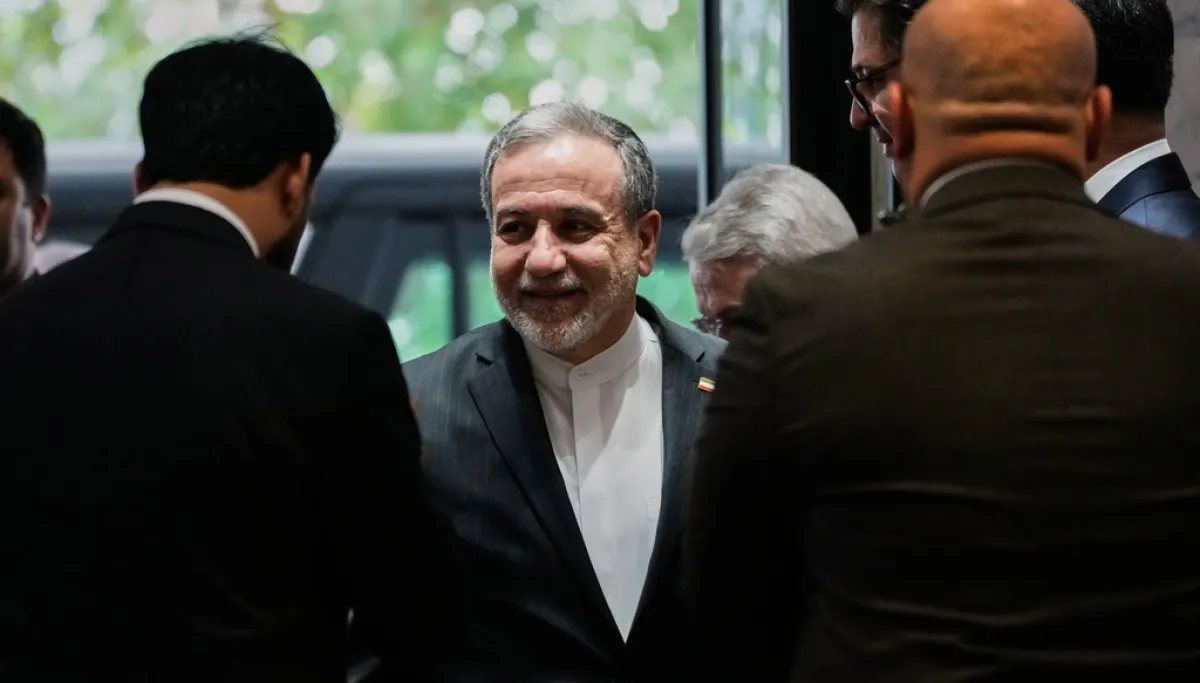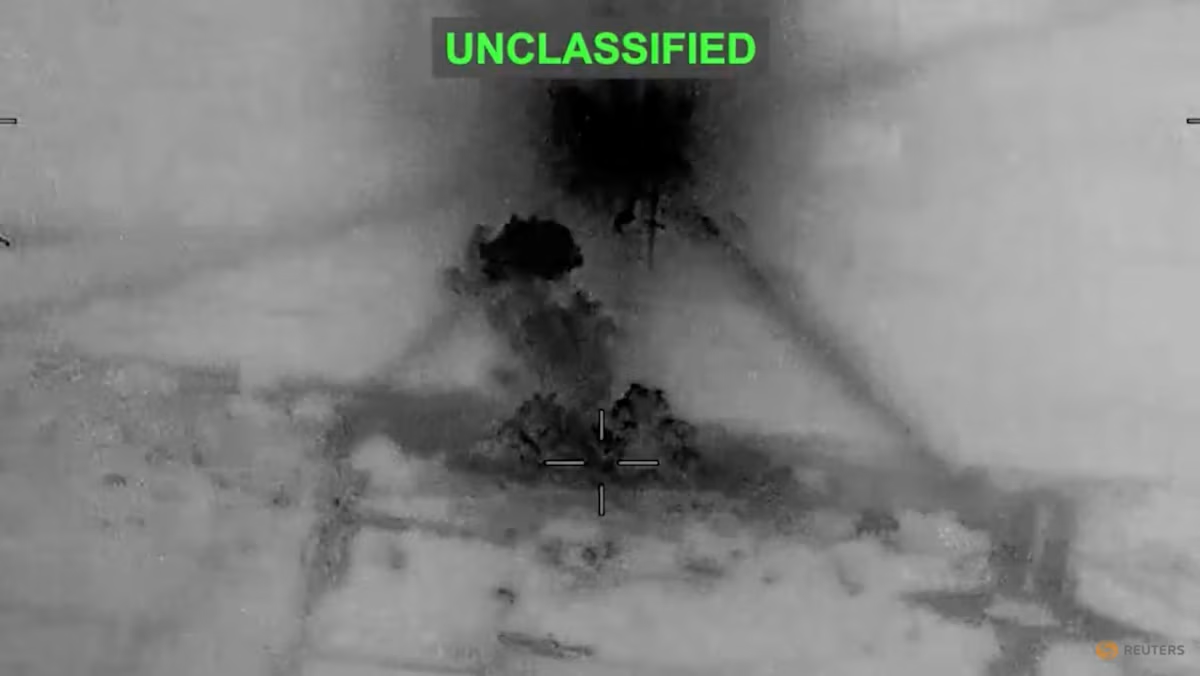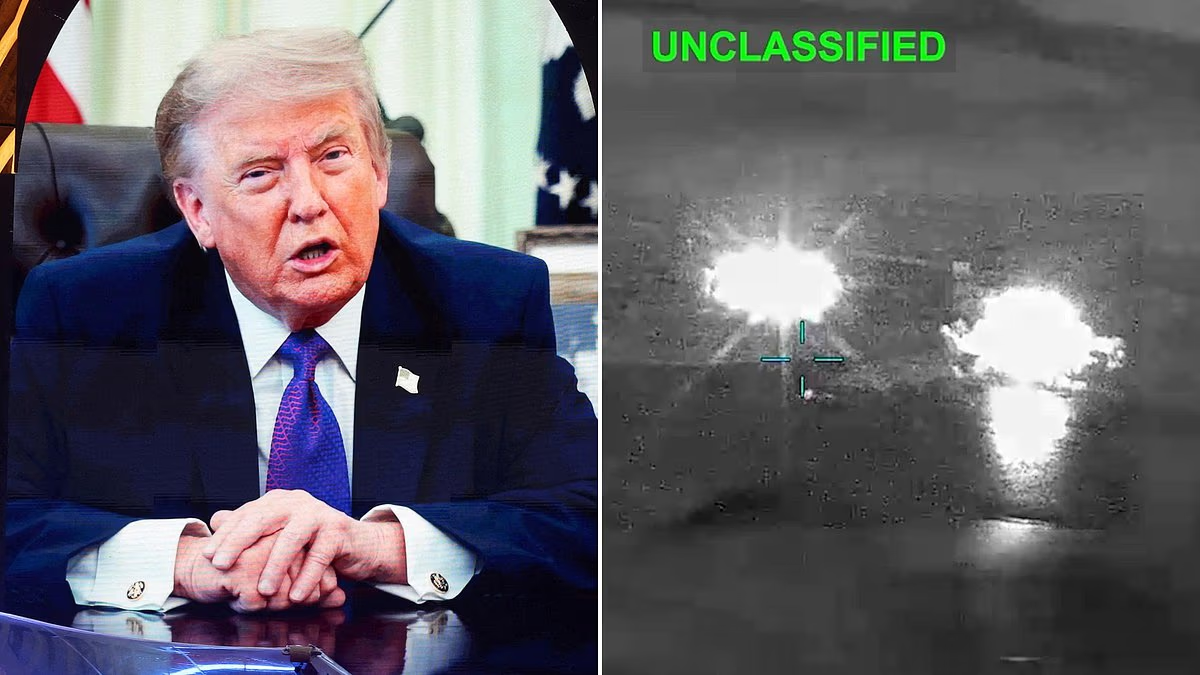
The United States and Iran have agreed to 'stand down for now' after a dangerous weekend of missile strikes, drone attacks and military retaliation pushed an already fragile ceasefire to the brink of collapse.After days of escalating exchanges around the strategically vital Strait of Hormuz, officials said both Washington and Tehran are expected to halt further military action for the time being.It raised hopes that diplomacy could prevent the latest Middle East crisis from spiraling into a wider conflict.A Trump administration official told CNN on Sunday that both countries had agreed to pause hostilities, saying: 'Both sides will stand down for now and vessels can move freely.'Iran has not publicly confirmed that it has accepted the arrangement, leaving uncertainty over whether the uneasy calm will hold.According to another US official, American and Iranian representatives are now expected to meet in Doha, Qatar, on Tuesday in an attempt to keep negotiations alive following one of the most dangerous flare-ups since the two countries signed their memorandum of understanding earlier this month.The latest violence has severely tested that agreement, which was intended to freeze hostilities while negotiators worked toward a broader settlement over a 60-day period.Earlier on Sunday, a senior US administration official insisted diplomatic efforts remained intact despite the military exchanges. The US and Iran have agreed to 'stand down for now' after exchanging military strikes over the weekendOver the weekend, the US struck multiple military targets inside Iran in retaliation for an attack on an oil tanker in the Strait of Hormuz, further straining the fragile ceasefire US officials said vessels can continue moving freely through the Strait of Hormuz. Pictured, Qeshm Island (file)'Nothing has been canceled. Technical talks regarding the implementation of MoU are on track for the coming days as planned, and deconfliction channels are up and running after the Lake Lucerne Summit,' the official told CNN, referring to recent talks in Switzerland led on the American side by Vice President JD Vance. The MoU laid out a framework for reopening the Strait of Hormuz, easing certain financial restrictions on Iran and launching technical negotiations over Tehran's nuclear program.Those discussions are now proceeding under the shadow of fresh military confrontation.President Donald Trump warned that the US was prepared to carry out additional military action if Iranian attacks continued, while Iran responded by warning that any further ceasefire violations would 'result in the complete halt of all diplomatic processes.'Despite the latest threats, US officials have sought to project confidence about America's military position.A US official told CNN that Iran's latest wave of drone and missile attacks failed to inflict any damage on American forces or facilities in the region.According to the official, 'All drones and missiles launched by Iran were shot down, intercepted, or failed to reach their intended targets.'The official added that there were no American injuries and no impacts on US locations.'To be clear, Iran failed,' the official said. Iran has not publicly confirmed it agrees with the US assessment that both sides will stand down. Pictured, a billboard with an image which depicts Iran's late Supreme Leader Ayatollah Ali Khamenei embracing late senior Iranian military commander General Qassem Soleimani, in Tehran, Iran, on Sunday The latest exchange of fire threatened shipping through the Strait of Hormuz, although US officials said vessels can now move freely under the temporary stand-down agreement President Trump made a threat towards Iran on his Truth Social on Saturday evening Iran's Islamic Revolutionary Guard Corps said it had launched attacks against US military sites in neighboring countries, including Kuwait and Bahrain, after American strikes targeted Iranian sites over the weekend.Those attacks marked the latest chapter in a series of military exchanges that have unfolded over recent days, repeatedly threatening to derail the diplomatic process before it has had a chance to gain momentum.While the Trump administration now says both sides will 'stand down for now,' it remains unclear how long the pause will last or whether Tehran shares Washington's assessment.For now, officials say commercial vessels should be able to move freely through the Strait of Hormuz, one of the world's most strategically important shipping lanes, although conditions on the water have yet to fully reflect the diplomatic breakthrough. The US said all Iranian drones and missiles were intercepted, shot down, or failed to reach their intended targets. Pictured, smoke and fire rise from a missile strike in Tehran in MarchThe broader negotiations also face additional pressure from events elsewhere in the region.Iran has maintained that any permanent agreement with the United States must also include the complete withdrawal of Israeli forces from Lebanon, where continued fighting involving Hezbollah has added another layer of complexity to already delicate peace efforts.With negotiators preparing to reconvene in Qatar this week, the coming days could determine whether the latest ceasefire survives or whether the weekend's exchange of fire becomes simply a pause before another round of confrontation.
US and Iran 'to stand down' when strikes threatened to break ceasefire
Washington said ships can once again move freely through the Strait of Hormuz and confirmed technical talks with Tehran remain on track ahead of planned discussions in Qatar.
811 words~4 min read