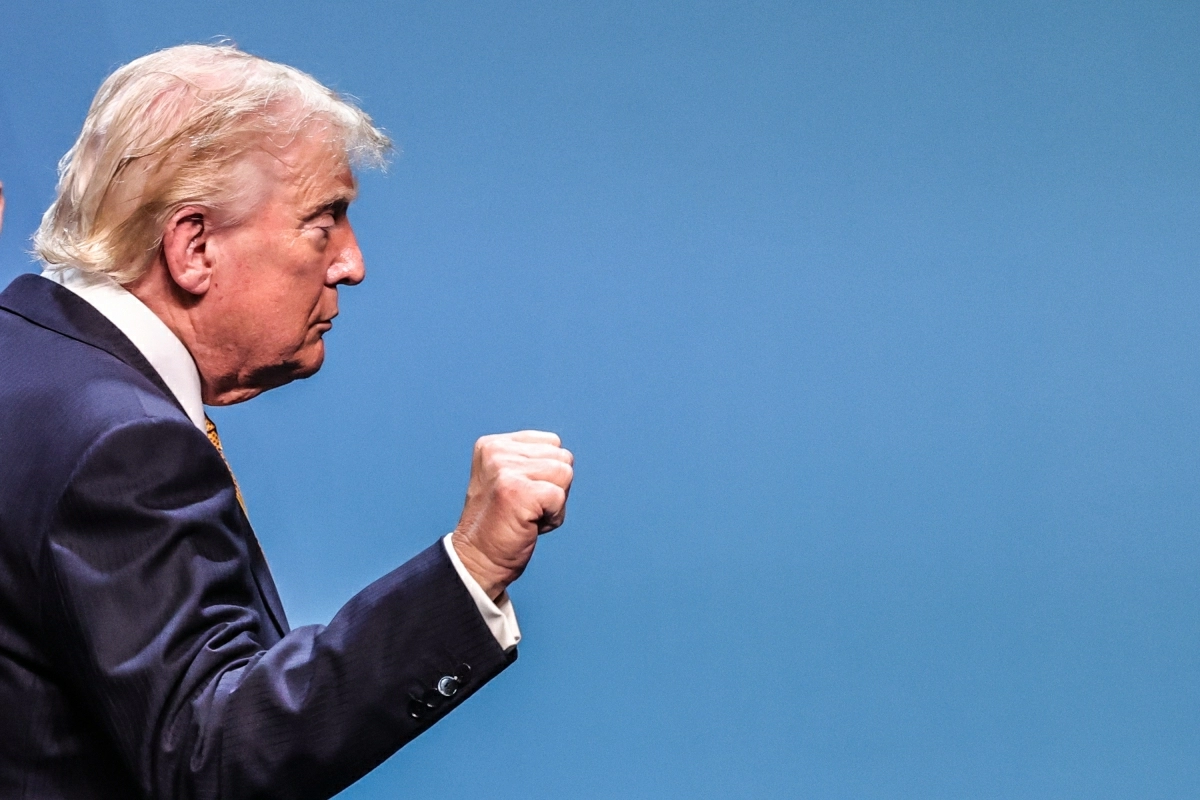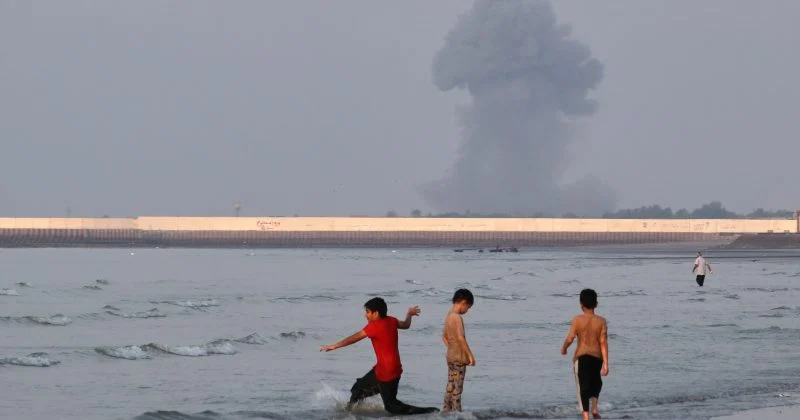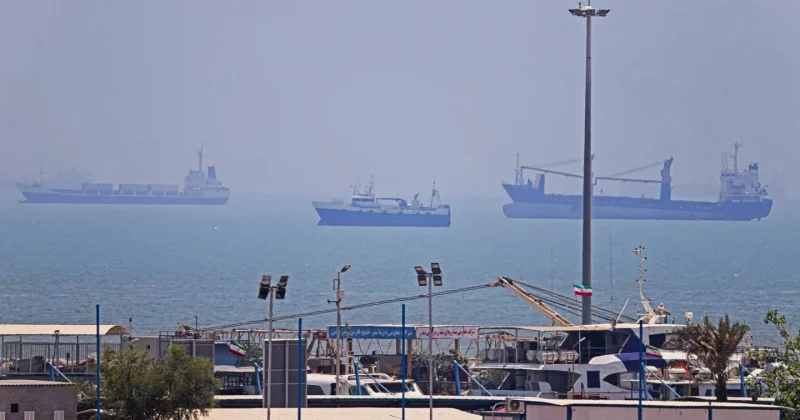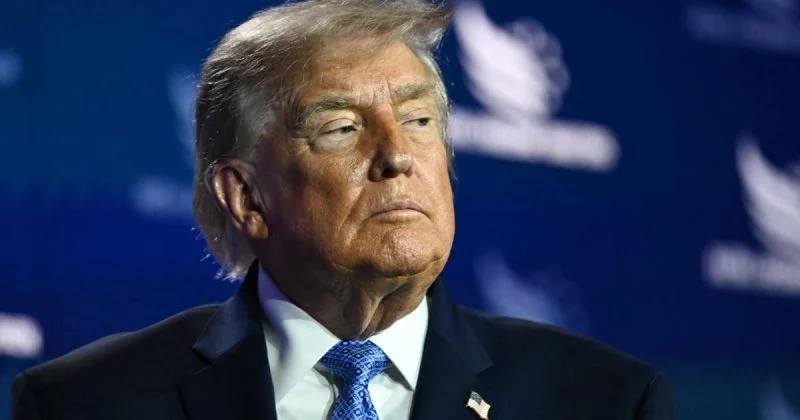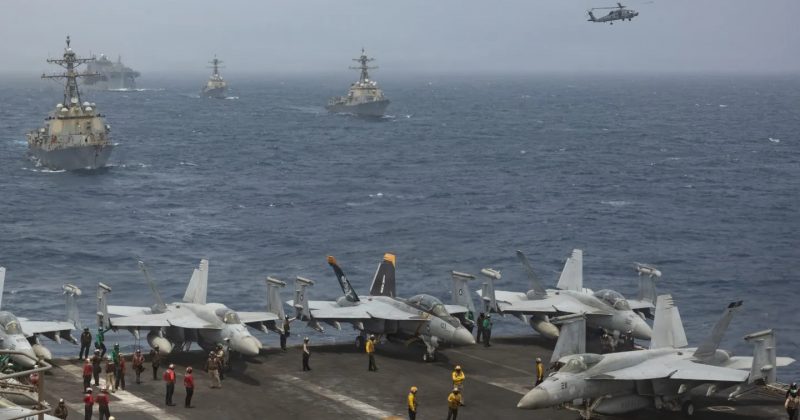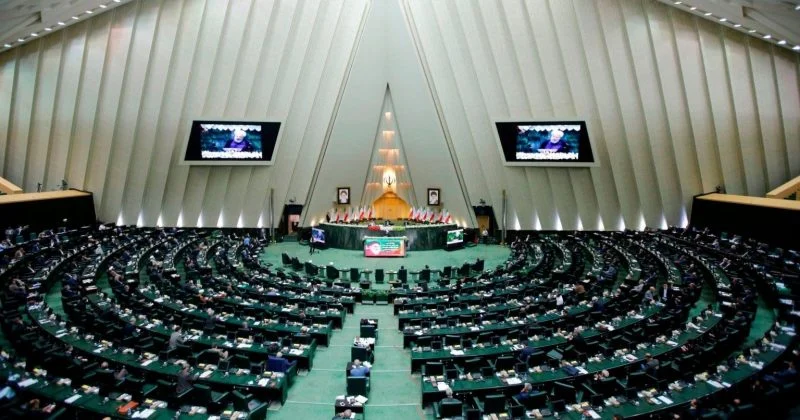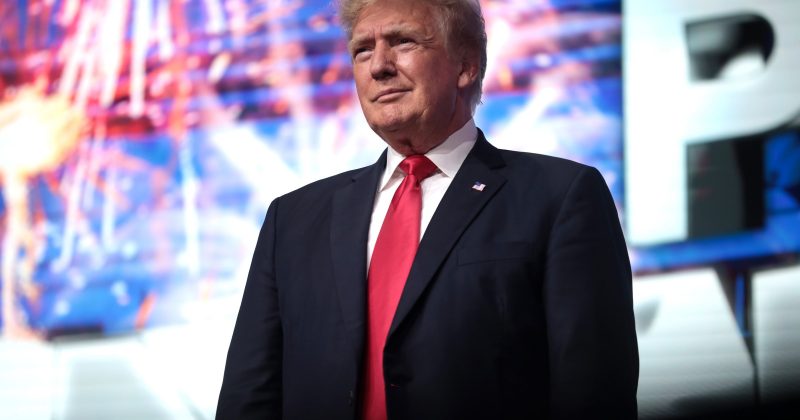
Tensions between Tehran and Washington have intensified, with recent threats exchanged between U.S. President Donald Trump and Iranian Supreme Leader Ayatollah Ali Khamenei. This follows Trump’s declaration on July 8, 2026, that a previous agreement was “terminated,” raising the specter of renewed military conflict. The situation is further complicated by recent U.S. military actions, including a nighttime assault on targets in the Strait of Hormuz and the blockade of Iranian ports. These developments occur as regional mediators strive to restart talks amidst the ongoing disputes over the crucial maritime passage.
In light of these escalating tensions, pricing surrounding the Strait of Hormuz appears to reflect a growing expectation of continued disruption. Current pricing suggests that the likelihood of traffic normalization in the Strait by August 31 has decreased, with the probability of a YES outcome dropping from 36% a week ago to 22.5%. The potential for military escalation seems to be a significant factor driving this sentiment.
Meanwhile, the prospect of a diplomatic meeting between the U.S. and Iran in the UAE by September 30 remains exceedingly low, with pricing at just 0.5% for a YES outcome. This suggests skepticism among market participants about the feasibility of hosting talks in the UAE under the current geopolitical climate.