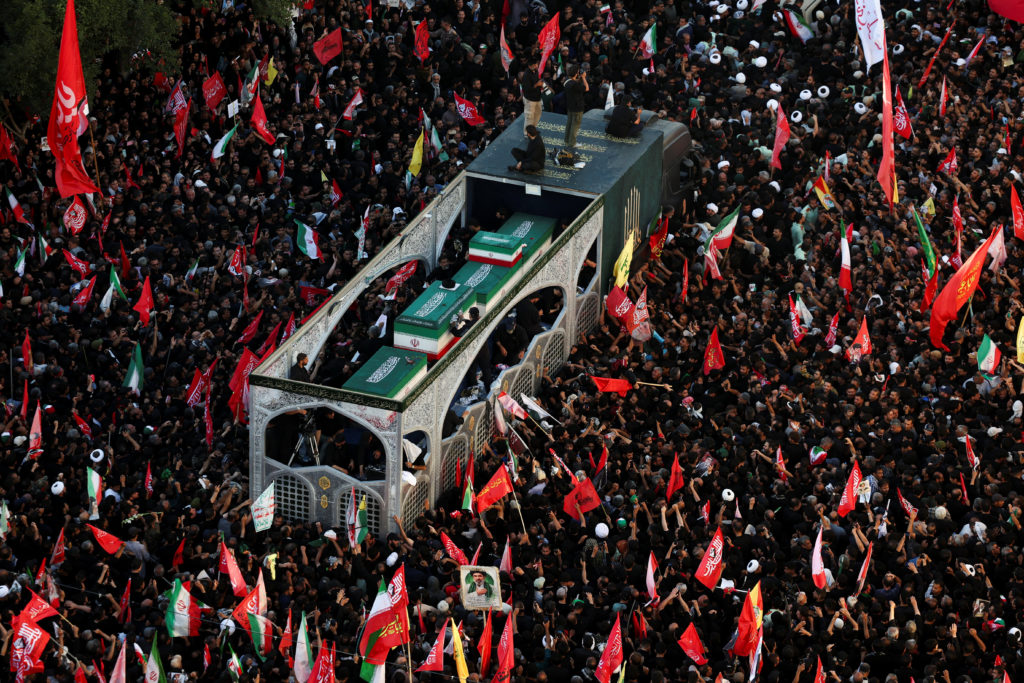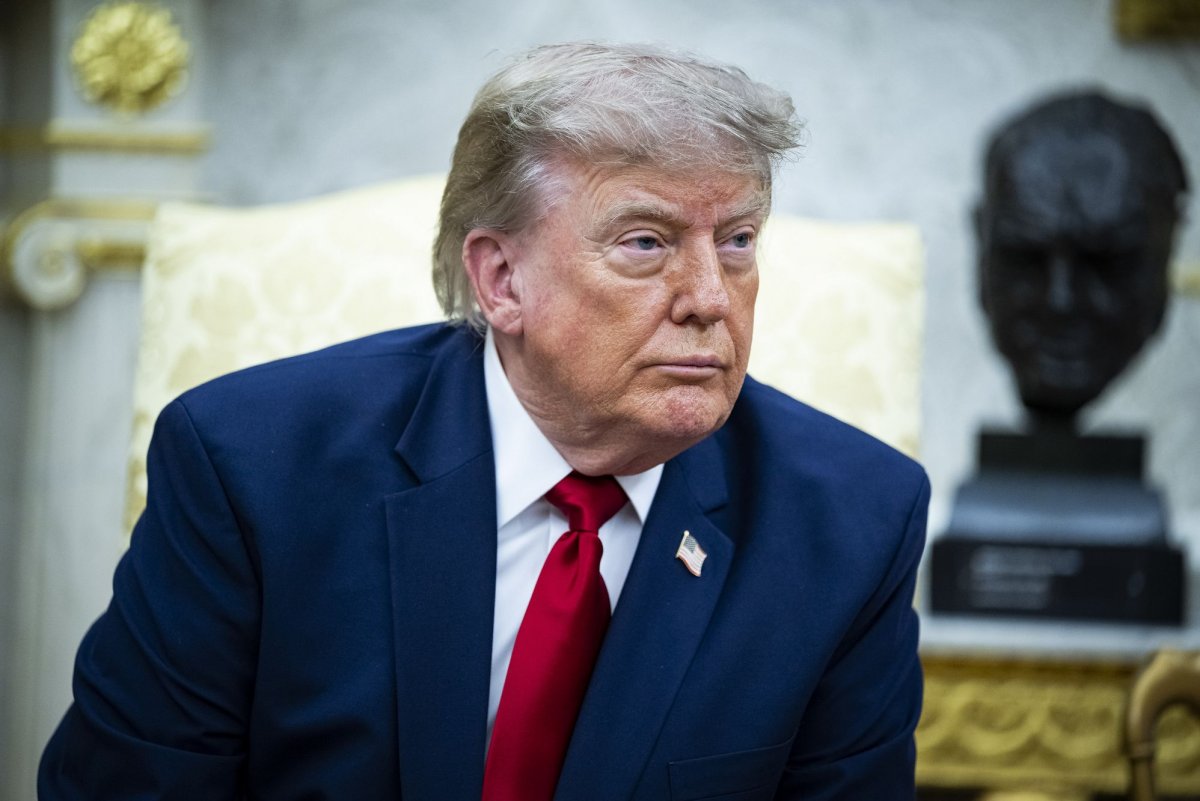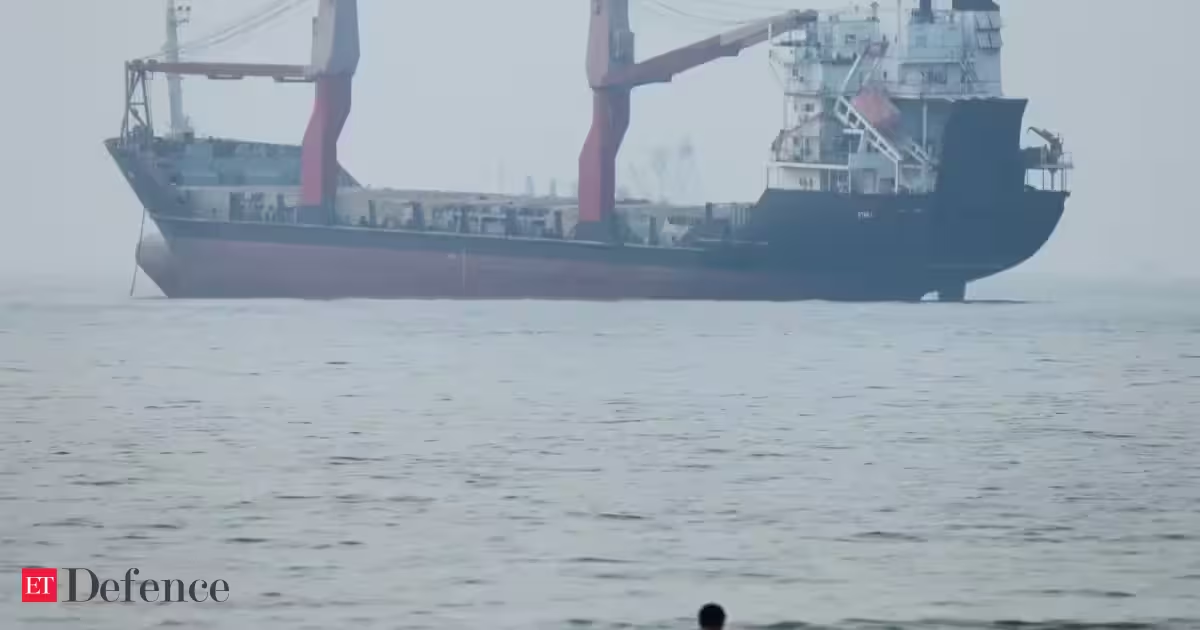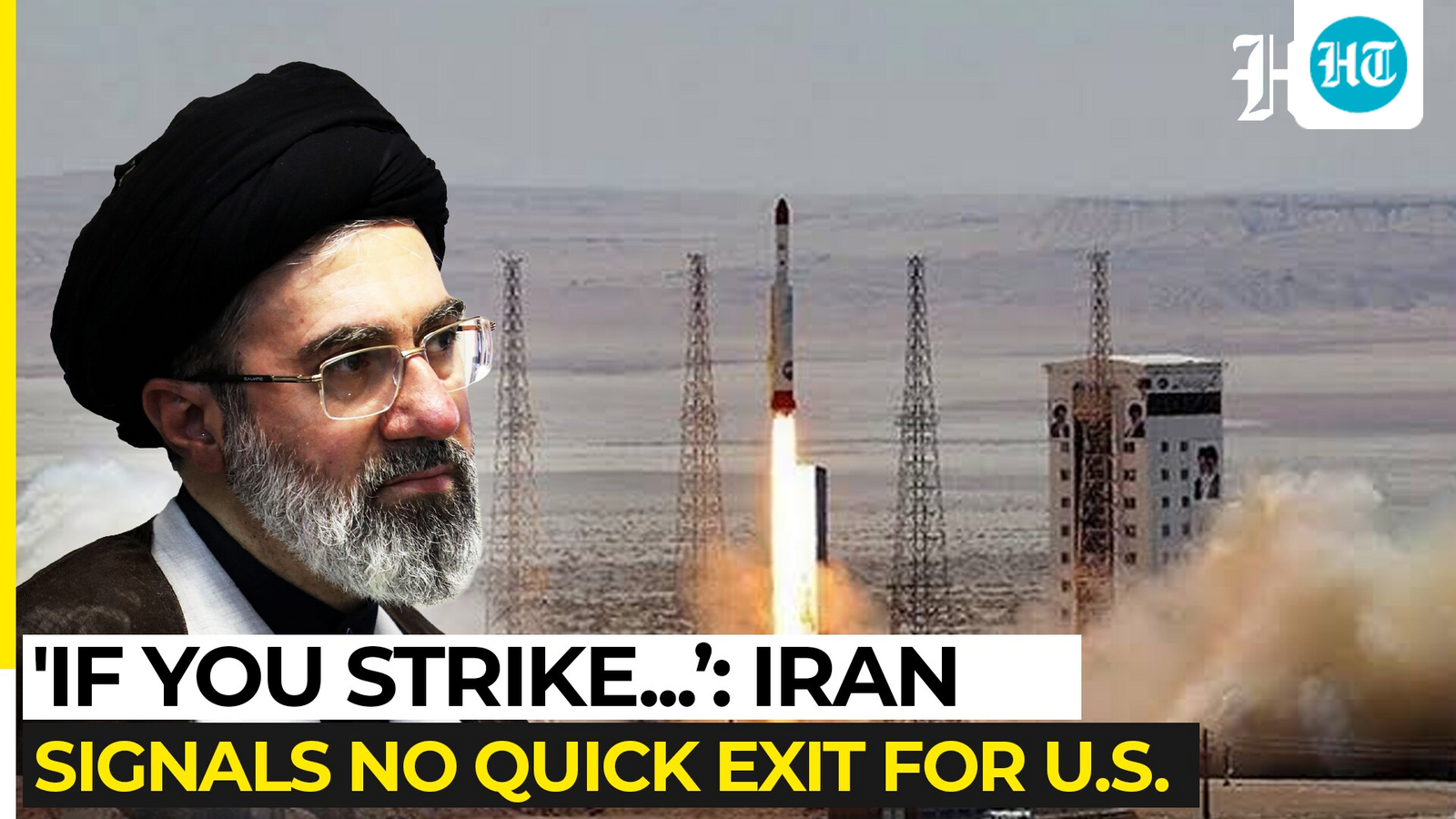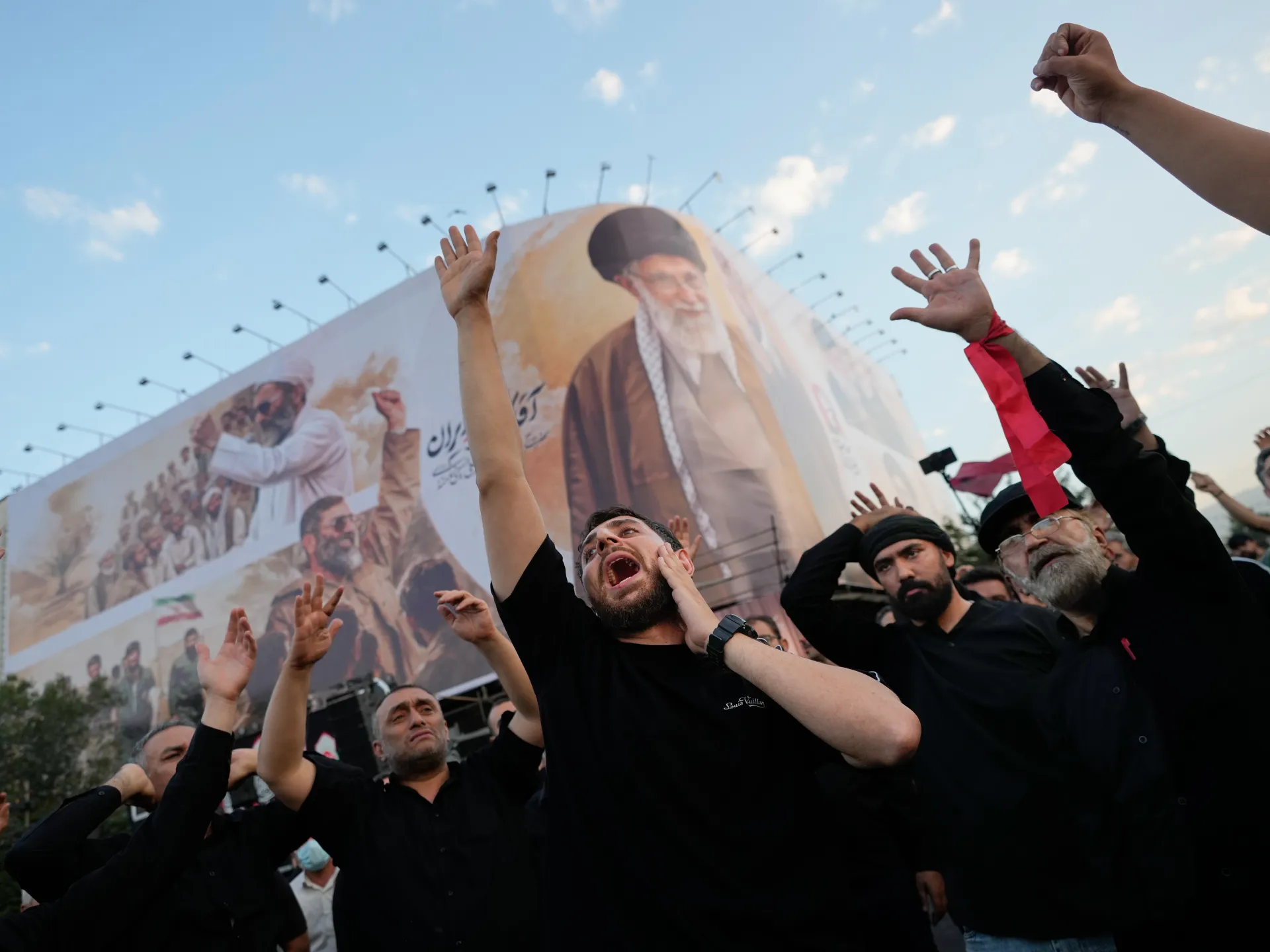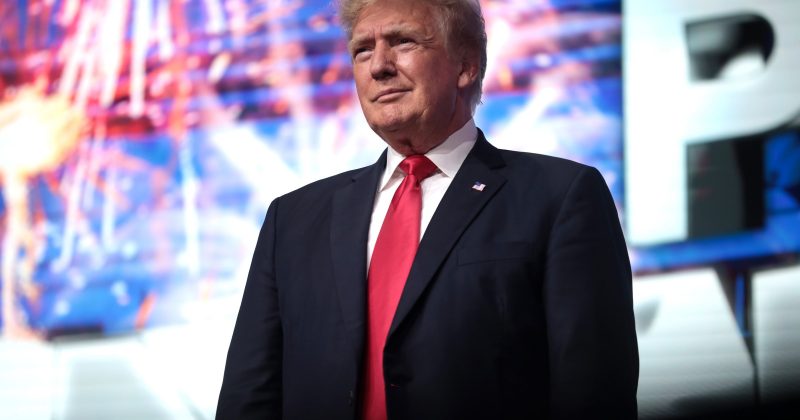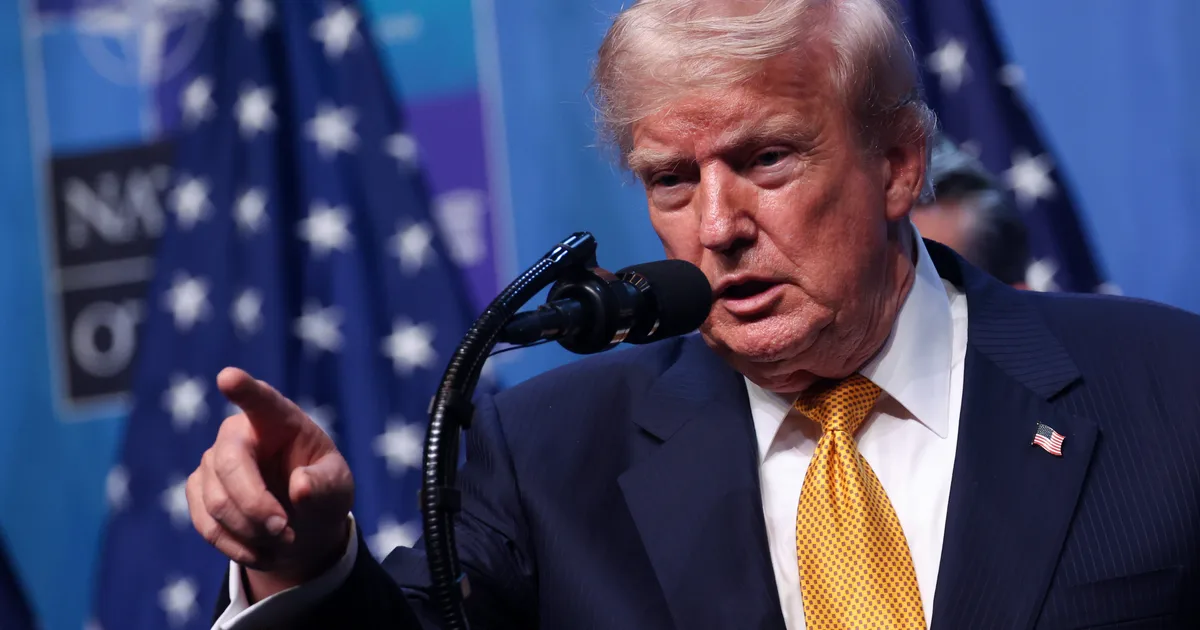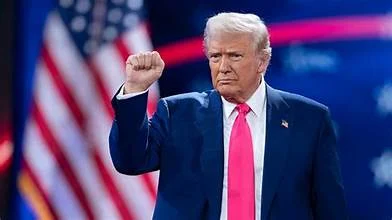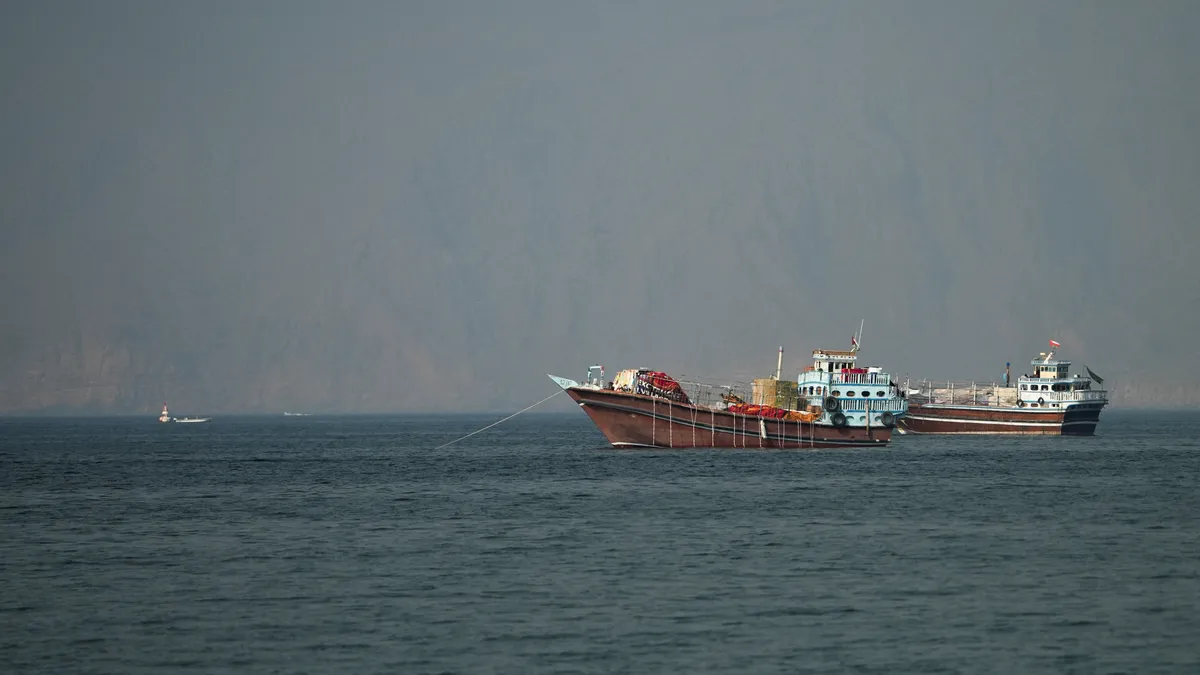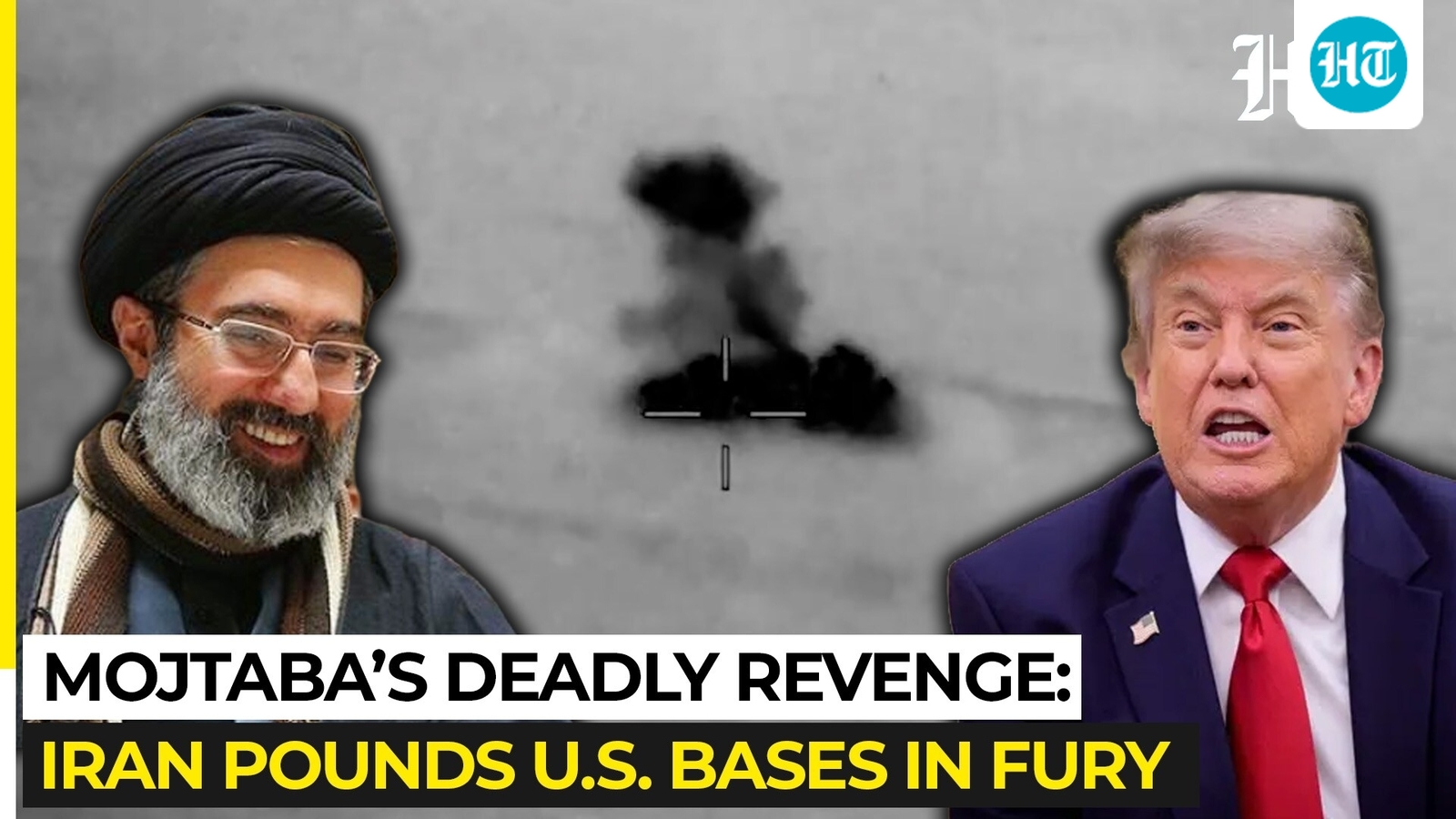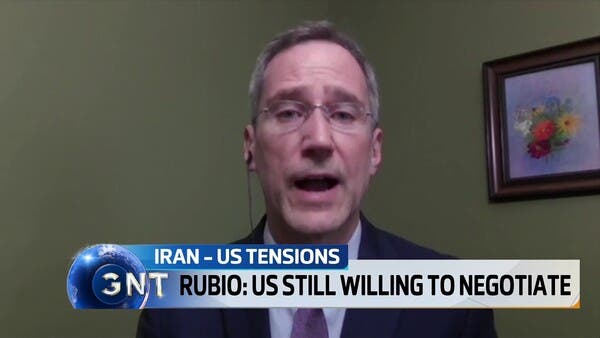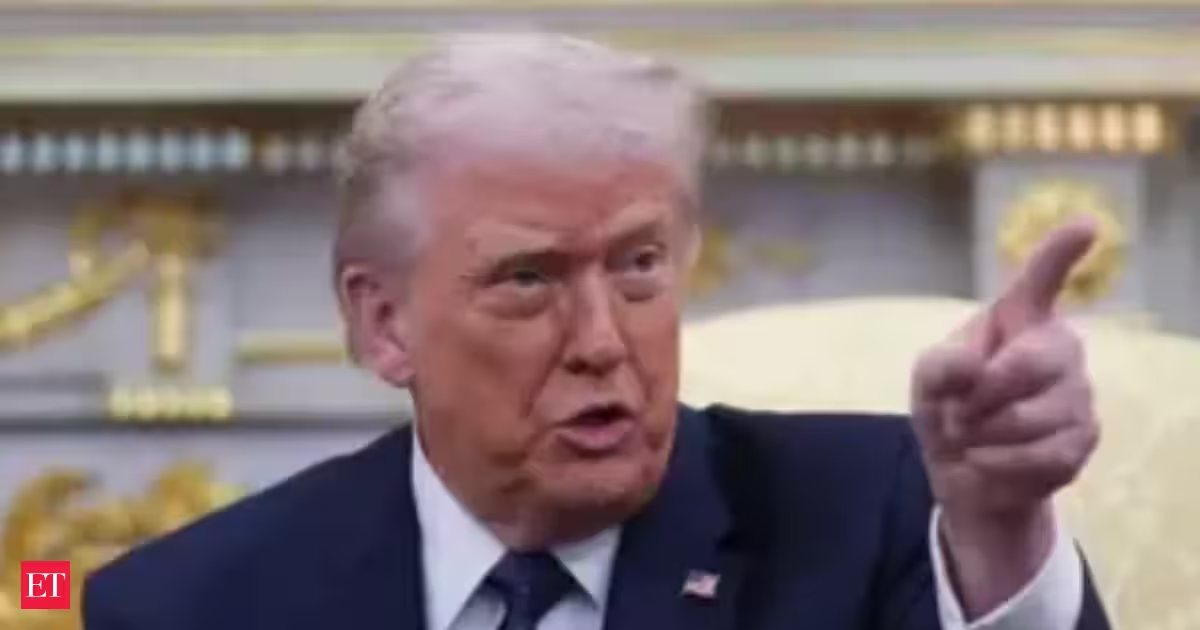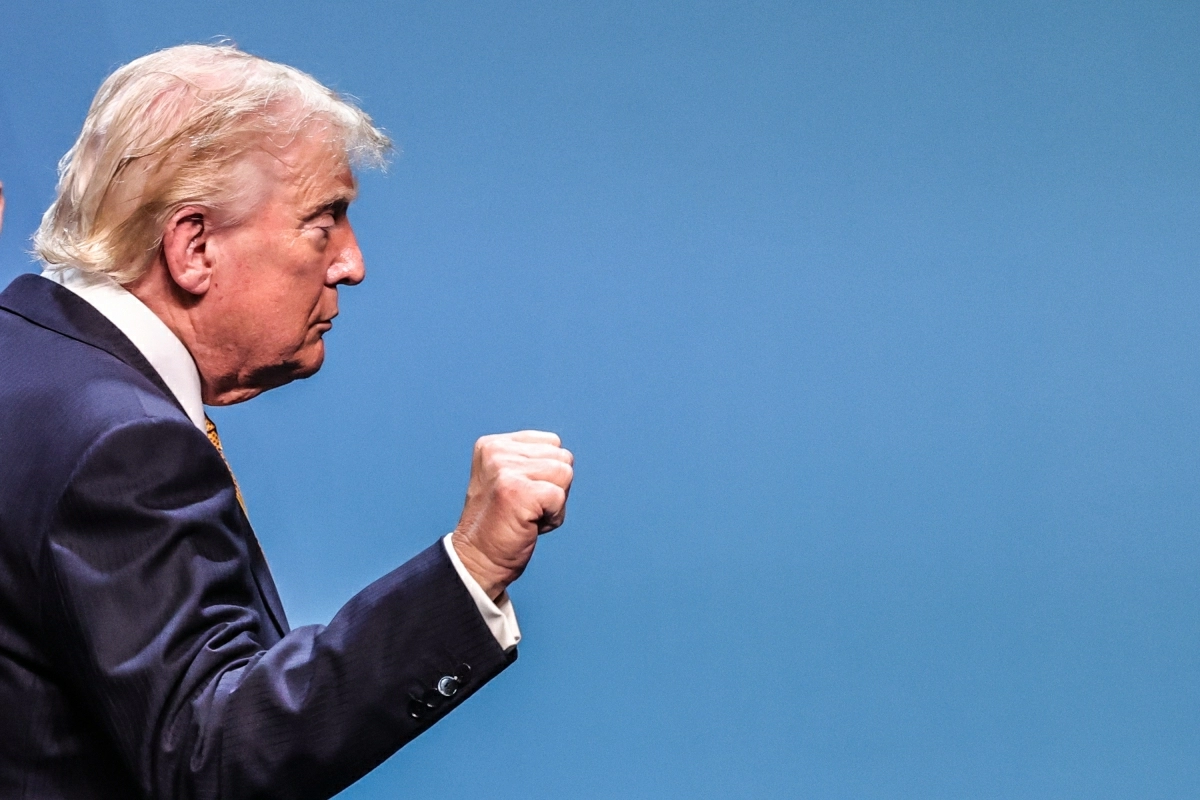
WASHINGTON — The United States and Iran exchanged fresh threats on Saturday as their fragile interim truce came under renewed strain amid escalating tensions over the Strait of Hormuz.U.S. President Donald Trump warned of further military action against Iran after senior U.S. officials demanded that Tehran publicly guarantee the Strait of Hormuz would remain open and that commercial vessels would not be attacked.The renewed tensions came after funeral ceremonies for former Iranian Supreme Leader Ali Khamenei featured public calls for Trump's assassination.Later on Saturday, Iran's Supreme Leader Mojtaba Khamenei vowed to continue pursuing revenge for his father's killing."Such revenge is the will of our nation and must certainly be carried out," he said in remarks carried by Iranian state television.Tehran has so far rejected U.S. demands regarding the Strait of Hormuz, insisting the strategic waterway should remain under Iranian control and that vessels transiting it should pay fees.On his Truth Social platform, Trump warned that the United States was prepared to respond forcefully to any Iranian attempt to carry out threats against him.He said the U.S. military had "missiles locked and loaded" and warned that any attack on him would trigger a devastating response against Iran.The latest exchange followed several days of U.S. airstrikes on Iran and Iranian retaliatory attacks across the Middle East after Tehran targeted commercial vessels in the Strait of Hormuz earlier this week.Although Trump declared the ceasefire effectively over on Friday, he said negotiations with Iran would continue.Iranian Foreign Minister Abbas Araghchi traveled to Oman on Saturday for another round of talks, while Qatari mediators also met Iranian officials in an effort to preserve diplomatic momentum.U.S. officials said any future nuclear agreement would require Iran to surrender its stockpile of highly enriched uranium, a demand Tehran has repeatedly rejected.The officials also insisted that Washington would not conclude a nuclear agreement unless Iran first halted attacks on shipping in the Strait of Hormuz.Meanwhile, Araghchi accused Washington of violating the interim agreement by revoking waivers that had allowed Iran to sell crude oil on international markets in U.S. dollars."There can only be mutual compliance," Araghchi wrote on X.The U.S. continues to advise commercial vessels to use the southern shipping route through Omani territorial waters to avoid Iranian-controlled waters, a policy that has further heightened tensions with Tehran.The Strait of Hormuz remains one of the world's most critical maritime chokepoints, carrying roughly one-fifth of global oil and liquefied natural gas trade before the recent conflict.
Trump, Iran exchange fresh threats as Hormuz tensions strain truce
President Donald Trump and Iran exchanged new threats as tensions over the Strait of Hormuz intensified, raising concerns over the future of the fragile U.S.-Iran truce.
406 words~2 min read