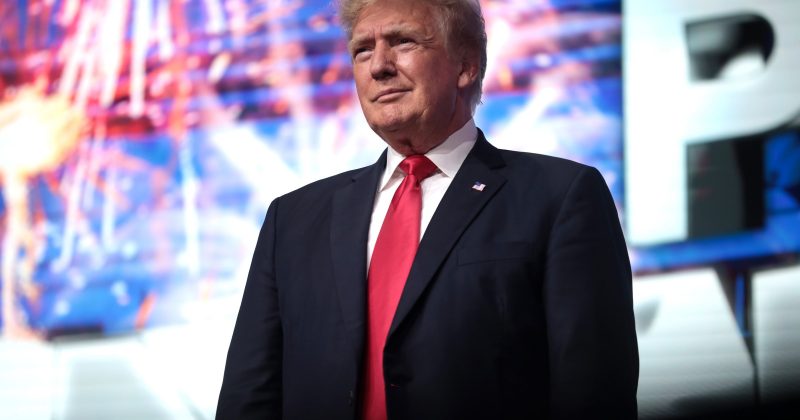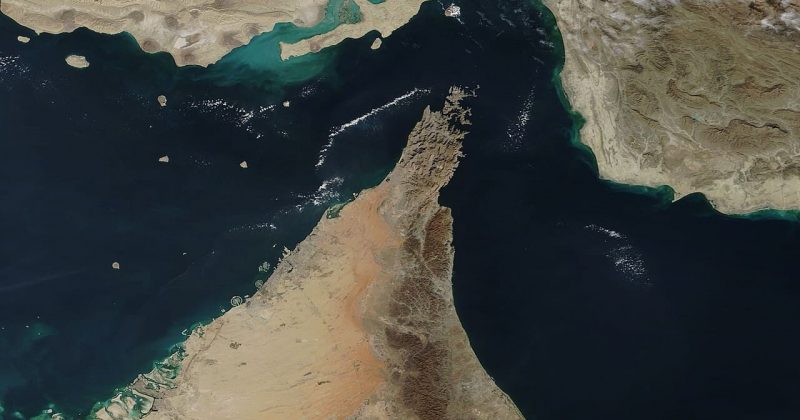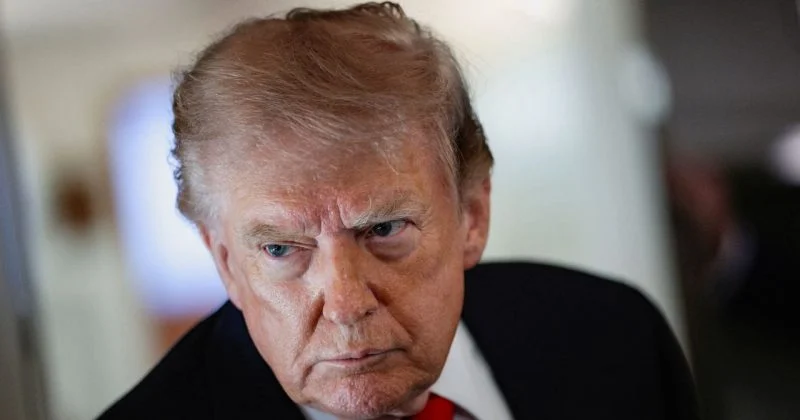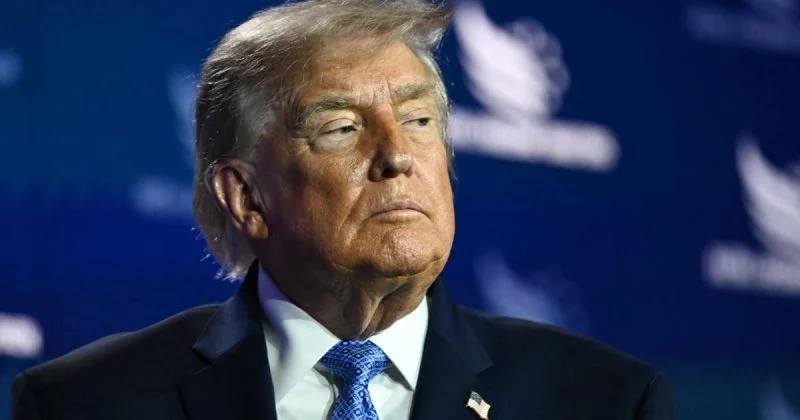
In a dramatic escalation of tensions, U.S. President Donald Trump has threatened to annihilate Iran following a series of military exchanges over the Strait of Hormuz. This development comes after Iran launched attacks on Bahrain and Kuwait, both of which host U.S. military bases, in response to American strikes. The situation over Hormuz remains volatile, with a previously declared ceasefire being repeatedly violated by both sides. Markets indicate that this heightened rhetoric significantly decreases the likelihood of Trump agreeing to Iranian demands or a final nuclear deal being reached by August.
The escalation impacts several prediction markets, notably those concerning the potential for a U.S.-Iran nuclear deal and the normalization of traffic through the Strait of Hormuz. As military tensions rise and diplomatic avenues appear constrained, the probability of a peaceful resolution in these areas appears diminished. Market pricing reflects decreased confidence in a resolution favorable to Iran’s demands, as evidenced by the drop in YES probabilities across related markets.
Key market indicators suggest pricing supportive of NO outcomes in scenarios where negotiations succeed or traffic conditions return to normal in the near term. With military activities intensifying and diplomatic relations strained, market participants appear to interpret these developments as reducing the likelihood of resolving ongoing disputes through peaceful means.