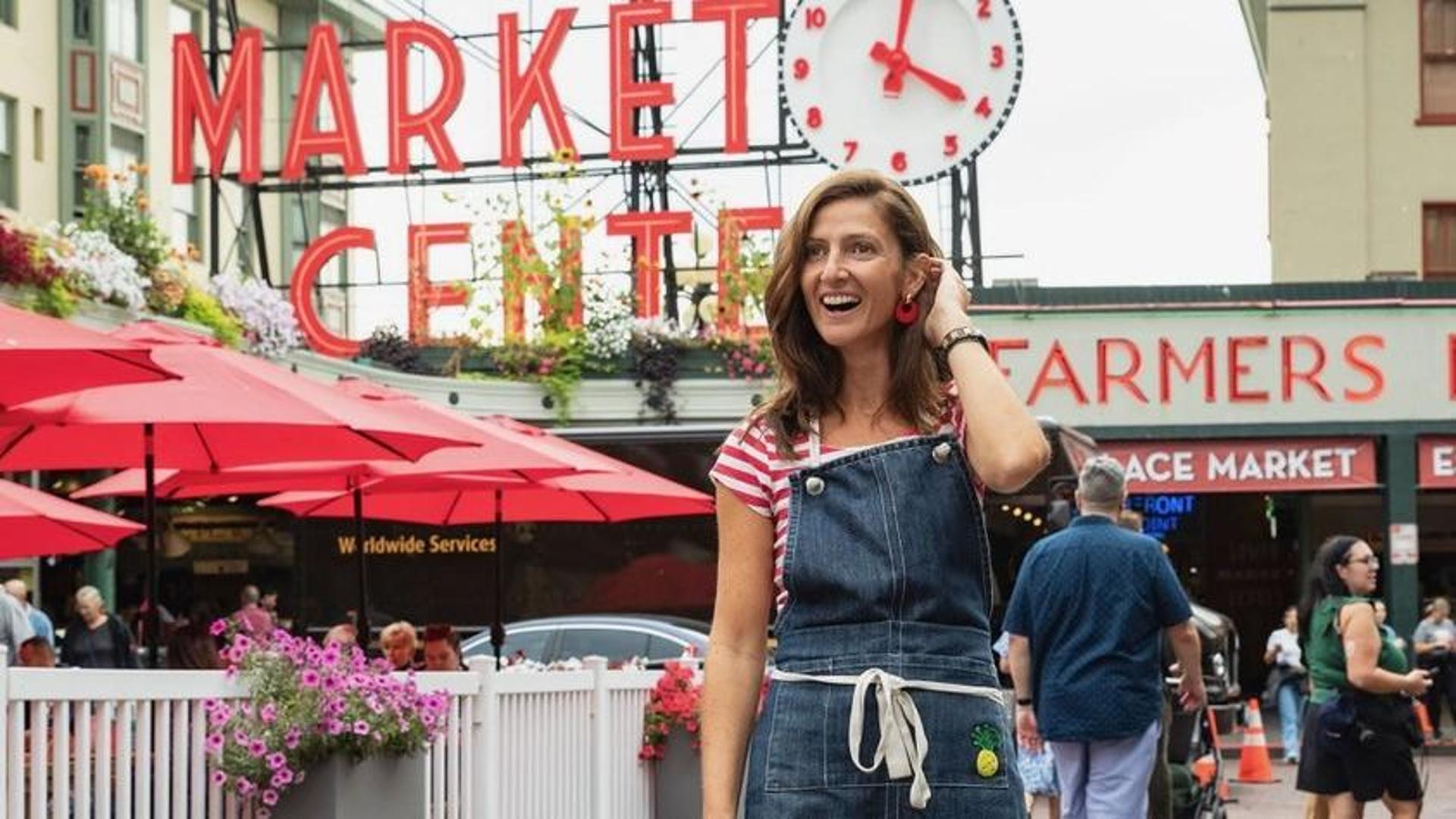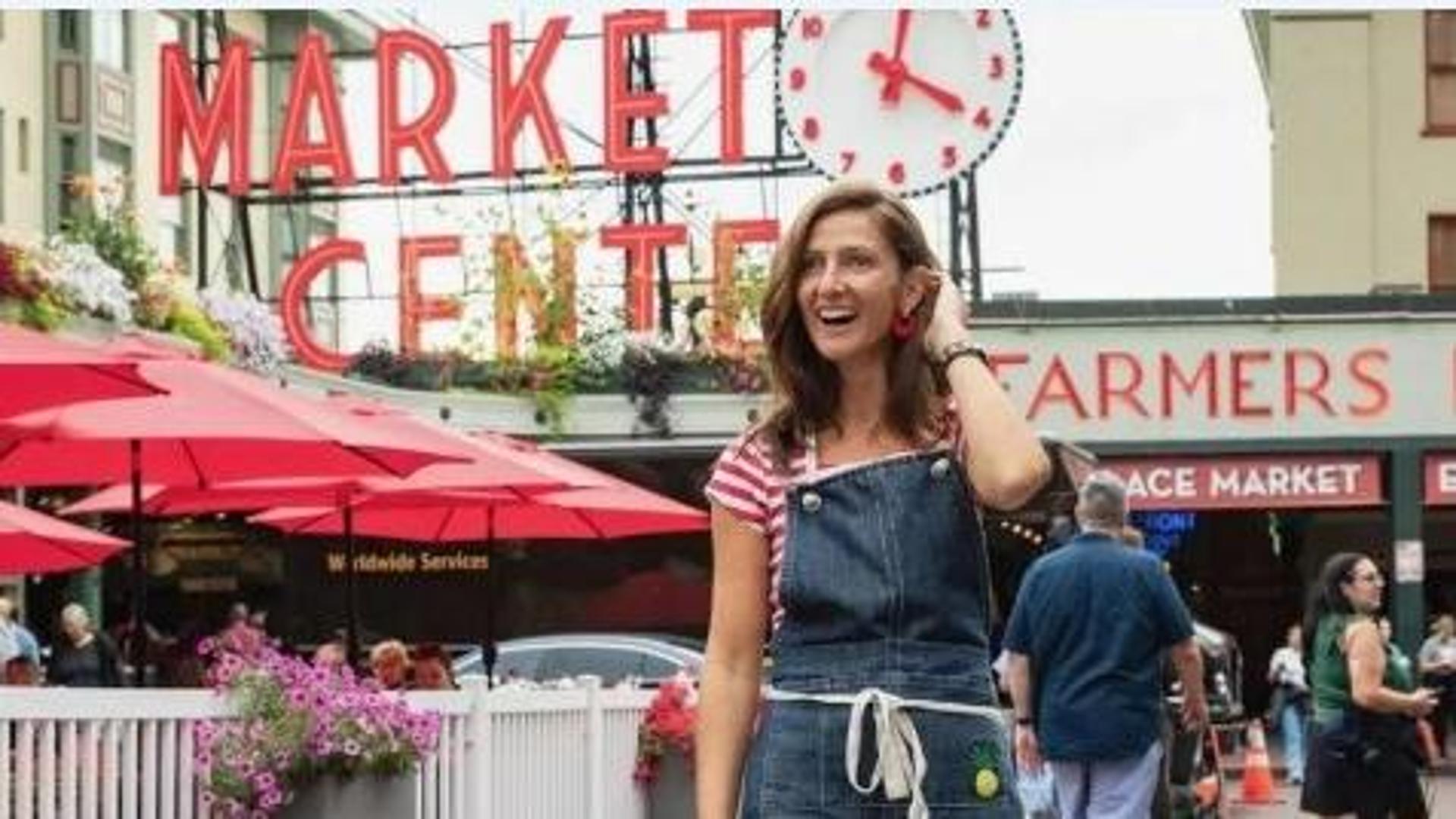
REPORTING FROM SEATTLE. With one rolled-down shutter, a whole neighborhood came down — and in Seattle, Italian identity crumbled and scattered. Instead of living within the coordinates of a Little Italy, the roots have stretched out and dispersed, and immigration in search of fortune has given way to the importation of knowledge. From the paisà to the brain drain — though labels say little about these united layers of Italy, which capture just how much we have changed. And not only in the Pacific Northwest.In Seattle, 2021 saw the closure of the historic Borracchini bakery, for a century the symbol and reference point of a community. It marked the northern edge, closest to the city's core, of "Garlic Gulch": the little Italy of the early twentieth century. A tight-knit group that built a village along classic lines. The church, the streets named after Calabria and Piedmont; Remo Borracchini's cakes marking births and weddings; Oberto's sausages, a business that started in a mother-in-law's basement and became a brand still in circulation — "Oh Boy! Oberto," because the founder was 16 when he started. And the Vacca brothers with their backyard vegetable garden and produce at the market, John Croce distributing olives from the back of a pickup truck, and Guido Merlino's Mission Macaroni, absorbed in 1986 into the mass distribution of Quaker Oats. Two hundred and fifteen families scattered about, sowing Italy — reaching peak splendor during the tenure of Albert D. Rosellini, governor from 1939 to 1957, born in Garlic Gulch and today remembered in the name of a bridge. A heritage of stories that no longer live there, surviving without an address, without even a single remaining plaque. The building that housed the heart of our story burned down in 2023. In place of the intense scent of the Frozen Cake, all white frosting, there is now a fenced-off lot with a sign reading "Open for business, new bus line," announcing construction work for a new route. The neighborhood was split apart by two highways, and the light rail stop redirected its commerce. Intersections now populated by other origins: Vietnamese, Puerto Ricans, other little flags on the porches, other restaurant signs. And us? We have changed — and yet that legacy endures as a visionary spirit. Carlo Malaguzzi is the guiding voice of "Il Punto," the most contemporary group gathered around shared origins. He moved from Turin to Seattle twenty years ago to work at Microsoft, thanks to skills that Italy struggles to recognize and to pay for, and in a second he can explain what has happened over the past hundred years: "I have four daughters and we speak Italian at home. Once, those who arrived here forbade their children from using their parents' language in order to integrate. Our association organizes an activity called 'Noi bimbi,' where children play and learn. Surprisingly, it's attended mostly by Italian-Americans with improbable accents and invented vocabularies — but with evident ties they want to recover." Instead of setting a plastic chair outside the shop, they arrange aperitivos via social media: "We are still people who gather around food." Perhaps at Giuseppe's, a tricolor corner with a view of the stadium, where they watch the matches. Between the great migratory wave that moved 4 million Italians to the US from 1880 to 1920 (75% to the East Coast) and today's expatriate community following the flows of technology, there is a niche of innovators who have left a precise mark. They brought what was missing and refined a level of quality that is now the signature of the Italian in Seattle. Of the Italian in the US — which is perhaps why there is no longer such a need for a Little Italy. The protest in New York over Mayor Mamdani's perceived neglect comes from generations of Italian-Americans, very numerous there, custodians of a treasure bound up with the urban fabric; but the Italian in America is everywhere, an idea in evolution. On the West Coast, in 1990, Ciro Pascino from Gaeta spread true artisanal bread, and with its fragrance he unlocked the senses. In 1996, Maria Coassin opened Gelatiamo, a cultural bridge. She froze the best of Italy and transported it without losing its essence. She set free the desire to bind taste to life. A philosophy unheard of in the US, a trait developed by people like Michela Tartaglia, owner of Pasta Casalinga, a tiny yet powerful operation in Pike Place Market. Her chosen location marks a total break from Borracchini's twentieth-century doughs. She created an Italian place in the very heart of Seattle, next to the first Starbucks — as close as one can get to the city's DNA. We have fused with the United States instead of inhabiting a small piece of it: "We have this extraordinary ability to adapt, and perhaps we foolishly experienced it as a limitation, as if it stripped us of our uniqueness. It's the opposite." Setting out from La Loggia, near Moncalieri, in 2006, Michela made the most of the American dream, that great festival of possibilities. In 2009 at Nintendo, then a translator at Microsoft, a teacher at the Dante Alighieri Society, work on the Rosetta Stone language software, and since 2018 the proud owner of an identity, translated into pasta. Twelve employees: "I don't want more, because I'm Italian. Here, as soon as something works, the thinking turns to expanding, scaling up, boosting revenue. What matters to me is respecting a size I can look after, one that lets me breathe. But I'm also American: if an employee shows initiative, asks for a raise and deserves it, I give it. Otherwise..." She tells us this inside the Spheres, Amazon's icons, at Willmott's Ghost: a luxury restaurant bankrolled by Bezos and devoted to olive oil. Seattle is an ideal observatory because it has tied journeys along the food route to those dictated by start-ups and the biomedical sector. Carlo thought he would stay a couple of years and instead became the anchor for those arriving there; his daughters are scattered across Europe, pursuing studies and internships: "We are expats. It doesn't matter how long we stay — we always have a return ticket and vacations in the place we left. Homecomings, salaries that were hard to imagine in Italy." Brain drain? "I'd say brains in transit. It's a fine thing that our country still grows brains. We leave traces and mix experiences." The lowered shutters closed Little Italy — not the Italian spirit that lives within the layers of America.
Seattle: Little Italy has a hi-tech heart
REPORTING FROM SEATTLE. With one rolled-down shutter, a whole neighborhood came down — and in Seattle, Italian identity crumbled and scattered. Instead of living within the coordinates of a Little Italy, the roots have stretched out and dispersed, and immigration in search of fortune has given way to the importation of knowledge. From the paisà to the brain drain — though labels say little about these united layers of Italy, which capture just how much we have changed. And not only in the Pacific Northwest.In Seattle, 2021 saw the closure of the historic Borracchini bakery, for a century the symbol and reference point of a community. It marked the northern edge, closest to the city's core, of "Garlic Gulch": the little Italy of the early twentieth century. A tight-knit group that built a village along classic lines. The church, the streets named after Calabria and Piedmont; Remo Borracchini's cakes marking births and weddings; Oberto's sausages, a business that started in a mother-in-law's basement and became a brand still in circulation — "Oh Boy! Oberto," because the founder was 16 when he started. And the Vacca brothers with their backyard vegetable garden and produce at the market, John Croce distributing olives from the back of a pickup truck, and Guido Merlino's Mission Macaroni, absorbed in 1986 into the mass distribution of Quaker Oats. Two hundred and fifteen families scattered about, sowing Italy — reaching peak splendor during the tenure of Albert D. Rosellini, governor from 1939 to 1957, born in Garlic Gulch and today remembered in the name of a bridge. A heritage of stories that no longer live there, surviving without an address, without even a single remaining plaque. The building that housed the heart of our story burned down in 2023. In place of the intense scent of the Frozen Cake, all white frosting, there is now a fenced-off lot with a sign reading "Open for business, new bus line," announcing construction work for a new route. The neighborhood was split apart by two highways, and the light rail stop redirected its commerce. Intersections now populated by other origins: Vietnamese, Puerto Ricans, other little flags on the porches, other restaurant signs. And us? We have changed — and yet that legacy endures as a visionary spirit. Carlo Malaguzzi is the guiding voice of "Il Punto," the most contemporary group gathered around shared origins. He moved from Turin to Seattle twenty years ago to work at Microsoft, thanks to skills that Italy struggles to recognize and to pay for, and in a second he can explain what has happened over the past hundred years: "I have four daughters and we speak Italian at home. Once, those who arrived here forbade their children from using their parents' language in order to integrate. Our association organizes an activity called 'Noi bimbi,' where children play and learn. Surprisingly, it's attended mostly by Italian-Americans with improbable accents and invented vocabularies — but with evident ties they want to recover." Instead of setting a plastic chair outside the shop, they arrange aperitivos via social media: "We are still people who gather around food." Perhaps at Giuseppe's, a tricolor corner with a view of the stadium, where they watch the matches. Between the great migratory wave that moved 4 million Italians to the US from 1880 to 1920 (75% to the East Coast) and today's expatriate community following the flows of technology, there is a niche of innovators who have left a precise mark. They brought what was missing and refined a level of quality that is now the signature of the Italian in Seattle. Of the Italian in the US — which is perhaps why there is no longer such a need for a Little Italy. The protest in New York over Mayor Mamdani's perceived neglect comes from generations of Italian-Americans, very numerous there, custodians of a treasure bound up with the urban fabric; but the Italian in America is everywhere, an idea in evolution. On the West Coast, in 1990, Ciro Pascino from Gaeta spread true artisanal bread, and with its fragrance he unlocked the senses. In 1996, Maria Coassin opened Gelatiamo, a cultural bridge. She froze the best of Italy and transported it without losing its essence. She set free the desire to bind taste to life. A philosophy unheard of in the US, a trait developed by people like Michela Tartaglia, owner of Pasta Casalinga, a tiny yet powerful operation in Pike Place Market. Her chosen location marks a total break from Borracchini's twentieth-century doughs. She created an Italian place in the very heart of Seattle, next to the first Starbucks — as close as one can get to the city's DNA. We have fused with the United States instead of inhabiting a small piece of it: "We have this extraordinary ability to adapt, and perhaps we foolishly experienced it as a limitation, as if it stripped us of our uniqueness. It's the opposite." Setting out from La Loggia, near Moncalieri, in 2006, Michela made the most of the American dream, that great festival of possibilities. In 2009 at Nintendo, then a translator at Microsoft, a teacher at the Dante Alighieri Society, work on the Rosetta Stone language software, and since 2018 the proud owner of an identity, translated into pasta. Twelve employees: "I don't want more, because I'm Italian. Here, as soon as something works, the thinking turns to expanding, scaling up, boosting revenue. What matters to me is respecting a size I can look after, one that lets me breathe. But I'm also American: if an employee shows initiative, asks for a raise and deserves it, I give it. Otherwise..." She tells us this inside the Spheres, Amazon's icons, at Willmott's Ghost: a luxury restaurant bankrolled by Bezos and devoted to olive oil. Seattle is an ideal observatory because it has tied journeys along the food route to those dictated by start-ups and the biomedical sector. Carlo thought he would stay a couple of years and instead became the anchor for those arriving there; his daughters are scattered across Europe, pursuing studies and internships: "We are expats. It doesn't matter how long we stay — we always have a return ticket and vacations in the place we left. Homecomings, salaries that were hard to imagine in Italy." Brain drain? "I'd say brains in transit. It's a fine thing that our country still grows brains. We leave traces and mix experiences." The lowered shutters closed Little Italy — not the Italian spirit that lives within the layers of America.