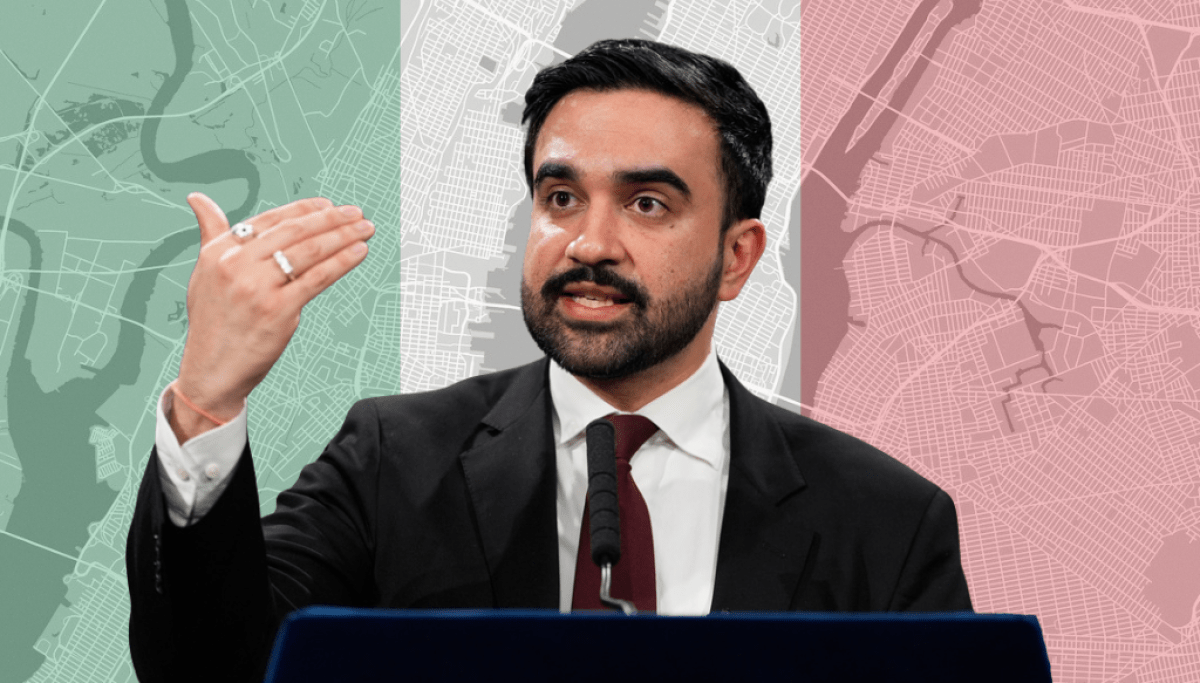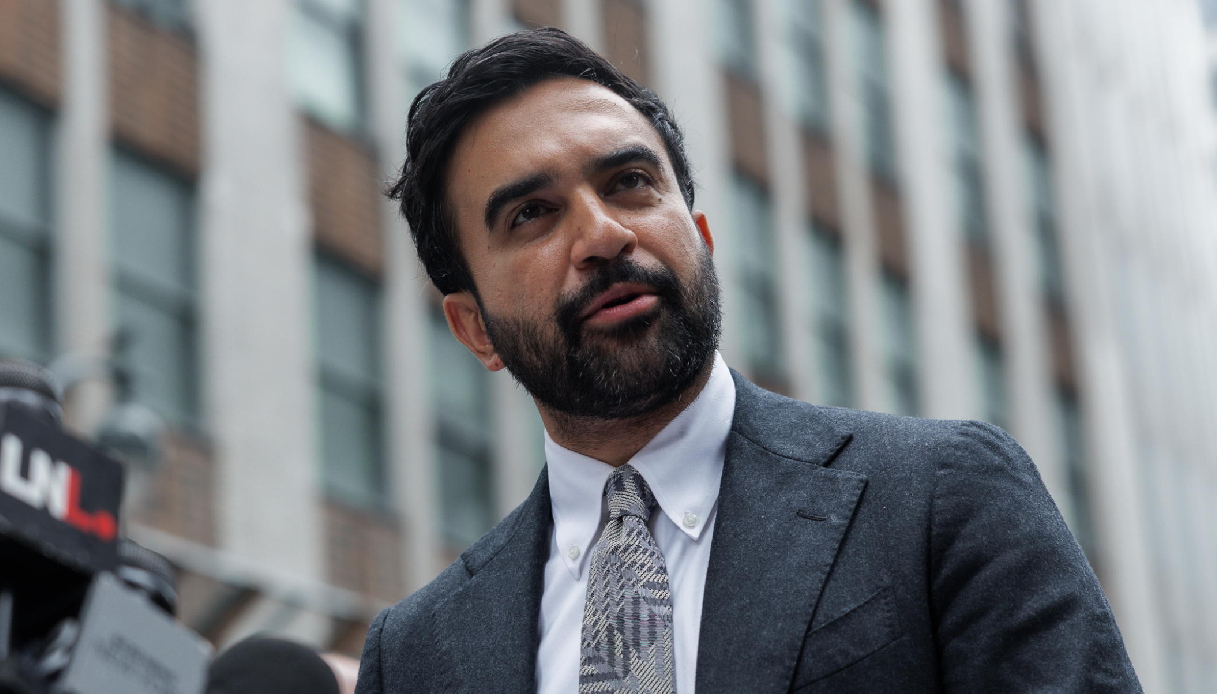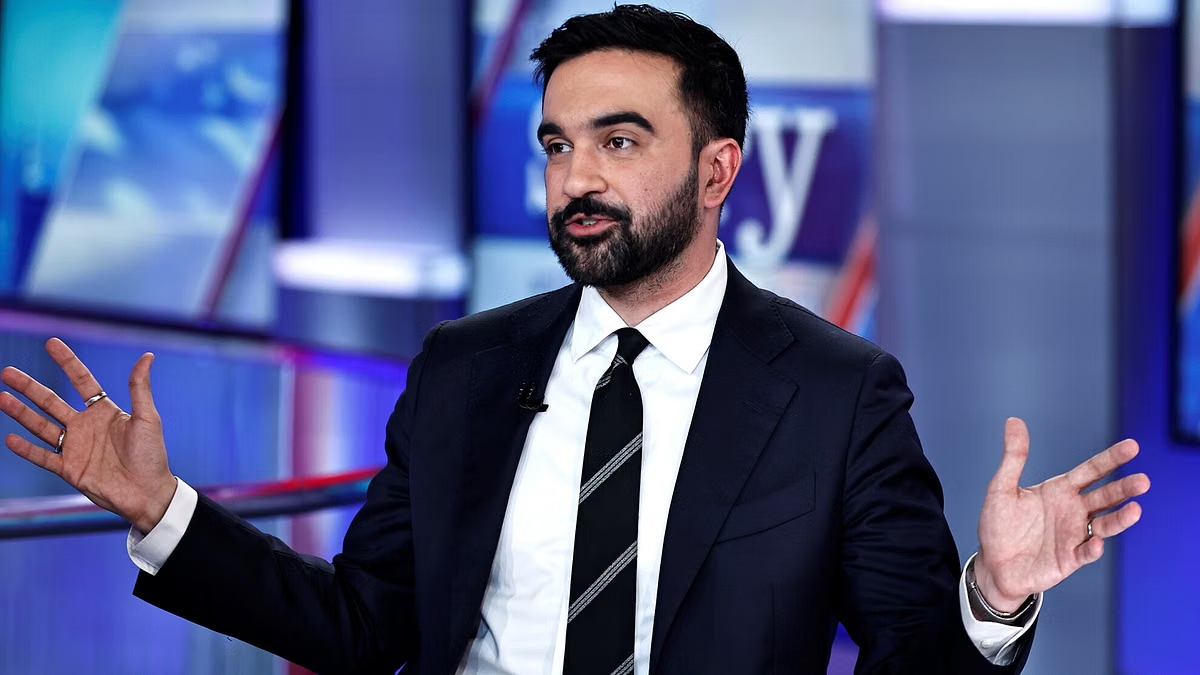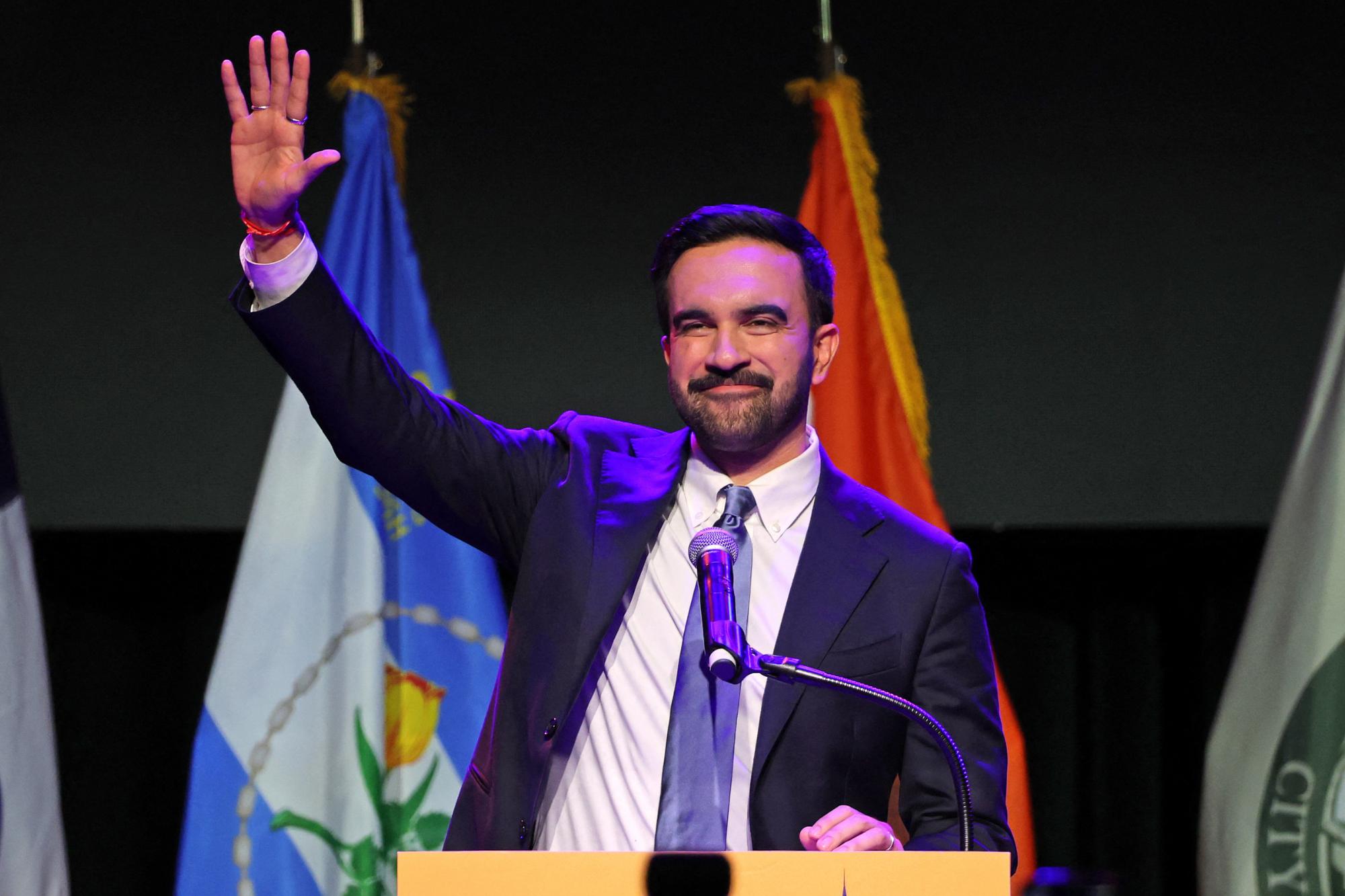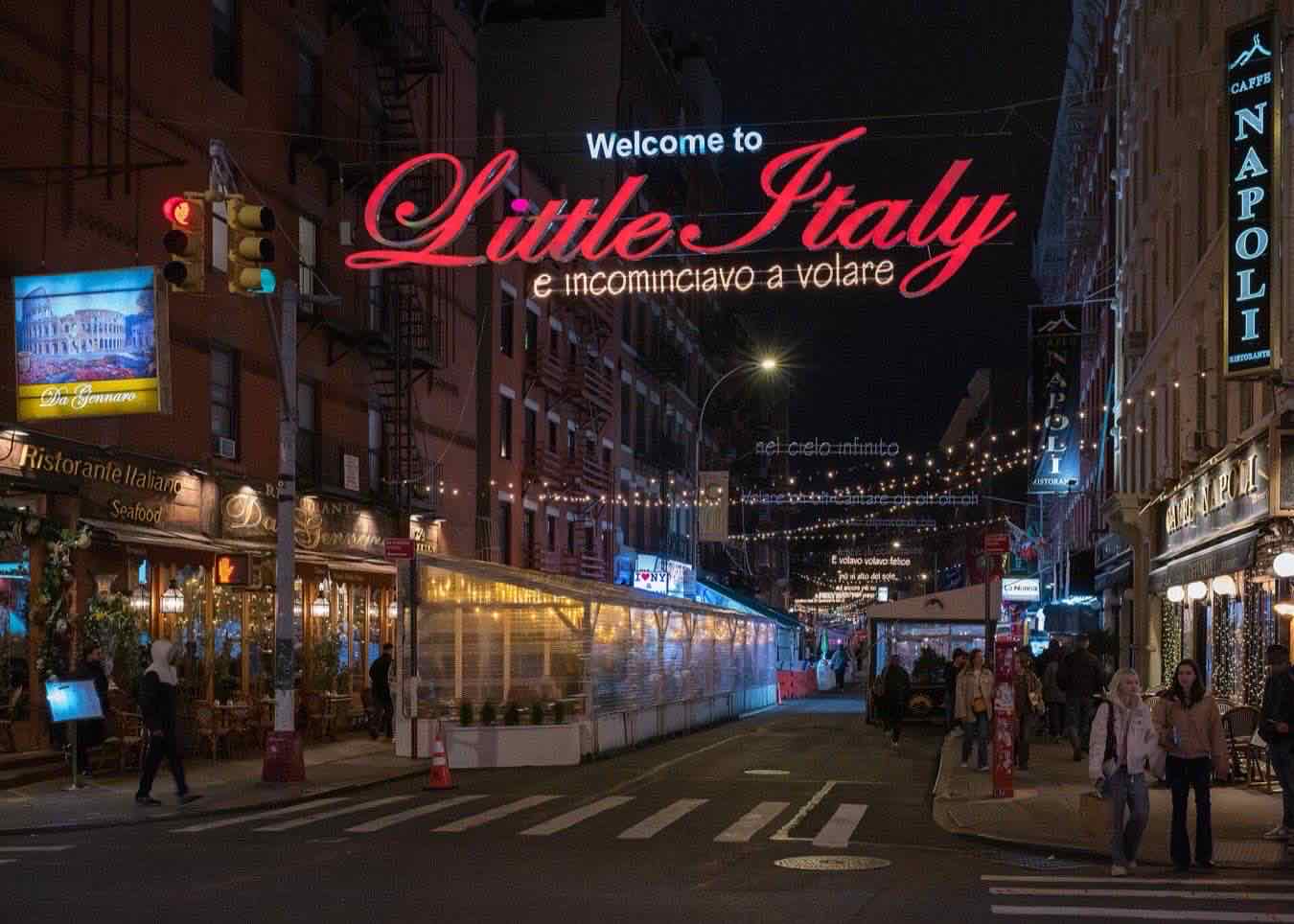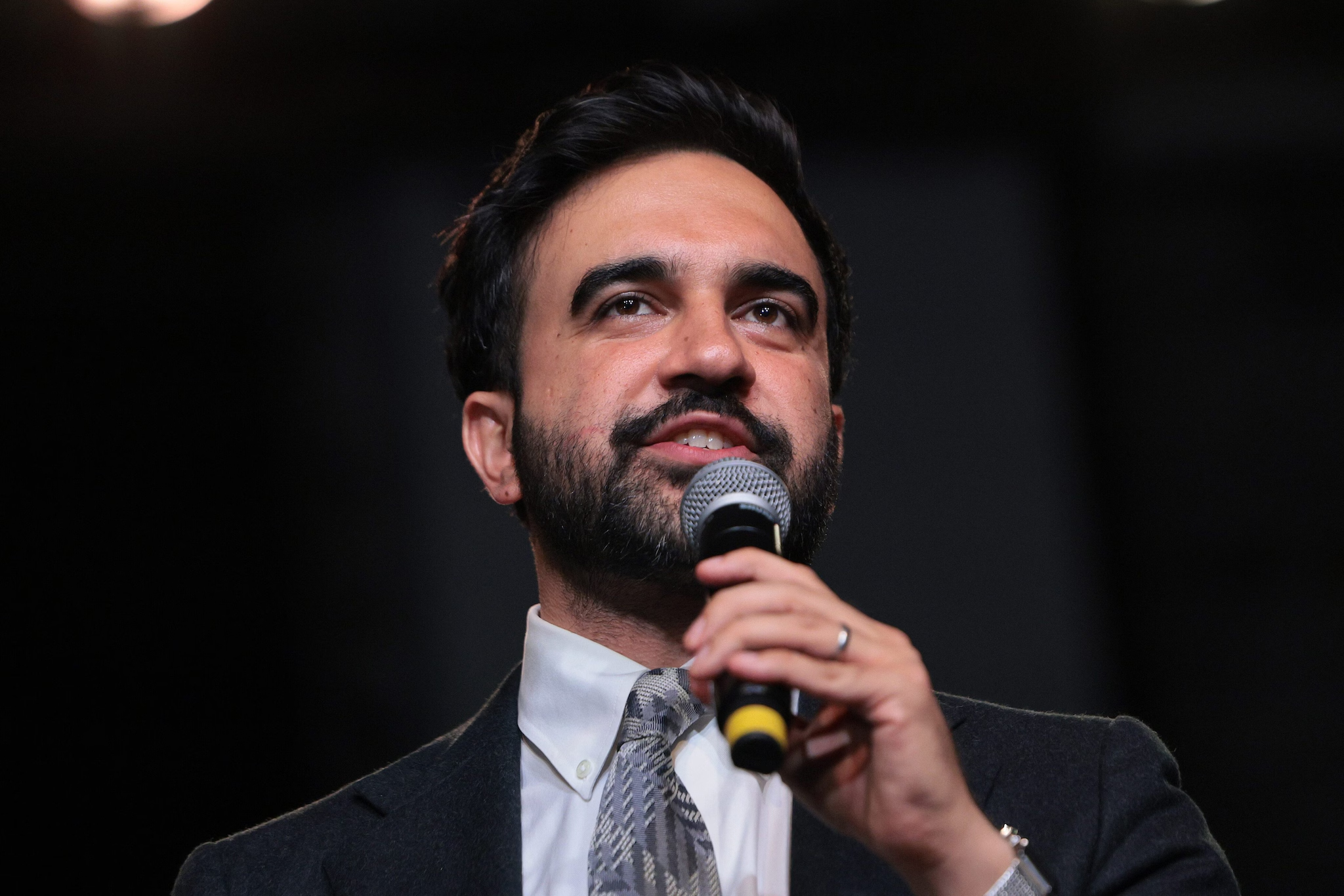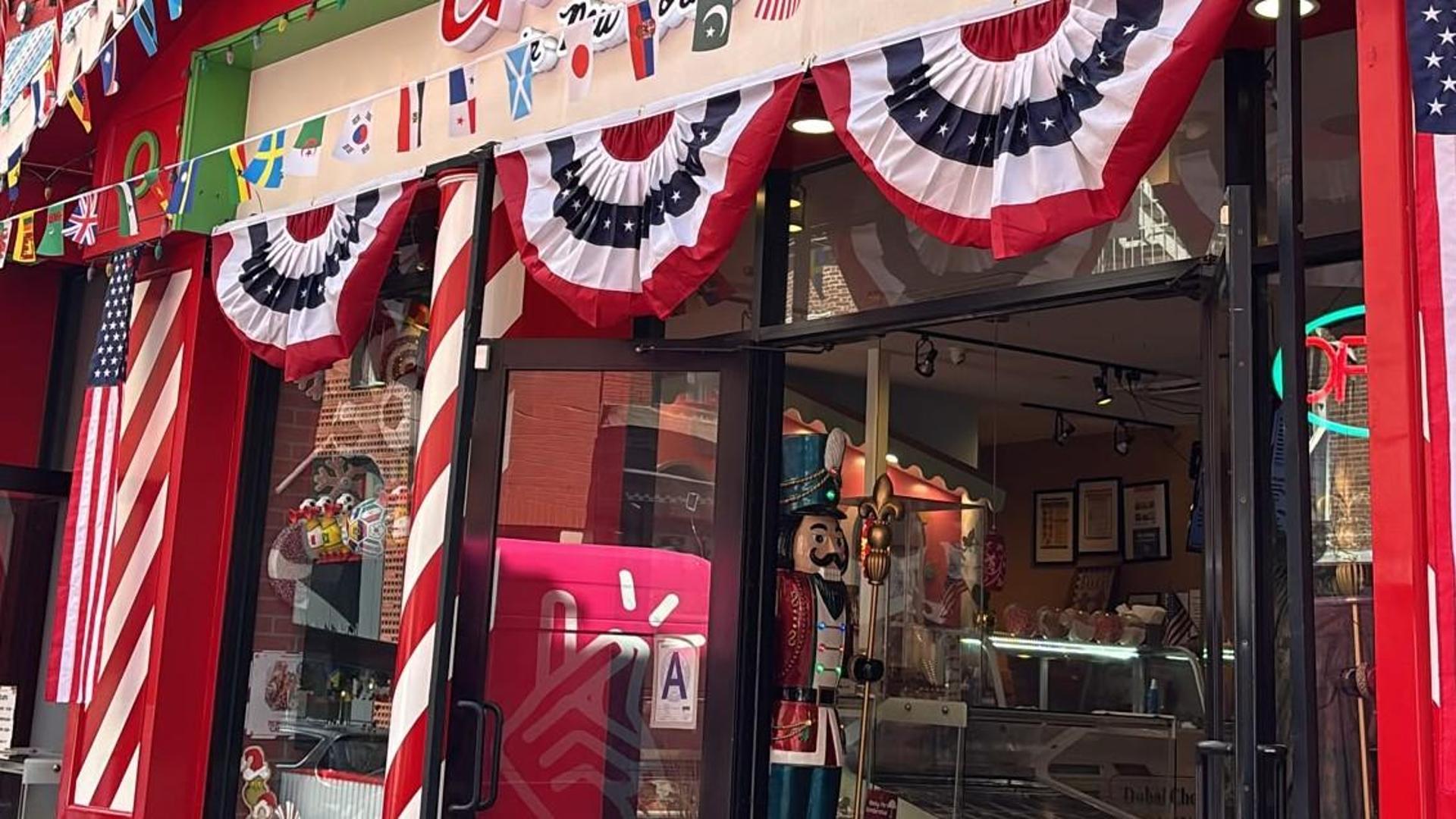
On Mulberry Street, Cannoli King is one of the beating hearts of Little Italy. Lemonades, cannoli and every variety of coffee tell the story of generations of immigrants who became Americans while gradually losing the language of the “Old Country.” Their grandparents and great-grandparents helped build New York City wearing the uniforms of police officers, sanitation workers and firefighters. From the days when the Black Hand gangs terrorized Downtown to the heroism of those who gave their lives during the rescue efforts at Ground Zero. “But now we’ve discovered that, to the mayor, we don’t even exist,” says John Calcamo, 75, referring to Mayor Zohran Mamdani’s decision to publish a map of New York City’s “Ethnic Enclaves” that omitted Italian Americans altogether. Not just those who still live and work in Little Italy—today a small minority—but also the much larger Italian-American communities across the city: from Staten Island, where they make up a large share of the electorate, to the neighborhoods straddling the Bronx and Queens, where Catholic churches still preserve two shrines, one of them underground. The reason dates back to the late nineteenth century, when Irish Catholics refused to welcome Italian immigrants, viewing them as anti-papal because of the legacy of Giuseppe Garibaldi. There are few cities in the world as Italian as New York City, where pride in one’s origins blends seamlessly with American identity. At the entrance to the famous “Christmas in New York” megastore, an Italian tricolor façade stands alongside stars-and-stripes decorations, symbolizing that dual identity. “Anyone who lives here, shops here or comes here to eat is both Italian and American, both New Yorker and Sicilian, Pugliese and Bronx-born,” says Mary Barbera, 37. “Mamdani’s decision to erase us from the city map only shows that perhaps he is the real outsider.” She adds with regret: “It’s a shame, because some of us—especially younger Italian Americans—actually voted for him, even though our preferred candidate for mayor was Andrew Cuomo.” The controversy erupted after Mamdani approved and released the official map of New York’s “Immigrant Enclaves”, identifying thirty multicultural neighborhoods across the city’s five boroughs — from Koreatown in Manhattan and Little Pakistan in Brooklyn to Little Yemen in the Bronx — while making no mention whatsoever of neighborhoods historically associated with Italians, Greeks, Jews or the Irish, the oldest immigrant communities that shaped New York long before its modern multicultural identity. Italian immigrants, in particular, began arriving in the Lower East Side between 1880 and 1924, most of them from Southern Italy, fleeing poverty and hunger. Queens City Council member Joann Ariola, a Republican, described the omission as “the greatest insult” ever directed at Italian Americans. Joseph Scelsa, founder of the Italian American Museum on Mulberry Street, called it “a terrible mistake” that “offends every New Yorker, because denying the identity of one ethnic community ultimately means denying them all.” Former City Hall chief of staff Kevin McCabe added: “Forgetting the Irish means erasing history.” The same criticism applies to Brooklyn’s historic Jewish neighborhoods. New York is home to more Jewish residents than Tel Aviv, and Borough Park, centered around Thirteenth Avenue, is the largest Orthodox Jewish community outside Israel. Yet none of this appears on the official “Ethnic Enclaves” map promoted by the city’s first self-described socialist mayor, who has repeatedly pledged to govern “on the side of the people.” Among the Italian flags flying over Little Italy, many suspect the map was not merely an oversight but a deliberate political choice. According to critics, Mamdani designed the map to recognize and reward the immigrant communities that overwhelmingly supported his election. Neighborhoods such as Little Bangladesh on 169th Street, Little Egypt along Steinway Street, Little Palestine around Bay Ridge Avenue and Little Senegal on 116th Street closely overlap with the electoral coalition that propelled him into office. If true, critics argue, the omission would represent not simply a cultural mistake but a political reward for his electoral base. They point to another symbolic decision earlier this year, when Mamdani became the first New York mayor to skip the city’s annual Israel Parade, a move widely interpreted as a gesture toward pro-Gaza groups that strongly backed his campaign. The backlash culminated in an open letter published by the conservative Washington Examiner and signed by Italian-American civil rights leaders Anthony Colombo Jr., Mike Crispi and Gerard Marrone. “Dear Mayor,” they wrote, “Little Italy will never disappear, just as the historic neighborhoods of Greeks, Irish and Jews will never disappear. There is nothing wrong with celebrating today’s immigrant communities — they deserve to be welcomed and embraced— but doing so should never require erasing those who came before them. A great city honors its history; it does not divide its communities into old and new.” Faced with mounting criticism, Mamdani ultimately backed down. Responding to a formal request from the National Italian American Foundation (NIAF), New York’s largest Italian-American organization, the mayor announced on Friday that Little Italy will be added to the official map. But for many in the neighborhood, the damage has already been done.
Little Italy revolts, Mamdani backs down: “You can’t erase us”
New York’s mayor publishes a map of the city’s ethnic neighborhoods— without Italians. After a wave of protests, he reverses course: “Little Italy will be adde…
840 words~4 min read