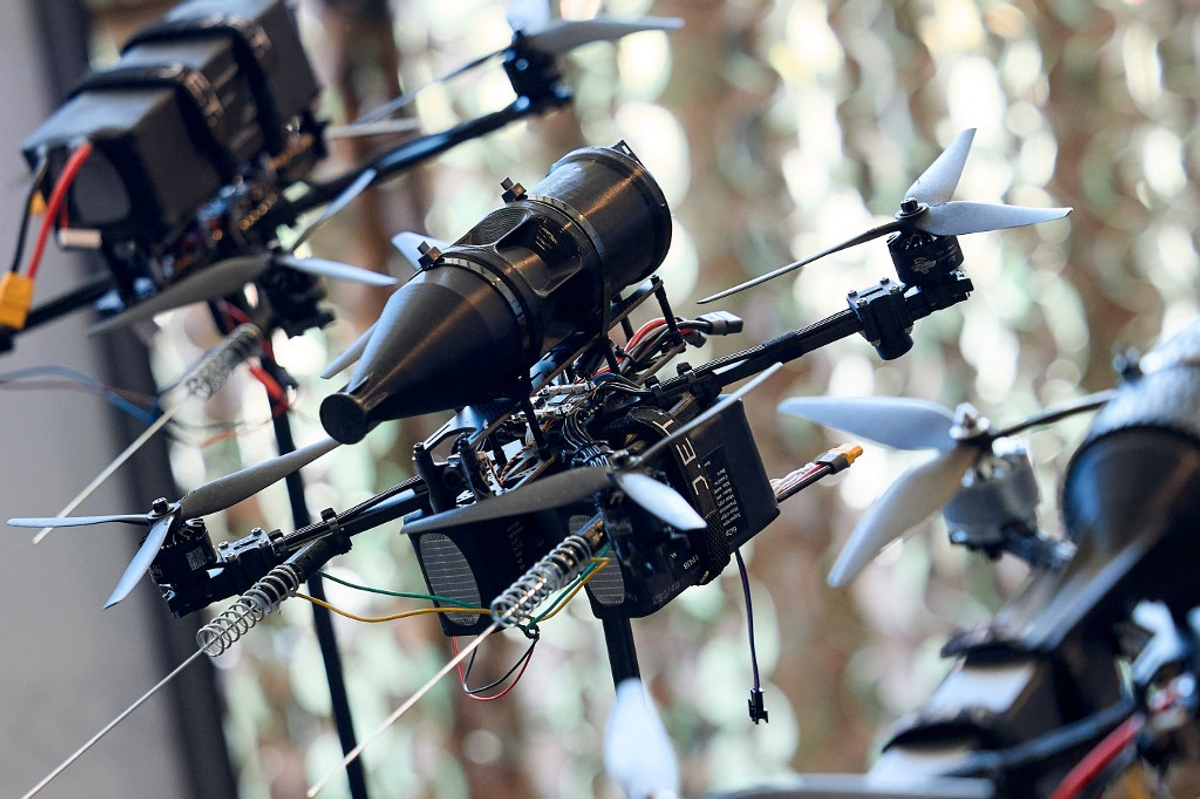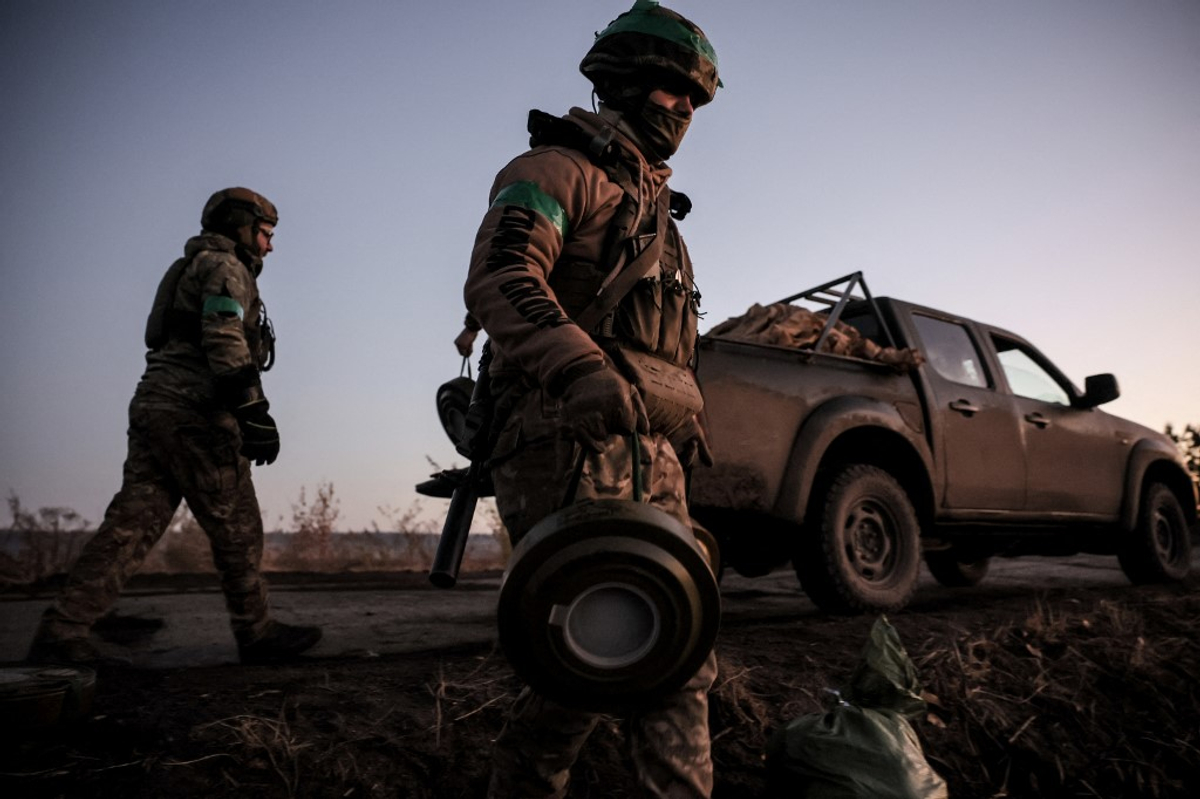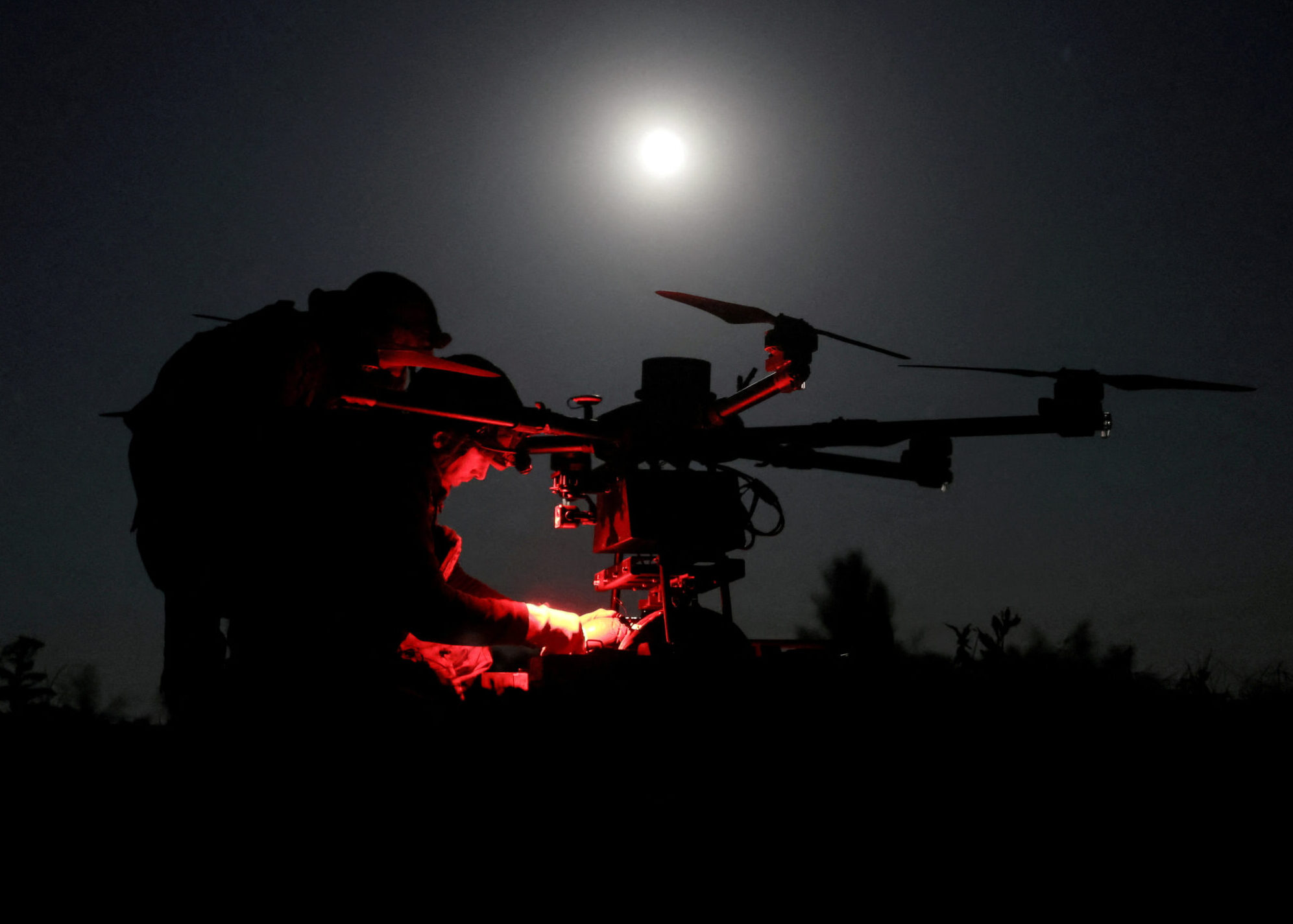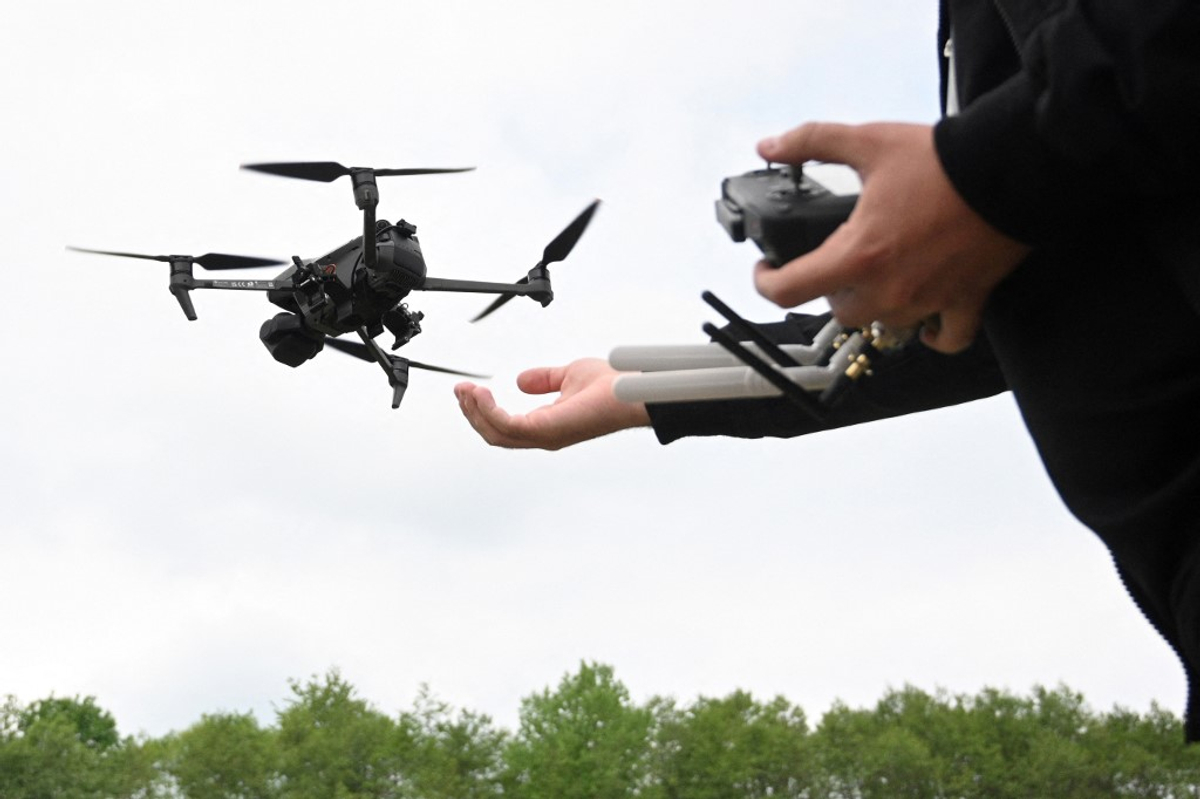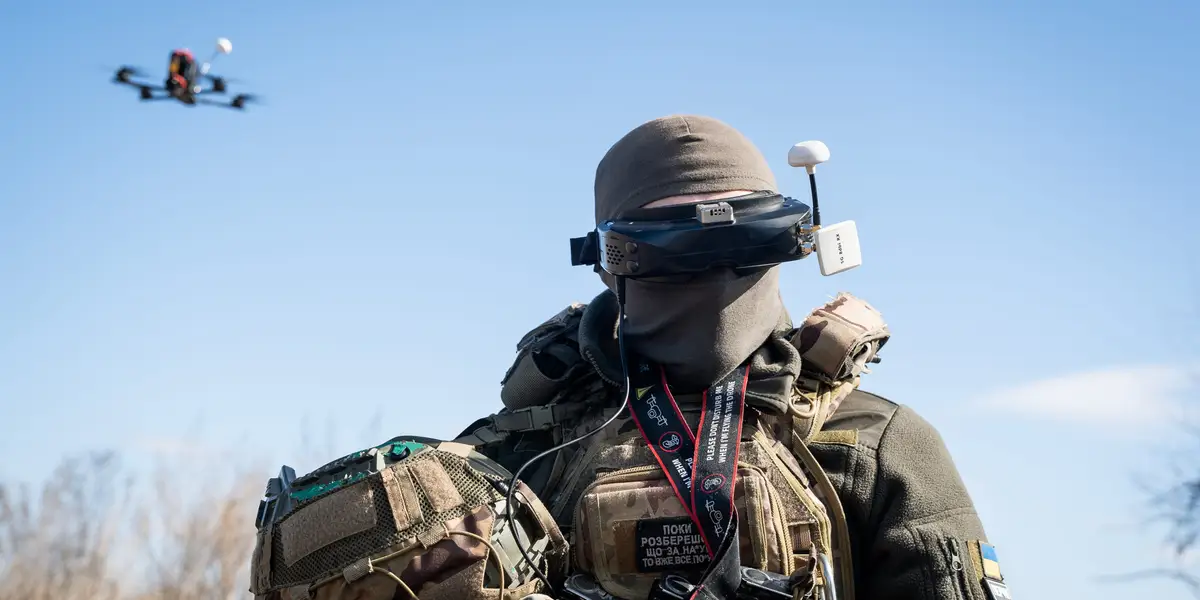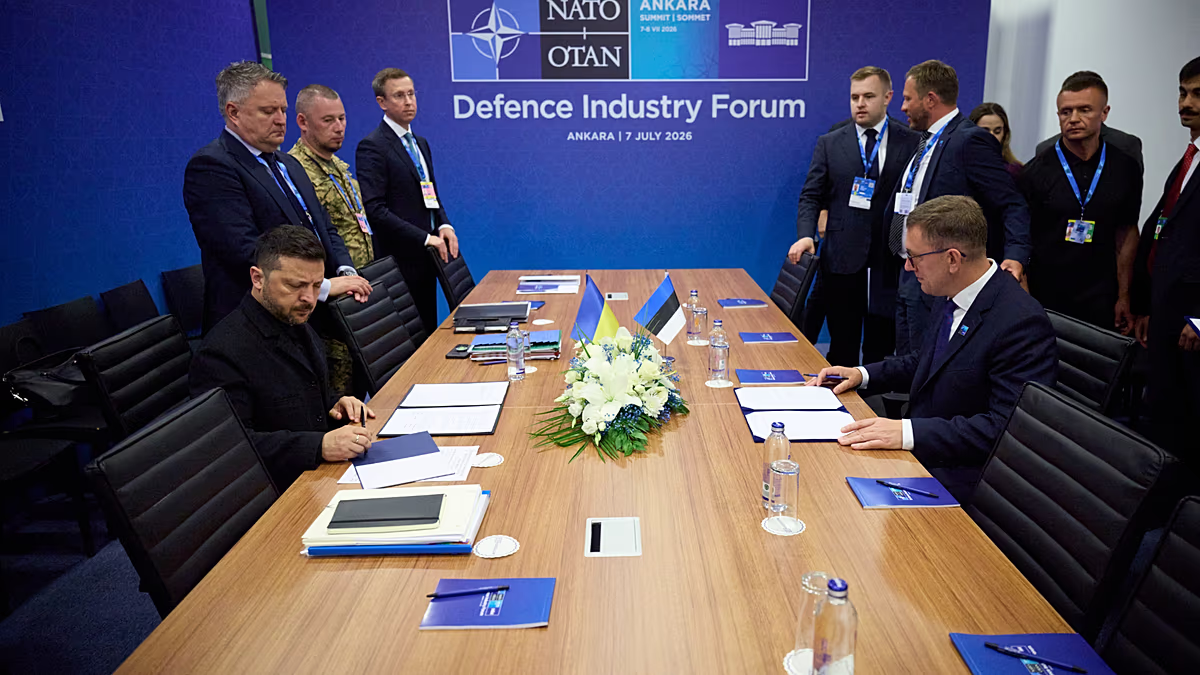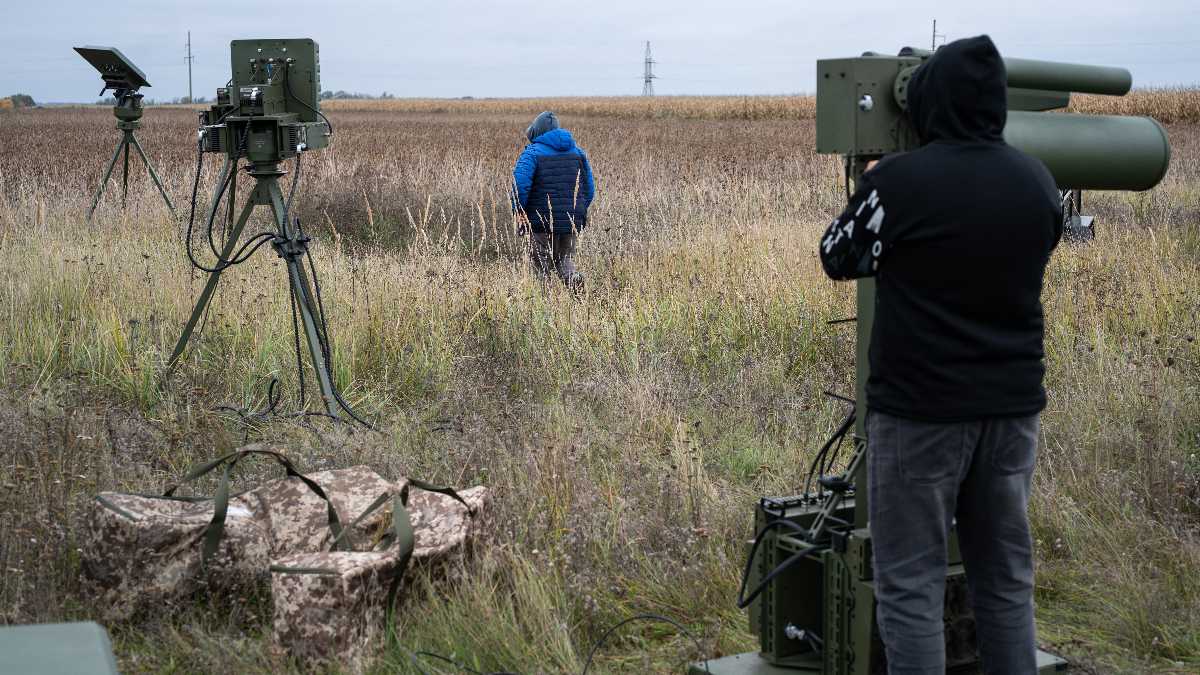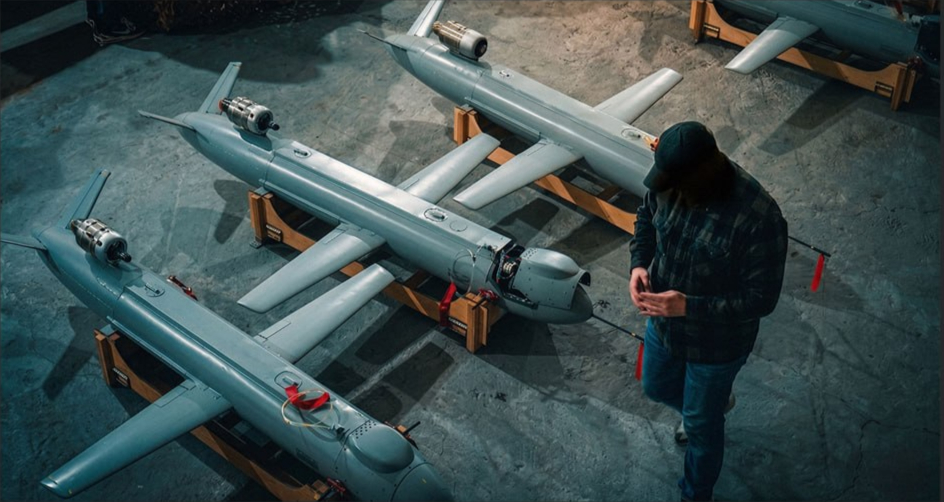
For three years, Ukraine has been teaching the world a lesson that many governments are slow to absorb: in modern war, innovation does not usually come from committees. It comes from people close to the problem, under unbearable pressure, trying something, failing, trying again, and finding the thing that works. That lesson matters now because Europe is spending billions to help Ukraine defend itself. The intention is admirable. The execution is often less so.JOIN US ON TELEGRAMFollow our coverage of the war on the @Kyivpost_official. “The major annoying thing we’ve been working with over the last year,” said Tymofiy Mylovanov, president of the Kyiv School of Economics, during a recent interview in Kyiv, “is that most of the funding from allies, Europe and the United States, comes with a preference for buying weapons from their own countries.” The problem is not that Western weapons are useless. Some are indispensable. The problem, as Nataliia Shapoval, president of the KSE Institute, added: “Their weapons systems are more expensive than what Ukraine can afford. And second, it prevents the development of what we need right now on the front line.” That “right now” matters. A drone jammer that works today may be obsolete in three weeks. A cheap naval drone can challenge the logic of a billion-dollar ship. A unit testing five competing systems may learn faster than a ministry spending a year selecting one.
The Secret to Building Ukraine and Europe’s 21st-Century Defense Tech Industry
Allies need closer business relations with Ukraine to foster joint projects in defense and exploit its culture of speed and imagination.
1,093 words~5 min read