The full-scale Russian invasion of Ukraine and the fraying of the transatlantic relationship have combined to provide Europe with an unprecedented security wake-up call. In response, many reports have been written, speeches have been delivered, and defense budgets have been revised. But while there is agreement across Europe on the need to integrate new military technologies, this process must be accelerated and accompanied by broader efforts to revise military doctrine and organization.
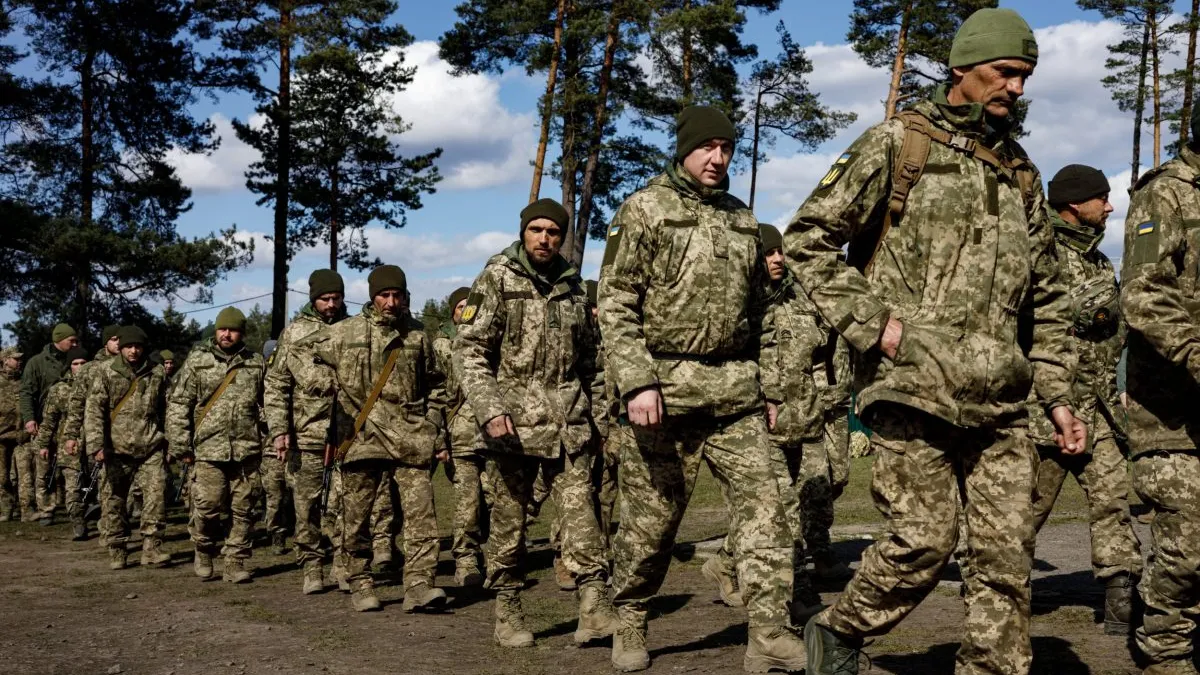
Today’s European armies are still largely organized, equipped, and trained for the wars of the past. This reflects a range of outdated assumptions relating to fundamental factors including the role of infantry, air superiority, and procurement cycles. Such assumptions can be fatal on the modern battlefield, especially against an enemy as battle-hardened and technologically advanced as Putin’s Russia.
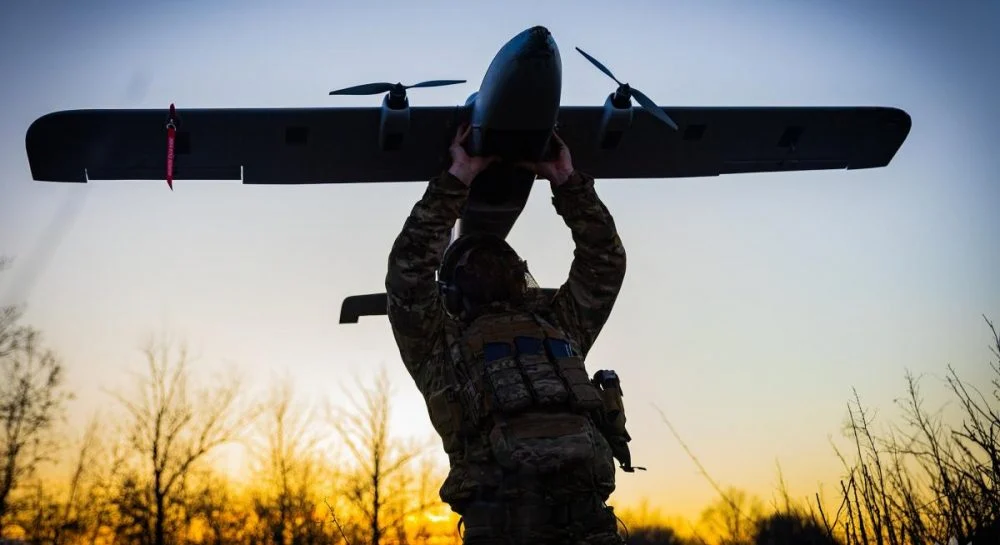
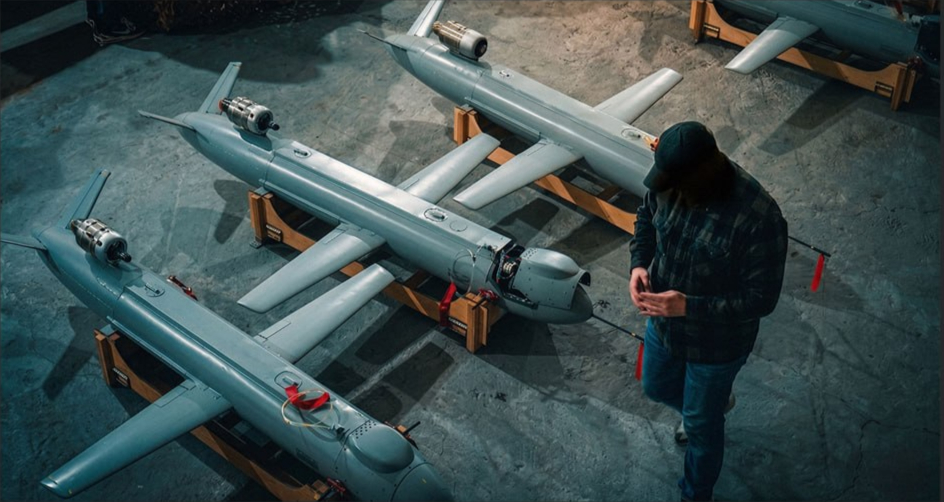
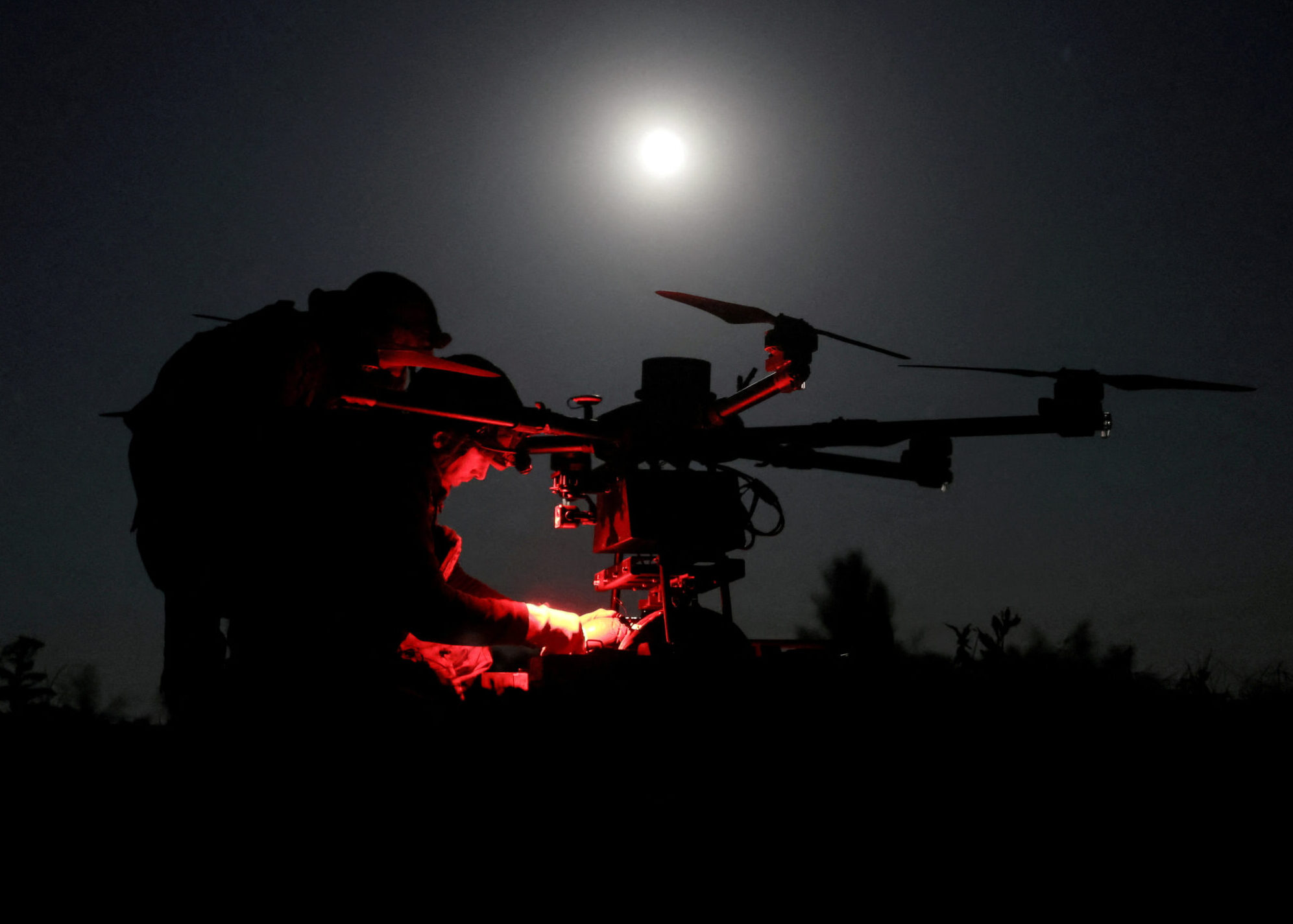
Ukraine’s battlefield success since 2022 has often been explained through the lens of new technologies. This is reasonable. After all, technological innovation has helped Ukraine hold off a much larger enemy. Ukraine’s use of drones has been particularly notable, leading to unprecedented cost effectiveness and much reduced casualty rates.