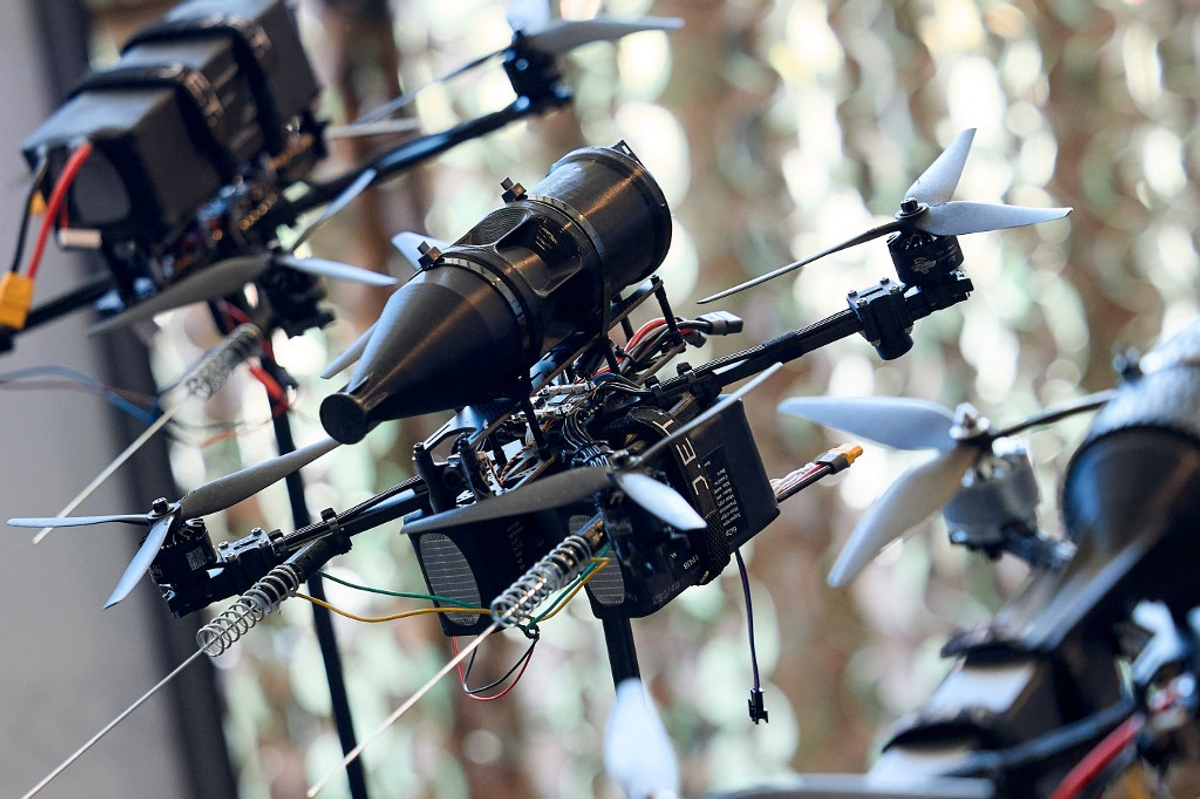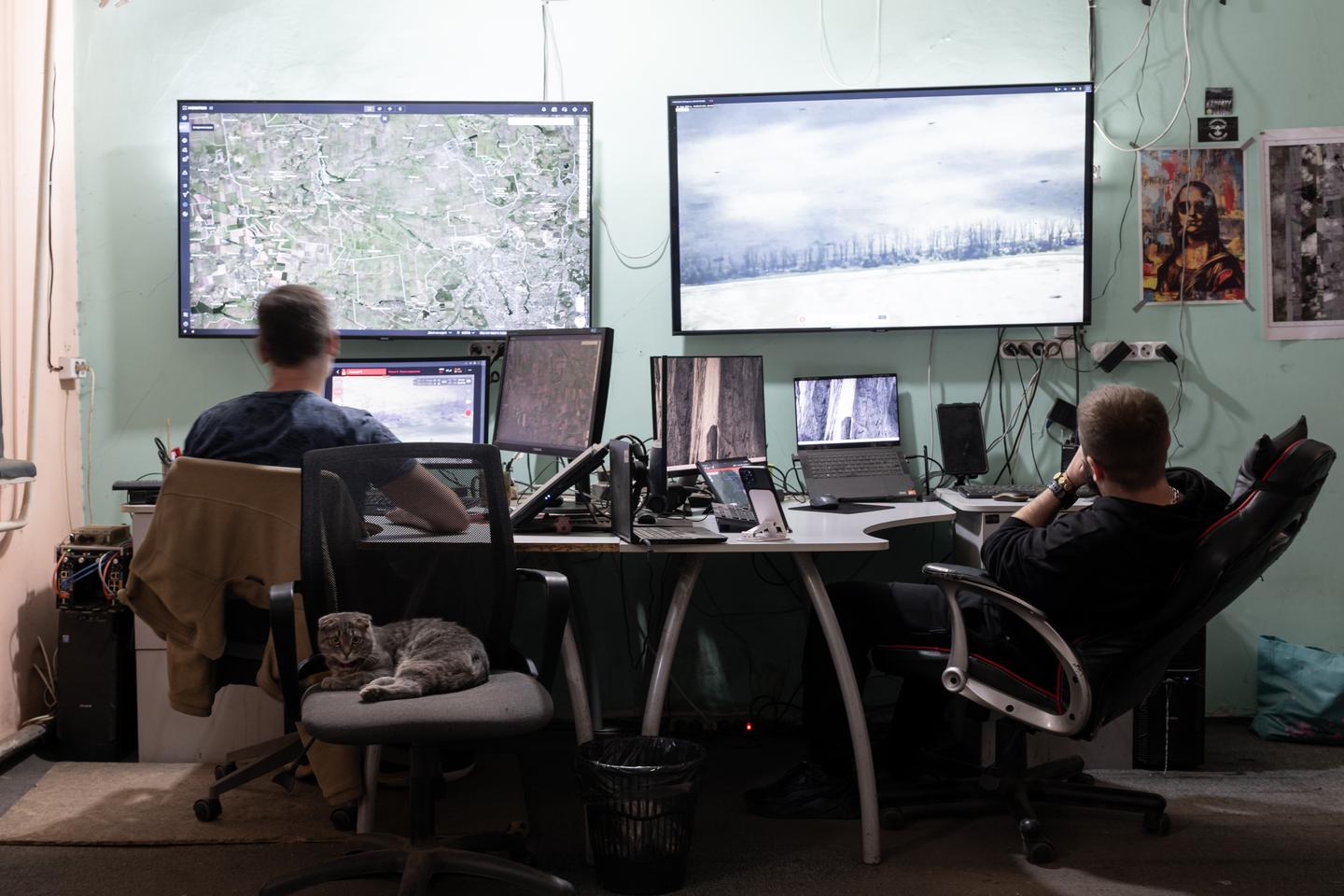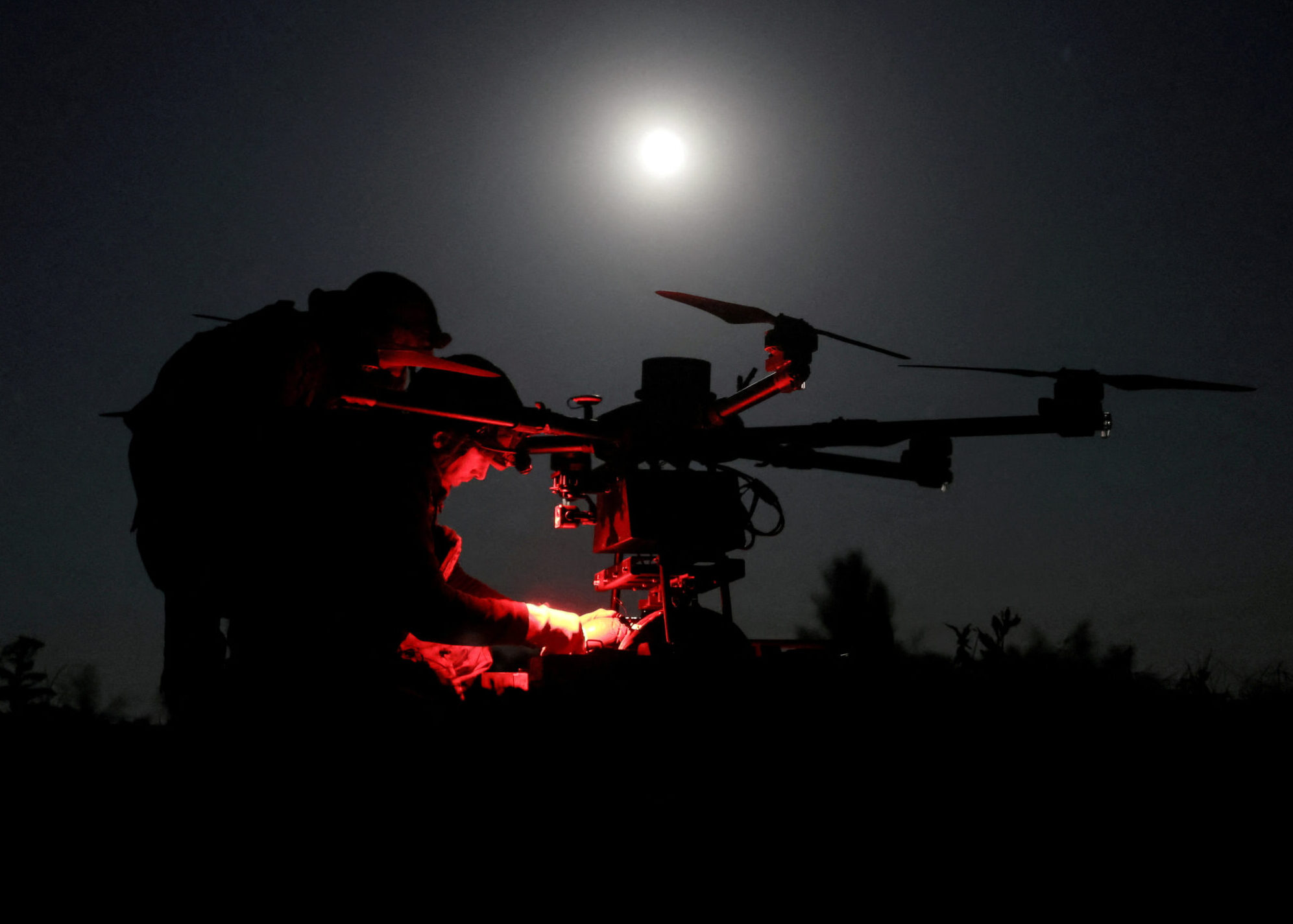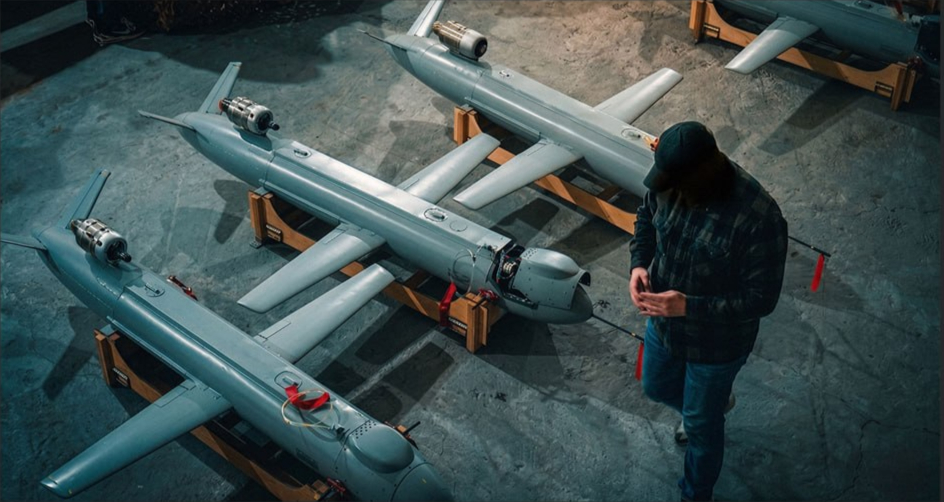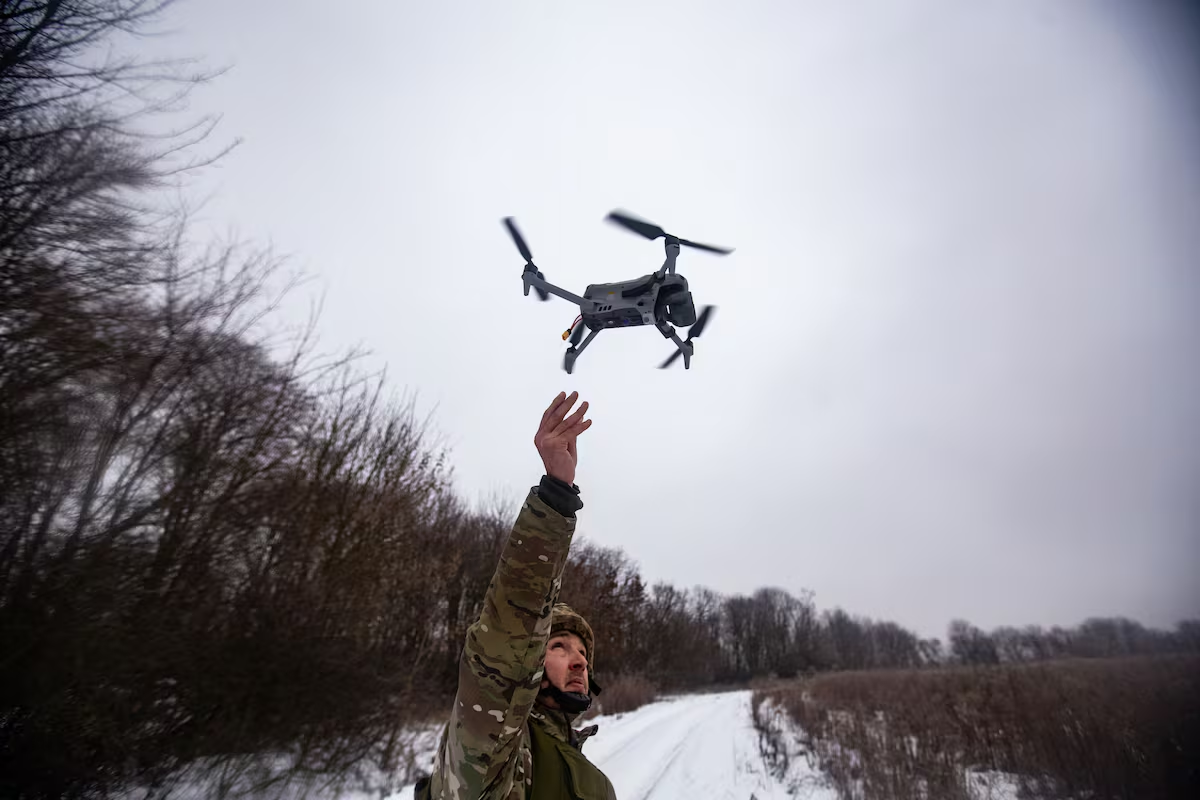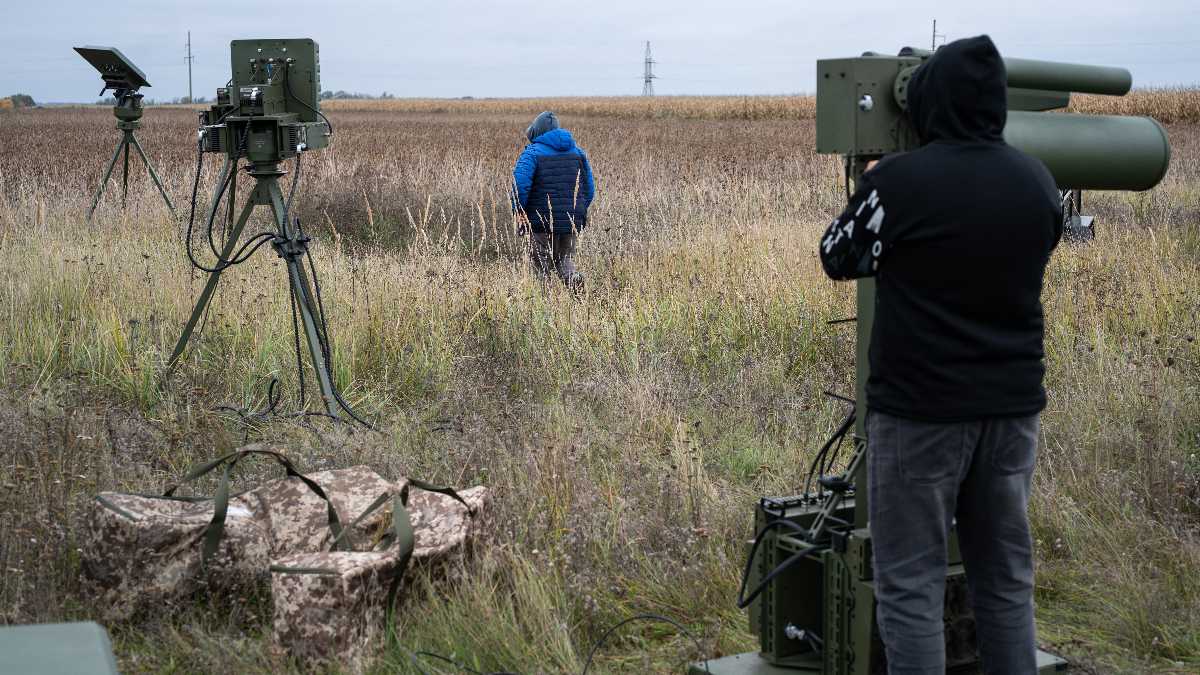
Although it has long been described as a trench warfare and an endless war of attrition, a silent revolution is hidden behind the reports from the Ukrainian front that is rewriting the very concept of national defense. Ukraine, transformed into an unexpected laboratory, has built a defense that unites the developers' garage with the frontline, thanks to digital platforms like Delta and the adoption of the Mosaic Warfare strategy. This technological flexibility is not only an example of resistance for Kyiv but constitutes the model that Europe is called to adopt to modernize its war industry, also through initiatives like "Build with Ukraine".
But a crucial paradox emerges: the reliance on defensive infrastructures managed by private actors—from Elon Musk to Palantir—raises the question of whether we are buying efficiency at the price of our own sovereignty. The challenge for Europe is therefore quite complicated: succeeding in integrating these innovative tactics while preserving strategic and ethical autonomy in a conflict increasingly delegated to algorithms.
In this article:From the garage to the country-systemBrave1 Market and when procurement becomes a market ecosystemDelta: the ecosystem that made Ukraine a bulwarkThe Mosaic Warfare revolutionThe "Build with Ukraine" planThe Combat Library is the most precious—and most contested—asset of the warThe paradox of dependence: Musk, Palantir, and the challenge of sovereigntyTowards European Technological Autonomy