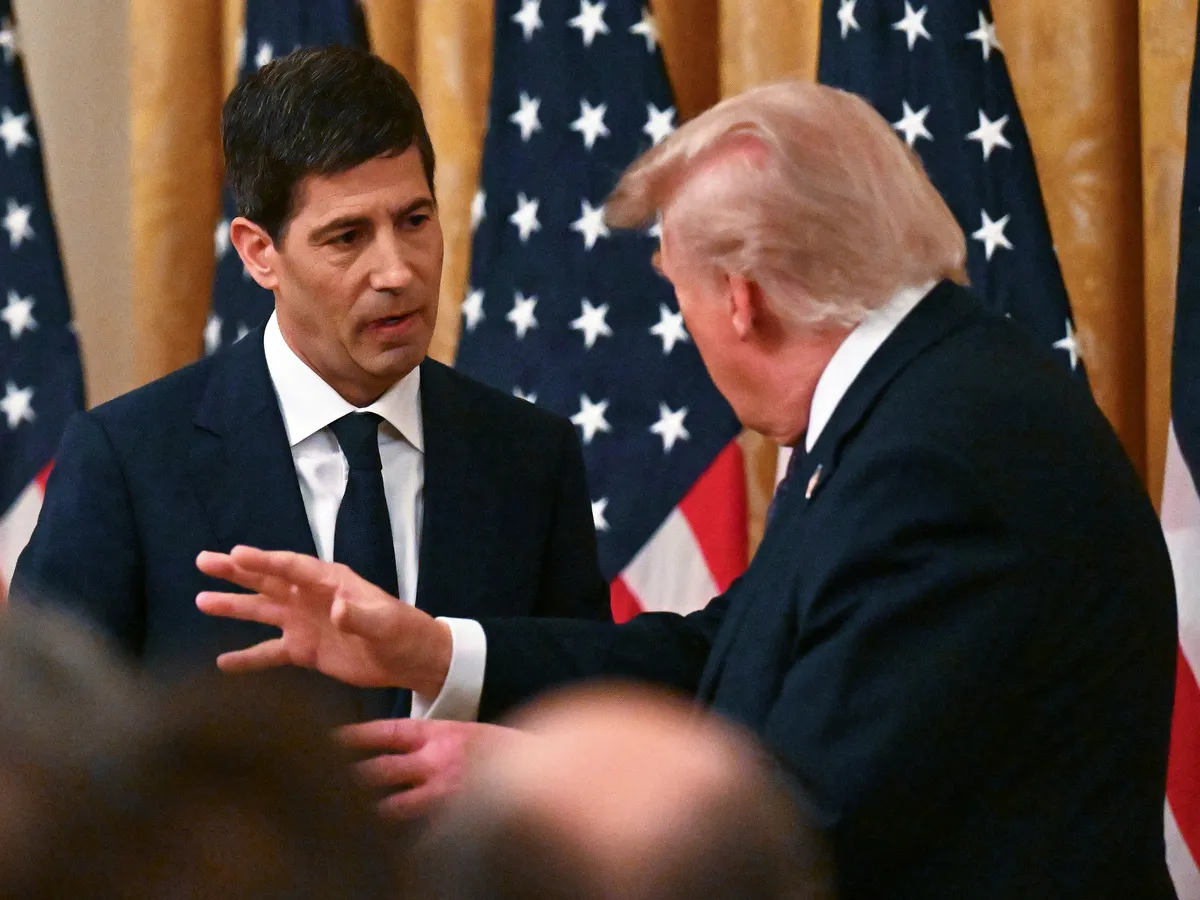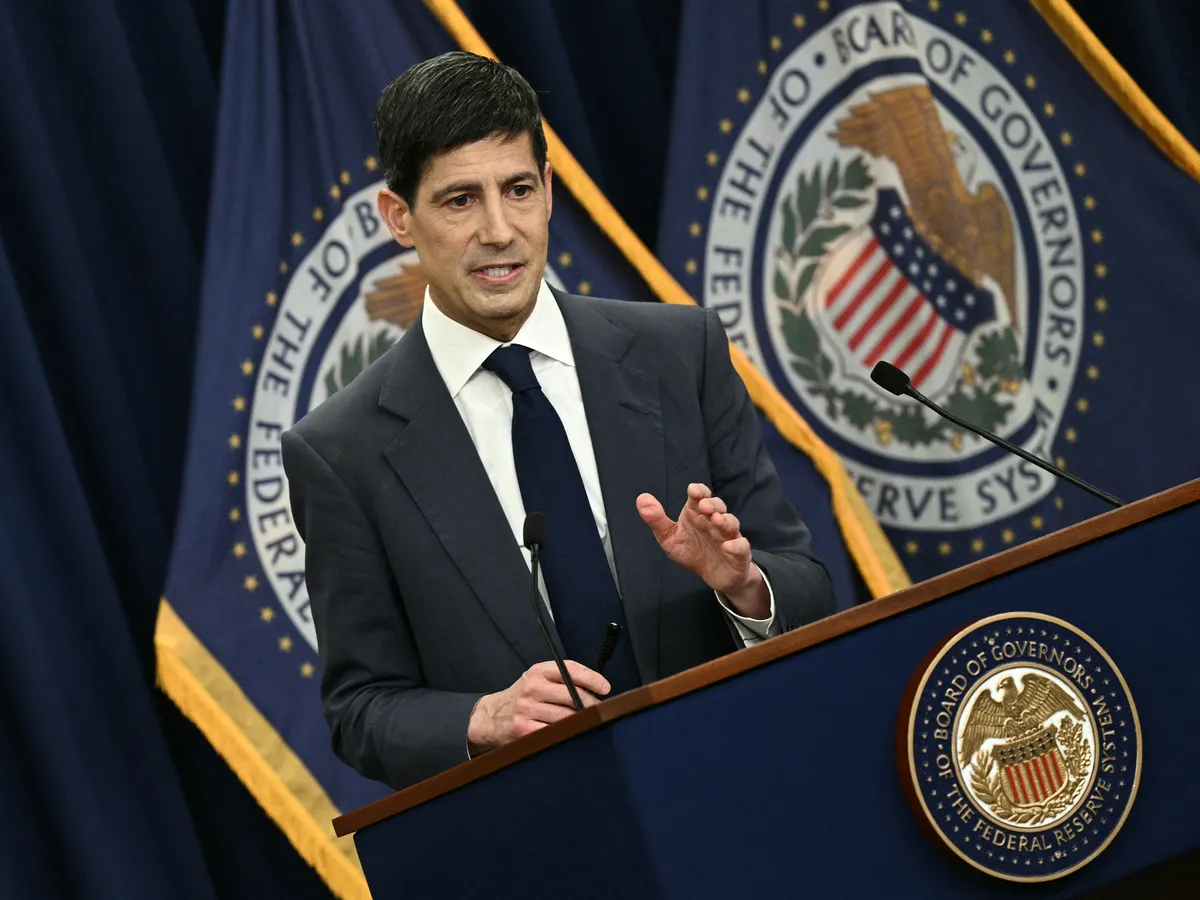
Skip to Content News Archives Economy Energy Oil & Gas Renewables Electric Vehicles Mining Commodities Agriculture Real Estate Mortgages Mortgage Rates Finance Banking Insurance Fintech Cryptocurrency Work Wealth Smart Money Wealth Management Investor Personal Finance Family Finance Retirement Taxes High Net Worth FP Comment Executive Women Puzzmo Newsletters Financial Times Business Essentials More Innovation Information Technology FP500 Podcasts Small Business Lives Told Tails Told Shopping Financial Post Store Obituaries Place a Notice Advertising Advertising With Us Advertising Solutions Postmedia Ad Manager Sponsorship Requests Classifieds Place a Classifieds ad Working Profile Settings My Subscriptions Saved Articles My Offers Newsletters Customer Service FAQ News Economy Energy Mining Real Estate Finance Work Wealth Investor FP Comment Executive Women Puzzmo Newsletters Financial Times Business Essentials HomeFP CommentOpinion: Bank of Canada should ignore the Fed and keep talkingNew Fed Chair Kevin Warsh is going to be terser in discussing how it sees the economy evolving. The Bank of Canada should not do the sameLast updated 48 minutes ago You can save this article by registering for free here. Or sign-in if you have an account.One of Kevin Warsh’s five task forces will deal explicitly with communications. Assuming Warsh listens to the task force, we look forward to seeing his dot plots. Photo by Brendan SMIALOWSKI/AFP via Getty ImagesCommunication is key to central banking. And key to that communication is the fine line between creating confusion by saying too much and creating unnecessary uncertainty by saying too little. Under its new Chairman, Kevin Warsh, the United States Federal Reserve is headed in the direction of minimalism. We think the Bank of Canada should keep talking and should also start providing projections of the path of interest rates.Subscribe now to read the latest news in your city and across Canada.Exclusive articles from Barbara Shecter, Joe O'Connor, Gabriel Friedman, and others.Daily content from Financial Times, the world's leading global business publication.Unlimited online access to read articles from Financial Post, National Post and 15 news sites across Canada with one account.National Post ePaper, an electronic replica of the print edition to view on any device, share and comment on.Daily puzzles, including the New York Times Crossword.Subscribe now to read the latest news in your city and across Canada.Exclusive articles from Barbara Shecter, Joe O'Connor, Gabriel Friedman and others.Daily content from Financial Times, the world's leading global business publication.Unlimited online access to read articles from Financial Post, National Post and 15 news sites across Canada with one account.National Post ePaper, an electronic replica of the print edition to view on any device, share and comment on.Daily puzzles, including the New York Times Crossword.Create an account or sign in to continue with your reading experience.Access articles from across Canada with one account.Share your thoughts and join the conversation in the comments.Enjoy additional articles per month.Get email updates from your favourite authors.Create an account or sign in to continue with your reading experience.Access articles from across Canada with one accountShare your thoughts and join the conversation in the commentsEnjoy additional articles per monthGet email updates from your favourite authorsSign In or Create an AccountorIn our recent C.D. Howe Institute study with our colleague Thorsten Koeppl of Queen’s University, we suggested how the Bank could tweak its communication strategy — which on balance is in good shape. For one thing, we think it should put less emphasis on different measures of core inflation, which are hard to explain and interpret, and focus more on describing how it intends to get headline inflation back to target.Get the latest headlines, breaking news and columns.By signing up you consent to receive the above newsletter from Postmedia Network Inc.A welcome email is on its way. If you don't see it, please check your junk folder.The next issue of Top Stories will soon be in your inbox.We encountered an issue signing you up. Please try againThe new Fed chair seems to favour a different approach. Kevin Warsh presided over his first meeting of the Federal Reserve Open Market Committee last month. The policy statement, associated projection materials and press conference that followed drew more interest than the decision itself — which was to hold the target range for the federal funds rate at 3.5 to 3.75 per cent.The statement was more terse than usual and gave no hint of where the Fed was headed. Committee members submitted their usual “dot plot” projections concerning the economy, inflation and the appropriate path for the Fed’s policy rate, but Warsh himself did not. In his press conference, he announced his intention to create five different task forces to overhaul the Fed’s core procedures but offered little in the way of explanation for the rate decision.Its new chair did emphasize the Fed’s commitment to price stability and he has also often stressed the importance of the Fed’s institutional independence. Both are laudable. But there is a fundamental tension between the commitment to independence and a much more laconic approach to communication. Some have likened this to a return to the Greenspan era (1987-2006), during which chairman Alan Greenspan, who died last month at age 100, spoke a good deal but often in a way that revealed little.In our view, reducing communication reduces transparency and accountability, which are important complements to independence.The Fed has a dual mandate: both an inflation target (currently two per cent) and “maximum employment.” Clear communication helps the public understand the open market committee’s views of the current state of the trade-off between these objectives. In contrast, the combination of two targets and no detailed explanation of decisions makes it difficult for Congress, the public and the markets to evaluate the Fed’s performance or hold it accountable.Projections are an important communication tool for any central bank. They allow outsiders to assess how the bank analyzes economic data and whether or not its successes come from skilled policy management or mere luck. Projections focus expectations. Without them, markets rely more on raw data releases, which can lead to larger market swings not necessarily driven by fundamental economic changes.Warsh’s remarks can be interpreted to mean he believes projections somehow commit the Fed to a particular course of action. But that’s wrong. Projections always need to be interpreted as conditional. The Fed’s economic projections come from forecasting models and are conditional on a projected path for the policy rate — the federal funds rate, the U.S. version of our overnight rate — which in turn depends on a feedback rule from economic conditions to that rate. If economic conditions change, so will the policy rate. This conditionality needs to be an integral part of the communication of any central bank.In our recent study, we recommended that the Bank regularly publish projections for its policy rate, which it currently does not do. It should also link them with a path for getting headline inflation back to target and make clear they are conditional on how the economy evolves.This approach would show the public how the Bank responds to new economic information — on inflation or output, for example. The central banks of Sweden and Norway have had some success with this strategy. A detailed empirical study by the Norwegian central bank found that publishing its policy rate projections reduced market volatility and led to a better alignment of expectations. It could do the same for both the Fed and the Bank of Canada.One of Kevin Warsh’s five task forces will deal explicitly with communications. Our own projection is that a truly independent task force will conclude that detailed communication is crucial in order to ensure transparency and accountability. Assuming Warsh listens to the task force, we look forward to seeing his dot plots.Steve Ambler, emeritus professor of economics at Université du Québec à Montréal, is the David Dodge Chair in Monetary Policy at the C.D. Howe Institute, where Jeremy Kronick is president and CEO. Join the Conversation This website uses cookies to personalize your content (including ads), and allows us to analyze our traffic. Read more about cookies here. By continuing to use our site, you agree to our Terms of Use and Privacy Policy.
Opinion: Bank of Canada should ignore the Fed and keep talking
New Fed Chair Kevin Warsh will be terser in discussing how it sees the economy evolving. The Bank of Canada should not do the same. Read on
1,342 words~6 min read