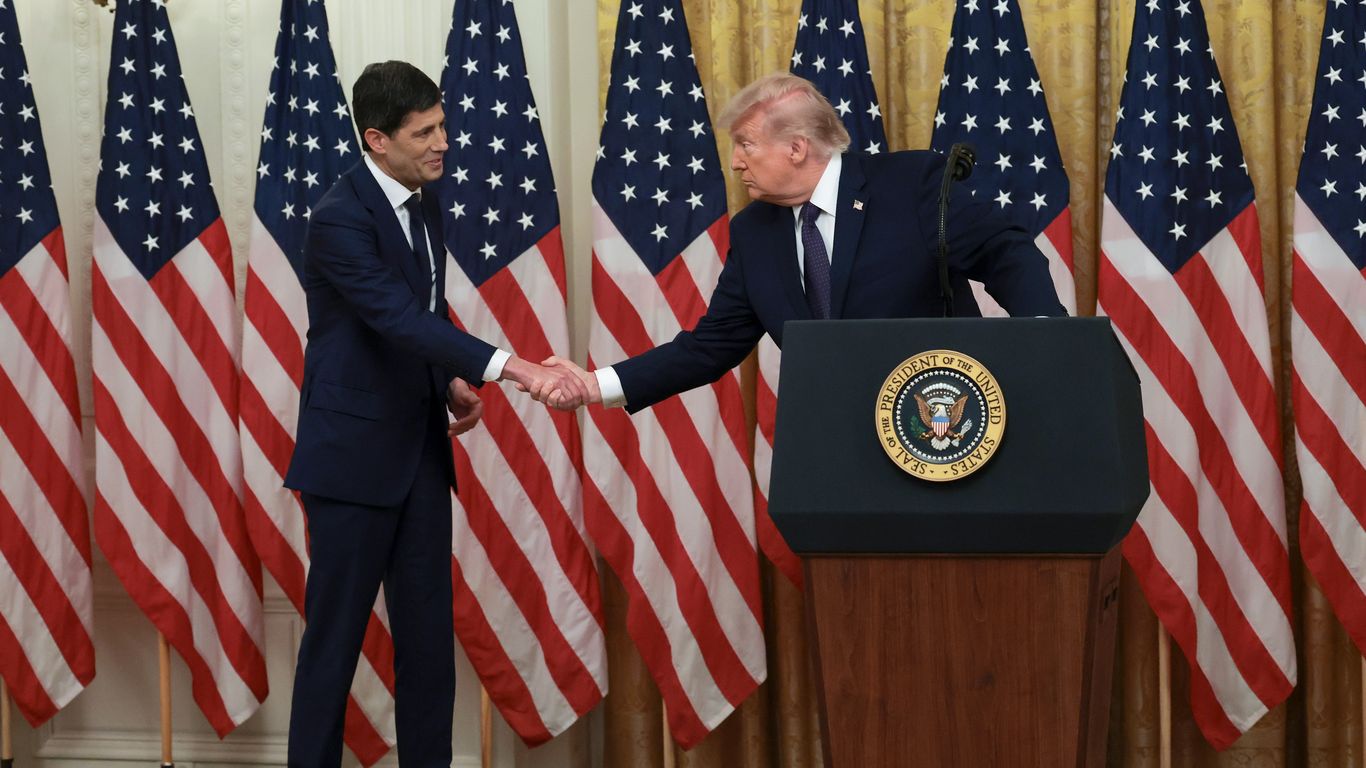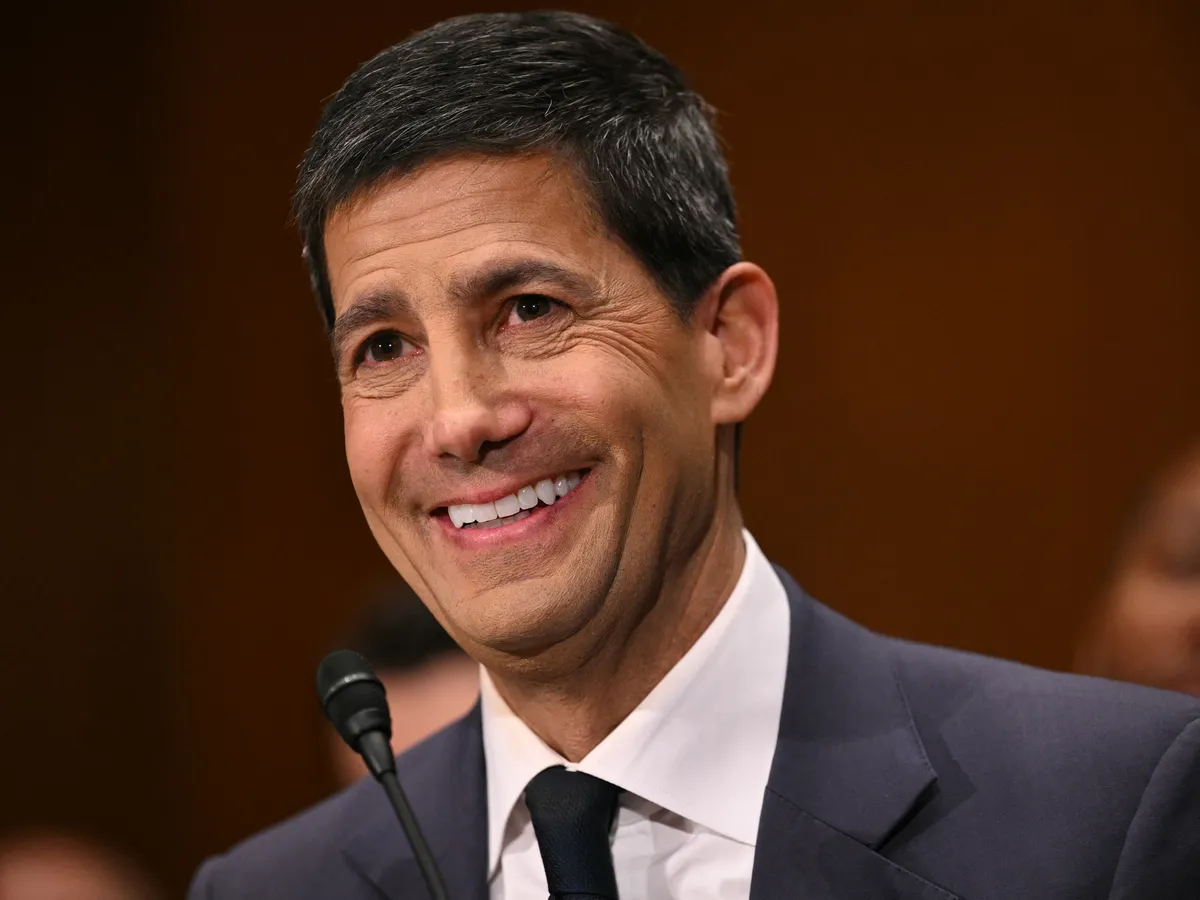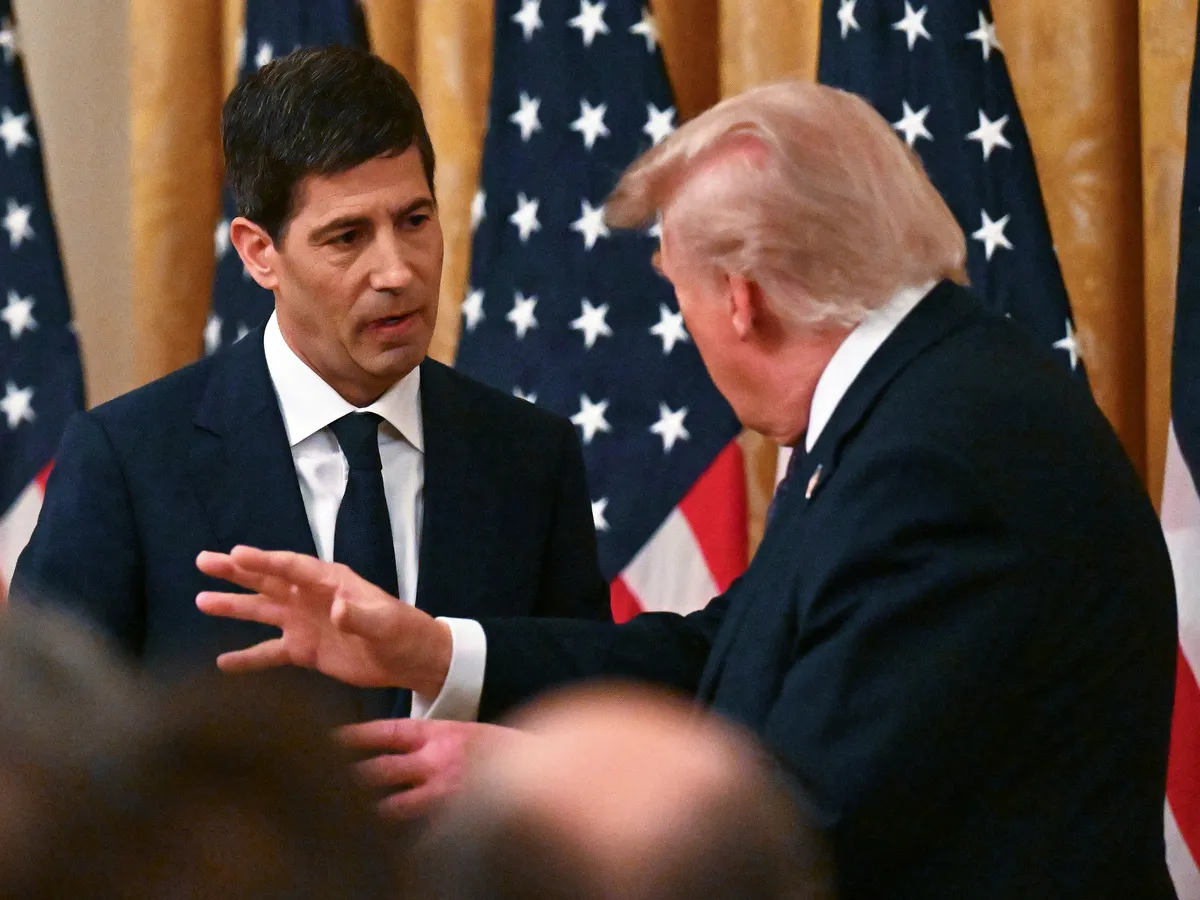
Skip to Content News Archives Economy Energy Oil & Gas Renewables Electric Vehicles Mining Commodities Agriculture Real Estate Mortgages Mortgage Rates Finance Banking Insurance Fintech Cryptocurrency Work Wealth Smart Money Wealth Management Investor Personal Finance Family Finance Retirement Taxes High Net Worth FP Comment Executive Women Puzzmo Newsletters Financial Times Business Essentials More Innovation Information Technology FP500 Podcasts Small Business Lives Told Tails Told Shopping Financial Post Store Obituaries Place a Notice Advertising Advertising With Us Advertising Solutions Postmedia Ad Manager Sponsorship Requests Classifieds Place a Classifieds ad Working Profile Settings My Subscriptions Saved Articles My Offers Newsletters Customer Service FAQ News Economy Energy Mining Real Estate Finance Work Wealth Investor FP Comment Executive Women Puzzmo Newsletters Financial Times Business Essentials HomeNewsEconomyWhy the Bank of Canada won't rush to cut rates, even if Warsh doesSome observers expect the new Fed chair to be more dovish than his predecessor Jerome Powell, but resurgent inflation could change that You can save this article by registering for free here. Or sign-in if you have an account.U.S. President Donald Trump speaks to Kevin Warsh (L) after he was sworn in as the new Chairman of the Federal Reserve in the East Room of the White House on May 22, 2026 in Washington, DC. Photo by Roberto Schmidt/Getty ImagesKevin Warsh was sworn in as chair of the U.S. Federal Reserve on Friday and the big question for economists — and for the Canadian economy — may be just how dovish he intends to be on interest rates. Subscribe now to read the latest news in your city and across Canada.Exclusive articles from Barbara Shecter, Joe O'Connor, Gabriel Friedman, and others.Daily content from Financial Times, the world's leading global business publication.Unlimited online access to read articles from Financial Post, National Post and 15 news sites across Canada with one account.National Post ePaper, an electronic replica of the print edition to view on any device, share and comment on.Daily puzzles, including the New York Times Crossword.Subscribe now to read the latest news in your city and across Canada.Exclusive articles from Barbara Shecter, Joe O'Connor, Gabriel Friedman and others.Daily content from Financial Times, the world's leading global business publication.Unlimited online access to read articles from Financial Post, National Post and 15 news sites across Canada with one account.National Post ePaper, an electronic replica of the print edition to view on any device, share and comment on.Daily puzzles, including the New York Times Crossword.Create an account or sign in to continue with your reading experience.Access articles from across Canada with one account.Share your thoughts and join the conversation in the comments.Enjoy additional articles per month.Get email updates from your favourite authors.Create an account or sign in to continue with your reading experience.Access articles from across Canada with one accountShare your thoughts and join the conversation in the commentsEnjoy additional articles per monthGet email updates from your favourite authorsSign In or Create an AccountorMost observers believe Warsh will be more sympathetic to U.S. President Donald Trump and his administration, which had aggressively pushed former Fed chief Jerome Powell to cut interest rates despite the country’s longstanding tradition of central bank independence. Warsh has pointed to the potential disinflationary impact of artificial intelligence as a reason that the U.S. central bank should be cautious about hiking rates. Get the latest headlines, breaking news and columns.By signing up you consent to receive the above newsletter from Postmedia Network Inc.A welcome email is on its way. If you don't see it, please check your junk folder.The next issue of Top Stories will soon be in your inbox.We encountered an issue signing you up. Please try againBut he is taking over at a time when U.S. inflation is resurgent, jumping to 3.8 per cent in April, up from 3.3 per cent a month earlier as the war in Iran has pushed up the price of oil, something that will make cutting rates trickier.“Warsh is dovish. He’s been leaning toward the idea that the Fed should be cutting rates, but it’s unlikely he’s going to step up and do that while inflation is still roaring ahead due to the war,” said Avery Shenfeld, managing director and chief economist at CIBC Capital Markets. “He would be the lone vote for that on the committee right now.” Currently, the Fed’s key lending rate target sits between 3.5 per cent and 3.75 per cent. If the Warsh Fed does aggressively pursue rate cuts, Shenfeld said it is unlikely that the Bank of Canada, whose key lending rate is sits at 2.25 per cent, will do the same. “Canada has already cut interest rates much more aggressively than the Federal Reserve in this cycle. So to some extent, if the Federal Reserve cut interest rates, they would just be taking a step to narrow a considerable interest rate gap with Canadian rates, which are now a fair bit lower,” he added. One impact of lower U.S. rates would be a stronger Canadian dollar relative to the greenback, said Angelo Melino, an economist and professor at the University of Toronto.This could lead to cheaper goods due to lower import costs, but would also make Canadian exports less competitive. Melino noted the Bank of Canada is under no obligation to follow U.S. policy, but might feel some pressure from the stronger loonie. “We have a floating exchange rate, so the Bank of Canada could do anything it wants to achieve its inflation targets within the current framework,” Melino said. “But overall, I think the main impact would be that goods would be cheaper and the demand for our exports would be lower. So there would be some obvious reason for the (Bank of Canada) to follow the cuts, if they happen.” Debasement of the U.S. currency has been an ongoing concern of economists and traders. Last July, Trump told reporters that while he appreciates a strong dollar, “you make a hell of lot more money with a weaker dollar.” Fears that rising inflation, deepening government deficits and monetary easing could lead to a weaker U.S. dollar have fuelled what JPMorgan Chase & Co. analysts called the “debasement trade,” in which investors have prioritized hard assets such as gold, real estate and cryptocurrencies to avoid potential dilution. But Shenfeld said Canada’s exports will be more sensitive to U.S. tariffs and the upcoming Canada-U.S.-Mexico Agreement negotiations, than to any changes in the value of the U.S. dollar. “The Canadian dollar might gain a few cents in the exchange rate against the U.S. dollar, but that’s not going to be a material change in the condition of our export performance. That’s going to be much more sensitive to what we’re able to negotiate on trade discussions with our American partners,” he said. “Industries that still have free trade access to the American market are worried they could lose it.” Melino noted that a debasement strategy could cause the inflation rate to rise in the U.S., which would have short-term effects on Canada’s exports and imports, but that real prices would adjust over time. “There may be short run pressures from some of the inflationary impulses that are arising from domestic U.S. sources as well, but over the medium- and longer-term Canada can have whatever inflation rate it chooses,” he said.He said that a weaker U.S. dollar was not something Canadian energy and manufacturing companies should worry about. “Usually, high inflation (gives) a sense that you don’t have good control of your finances,” he added. “It’s a sign you’re not running an economy well. That’s not the kind of place that people want to invest in.” With files from Jane Switzer. Join the Conversation This website uses cookies to personalize your content (including ads), and allows us to analyze our traffic. Read more about cookies here. By continuing to use our site, you agree to our Terms of Use and Privacy Policy.
Why the Bank of Canada won't rush to cut rates, even if Warsh does
Some observers expect Kevin Warsh to be more dovish than predecessor Jerome Powell, but resurgent inflation could change that. Read more.
1,307 words~6 min read