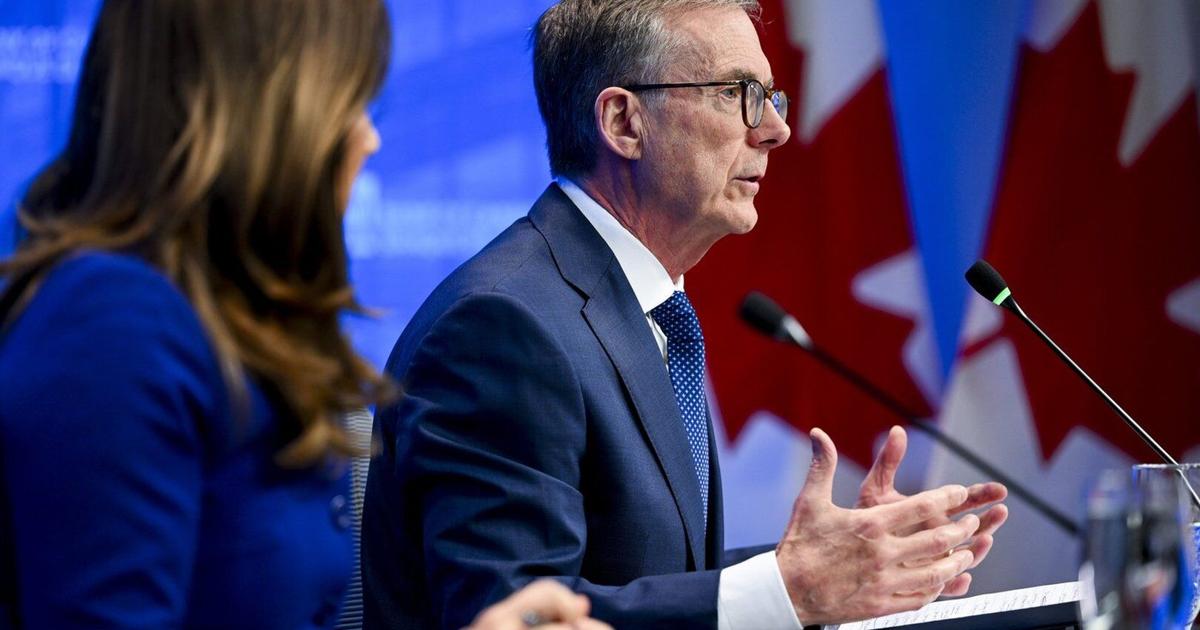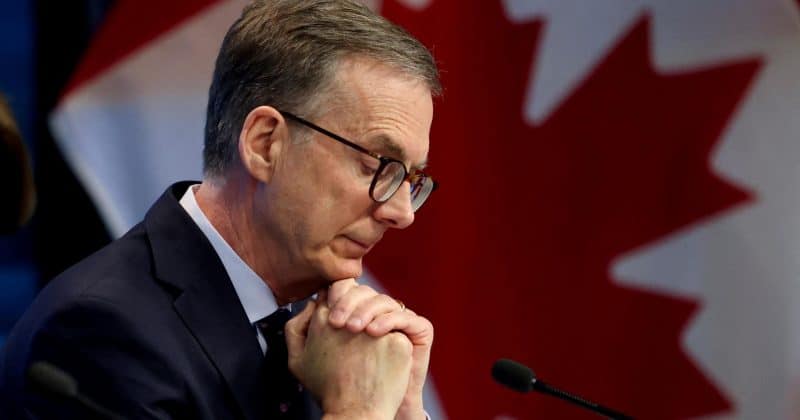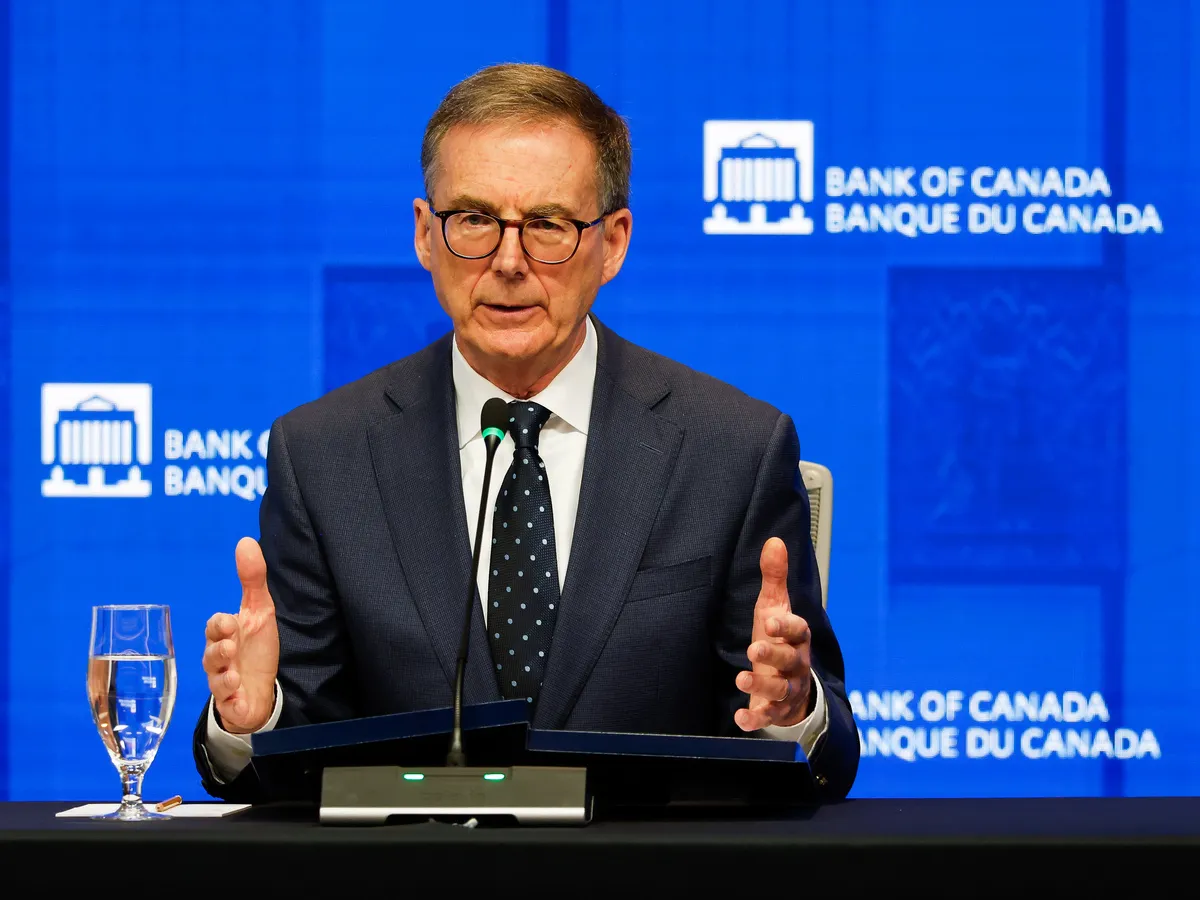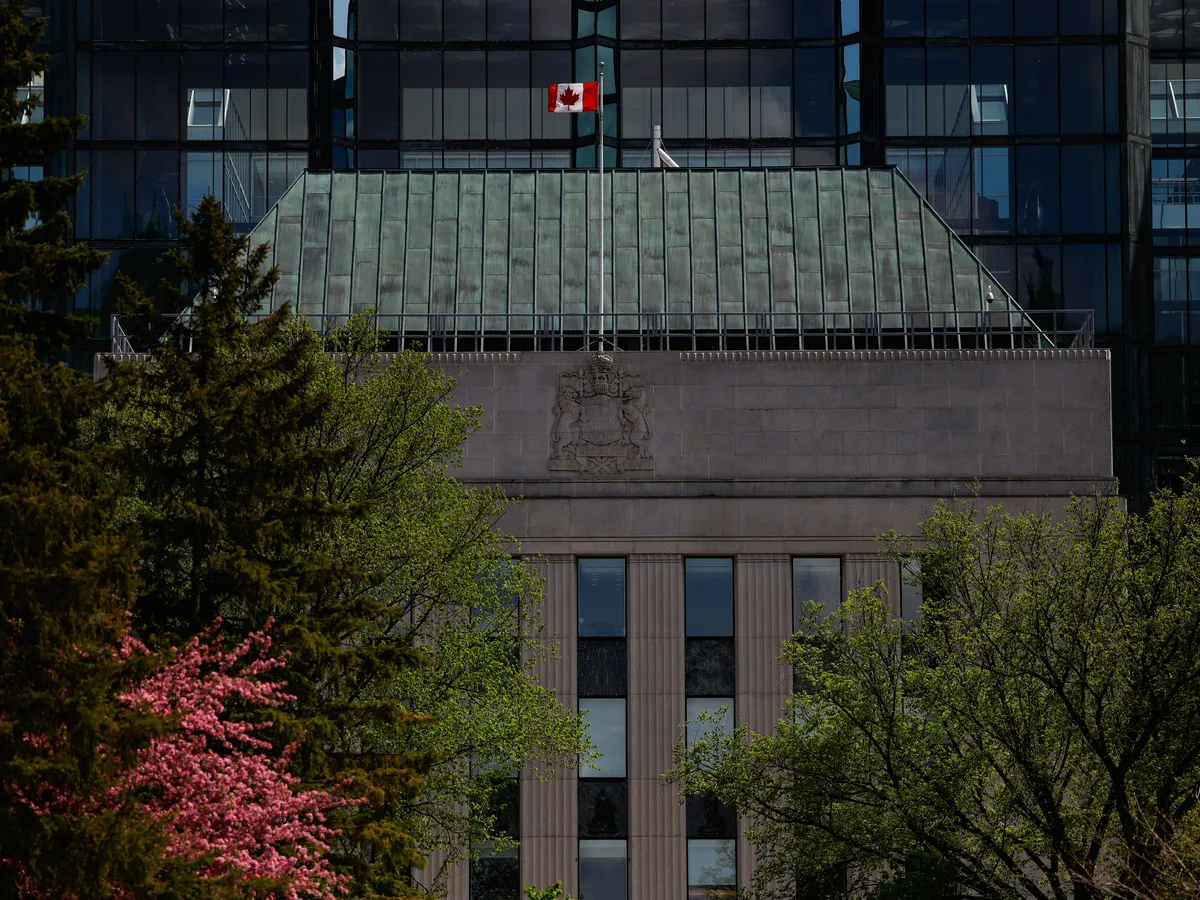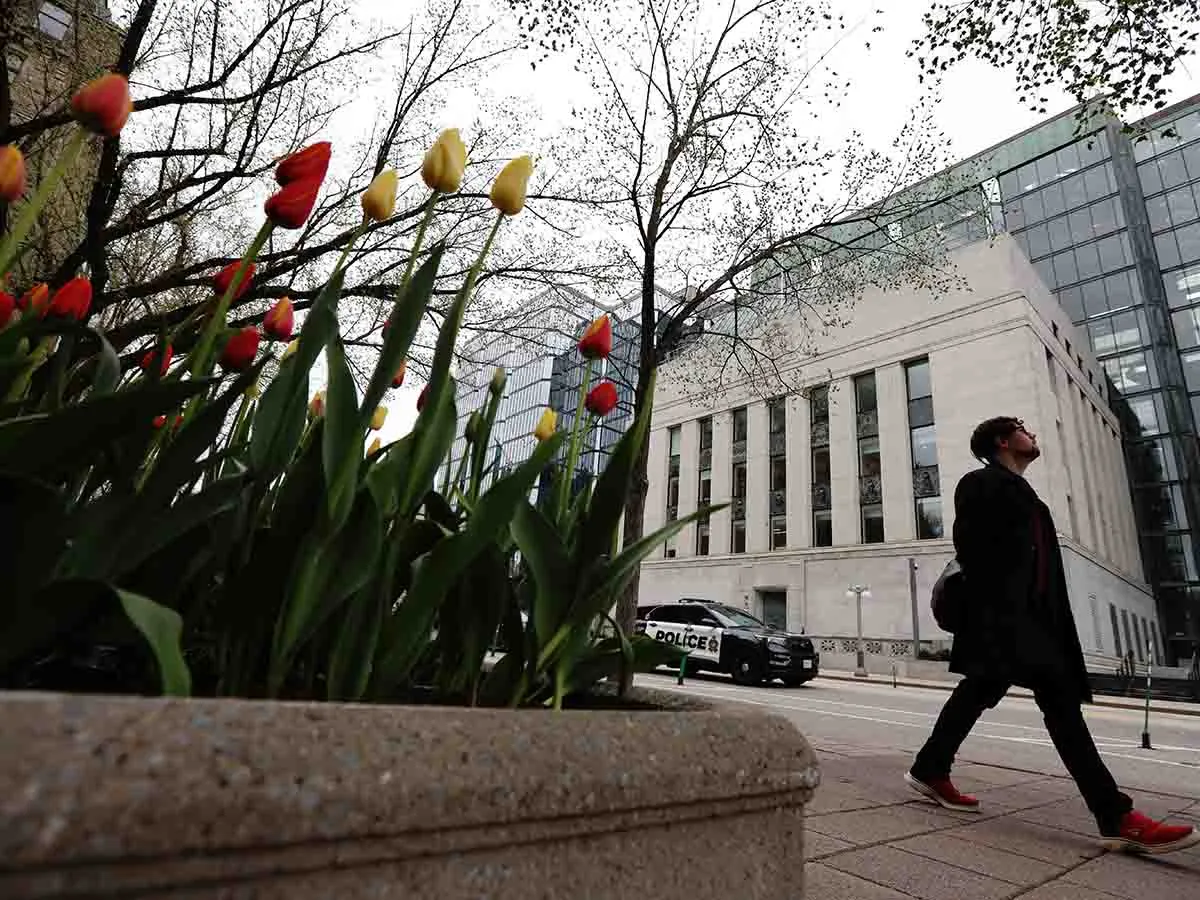
Skip to Content News Archives Economy Energy Oil & Gas Renewables Electric Vehicles Mining Commodities Agriculture Real Estate Mortgages Mortgage Rates Finance Banking Insurance Fintech Cryptocurrency Work Wealth Smart Money Wealth Management Investor Personal Finance Family Finance Retirement Taxes High Net Worth FP Comment Executive Women Puzzmo Newsletters Financial Times Business Essentials More Innovation Information Technology FP500 Podcasts Small Business Lives Told Tails Told Shopping Financial Post Store Obituaries Place a Notice Advertising Advertising With Us Advertising Solutions Postmedia Ad Manager Sponsorship Requests Classifieds Place a Classifieds ad Working Profile Settings My Subscriptions Saved Articles My Offers Newsletters Customer Service FAQ News Economy Energy Mining Real Estate Finance Work Wealth Investor FP Comment Executive Women Puzzmo Newsletters Financial Times Business Essentials HomeNewsEconomyBank of Canada likely to hold on weaker-than-expected growth, economists sayThe central bank makes its next rate announcement on WednesdayAuthor of the article:Last updated 1 hour ago You can save this article by registering for free here. Or sign-in if you have an account.The Bank of Canada building in Ottawa. Economists are calling for the Bank of Canada to hold interest rates for a fifth consecutive time at its next decision on June 10. Photo by David Kawai /BloombergThe Bank of Canada is widely expected to continue holding its policy interest rate for a fifth consecutive meeting, after recent data pointed to a weaker economy than the central bank had projected.Subscribe now to read the latest news in your city and across Canada.Exclusive articles from Barbara Shecter, Joe O'Connor, Gabriel Friedman, and others.Daily content from Financial Times, the world's leading global business publication.Unlimited online access to read articles from Financial Post, National Post and 15 news sites across Canada with one account.National Post ePaper, an electronic replica of the print edition to view on any device, share and comment on.Daily puzzles, including the New York Times Crossword.Subscribe now to read the latest news in your city and across Canada.Exclusive articles from Barbara Shecter, Joe O'Connor, Gabriel Friedman and others.Daily content from Financial Times, the world's leading global business publication.Unlimited online access to read articles from Financial Post, National Post and 15 news sites across Canada with one account.National Post ePaper, an electronic replica of the print edition to view on any device, share and comment on.Daily puzzles, including the New York Times Crossword.Create an account or sign in to continue with your reading experience.Access articles from across Canada with one account.Share your thoughts and join the conversation in the comments.Enjoy additional articles per month.Get email updates from your favourite authors.Create an account or sign in to continue with your reading experience.Access articles from across Canada with one accountShare your thoughts and join the conversation in the commentsEnjoy additional articles per monthGet email updates from your favourite authorsSign In or Create an AccountorFinancial markets and economists surveyed by Bloomberg expect the Bank of Canada to maintain its policy rate at 2.25 per cent on Wednesday. Statistics Canada’s first quarter gross domestic product (GDP) report, which showed the economy shrank slightly for a second consecutive quarter, threw cold water on rate-hike expectations this year even as the global oil shock drives up prices.Only two of 15 of economists surveyed said they expect the central bank will raise interest rates this year, while financial markets are pricing in a hike by December.Get the latest headlines, breaking news and columns.By signing up you consent to receive the above newsletter from Postmedia Network Inc.A welcome email is on its way. If you don't see it, please check your junk folder.The next issue of Top Stories will soon be in your inbox.We encountered an issue signing you up. Please try againFollowing April’s rate decision, governor Tiff Macklem said the current benchmark rate appears to be “appropriate” to help the economy adjust to U.S. tariffs and bring inflation back to target. But he warned if energy prices feed into generalized inflation, there may be a need for consecutive rate increases.Benjamin Reitzes, managing director of Canadian rates and macro strategist at the Bank of Montreal, said he expects the central bank to tone down its “hawkish” language from the last meeting.“It’s challenging to rationalize threatening consecutive hikes again given how the macro backdrop has evolved,” Reitzes said in a report. “There’s little impetus to move rates in either direction at the moment, consistent with our view that policy rates will remain unchanged through the rest of 2026.”Economists widely agree that the data isn’t bad enough to declare a recession. Preliminary figures also suggest the economy was likely doing better in the second quarter, with a flash estimate pointing to 0.4 per cent growth in April. May’s labour force survey showed the jobless rate fell to 6.6 per cent as employment shot up by 87,800.“The Bank of Canada is likely to push back on the view that two consecutive quarters of GDP contraction constitute a recession, given that the magnitude of the decline is small and well within the range of future data revisions, as well as evidence that the economy is rebounding again in Q2,” Canadian Imperial Bank of Commerce senior economist Andrew Grantham said in a note to investors.“However, they will have to concede that, looking through the volatility, the one per cent average growth rate we seem to be tracking for the first half of the year is a touch weaker than they had previously been forecasting.”Bank of Canada senior deputy governor Carolyn Rogers weighed in on the latest GDP report in a House of Commons committee appearance last week, also cautioning against putting too much weight on the data.“Two quarters of annualized contraction in GDP does meet one definition of a recession. But simply the fact that you have to put the term ‘technical’ in front of it sort of tells you that you need to really look past that one indicator,” Rogers said.Bloomberg’s survey found nine economists believe there is a 50 per cent probability that Canada enters a recession this year, while five said it was unlikely. The survey was conducted from June 2 to June 5.At the same time, 13 economists said that economic slack will keep price pressures in check, even though higher oil prices are driving up overall inflation.Headline inflation rose to 2.8 per cent in April, reaching the highest level in nearly two years but coming in lower than the 3.1 per cent economists had expected.Core measures of inflation also eased that month, with the average of the Bank of Canada’s trim and median metrics at 2.05 per cent, the lowest it’s been since January 2021. Meanwhile, inflation excluding food and energy fell to 1.5 per cent, the lowest level since March 2021.Macklem and Rogers will speak to reporters at 10:30 a.m. Ottawa time on Wednesday.—With assistance from Dana Morgan and Mario Baker Ramirez. Join the Conversation This website uses cookies to personalize your content (including ads), and allows us to analyze our traffic. Read more about cookies here. By continuing to use our site, you agree to our Terms of Use and Privacy Policy.
Bank of Canada likely to hold on weaker-than-expected growth, economists say
Bank of Canada is widely expected to continue holding its policy interest rate for a fifth consecutive meeting, on a weaker economy. Read on
1,167 words~5 min read