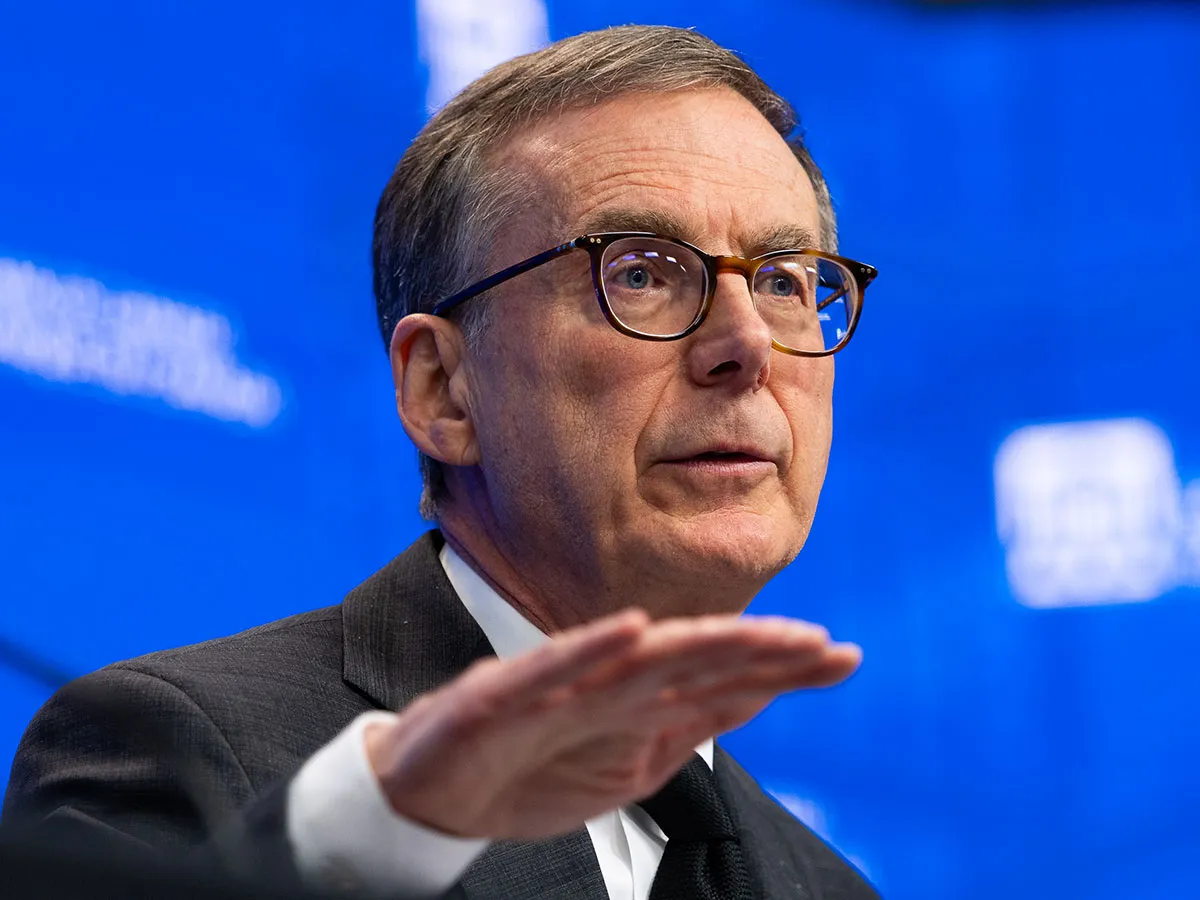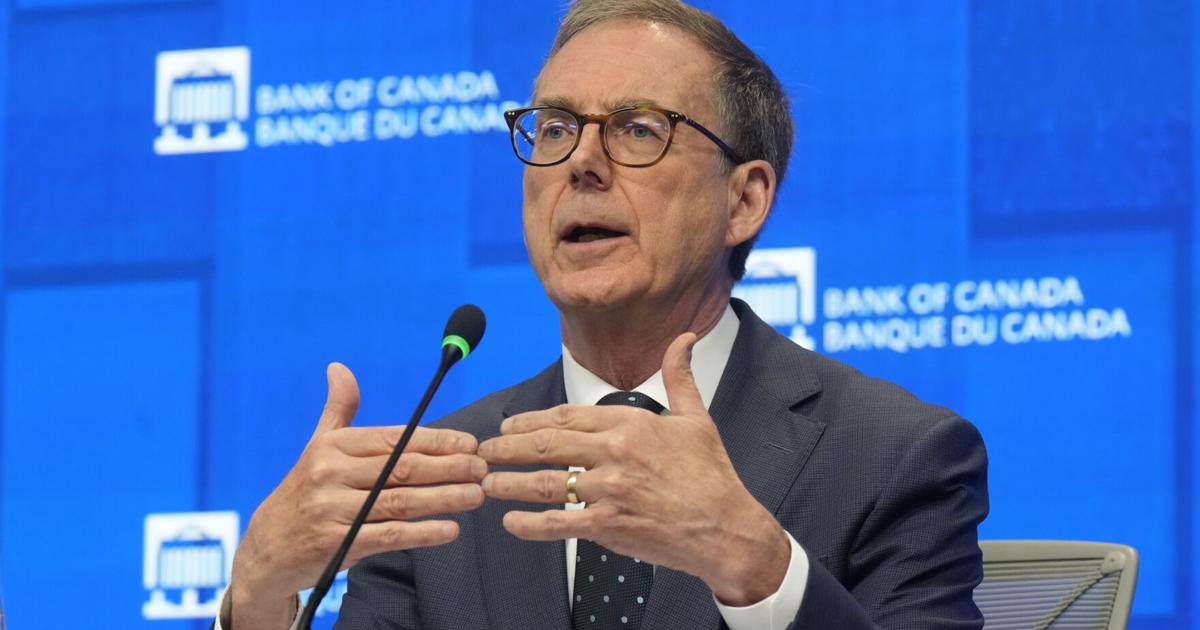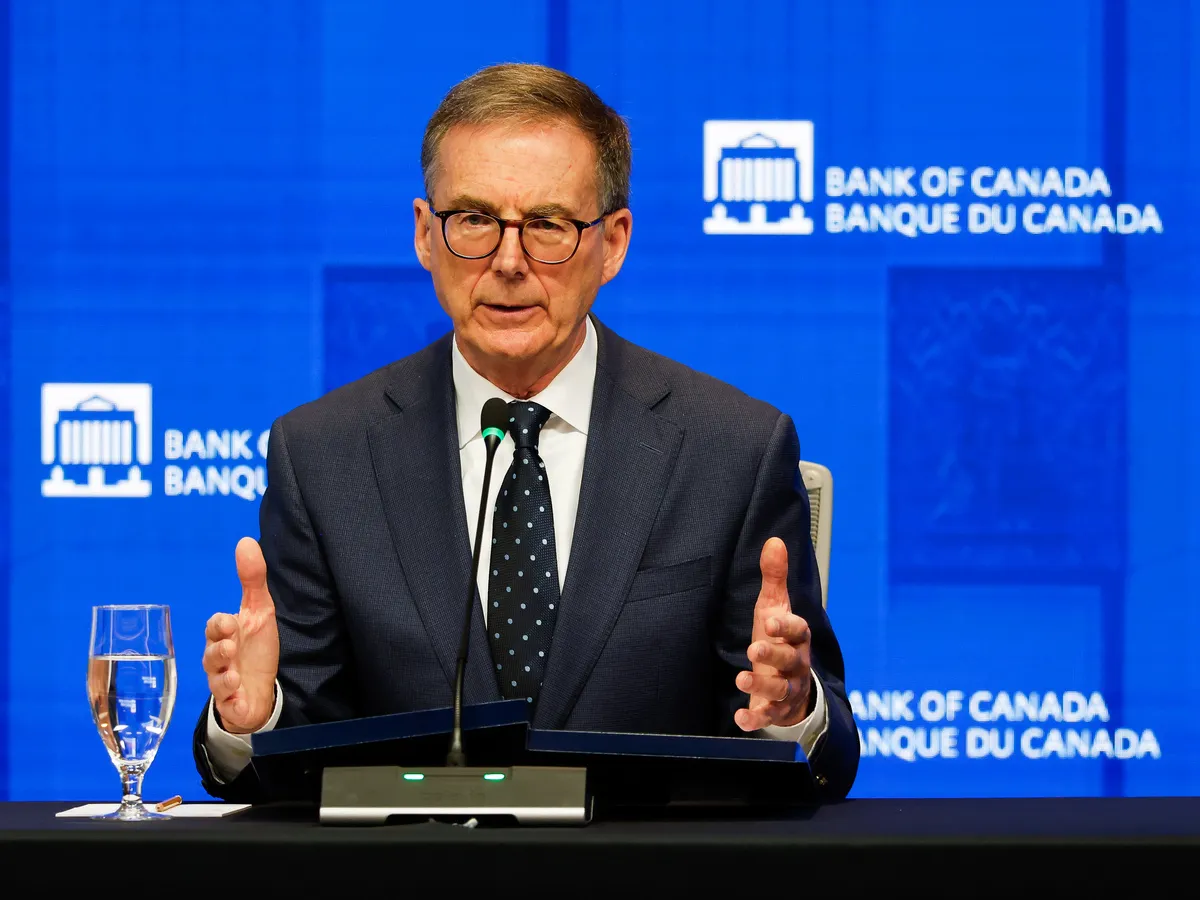
Skip to Content News Archives Economy Energy Oil & Gas Renewables Electric Vehicles Mining Commodities Agriculture Real Estate Mortgages Mortgage Rates Finance Banking Insurance Fintech Cryptocurrency Work Wealth Smart Money Wealth Management Investor Personal Finance Family Finance Retirement Taxes High Net Worth FP Comment Executive Women Puzzmo Newsletters Financial Times Business Essentials More Innovation Information Technology FP500 Podcasts Small Business Lives Told Tails Told Shopping Financial Post Store Obituaries Place a Notice Advertising Advertising With Us Advertising Solutions Postmedia Ad Manager Sponsorship Requests Classifieds Place a Classifieds ad Working Profile Settings My Subscriptions Saved Articles My Offers Newsletters Customer Service FAQ News Economy Energy Mining Real Estate Finance Work Wealth Investor FP Comment Executive Women Puzzmo Newsletters Financial Times Business Essentials HomeNewsEconomyBank of Canada expected to hold interest rate as weak economy, heightened uncertainty persistIf policymakers decide to hold rates again, it will be the sixth consecutive meeting where it was left unchangedLast updated 1 hour ago You can save this article by registering for free here. Or sign-in if you have an account.Tiff Macklem, governor of the Bank of Canada, during a news conference in Ottawa on June 10. Photo by HYUNGCHEOL PARK/PostmediaEconomists say the Bank of Canada will likely hold its overnight rate at 2.25 per cent on Wednesday because the economy continues to face elevated uncertainty from the conflict in the Middle East and United States tariffs.Subscribe now to read the latest news in your city and across Canada.Exclusive articles from Barbara Shecter, Joe O'Connor, Gabriel Friedman, and others.Daily content from Financial Times, the world's leading global business publication.Unlimited online access to read articles from Financial Post, National Post and 15 news sites across Canada with one account.National Post ePaper, an electronic replica of the print edition to view on any device, share and comment on.Daily puzzles, including the New York Times Crossword.Subscribe now to read the latest news in your city and across Canada.Exclusive articles from Barbara Shecter, Joe O'Connor, Gabriel Friedman and others.Daily content from Financial Times, the world's leading global business publication.Unlimited online access to read articles from Financial Post, National Post and 15 news sites across Canada with one account.National Post ePaper, an electronic replica of the print edition to view on any device, share and comment on.Daily puzzles, including the New York Times Crossword.Create an account or sign in to continue with your reading experience.Access articles from across Canada with one account.Share your thoughts and join the conversation in the comments.Enjoy additional articles per month.Get email updates from your favourite authors.Create an account or sign in to continue with your reading experience.Access articles from across Canada with one accountShare your thoughts and join the conversation in the commentsEnjoy additional articles per monthGet email updates from your favourite authorsSign In or Create an AccountorIf policymakers decide to hold the overnight rate again, it will be the sixth consecutive meeting where it was left unchanged.The central bank’s latest meeting comes after United States President Donald Trump’s administration said it would not renew the Canada-U.S.-Mexico Agreement (CUSMA) for another 16 years, triggering up to 10 years of annual reviews, and after the interim peace agreement between the U.S. and Iran collapsed when Iranian forces attacked commercial vessels in the Strait of Hormuz and launched ballistic missiles at a U.S. base in Jordan.Tony Stillo, director of Canada economics at Oxford Economics Ltd., said the recent developments and the sluggish Canadian economy mean the central bank’s governing council will be in a “pickle” for a while.SUBSCRIBER EXCLUSIVE: FP West: Energy Insider brings you behind the oilpatch’s closed doors with exclusive insights from insiders every Wednesday morning.By signing up you consent to receive the above newsletter from Postmedia Network Inc.A welcome email is on its way. If you don't see it, please check your junk folder.The next issue of FP West: Energy Insider will soon be in your inbox.We encountered an issue signing you up. Please try againIf policymakers raise rates to combat high inflation and then oil prices quickly came down, he said the higher rates would further weaken the economy, but if they cuts rates to support economic growth, it will increase the risk that inflation remains high and passes through to other goods and services.“Our take is that they’re going to hold and leave it as is. They’ll have to be nimble and respond depending on where they see the economy going for the next little while,” Stillo said. “The question is whether the latest developments represent a bump in the road or are we just emerging from the eye of the storm and we’re going to see a re-escalation in oil prices.”Maria Solovieva, an economist at TD Economics, said the Bank of Canada’s main concern will be whether the energy price shock has fed into other goods and services.TD Economics expects higher energy prices will broadly filter through to other things, but the impact on core inflation will be mitigated by a sluggish economy.Bank of Canada governor Tiff Macklem has repeatedly said there is little evidence to suggest higher energy prices are feeding generalized inflation. Headline inflation accelerated to 3.2 per cent in May due to surging gas prices, but core inflation measures remained relatively stable.“We still expect the Bank of Canada to hold interest rates,” Solovieva said. “It would be interesting to see what the Bank of Canada is thinking about inflation expectations.”Both economists say recession risks remain elevated, especially since the U.S. has threatened to leave CUSMA early, which would negatively impact Canadian private investments and exports.Oxford Economics recently downgraded its 2027 real gross domestic product growth forecast for Canada to 1.6 per cent, but it still expects the economy to grow by 0.7 per cent in 2026.Economists no longer expect any CUSMA deal to lower U.S.-Canada tariffs, which will weaken economic growth and prolong uncertainty, especially for key sectors such as steel, aluminum, lumber and auto.The U.S.-Iran conflict also remains a key risk to the outlook because the decline in global oil prices isn’t expected to provide a boost to Canadian gross domestic product (GDP) growth in the near term, but it does reduce the risk of inflation becoming more generalized.In a report published on Thursday, Stillo said the labour market remains soft and a shrinking population will put downward pressure on the unemployment rate. His forecast suggests moderate excess slack in the labour market will lift the unemployment rate — currently at 6.5 per cent — to seven per cent by the third quarter.On the flip side, he said fiscal stimulus from the Canada Groceries and Essentials Benefit — which started rolling out in June — will continue to support the economy and encourage consumer spending.“Our prior forecast had assumed that there would have been some kind of a deal in the third quarter of 2026, and it would have lowered most tariffs. That’s not happening,” he said. “We’re now expecting, still, an improvement in the economy next year, but a slower pace of growth than what we had before.”TD Economics, however, expects real GDP to grow to 1.7 per cent by year-end and 1.8 per cent by the end of 2027 as a bounce-back in exports should support a return to economic growth.It said the pace of that growth, however, may be slowed due to slower population growth and the impact of U.S. tariffs on export demand and consumer sentiment. Consumer spending is also expected to slow as inflation erodes spending power and the unemployment rate remains elevated until late 2027.Solovieva said TD’s outlook may change depending on CUSMA and Iran-related developments.“It’s hard to be too optimistic. We don’t really know how this trade uncertainty will continue to impact the economy,” she said. “So far, it’s been specific to certain sectors, but it doesn’t mean that it couldn’t change very quickly.” Join the Conversation This website uses cookies to personalize your content (including ads), and allows us to analyze our traffic. Read more about cookies here. By continuing to use our site, you agree to our Terms of Use and Privacy Policy.
Bank of Canada expected to hold interest rate as weak economy, heightened uncertainty persist
Economists say the Bank of Canada will likely hold interest rates at 2.25% on July 15 amid elevated uncertainty. Find out more.
1,333 words~6 min read