July is a time to relax and enjoy the garden – but there are a few things that help to keep displays going and veg plots productive.
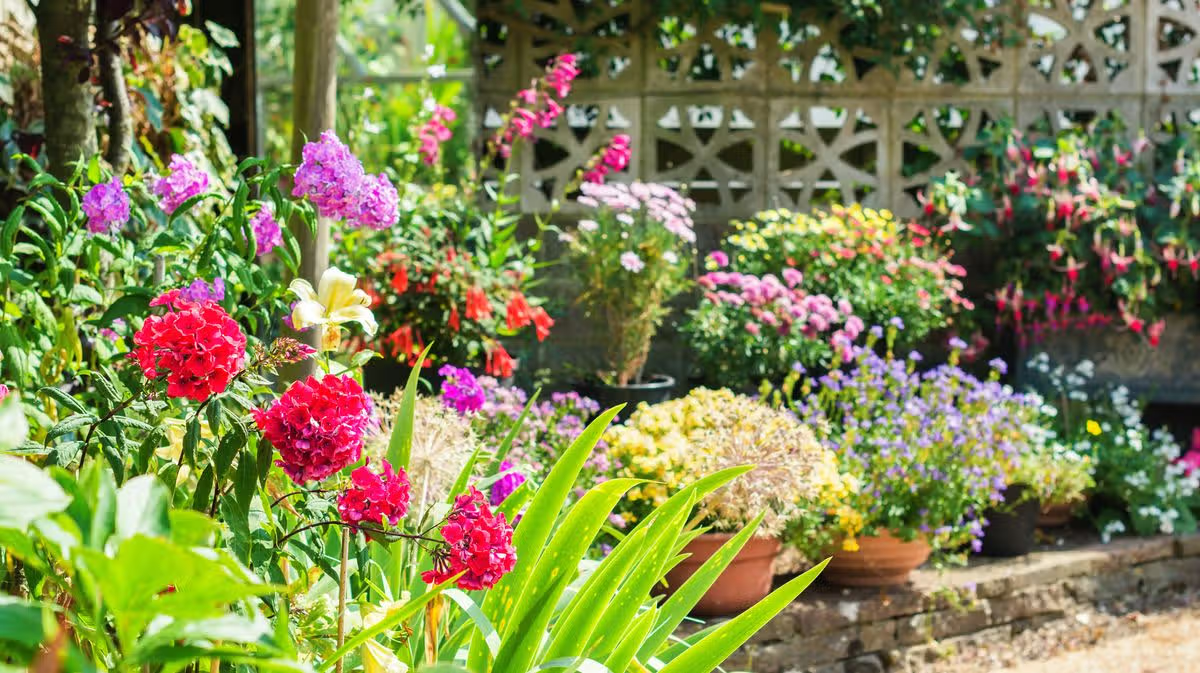
Containers, particularly of lush summer flowers such as begonias, fuchsia and petunias, run short of water and nutrients far more quickly than plants in the ground. Stand them on saucers or trays to retain any run-through after watering. In summer they will re-absorb this water. Add slow-release fertiliser to the potting compost to maintain growth and replace the spent flowers removed by deadheading. Some peat-free potting composts shrink as summer progresses. Either top up with a little more or take the plant out of the pot and add more potting compost to the base and sides.
Small pots that cannot hold much water can be moved to the shade or the plants repotted into a bigger pot. Planting them out in the garden is risky in high summer, as it is hard to be sure they are getting enough water.
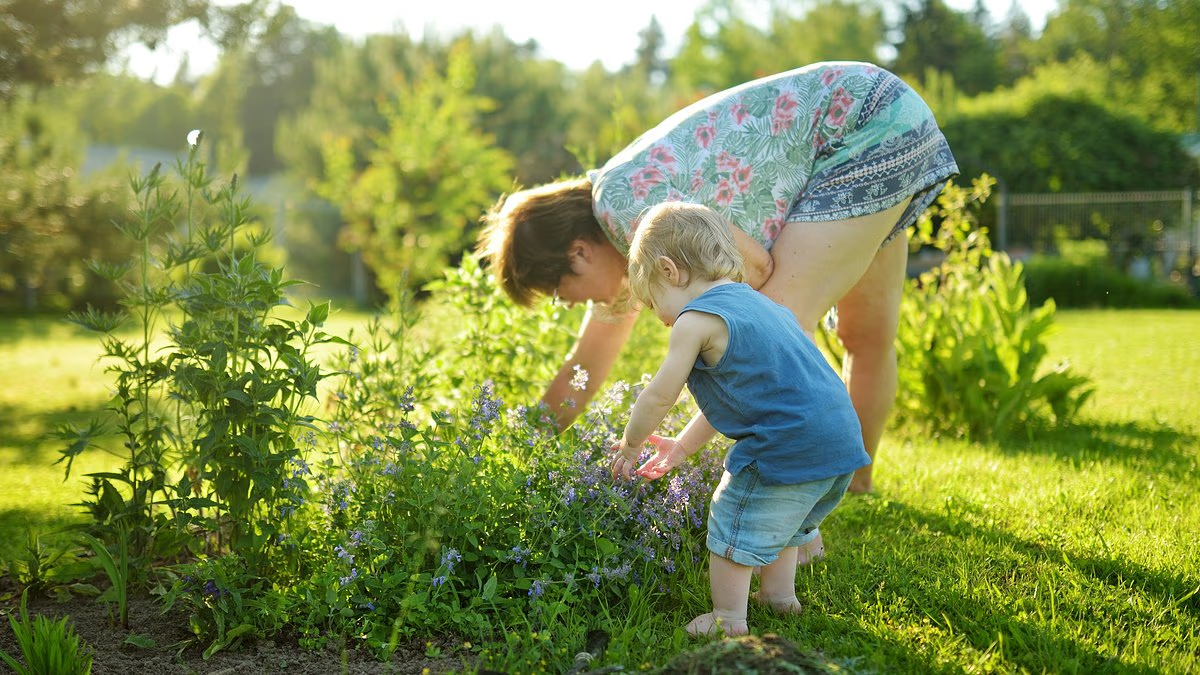
Young and new plants will need watering, aiming to wet the root zone only. Shallow watering or very deep watering is wasted, as the former is lost by evaporation and the latter sinks below where the roots can access it.
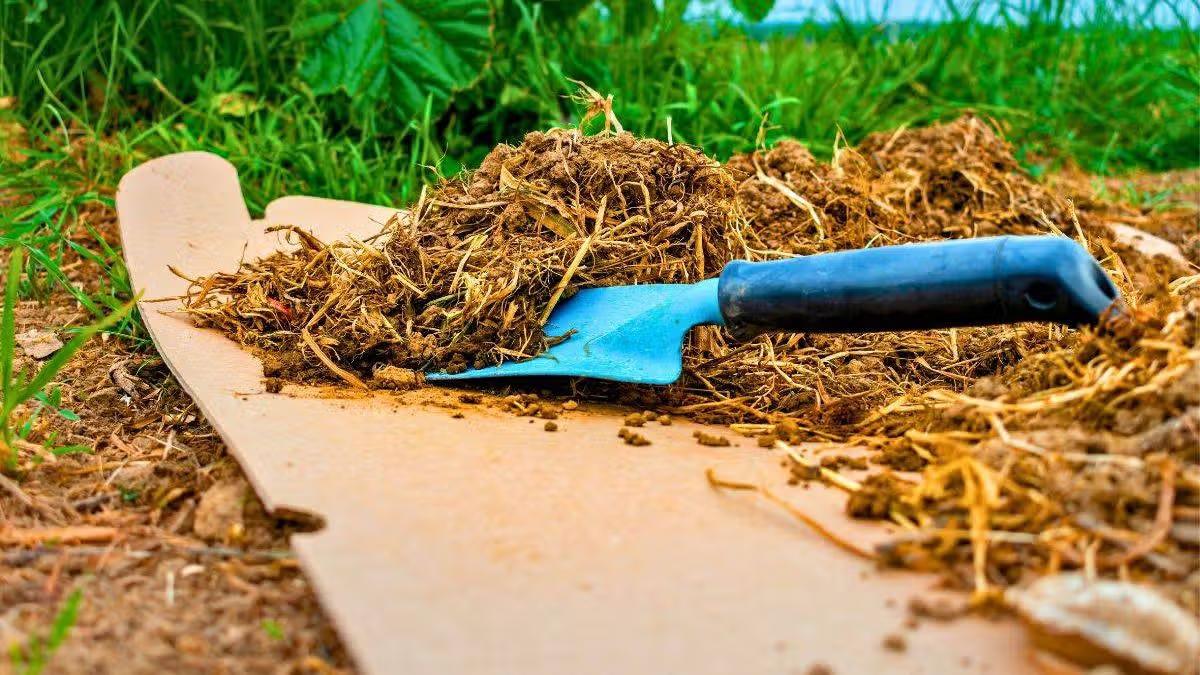
After watering, mulching helps retain moisture and feed the plant and soil biology. Soil life – microbes and worms – are effective in helping new plants thrive. Slugs will be few after so much heat, so mulching won’t encourage them.