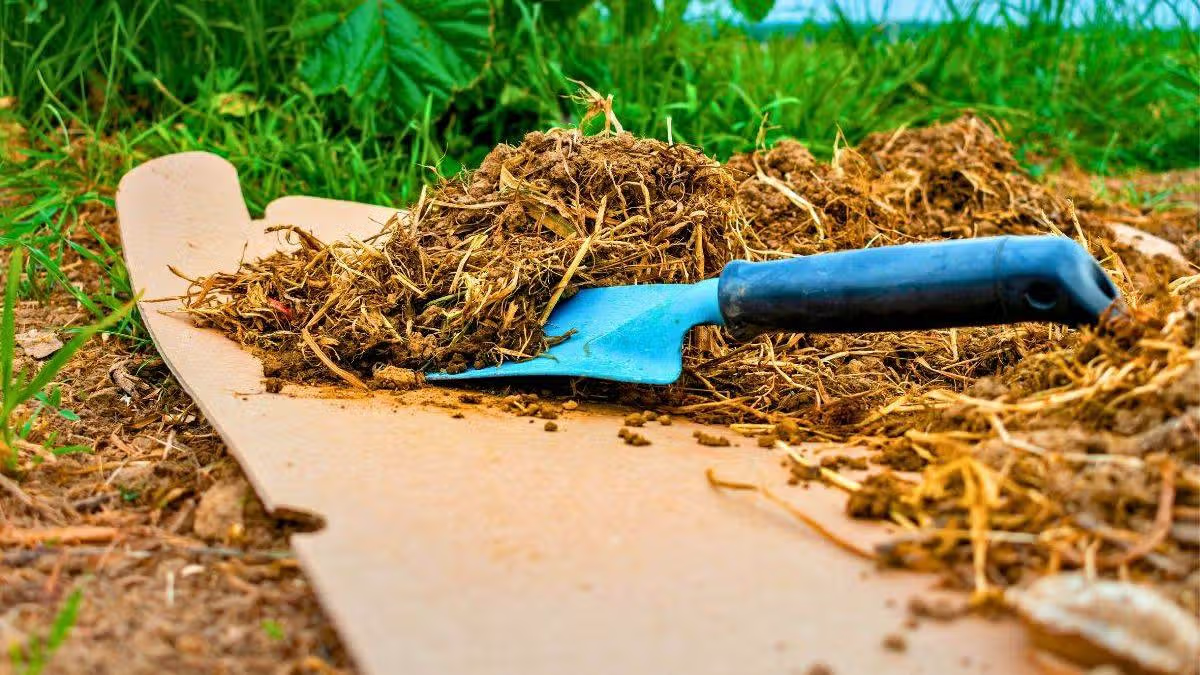
Gardeners are being told to stock up on cardboard this July, as it is one of the best ways to keep the garden thriving during the hot summer months.08:26, 06 Jul 2026July is the month when many gardeners simply want to pull out the lounger and unwind in the shade, soaking up the sunshine. Unfortunately, it's also peak season for weeds. All manner of unwanted plants tend to push through the soil at this time of year, leaving lawns and patios looking messy — but the most destructive of the lot is bindweed, which can wreak absolute havoc on a garden.Bindweed is notorious for its extensive root system, which spreads aggressively beneath the surface and is incredibly tough to dig out completely. Even the tiniest fragment left in the soil can trigger regrowth. Field bindweed is known to drain vast amounts of nutrients and moisture from the ground, while hedge bindweed can clamber up tall plants, hedges and even trees, smothering everything in its path.This troublesome weed is a common sight in British gardens and, with the sunny weather providing ideal growing conditions, it can rapidly take over an entire area within just a few weeks if left unchecked.How do you get rid of bindweed?Bindweed is a particularly frustrating problem, as once it has taken hold, it becomes extraordinarily difficult to uproot. It can also require substantial amounts of weedkiller to eliminate, which poses a real risk to local wildlife.This is precisely why it's so important to head out into the garden at least once a week throughout July, checking hedges, fences and taller plants such as tomatoes and roses for any signs of this relentless intruder.Many people frequently mistake it for an ordinary wildflower, unaware of just how damaging it can be to surrounding plants.It has a vine-like appearance with heart-shaped leaves and delicate flowers that bloom in pale pink or white.Yet Daniel, founder of Patient Gardener, has revealed that his "most effective method" for eliminating bindweed doesn't involve harsh chemicals at all — just some ordinary cardboard.Daniel explained: "The cardboard blocks light. The bindweed pushes shoots up, finds darkness, and uses up its root reserves trying. Eventually, it gives up."Bindweed is particularly troublesome because of its stubborn roots, which spread rapidly. However, cardboard can essentially starve the roots, preventing the plant from photosynthesising effectively.This forces the plant to expend all its energy producing shoots in a desperate attempt to reach sunlight, which significantly weakens the roots and ultimately kills it.If you discover bindweed in your garden, simply cut back the top foliage, flatten some cardboard and lay it directly over the affected area.While this approach does take a little time, it effectively suppresses the weed's growth, stopping it from sapping moisture from the soil — something that can seriously harm other plants during the summer months.As an added bonus, the cardboard will eventually break down into organic matter, feeding earthworms and enriching the soil, which can do wonders for your garden's overall health.How else can you get rid of bindweed?It's worthwhile stockpiling cardboard if you're dealing with bindweed, though using it around flowerbeds or vegetable patches could prove tricky, as it might create excessive shade.Alternatively, you can insert bamboo canes into the bindweed near your plants. This will encourage the weed to wind itself up the cane rather than strangling your roses or tomato plants.It keeps the bindweed contained in one spot, allowing you to simply strip it from the cane weekly and spare yourself countless hours of weeding this summer.Article continues belowIf bindweed appears on your lawn, then all that's required is to mow the grass at least once weekly.This helps the grass continue to thrive while preventing the bindweed from producing enough leaves to sustain itself, ultimately causing it to perish.Bindweed can cause considerable frustration for gardeners, but it's straightforward to prevent it from destroying a garden, provided you have a few everyday items to hand and dedicate just a few minutes weekly to managing it.
Anyone with a garden urged to lay cardboard around the garden
Gardeners are being told to stock up on cardboard this July, as it is one of the best ways to keep the garden thriving during the hot summer months.
660 words~3 min read