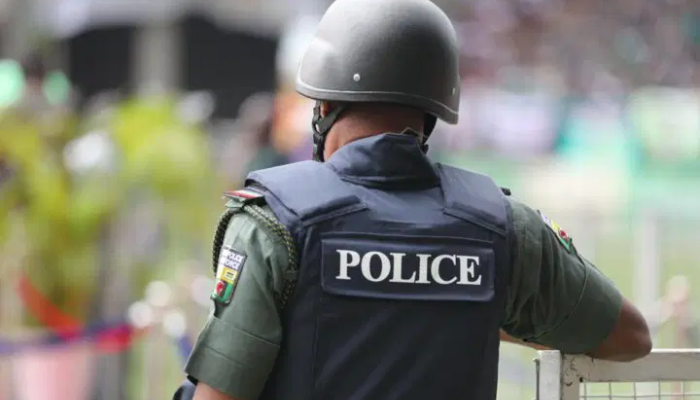
The push for state policing is being led by the same political elite whose neglect produced a brutal, extortionate force in the first place. The Nigerians who actually suffer under that force ,students, informal workers, human rights defenders, have been locked out of the room.
There is a peculiar irony sitting at the heart of Nigeria's latest constitutional reform. Having amended the constitution to permit the establishment of state police, the country is now engaged in a noisy, high-profile debate about how such forces should look, who should control them, and when they should arrive. What is missing from that debate is any serious reckoning with why Nigeria's existing police force is broken in the first place, and who broke it.
The Nigeria Police Force was not built to serve Nigerians. It was assembled by the British colonial administration to protect colonial officials, colonial commerce and colonial order against the population it ruled. Its founding purpose was suppression, not service. When independence came in 1960, the uniform changed but the function did not. The new Nigerian elite that inherited the colonial state simply inherited its police force too, and put it to the same use: protecting power and property, and the people who held them, rather than protecting the public at large. Sixty-six years later, that inheritance is still legible in how the force behaves, who it protects, and who it brutalises.