By Prisca Sam-Duru
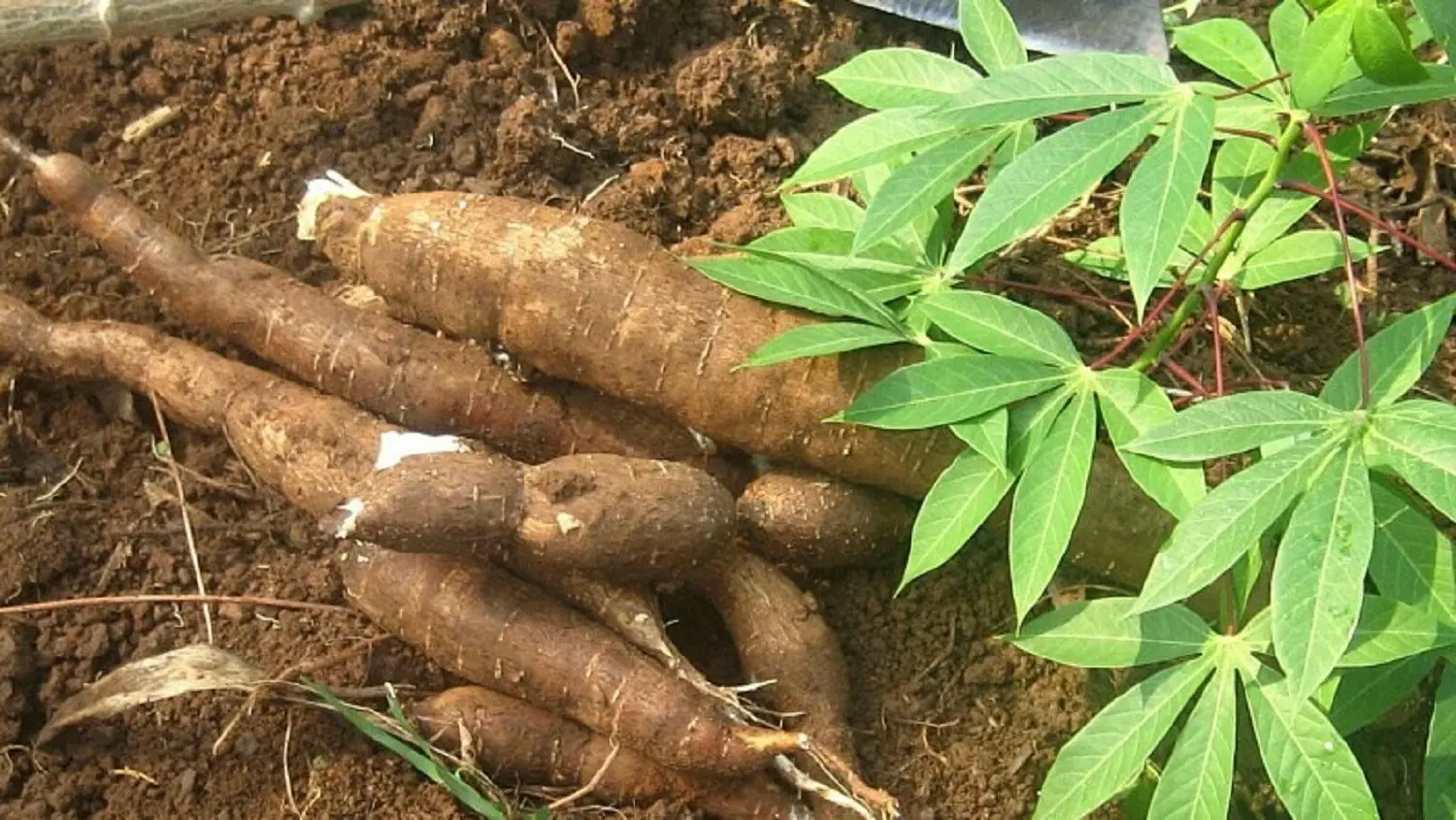
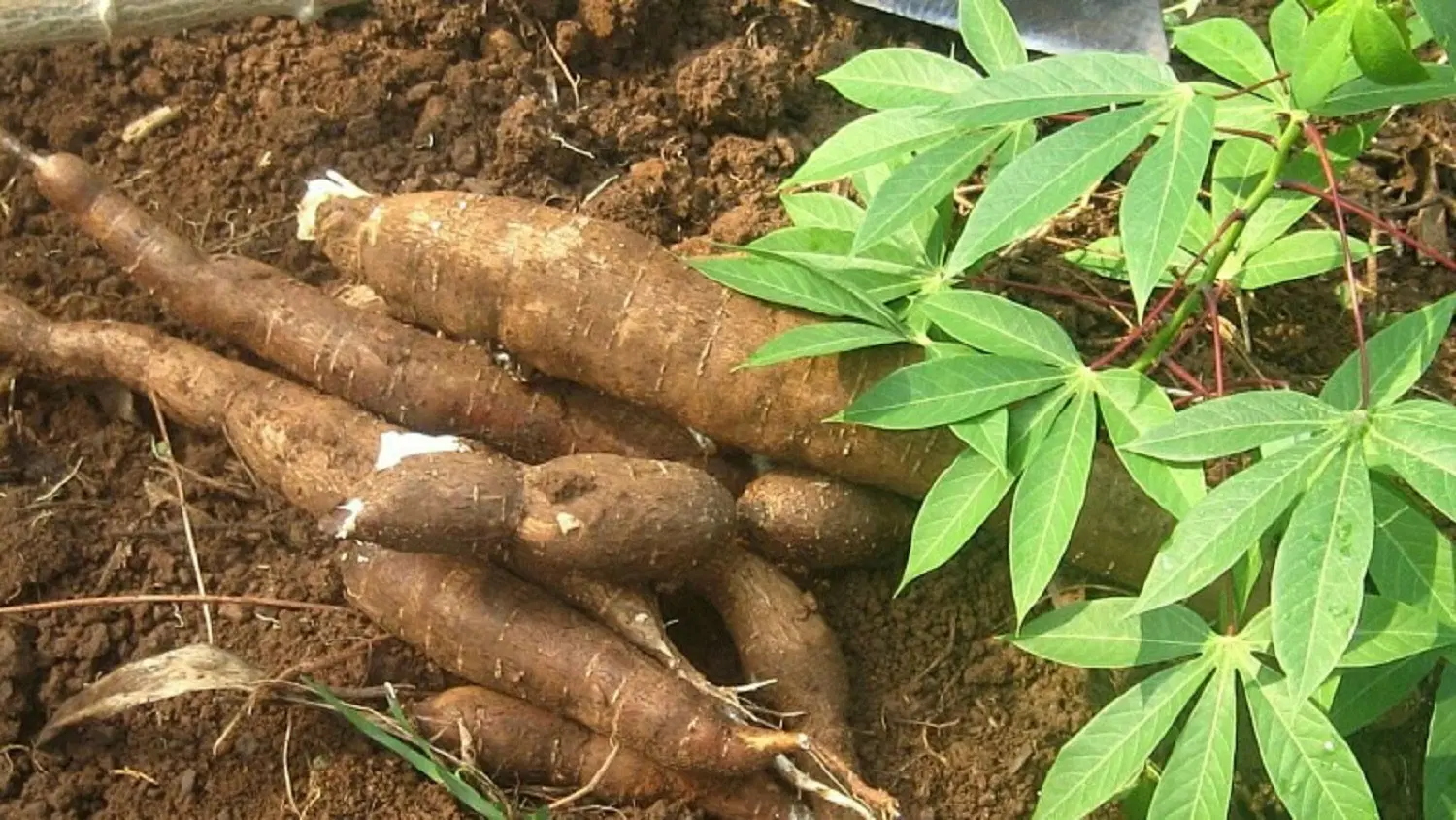
Each farming season in Nigeria is a huge opportunity to sow in anticipation of a bumper harvest for one of my neighbours, mummy Ifunanya. Although she engages in mixed crop farming, her major focus over the years has been on cassava farming.
As soon as the rains begin, mummy Ifunanya, an Ebonyi state indigene who lives in Ikorodu Lagos, seizes the opportunity of empty plots of lands whose owners are not yet ready to develop, to plant cassava stems. This is highly beneficial to the land owners as it keeps land grabbers away from their lands.
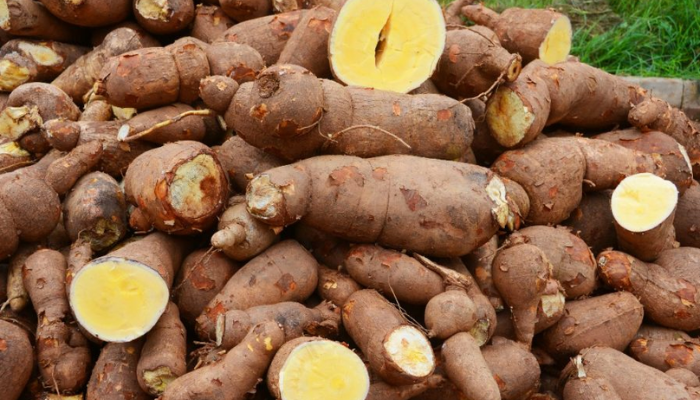
And then, after about eight months, the cassava yield from the stems she planted, becomes a goldmine for her. Some of the cassava tubers are processed into garri, cassava flour known as lafu, elubo or amala, and fufu, while the rest are sold same day to women who are also into cassava business. Interestingly, at the end of each harvest, mummy Ifunanya says she makes between 5 and 6 bags of garri which she sells between 18,000 and 24,000 naira each, to local foodstuff retailers. That’s encouraging for such a petty farmer.
As it is for this petty farmer, so it is for so many cassava farmers scattered across the country, especially in rural areas. This makes the agricultural feedstock a visible companion in every Nigerian kitchen, while also keeping the majority involved in the cassava processing, gainfully employed.