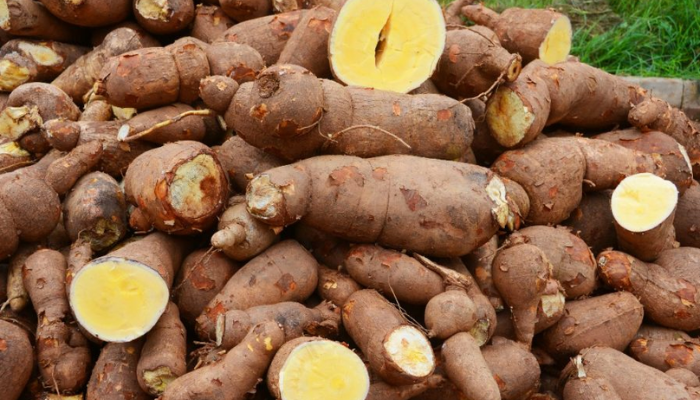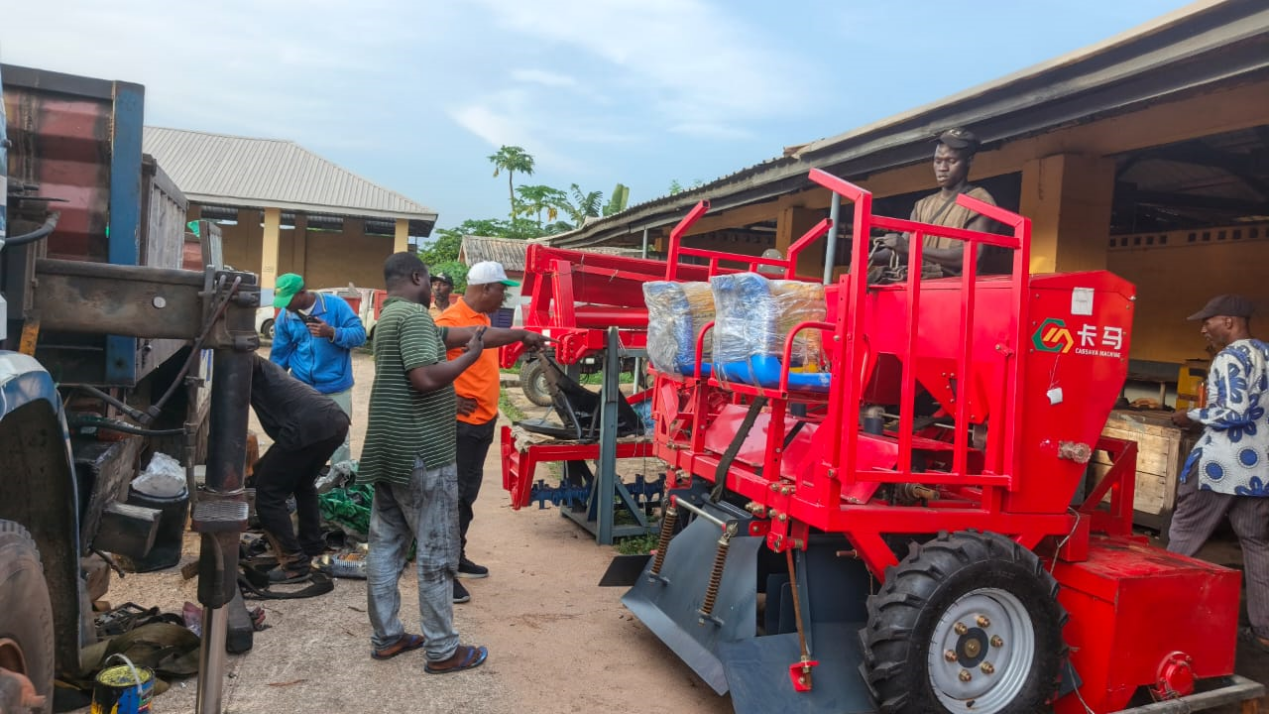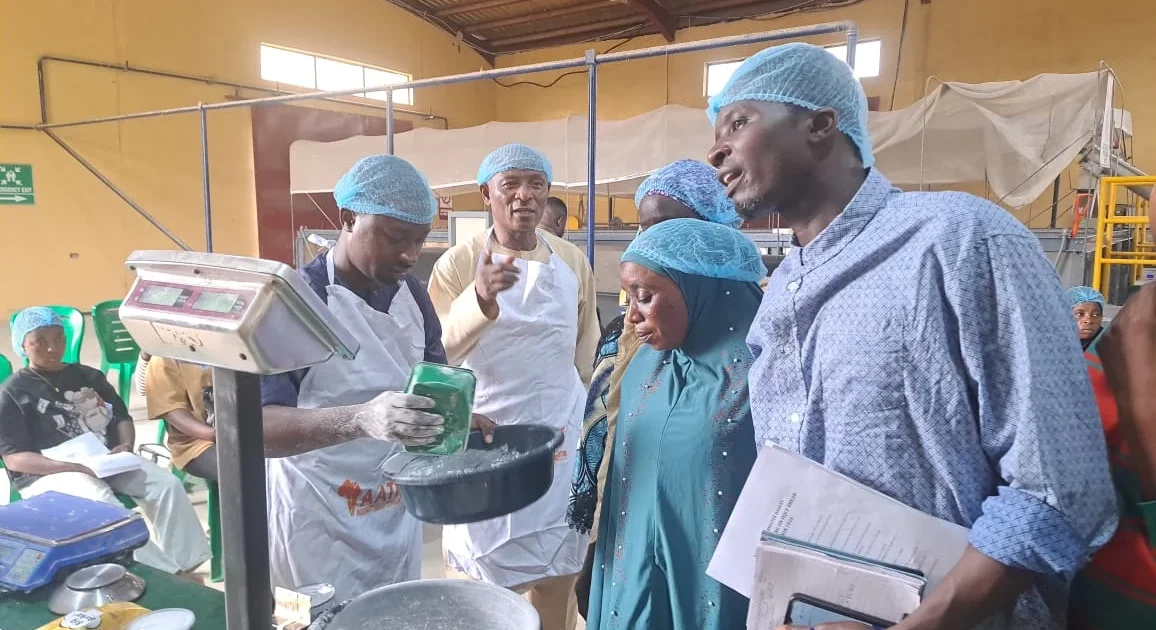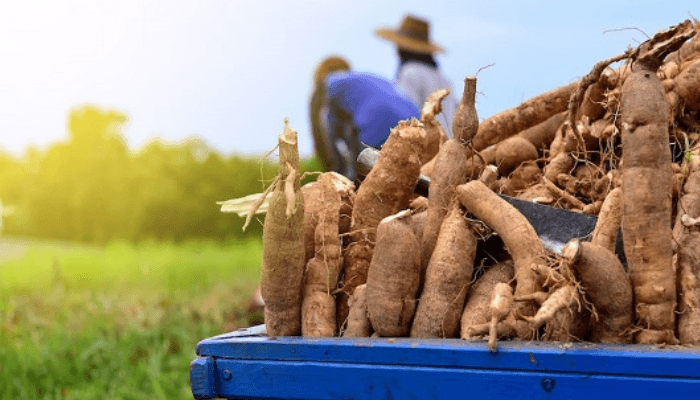
The Chief Innovation & Commercialisation Officer at Matna Foods Limited, a Cavista Holding Company, Dr. Tony Bello, in this interview with Raheem Akingbolu, stresses that as the world’s largest producer of cassava, Nigeria possesses a strategic opportunity to transform agricultural production into industrial value creation and export competitiveness. Excerpts:
Nigeria is seeing renewed attention on agriculture as a driver of jobs, food security, and industrial growth. What is driving this shift, and how can it be sustained beyond rhetoric?
Several global and domestic developments have converged to place agriculture back at the center of economic and national policy discussions. The COVID-19 pandemic exposed vulnerabilities in global supply chains and reminded nations that food security is inseparable from national security. The Russia-Ukraine conflict disrupted grain, fertilizer, and energy markets across the world, while continuing geopolitical tensions in the Middle East have reinforced concerns about supply chain resilience, inflation, and economic stability. These events have fundamentally changed how governments, investors, and businesses think about agriculture.Besides, food security is no longer viewed solely as a social issue. It is increasingly recognised as an economic, industrial, and national security imperative. Countries are realising that dependence on global markets on critical food and agricultural inputs carries risks that extend far beyond agriculture. The ability to feed a nation has become a strategic capability, much like energy security, manufacturing capacity, and technological competitiveness. Nigeria faces its own realities. Rising food inflation, youth unemployment, foreign exchange pressures, insecurity in farming communities, and increasing demand for affordable food have heightened awareness of agriculture’s strategic importance.The encouraging development is that agriculture is no longer being discussed solely through the lens of farming. Increasing attention is being given to value chains, processing, manufacturing, logistics, exports, and industrial development. This shift is significant because agriculture creates volume, while industrialization creates value. For too long, success was measured primarily by production volumes. Today, the conversation is gradually shifting toward value creation, competitiveness, jobs, and prosperity.