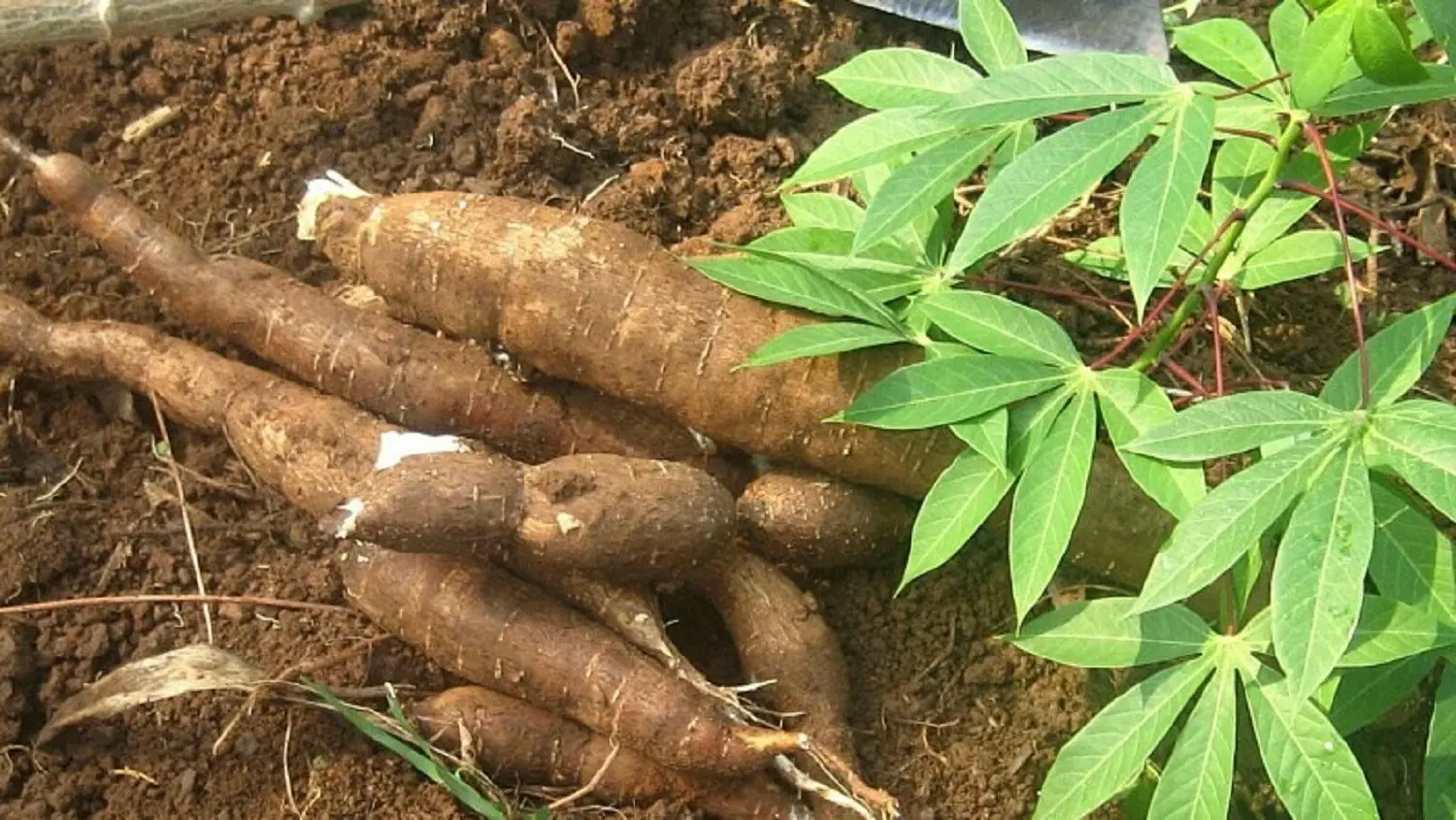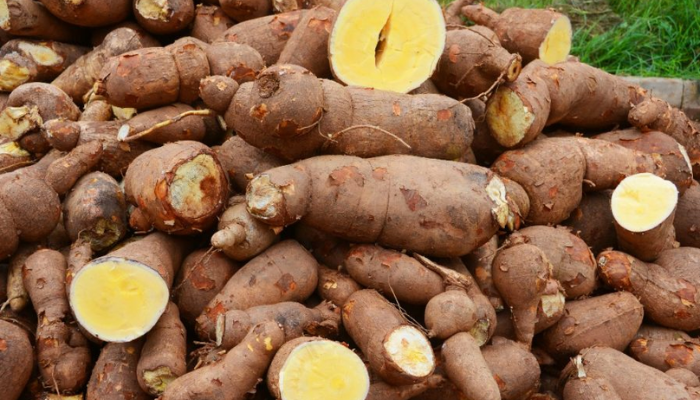
Nigeria does not have a cassava production problem. For decades, we have been the world’s largest producer of cassava. Every year, millions of tonnes are harvested across the country. Yet despite this abundance, Nigeria continues to import many of the starches, sweeteners, flours and industrial derivatives that our manufacturers require.
That contradiction should concern all of us.
As we mark World Cassava Day 2026, the most important question is no longer whether Nigeria can grow cassava at scale. We already can. The real question is whether we can convert our production advantage into industrial advantage.
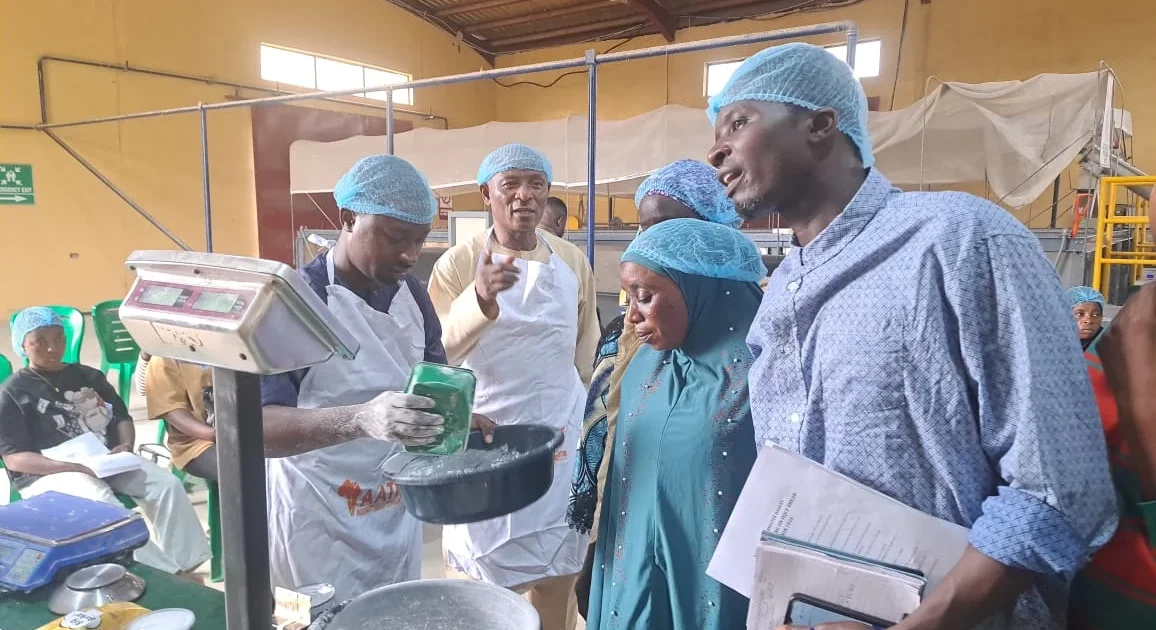
Around the world, countries that transformed agricultural abundance into economic prosperity followed a similar path. They moved beyond producing raw commodities and built industries around them.
Thailand is one of the most frequently cited examples in the cassava sector. Its success was not driven simply by growing more cassava. It was driven by investments in processing, product development, export markets and industrial applications. The lesson is straightforward: production creates supply, but industrialization creates value.