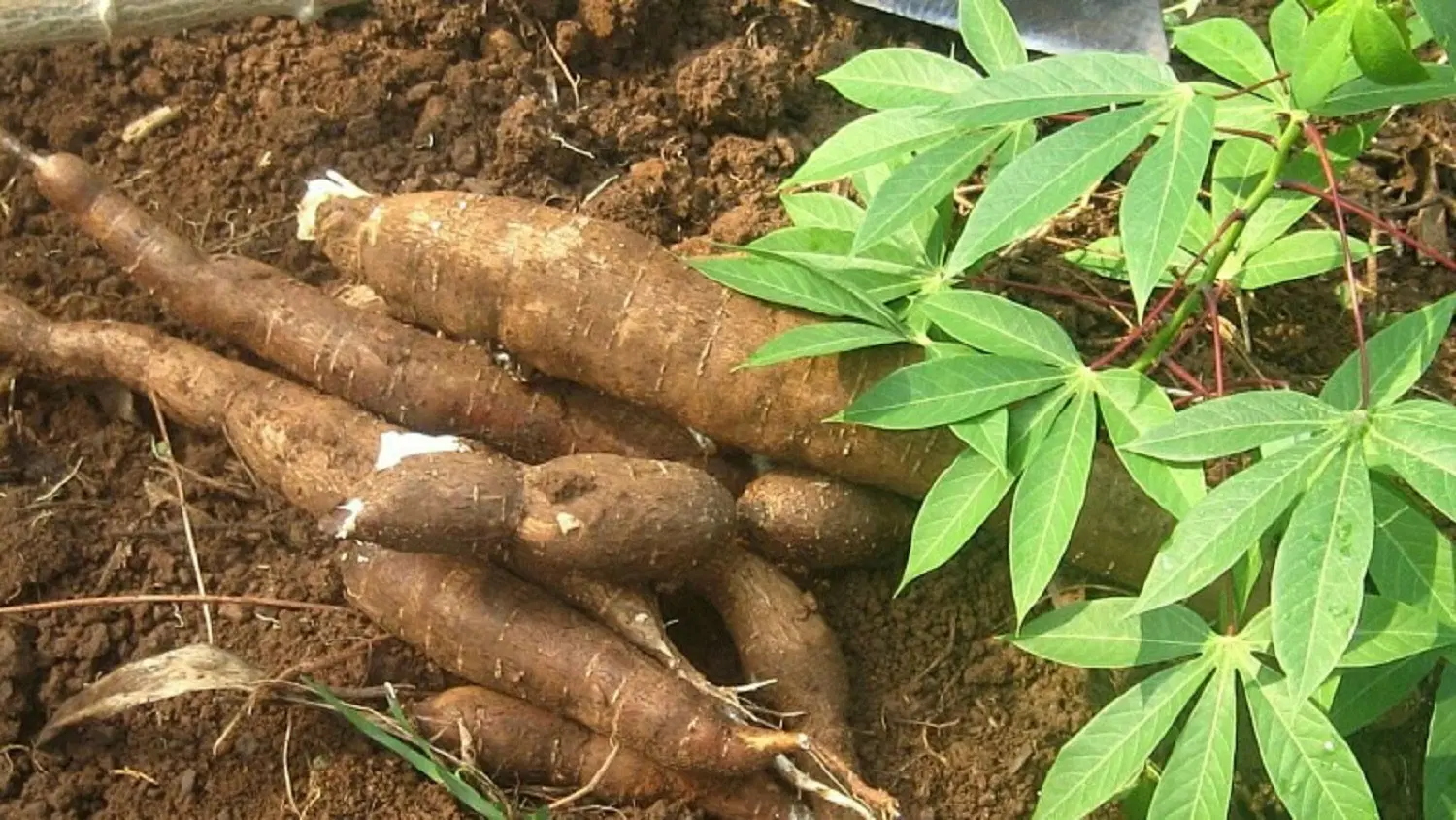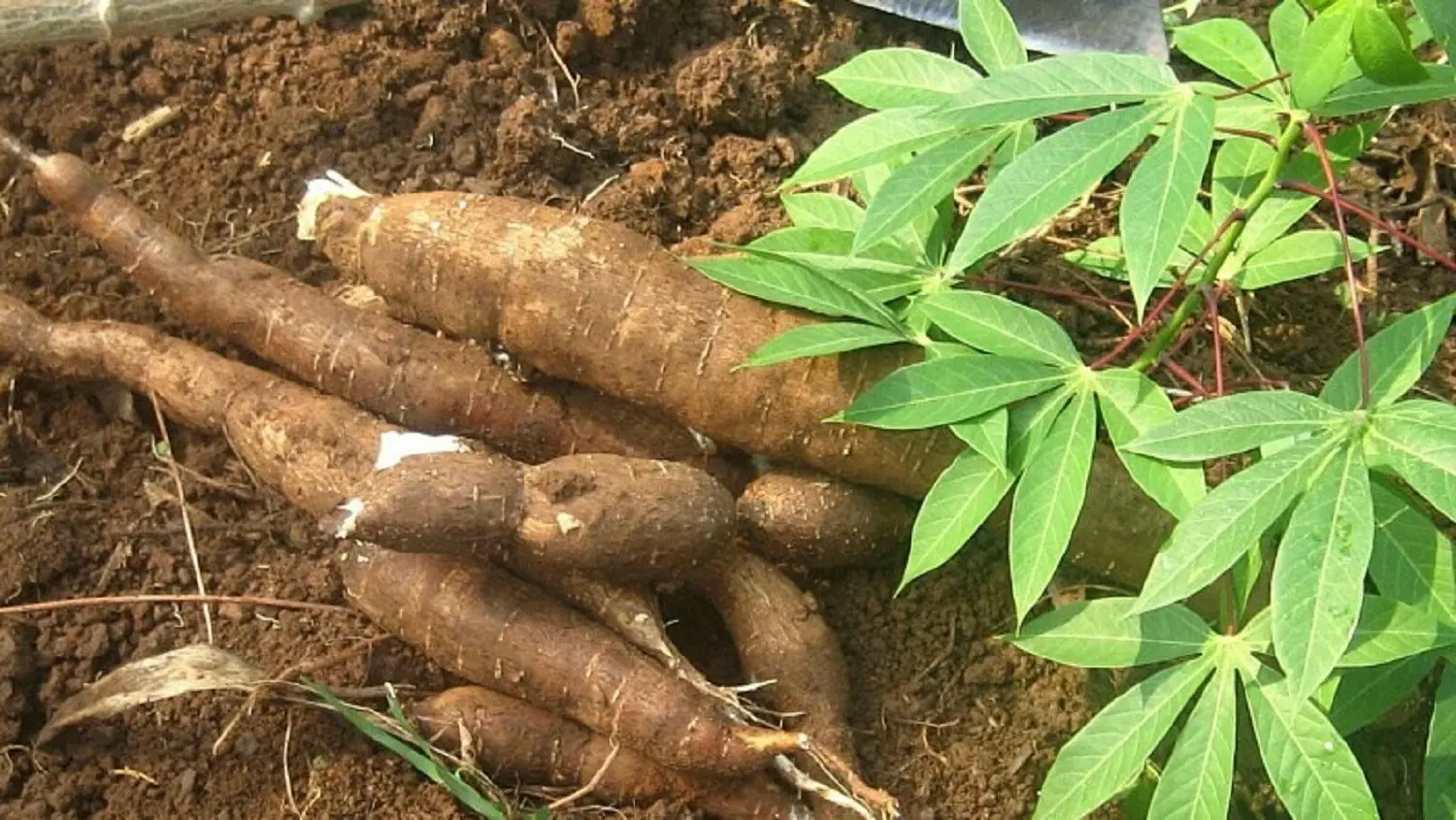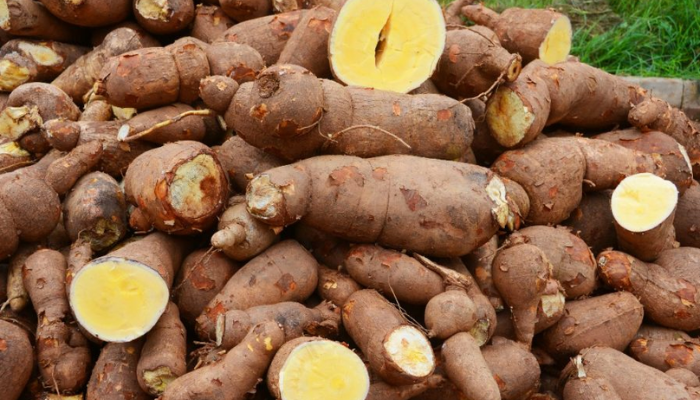
Oluyemisi Iranloye is proving that Nigeria’s most abundant crop is not just food. It is the foundation of an industrial economy.
Every morning, before the first truck arrives at the gates of Psaltry International’s factory in rural Oyo State, thousands of cassava roots are already on their way.
They come from villages scattered across an 80-kilometre radius. Farmers harvest before sunrise because cassava is impatient. Unlike cocoa or maize, it begins to deteriorate within days of leaving the ground. Every hour counts. Every delay reduces value.
For generations, this urgency trapped Nigeria’s cassava economy.
Farmers harvested, sold quickly to local traders and moved on to the next planting season. The roots became garri, fufu or lafun. Millions were fed, but little industrial wealth was created. Nigeria remained the world’s largest cassava producer while importing many of the industrial ingredients that cassava itself could produce.