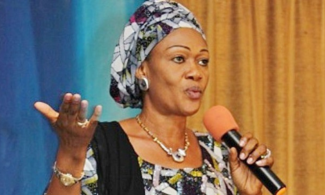
Iyobosa Uwugiaren writes that in encouraging Nigerians, especially women and young people, to engage in small businesses such as frying akara or roasting corn, the First Lady, Senator Oluremi Tinubu, touched a nerve in a nation weighed down by economic hardship. Critics saw the comment as lowering the aspirations of educated Nigerians who have invested years in acquiring university degrees. Yet, beyond the emotional reactions and political interpretations lies a reality that has defined Nigerian society for decades
When the First Lady, Senator Oluremi Tinubu, recently encouraged Nigerians to embrace small businesses such as frying akara and roasting corn, as legitimate means of earning a daily living, her remarks quickly sparked widespread reactions. Within hours, social media was awash with sarcasm, criticism, and heated political debate. The conversation gained further momentum when President Bola Ahmed Tinubu, speaking at a media function at the Presidential Villa on Thursday night, jokingly introduced his wife as “Iya Alakara”—a respected mother who makes and sells akara.
To some, the comment was interpreted as an admission that her husband, President Bola Ahmed Tinubu-led government had failed to provide meaningful jobs. Others viewed it as an attempt to lower the aspirations of Nigerian youths who have spent years acquiring formal education.