The future of Nigeria’s economy will be built not only in boardrooms, but also in markets, kitchens, and roadside businesses, argues CHALYA MARYAM SHAGAYA
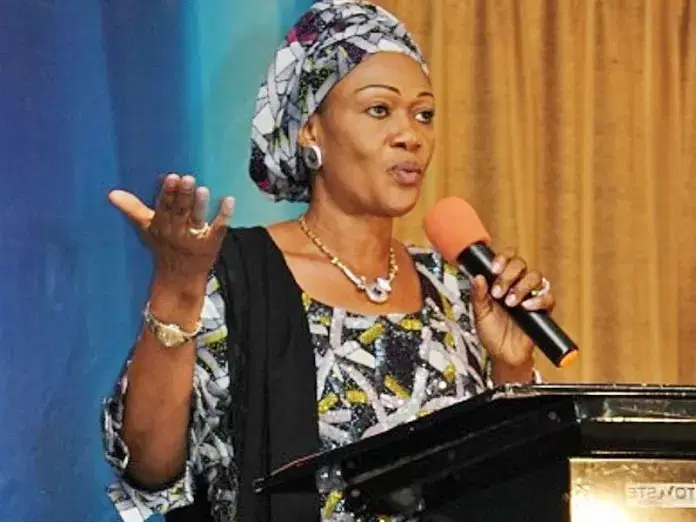
Recent comments by the First Lady, Senator Oluremi Tinubu, highlighting businesses such as akara, roasted corn and kulikuli have generated considerable public discussion. While some interpreted the remarks as encouraging Nigerians to settle for “small businesses,” a broader perspective reveals a much deeper economic message. It is a message that aligns with the Renewed Hope Agenda’s emphasis on entrepreneurship, self reliance, and inclusive economic growth.
Across Nigeria, millions of micro enterprises operate within the informal economy. These businesses may appear small individually, but collectively they form one of the largest drivers of employment, household income, and local economic activity. An akara seller is not merely frying bean cakes. She is running an enterprise that purchases agricultural produce from farmers, buys cooking oil and fuel, pays for transportation, supports local markets, and often employs family members or assistants. The same is true for sellers of roasted corn, kulikuli, fruits, vegetables, and countless other everyday products.