Back in 1960, as at political independence Nigeria was renowned as a country with huge agricultural potentials.
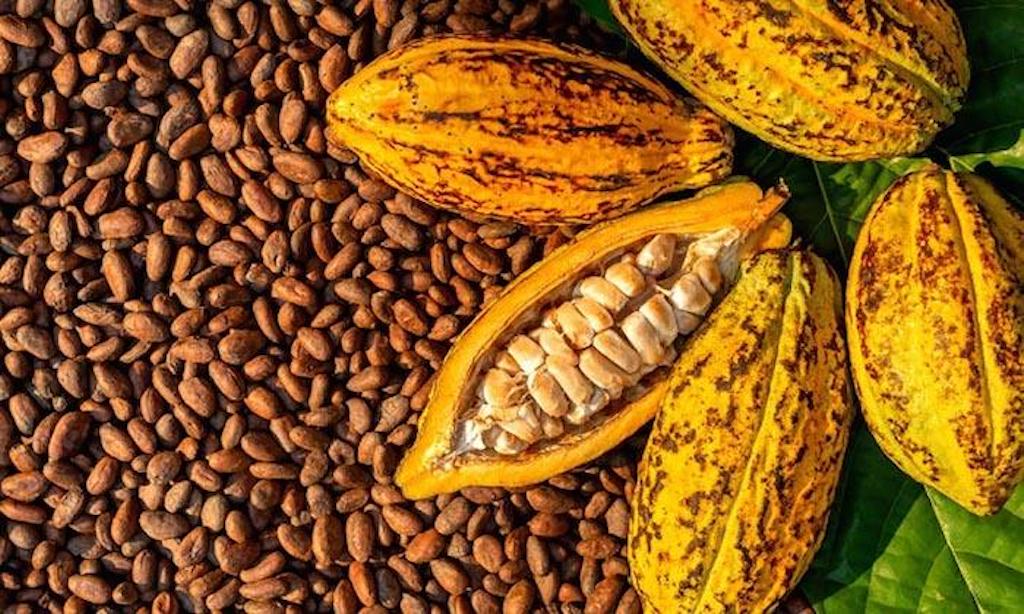
In fact, commodities such as rice, maize, yam, rubber, cassava, cotton and cocoa were the backbone of the economy, contributing about 30percent to Nigeria’s foreign exchange revenues with a dominant share of its GDP.
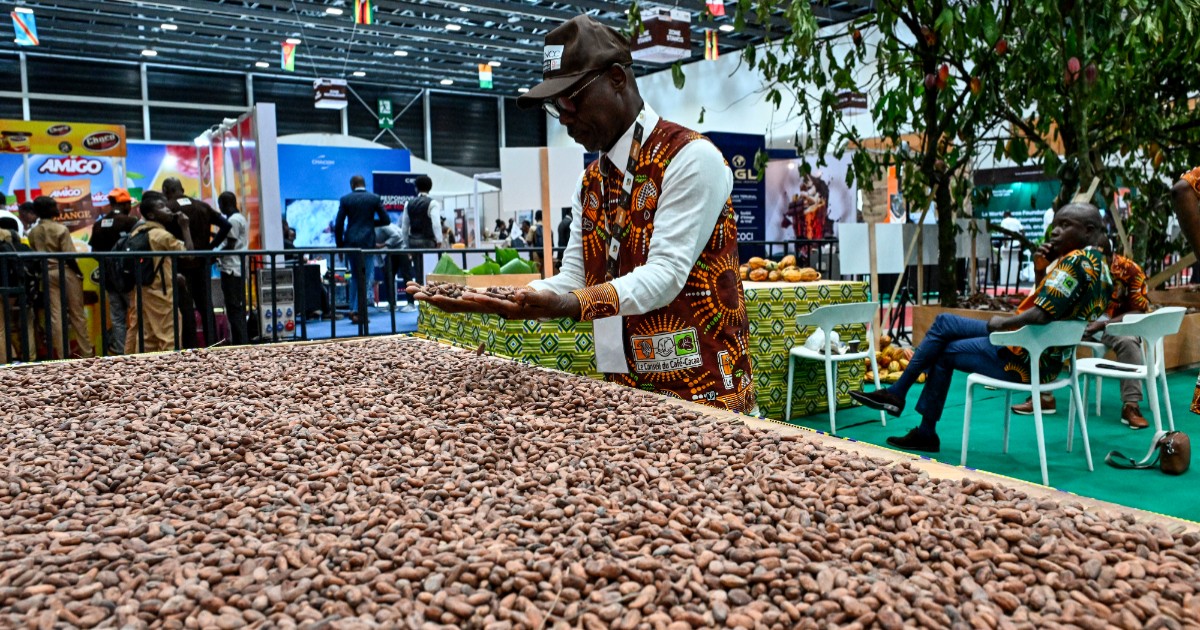
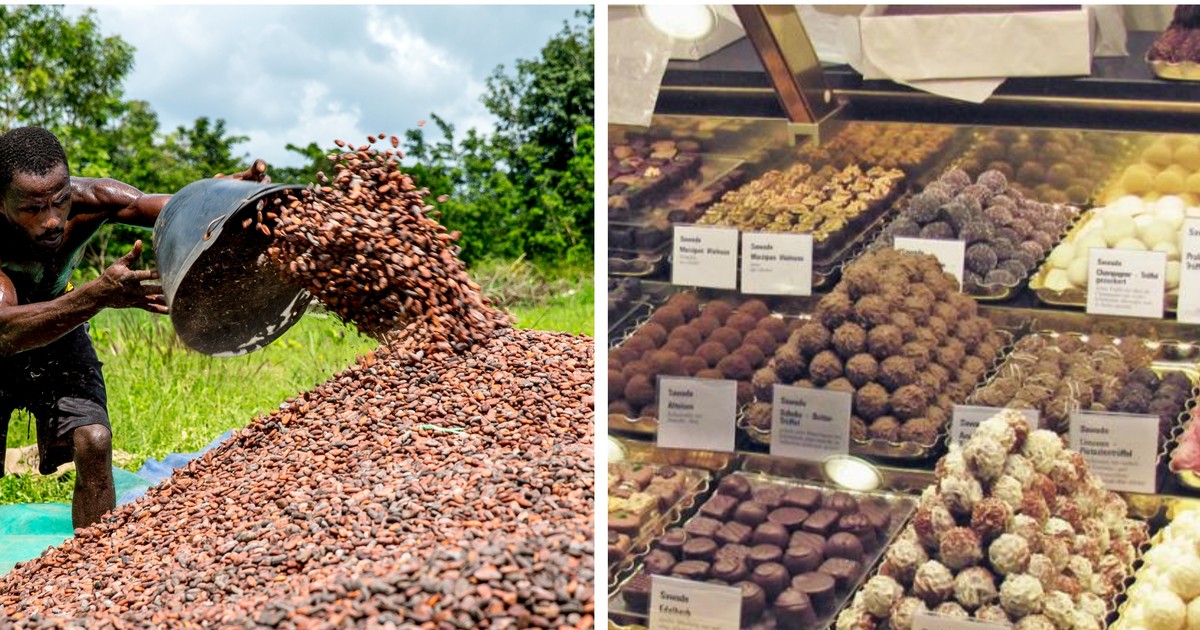
But by 2026, cocoa export’s direct contribution to overall GDP is a dismal sub-1percent, though it remains the leading agricultural export.
A critical look at the shift between 1960 and 2026 shows that as at 1960 known as the Agrarian Era, agriculture contributed over 60percent of the total GDP, and cocoa was the single highest source of foreign exchange and government revenue.
So profound was the impact that the income from cocoa funded major foundational infrastructure projects in the then Chief Obafemi Awolowo -led Western Region, cementing it as the premier economic driver for the newly independent nation. But as of