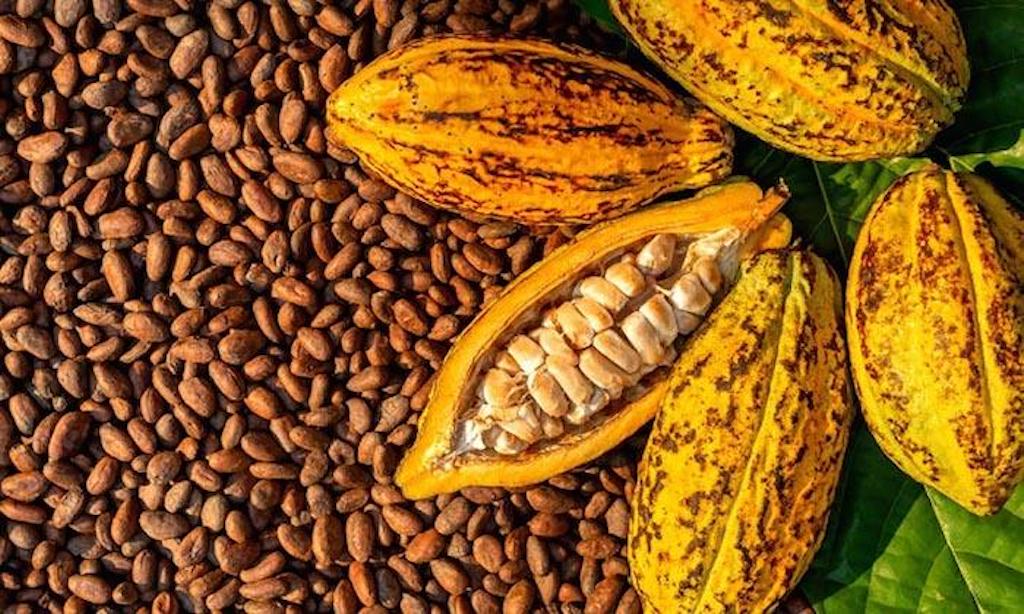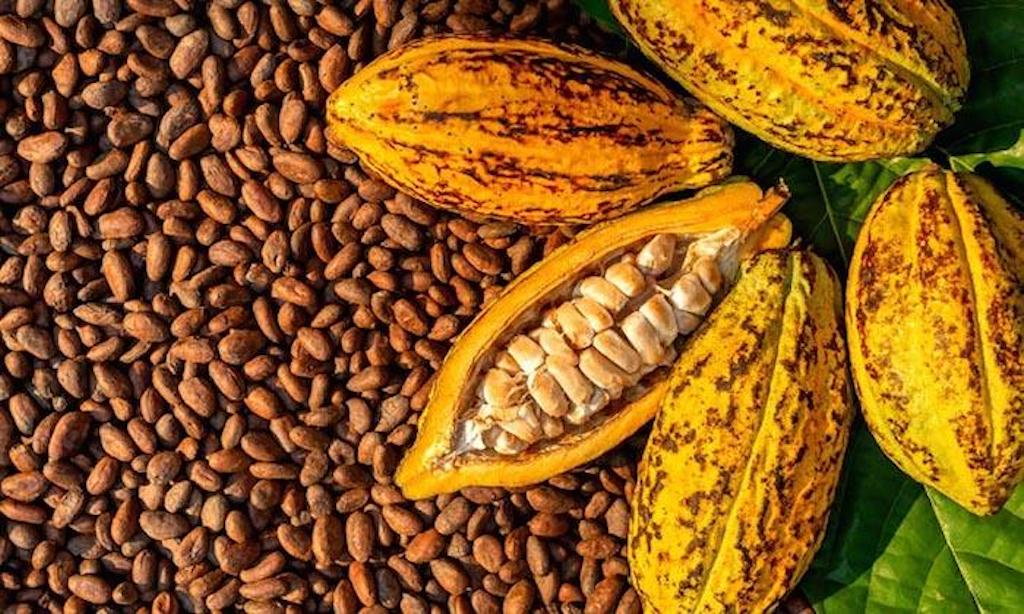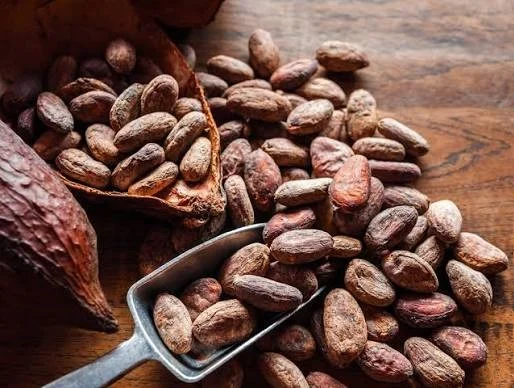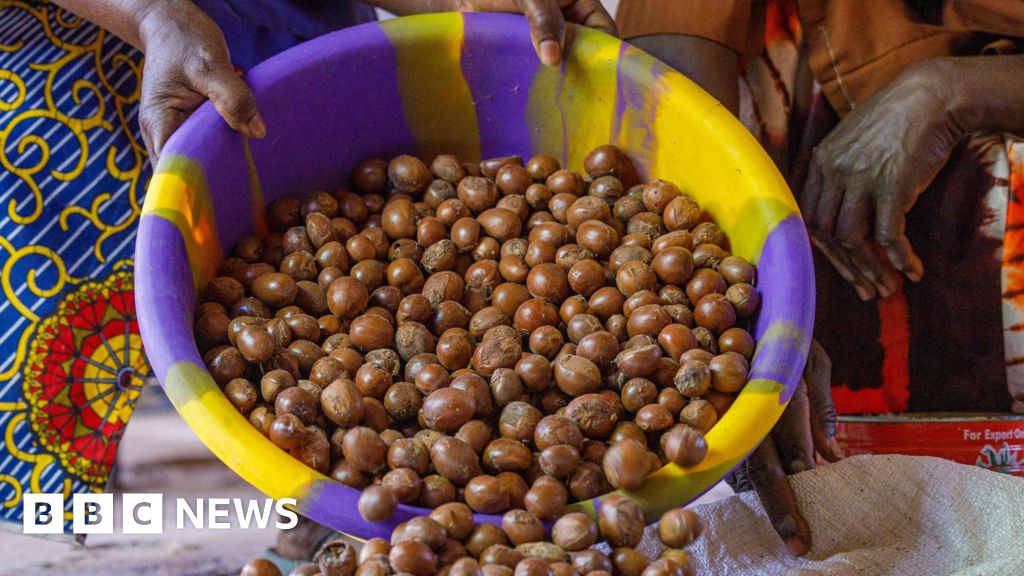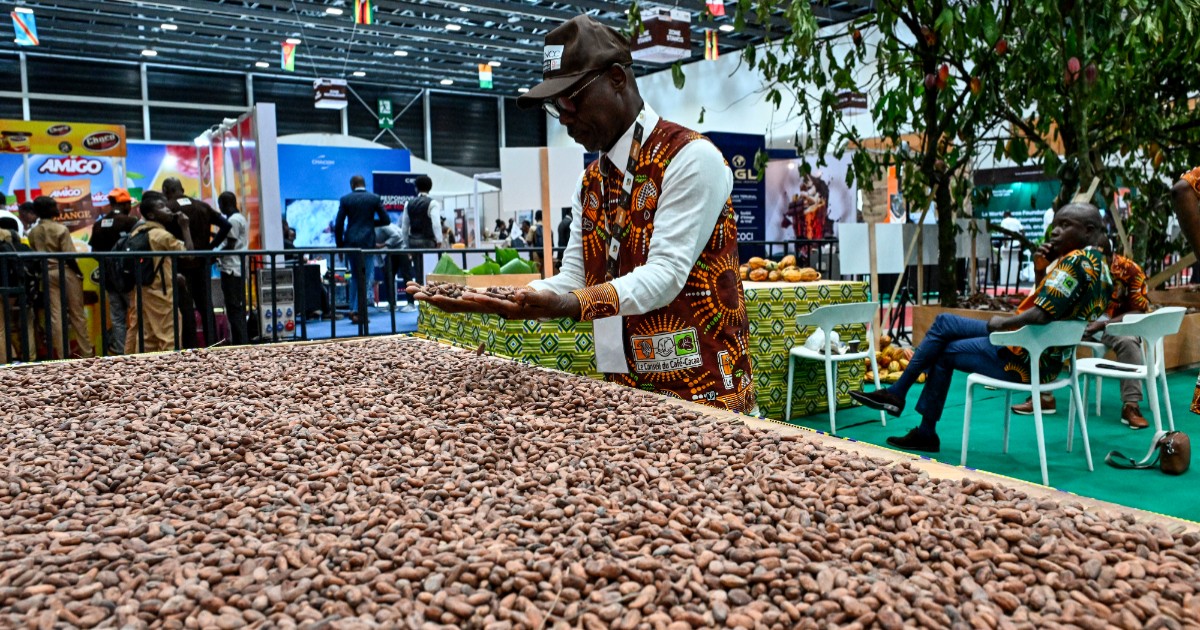
On July 15, 2026, Nigeria banned the export of raw cocoa beans as part of a national plan to process its crops locally, build domestic industries, and increase the value of its agricultural products.
The government plans to stop exporting raw agricultural commodities without getting their full economic value, aiming to create local jobs and bring in more foreign currency.
This policy seeks to shift the country away from just growing crops to processing, branding, and manufacturing them inside its own borders.
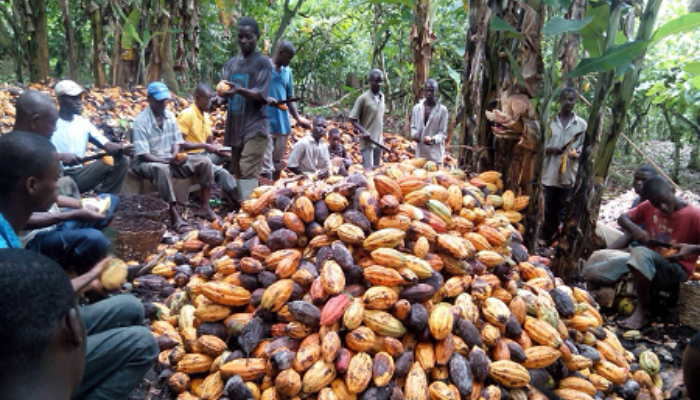
Nigeria is currently among the top global cocoa producers, with over 300,000 farming families growing the crop across more than 1.4 million hectares.
Historically, West African countries have produced most of the world's cocoa but captured only a small sliver of the multi-billion-dollar global chocolate market.