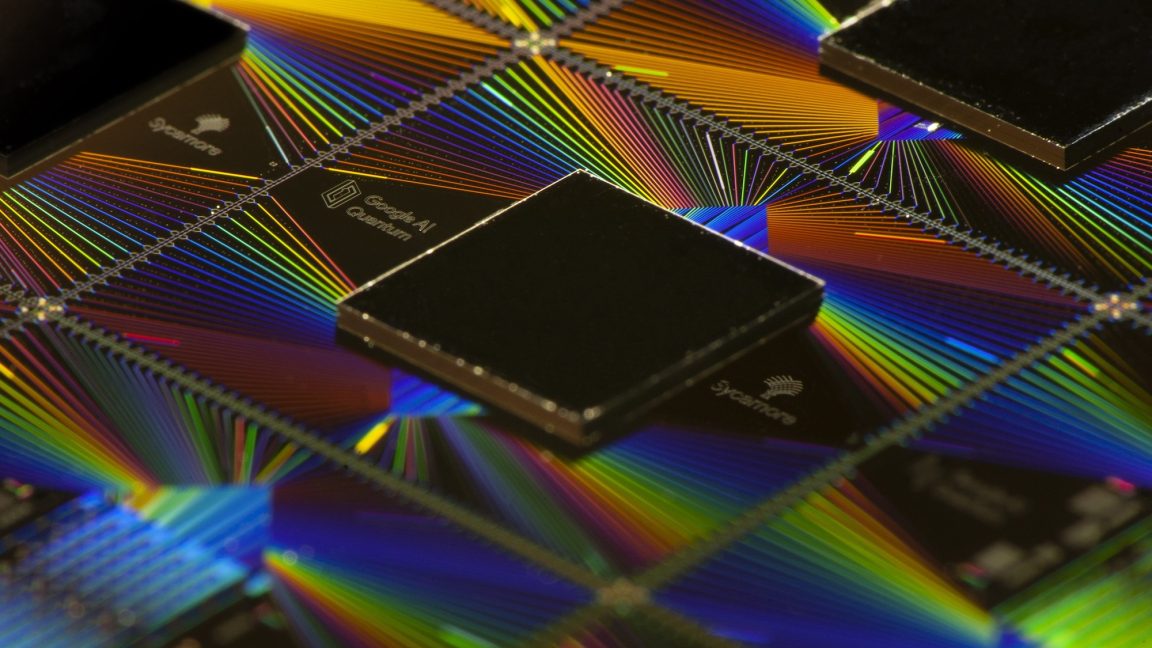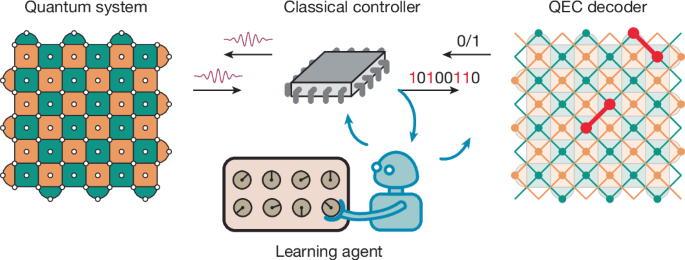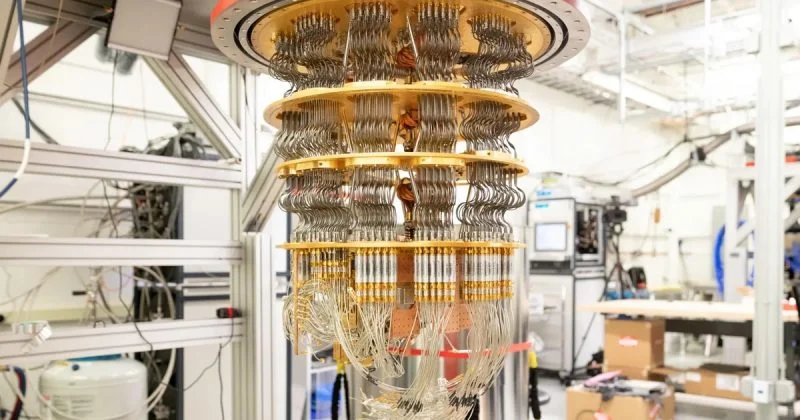
Google Quantum AI just solved one of quantum computing’s most annoying homework problems: keeping the machine calibrated while it’s actually running. A new reinforcement learning framework, published in Nature on July 8, allows Google’s Willow processor to continuously tune its own control parameters during quantum error correction, without pausing the computation.
For the crypto industry, this isn’t just a physics curiosity. Every step toward reliable, fault-tolerant quantum computing shortens the runway before today’s elliptic-curve and RSA encryption becomes vulnerable.
What Google actually built
Superconducting qubits, the kind Google uses, have a nagging problem. No two are exactly alike, and their behavior drifts over time. Historically, engineers have had to stop everything, recalibrate, and restart, a process that eats into the computational uptime that quantum machines desperately need.
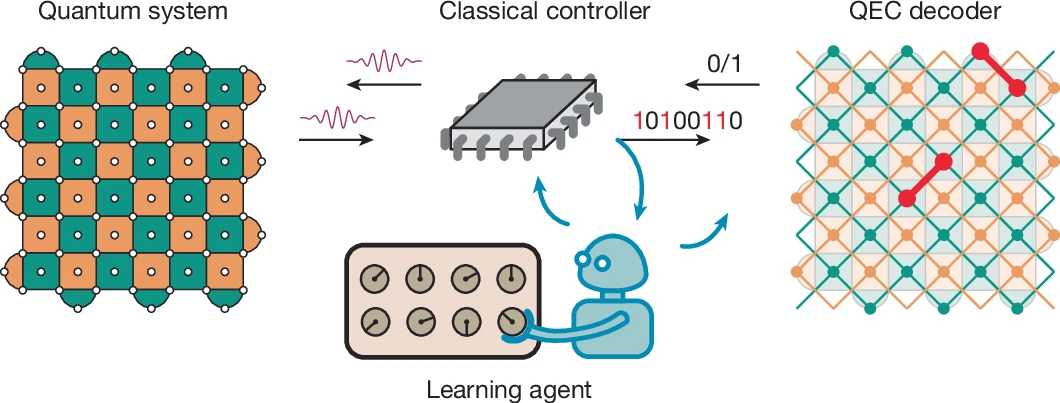
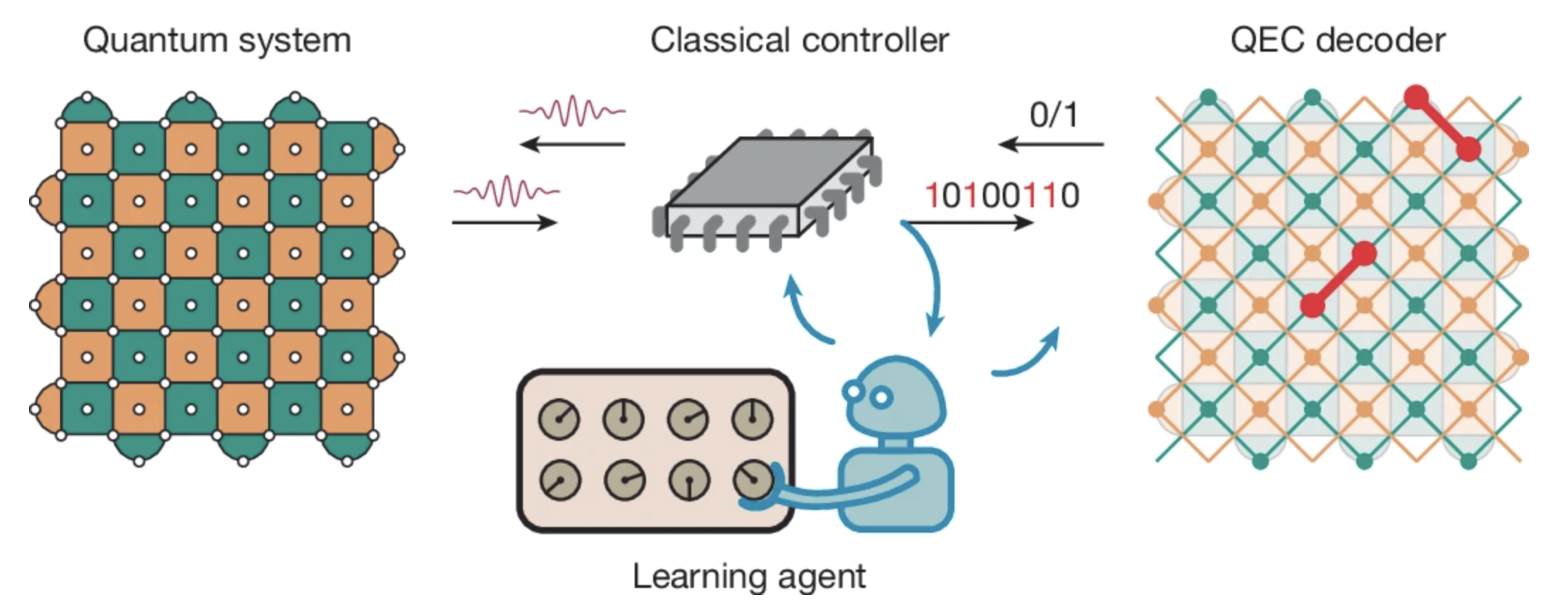
Google’s new system replaces that stop-and-fix cycle with a reinforcement learning agent that reads error-detection signals in real time and adjusts parameters on the fly. The result: a 3.5-fold improvement in logical error rate stability when the hardware drifts, plus roughly a 20% reduction in logical error rate compared to traditional expert-tuned calibration.