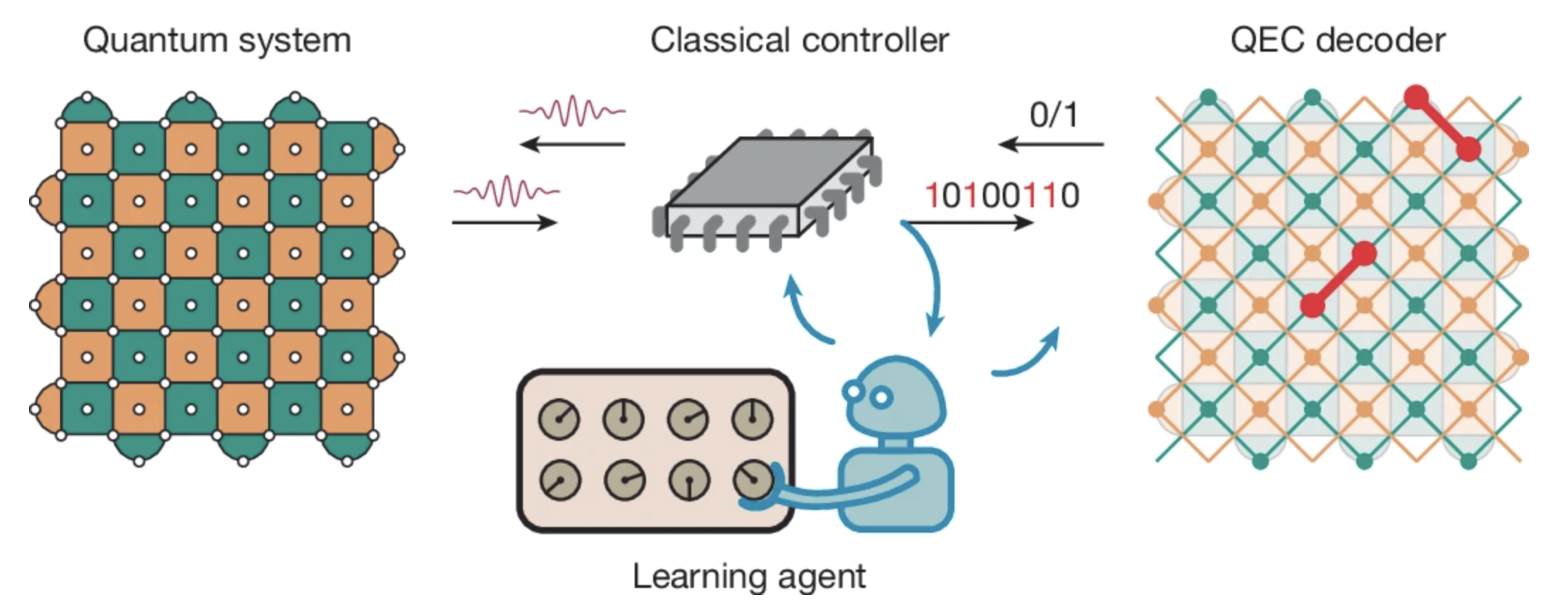
Today, April 14, 2026, NVIDIA did something no one has done before: it launched AI models specifically designed to fix quantum computing's fundamental unsolved scaling problems. NVIDIA Ising is a family of open-source AI models for quantum processor calibration and error correction — the two technical barriers that have prevented quantum computers from graduating from impressive laboratory experiments to reliable production machines. Ising ships today under NVIDIA's Open Model License, integrates directly with CUDA-Q, and is already deployed by some of the world's top quantum research labs. Here is what developers and AI practitioners need to understand about what just happened, and why the AI-quantum convergence is no longer a research projection.
The Two Problems That Have Kept Quantum Computing From Shipping
To understand why Ising matters, you need a clear picture of the two technical barriers that have kept quantum computers from being practically useful at scale. Both are fundamentally signal-processing problems — and they turn out to be exactly the kind of problems that modern AI models are well-suited to solve.
Problem 1: Calibration
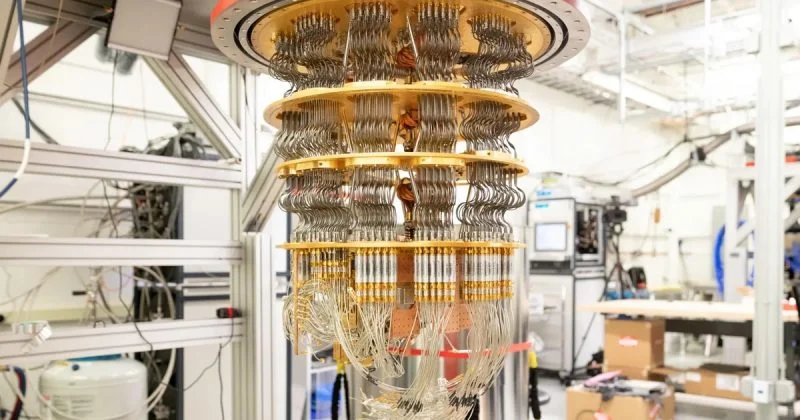
Every quantum processor is physically imperfect. The qubits — the quantum bits that carry quantum information — are incredibly sensitive to their environment. Temperature drift, electromagnetic noise, material imperfections, and even vibrations cause qubits to behave slightly differently over time. To get accurate results from a quantum computer, the processor must be continuously calibrated: its exact noise characteristics must be measured, modeled, and compensated for in every computation.