Conservationist Manzoor Ahmad Wangnoo says restoring Kashmir’s lakes and wetlands depends on partnerships between communities, government agencies and local stakeholders.Nearly half of the lakes recorded across Jammu and Kashmir in the 1960s have disappeared or shrunk, reflecting decades of pollution, encroachment and unplanned urbanization.Through Mission Ehsaas, Wangnoo and the Nigeen Lake Conservation Organisation have helped revive degraded water bodies, showing how community-led conservation can drive ecological restoration.Wangnoo discussed the ecological significance of Kashmir’s wetlands, the region’s beauty — and his optimism for the future.
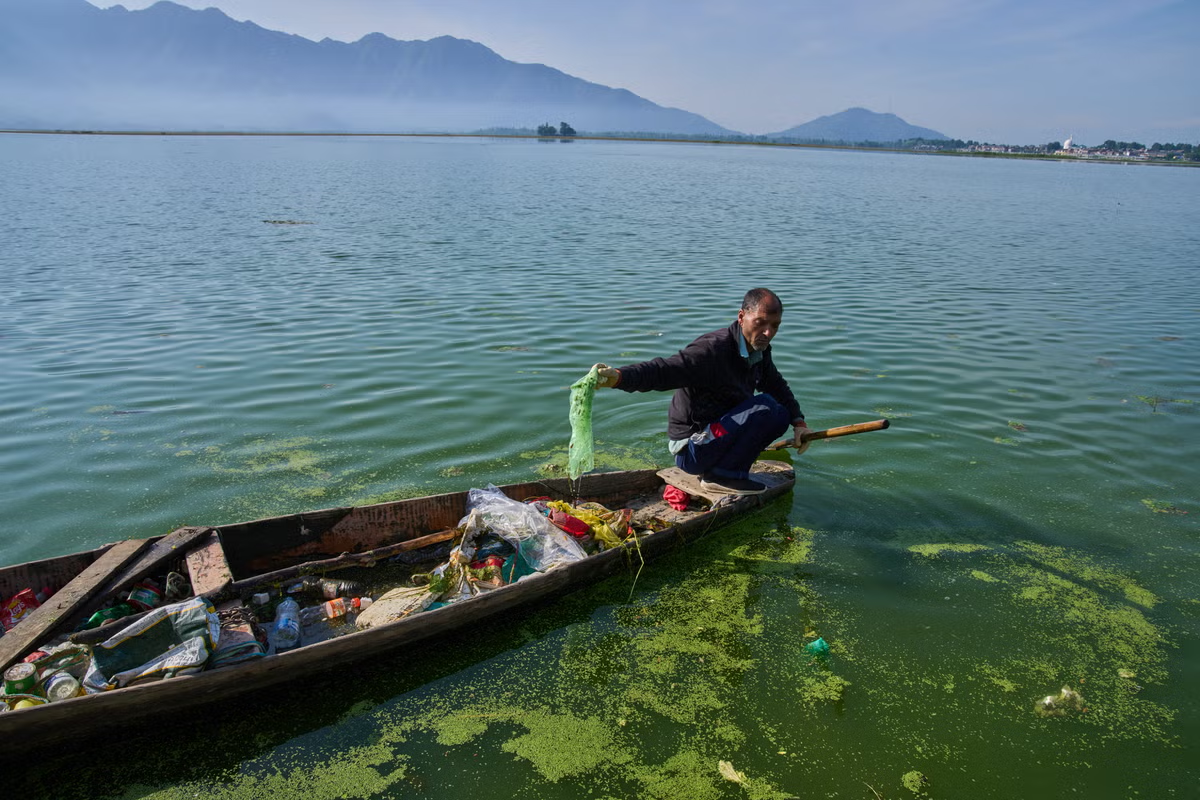
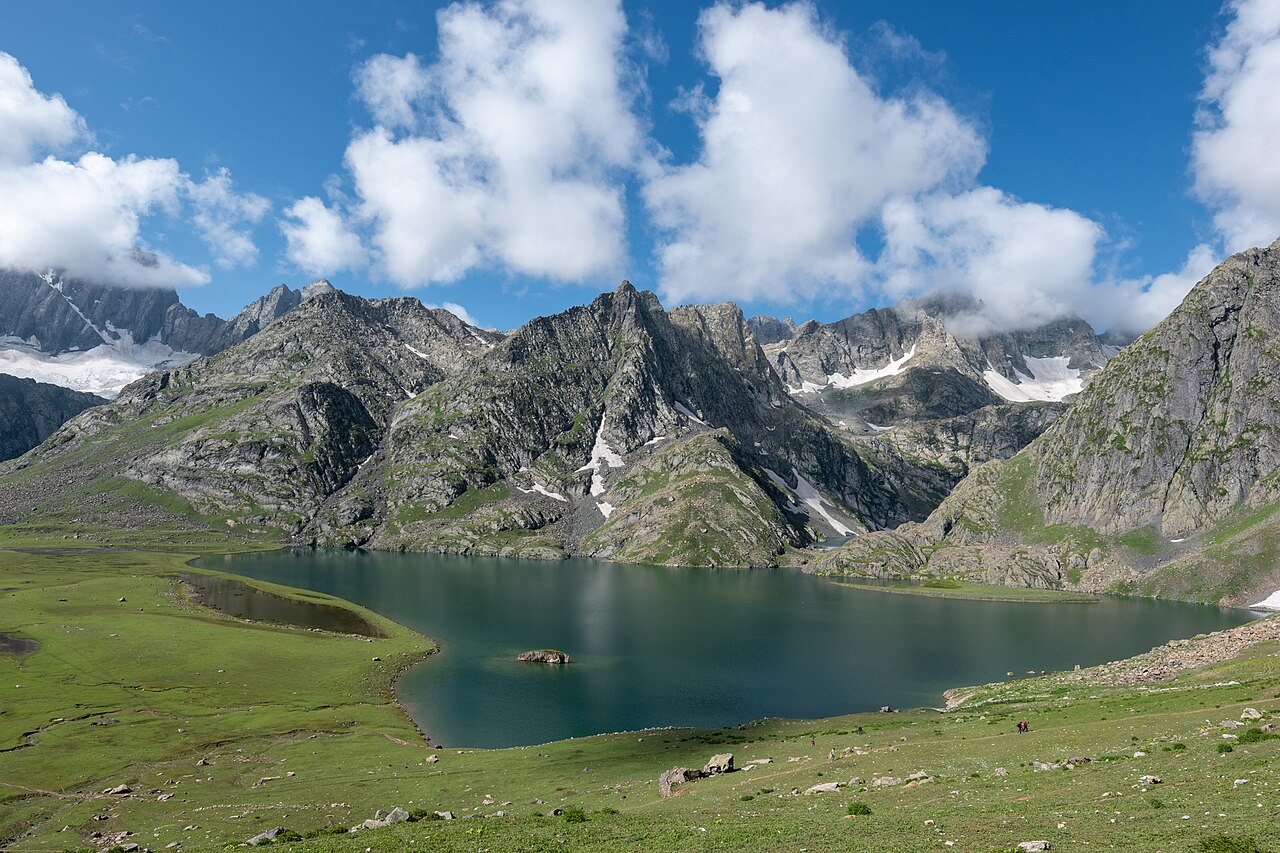
The lakes and wetlands of Kashmir in northwestern India have long sustained the valley’s biodiversity, agriculture, tourism and water security. But over recent decades, these freshwater ecosystems have come under increasing pressure from pollution, encroachment and rapid urbanization. A recent government audit found that nearly half (315 of the 697) of lakes recorded across Jammu and Kashmir have disappeared, while another 203 have shrunk, raising concerns about the region’s ecological health and long-term water security.
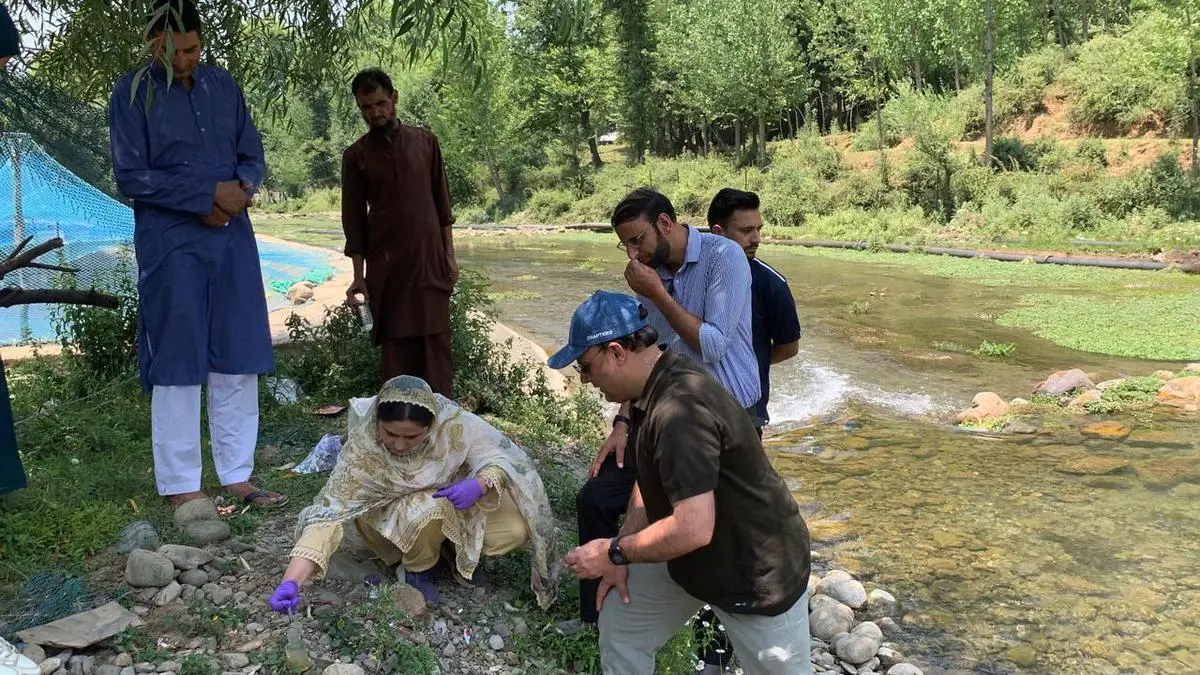
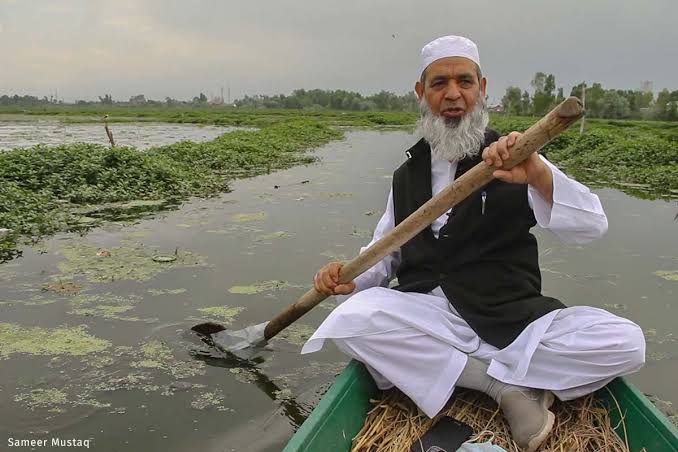
Against this backdrop, Manzoor Ahmad Wangnoo has spent more than two decades trying to reverse the decline of Kashmir’s freshwater ecosystem. The businessman-turned-conservationist has become one of the leading voices for protecting Kashmir’s lakes, wetlands and springs. Through the nonprofit Nigeen Lake Conservation Organisation (NLCO) and its flagship Mission Ehsaas, he has helped mobilize residents, volunteers and government agencies around the restoration of degraded water bodies, including the Khushalsar-Gilsar wetland system, two interconnected urban lakes in the heart of Srinagar.