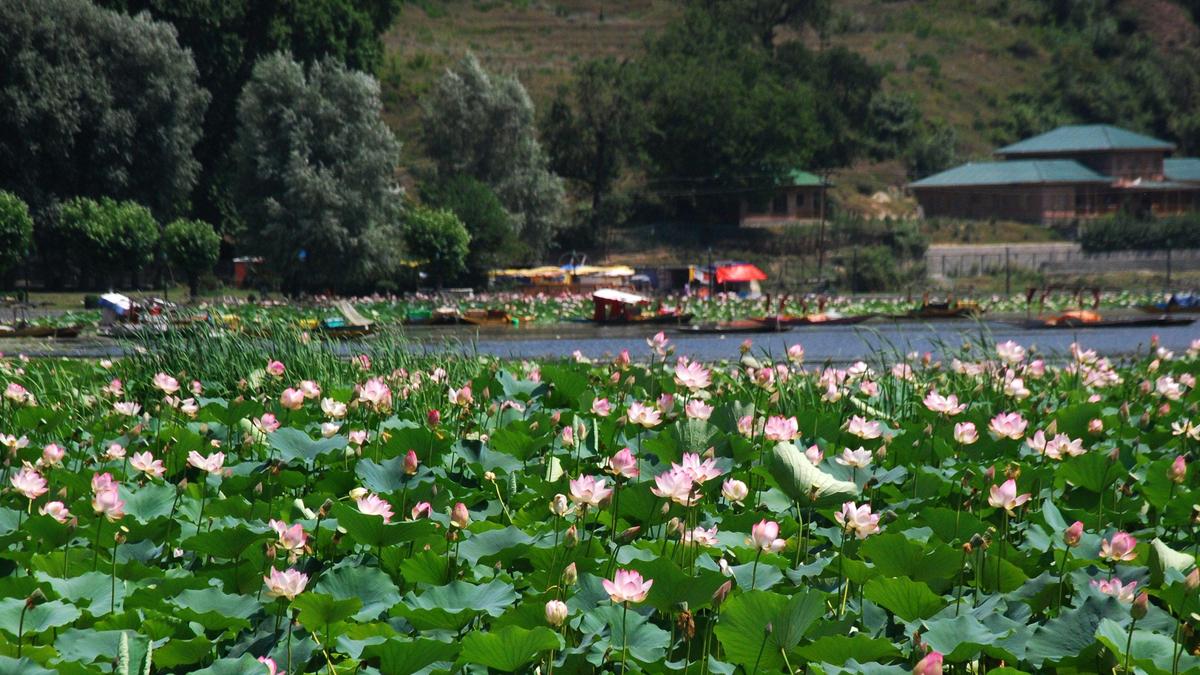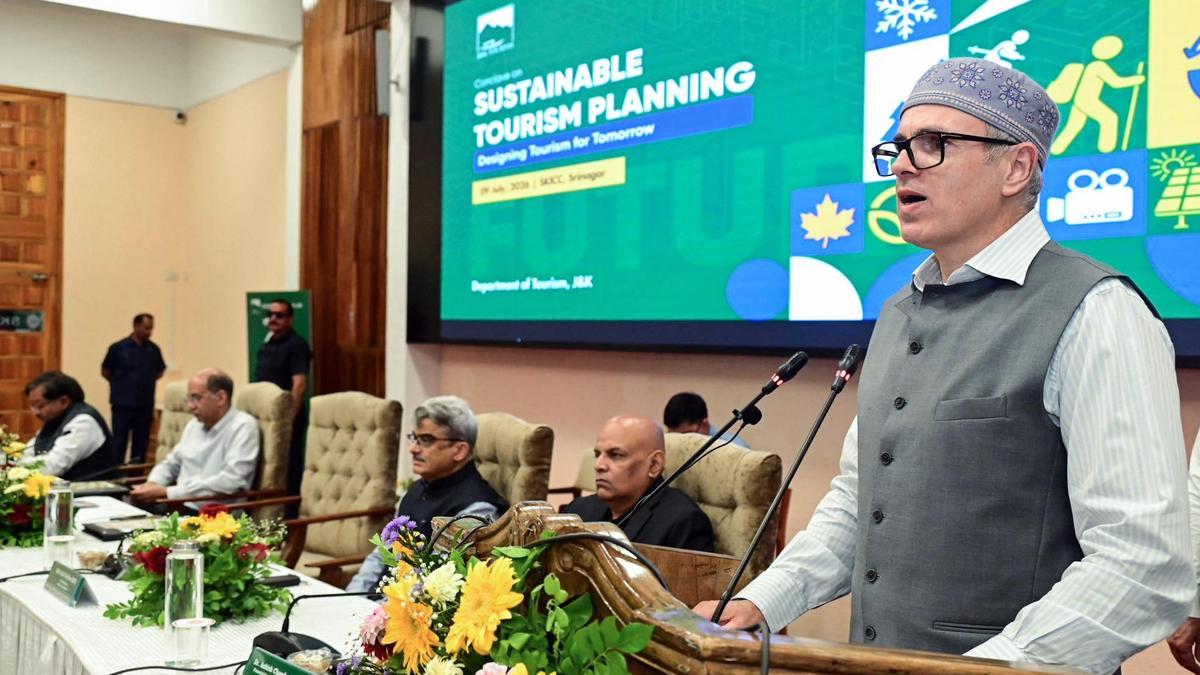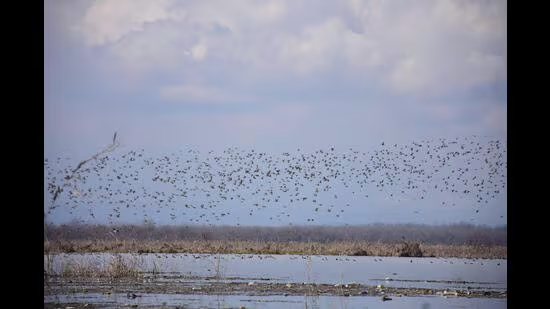
With nearly 600 recorded bird species across its diverse wetlands, forests, and alpine habitats, J&K is transforming its avian sanctuaries into eco-tourism hubs.With nearly 600 recorded bird species across its diverse wetlands, forests, and alpine habitats, J&K is transforming its avian sanctuaries into eco-tourism hubs. (HT File)At Wular Lake, a major restoration effort is replacing vehicular roads with non-motorable walkways, cycling tracks, and eco-parks to safeguard the ecosystem. Infrastructure upgrades are also underway at key birding hotspots like Dachigam National Park, Gharana, and the Hokersar wetlands. Manasbal Lake — the deepest freshwater body in the region and a natural spawning ground for aquatic birds — is being actively developed to offer sustainable birdwatching experiences.Minister for agriculture production, rural development and panchayati raj, cooperative and election departments, Javid Ahmad Dar, who recently chaired a meeting at Sher Kashmir University of Agriculture Sciences and Technology, said that avian conservation is indispensable for sustaining biodiversity, ensuring ecosystem stability, and strengthening climate resilience in fragile regions like Jammu and Kashmir.“The union territory hosts nearly 600 recorded bird species across its wetlands, forests, alpine habitats, and riverine ecosystems. Several of these species are rare, migratory, and habitat-sensitive, making the region one of India’s most significant biodiversity hotspots,” he said, adding that birds are not merely components of our natural heritage, they are essential indicators of environmental health and play a foundational role in sustaining ecosystems through pollination, seed dispersal, pest regulation, scavenging, and nutrient cycling.“Jammu and Kashmir’s pristine lakes, marshes, mountain ranges, and river valleys attract birdwatchers, wildlife photographers, researchers, and eco-tourists from across the globe. Bird-based ecotourism and nature tourism hold immense potential for generating sustainable livelihood opportunities for local communities while simultaneously incentivising habitat conservation,” he said.He said that conservation of birds is intrinsically linked to the conservation of our forests, wetlands, and water systems. “Protecting avian biodiversity is, therefore, central to safeguarding our ecological future,” he said.Hilal Ahmad, who has done post-graduation in Environmental Sciences, said that the government can make tourists familiar with local bird species. “We have some specific species found only in J&K, and these can be a good attraction, especially indigenous species. The government can develop birdwatching parks around forests, wetlands, and lakes. It can be a unique and different experience,” he said.A senior forest official said that the department has developed several parks in J&K and that these could be expanded into larger parks to attract tourists. “The government has many proposals under consideration, especially a big project being developed around Wular Lake and other wetlands of the UT.”Jalal Jeelani, environmentalist, trekker, and filmmaker, said that Kashmir’s landscape, wetlands, forests, glaciers, glacial lakes, lush green meadows, and streams may make it a world’s paradise, but it also has enormous potential for birdwatching, bird photography, and bird tourism. Wetlands like Wular, Hokersar, Shallabugh, and Hygam can greatly contribute to the expansion of Kashmir tourism. “Kashmir has the potential to become a worldwide destination for people interested in natural history, research, and bird photography. In Kashmir, every season offers a symphony of colors, wings, and migration tales. This could add value to our tourism sector,” he said.He said that promoting responsible ecotourism through guided bird trails, eco-experts, and including local community participation can create sustainable livelihoods while protecting and preserving ecosystems. “Kashmir’s landscapes are alive with stories waiting to be explored through binoculars and captured through the senses. Thus, Kashmir can truly take flight through birds onto the world tourism map, with name and fame,” he added.
600 species and counting: J&K turning avian sanctuaries into eco-tourism hubs
At Wular Lake, a major restoration effort is replacing vehicular roads with non-motorable walkways, cycling tracks, and eco-parks to safeguard the ecosystem. Infrastructure upgrades are also underway at key birding hotspots like Dachigam National Park, Gharana, and the Hokersar wetlands.
578 words~3 min read