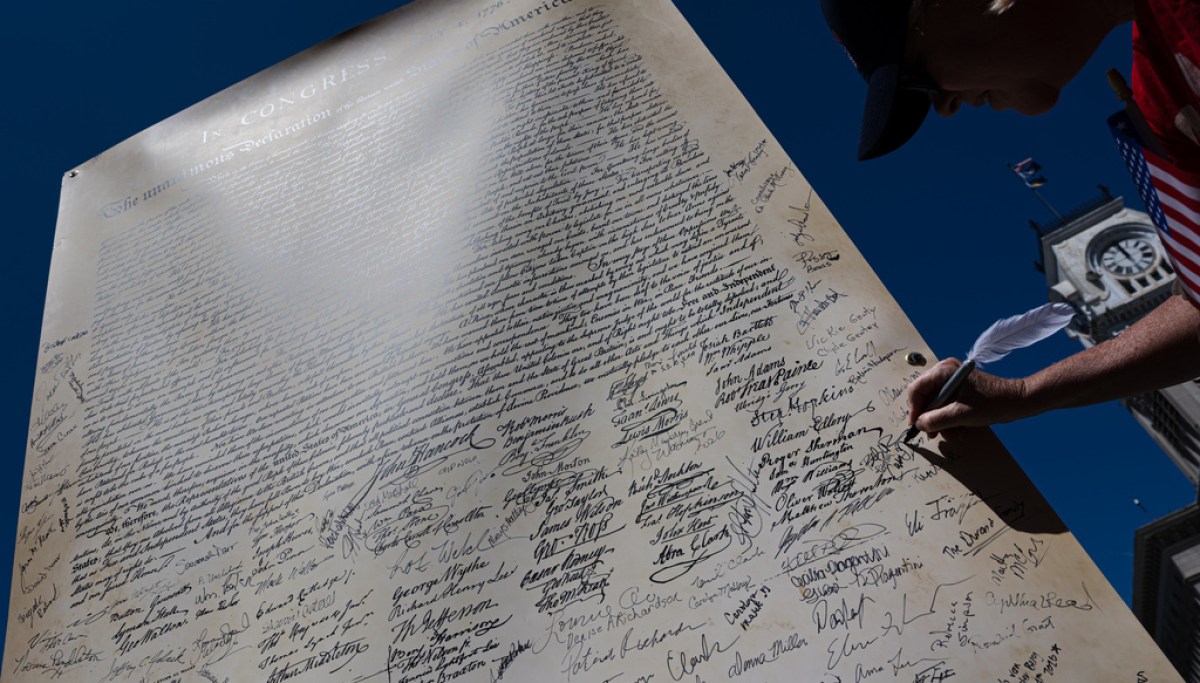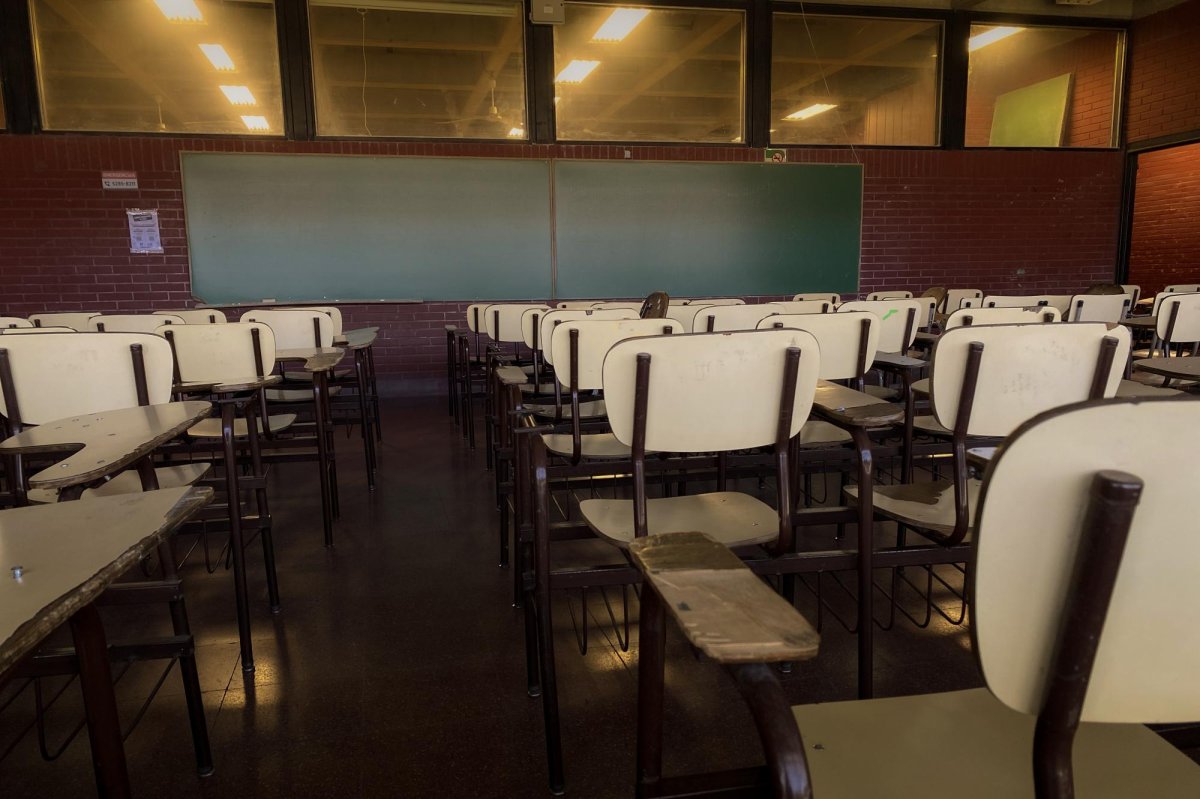
As the United States marks the 250th anniversary of its Declaration of Independence, a debate has reemerged over the condition of civic education. File Photo by Pablo Barrera/EPA
July 10 (UPI) -- As the United States marks the 250th anniversary of its Declaration of Independence, a debate has reemerged over the condition of civic education.
One useful contribution comes from Jacob Wolf, director of the Program in American Civilization at the University of Austin and a 2022 recipient of the Jack Miller Center's award for excellence in civic education. Wolf has written that the Declaration "does not demand sentimental reverence or emotional approval, but judgment and moral commitment."
That concern is not limited to the United States. It speaks to Latin America, where constitutional democracy remains fragile in many countries and where schools often teach the mechanics of institutions without the moral habits needed to sustain them.
Wolf's observation points to the deeper purpose of civic education. Its aim is not patriotic ceremony or uncritical admiration of national myths. It is to help students understand the principles of free government and the responsibilities of citizenship.