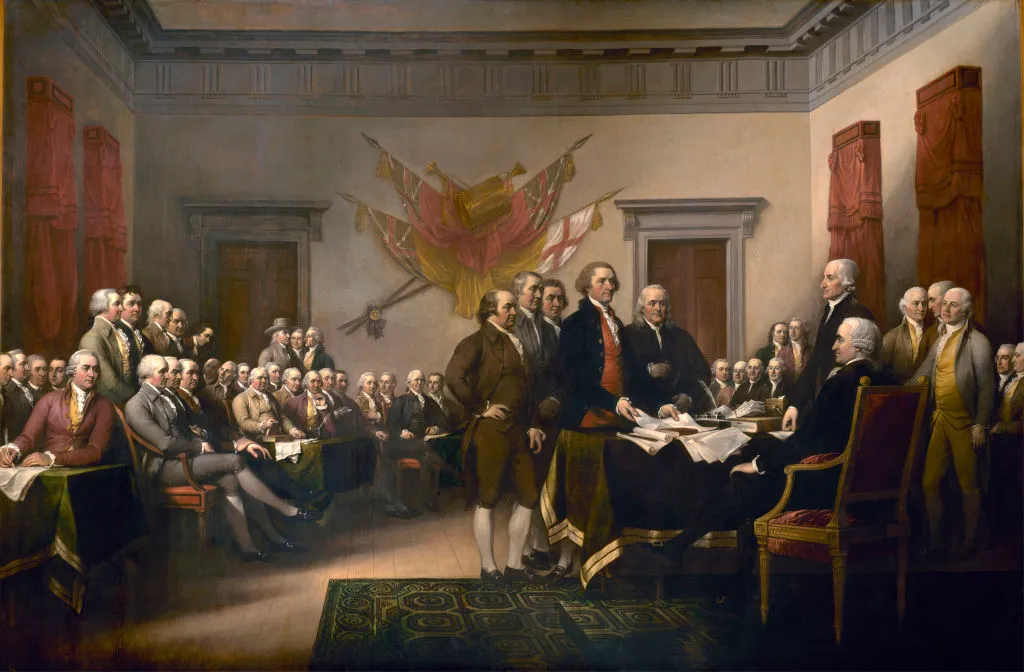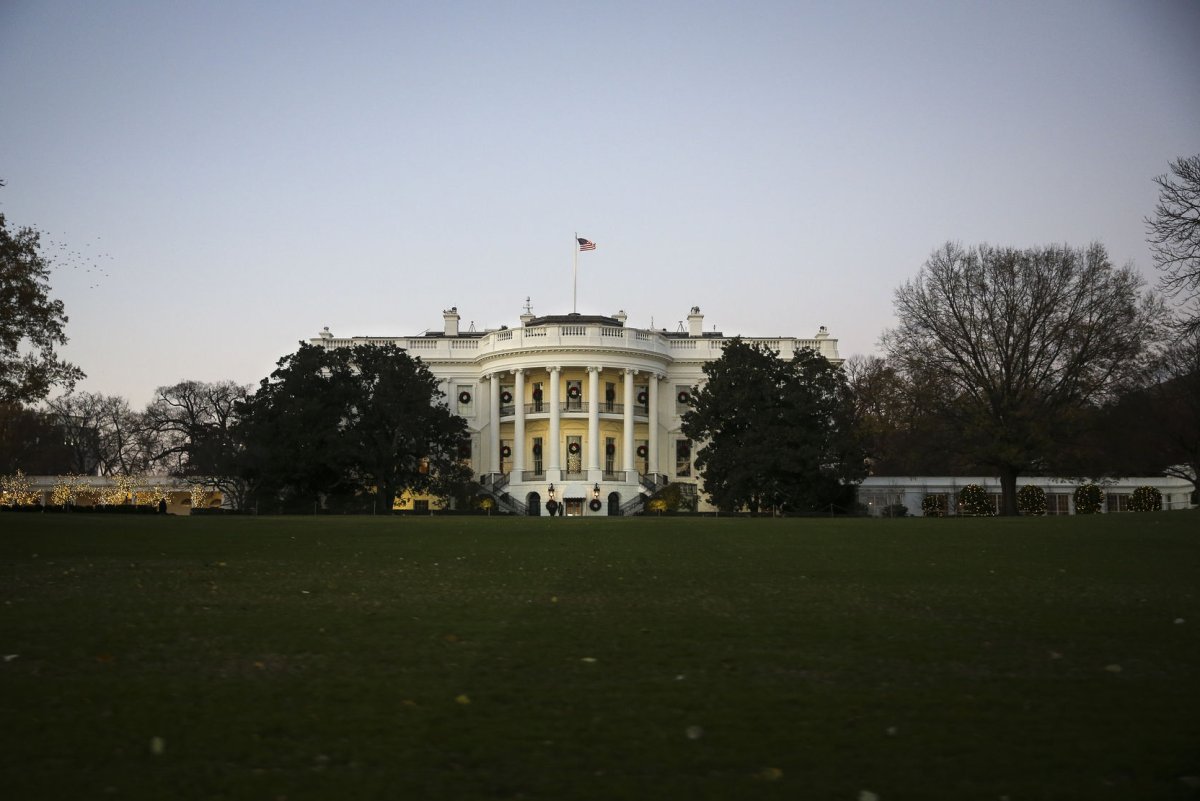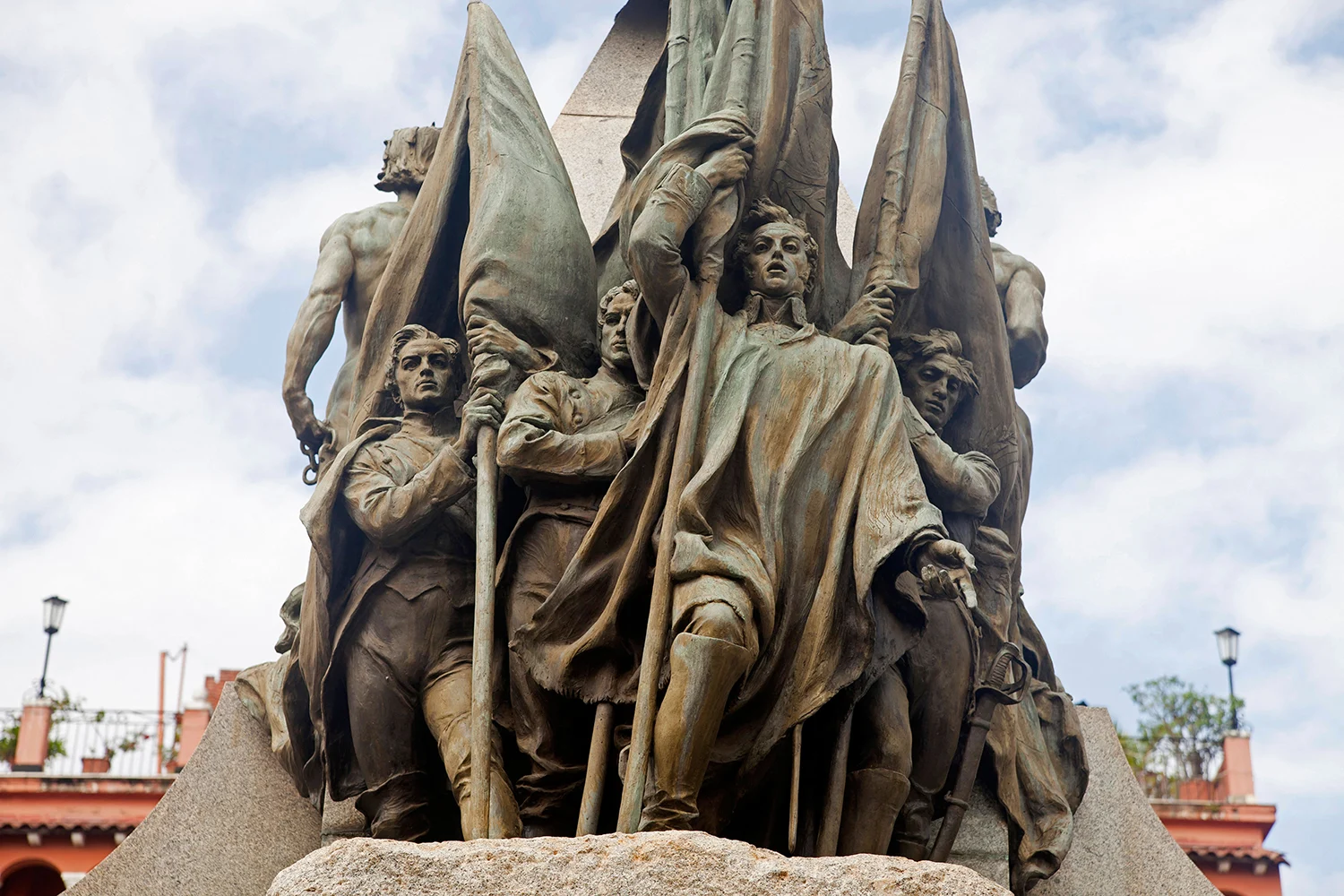
On July 4, the United States celebrated the 250th anniversary of the Declaration of Independence with soaring rhetoric of American exceptionalism. Elsewhere in the Western Hemisphere, countries are marking a different historical milestone: the bicentenary of the Congress of Panama.
Two hundred years ago this summer, diplomats from across the Americas gathered in Panama for the Western Hemisphere’s first international summit. Although the bicentenary of the Congress of Panama has been overshadowed by the United States’ 250th birthday, these parallel commemorations offer a window into competing U.S. and Latin American visions for hemispheric relations. The legacy of the largely forgotten Panama summit remains relevant as the region once again confronts pressures from Washington.
The delegates in Panama contended with tropical disease, food shortages caused by years of wartime disruption, and the daunting logistics of bringing together representatives from across the region. But the greatest challenge lay elsewhere: Their newly independent states remained politically fragile. Across the Atlantic, Europe’s reactionary Holy Alliance of Austria, Prussia, and Russia had endorsed the restoration of Ferdinand VII’s absolute rule in Spain, fueling fears that they might also back a Spanish attempt to reassert authority in the Americas. Faced with this existential threat, the delegates in Panama concluded that only a united front could safeguard their hard-won independence.