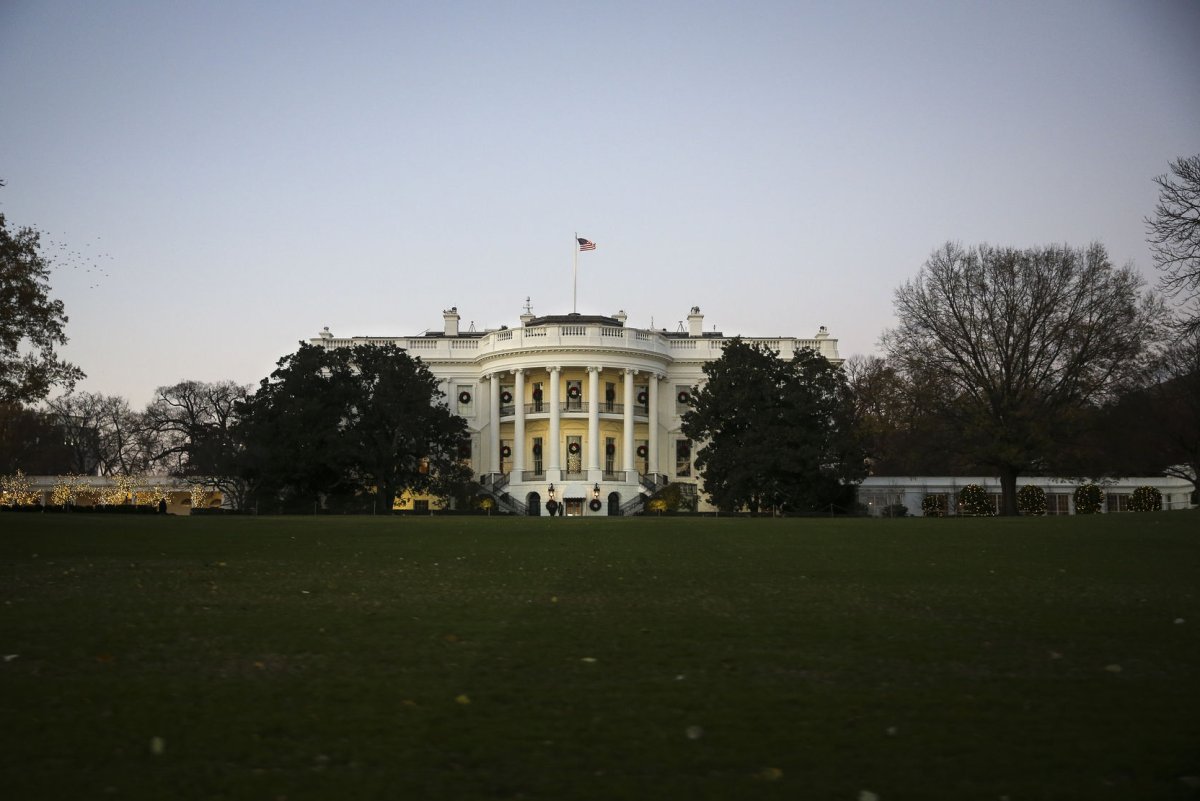
The South Lawn of the White House is seen as President Donald Trump and first lady Melania Trump participate in the 2018 National Christmas Tree lighting ceremony at the Ellipse near the White House in Washington, DC on November 28, 2018. Photo by Oliver Contreras/UPI | License Photo
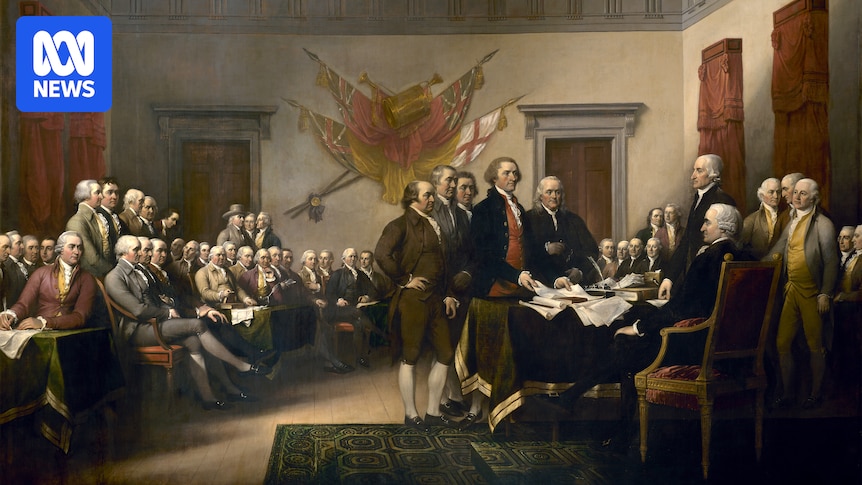
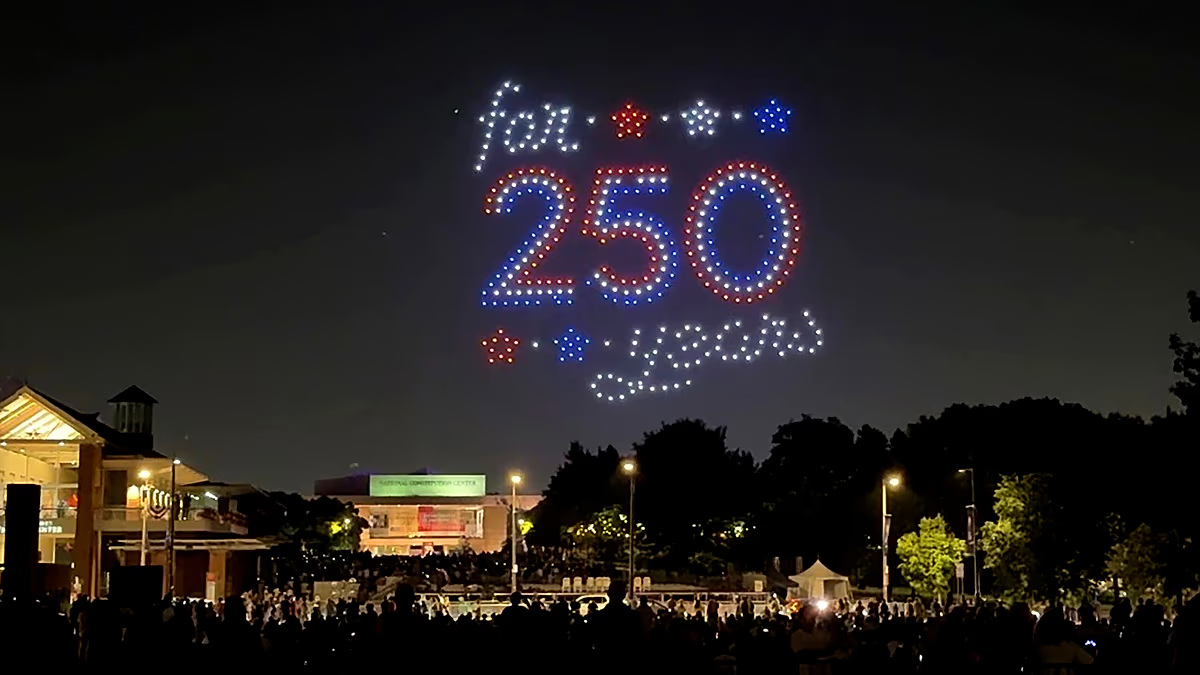
July 1 (UPI) -- On July 4, the United States will commemorate 250 years since the Continental Congress adopted the Declaration of Independence in Philadelphia.
The declaration announced a revolutionary principle: human beings possess rights that do not come from government. Political authority is legitimate only when it protects those rights and rests on the consent of the governed.
The American Revolution influenced Latin America's independence leaders, although not as uniformly as the French Revolution or the ideas of European Enlightenment thinkers such as Jean-Jacques Rousseau. Some admired the constitutional order created in the United States. Others doubted that it could be reproduced in societies with different histories and political conditions. The great liberators were aware of the American experience, but they interpreted its lessons in distinct ways.
The Spanish American wars of independence lasted roughly from 1809 to 1824, more than three decades after the United States declared its independence. By then, Latin American leaders could study the U.S. Declaration of Independence and Constitution. Their challenge, however, was different.