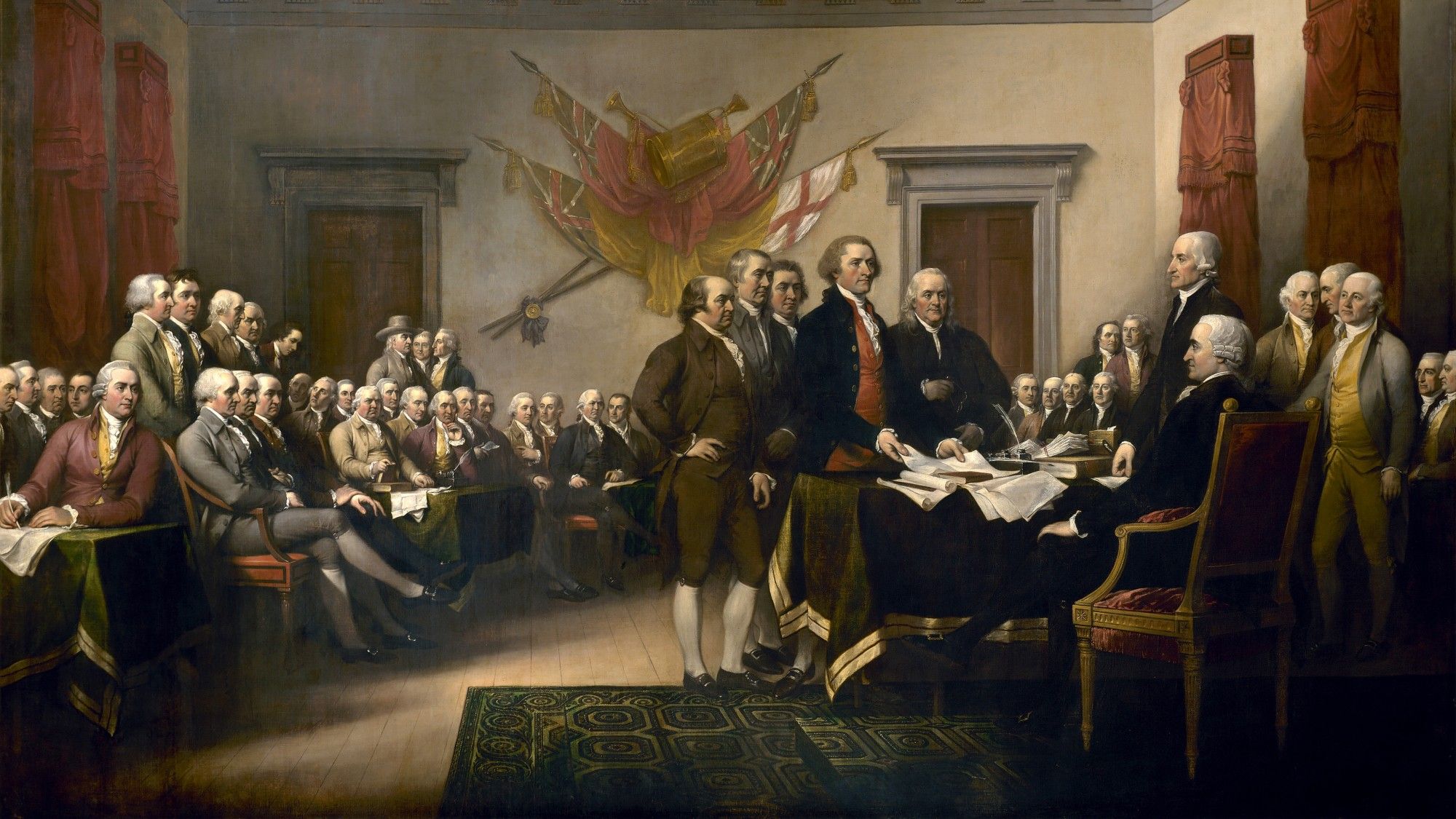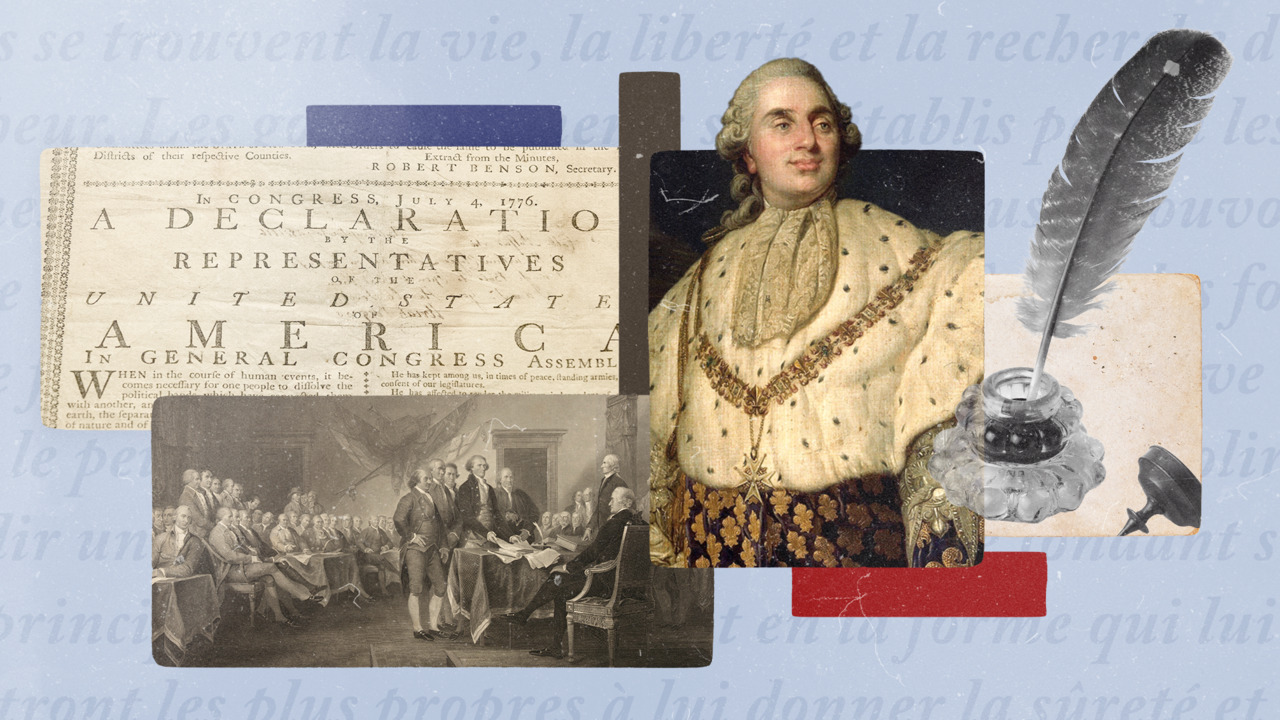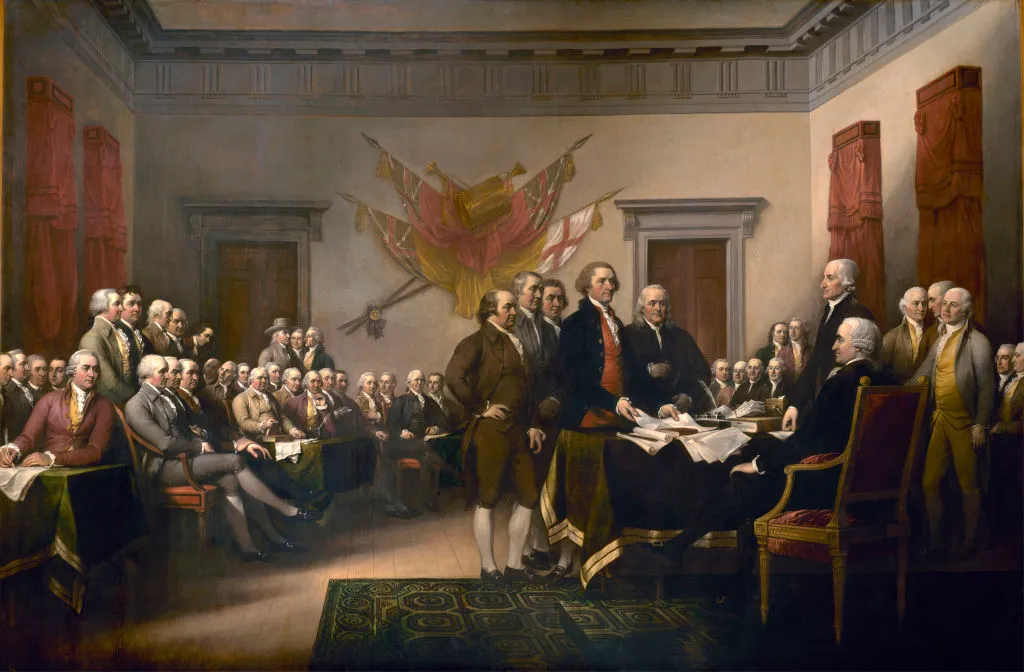
The 250th anniversary of America’s Declaration of Independence comes at a moment when Anglo-American relations are buffeted by competing visions of global order. It’s a reminder that what today we call the ‘Special Relationship’ wasn’t always so smooth and took more than a century to develop. At each stage of the process – from rebellion, through two wars, decades of tension, and then a firm alliance based on generally-shared values – the American Declaration of Independence played a central role. From treason in 1776, it became part of the ‘title-deed’ of the English-speaking world in the 20th century, whose call for liberty and equality still defines the values shared by Britain and America. Yet when it first reached London, in the summer of 1776, the Declaration seemed to declare the final separation of mother country and colonies.
The Americans had not just rebelled against the King, charged Lind: ‘the Declaration of the American Congress is an insult offered to everyone who bears the name of Briton.’
By the standards of the day, it did not take long for news of the Declaration of Independence to reach London. Adopted by the Continental Congress on July 4, 1776, in Philadelphia, and printed as a broadside that same evening by the Irish immigrant John Dunlap, the Declaration was sent to Britain on July 28, where it arrived by the middle of August, beginning a long, fraught, and complicated part of transatlantic relations.