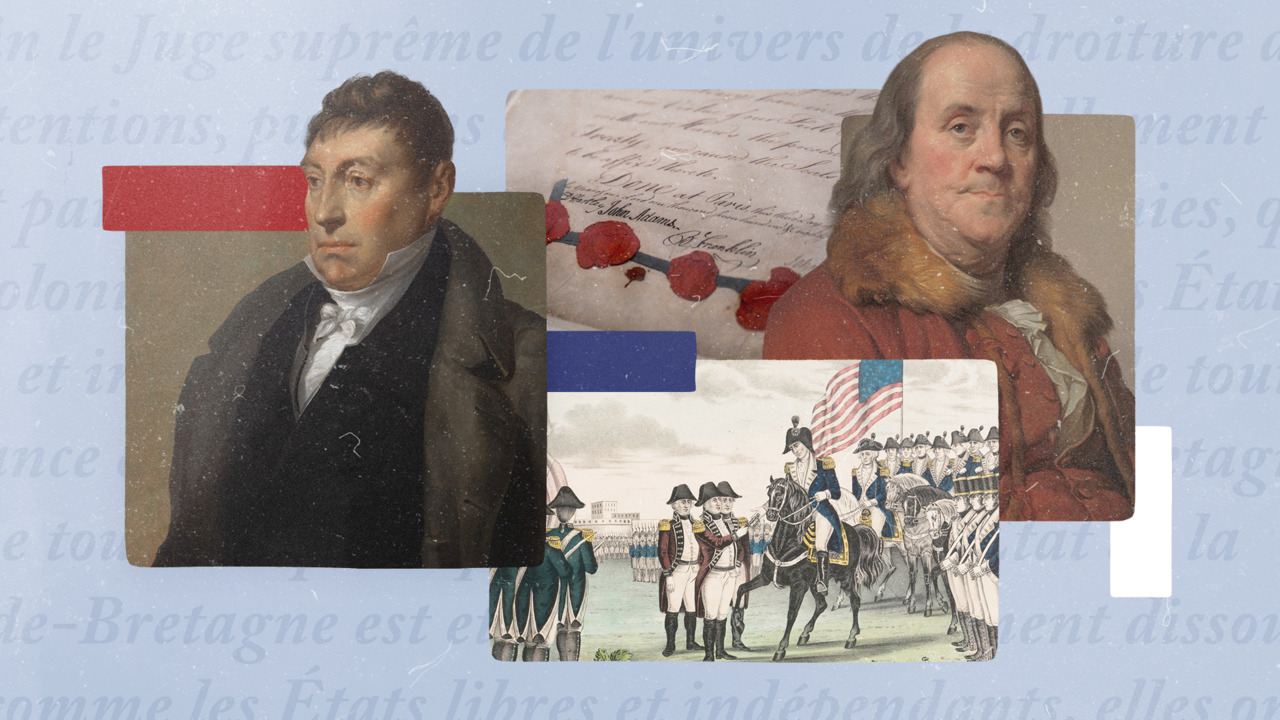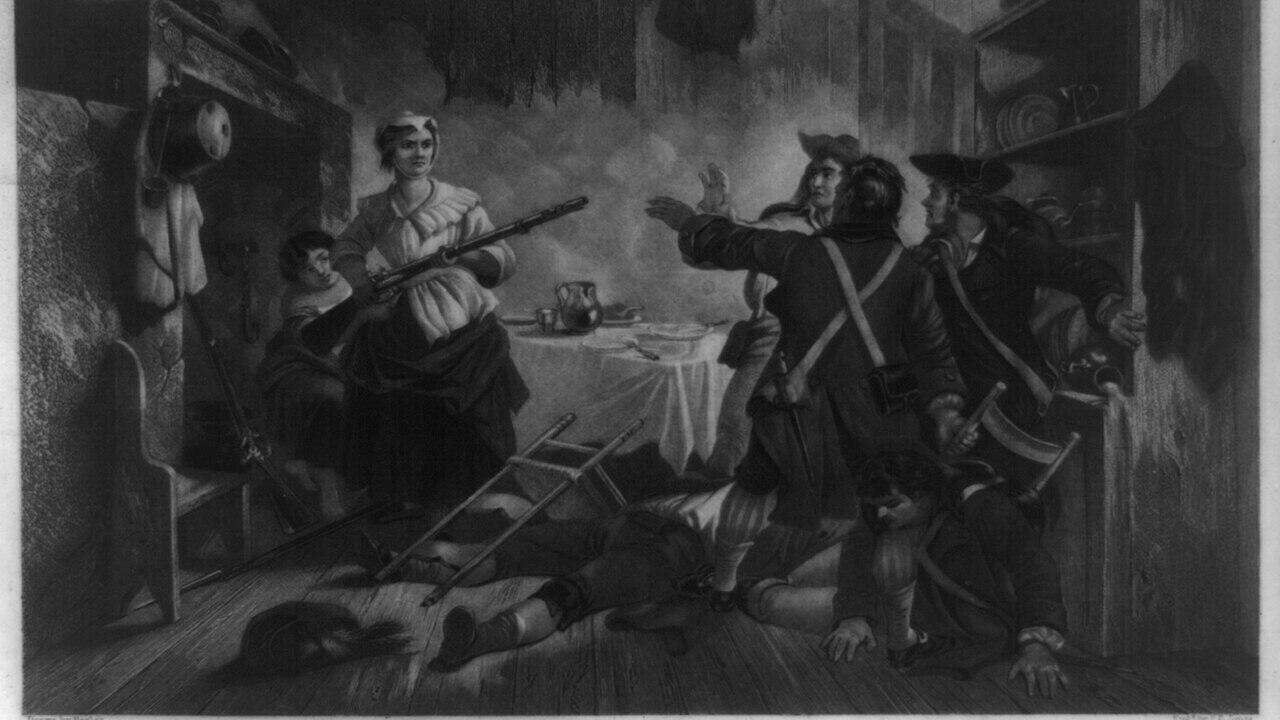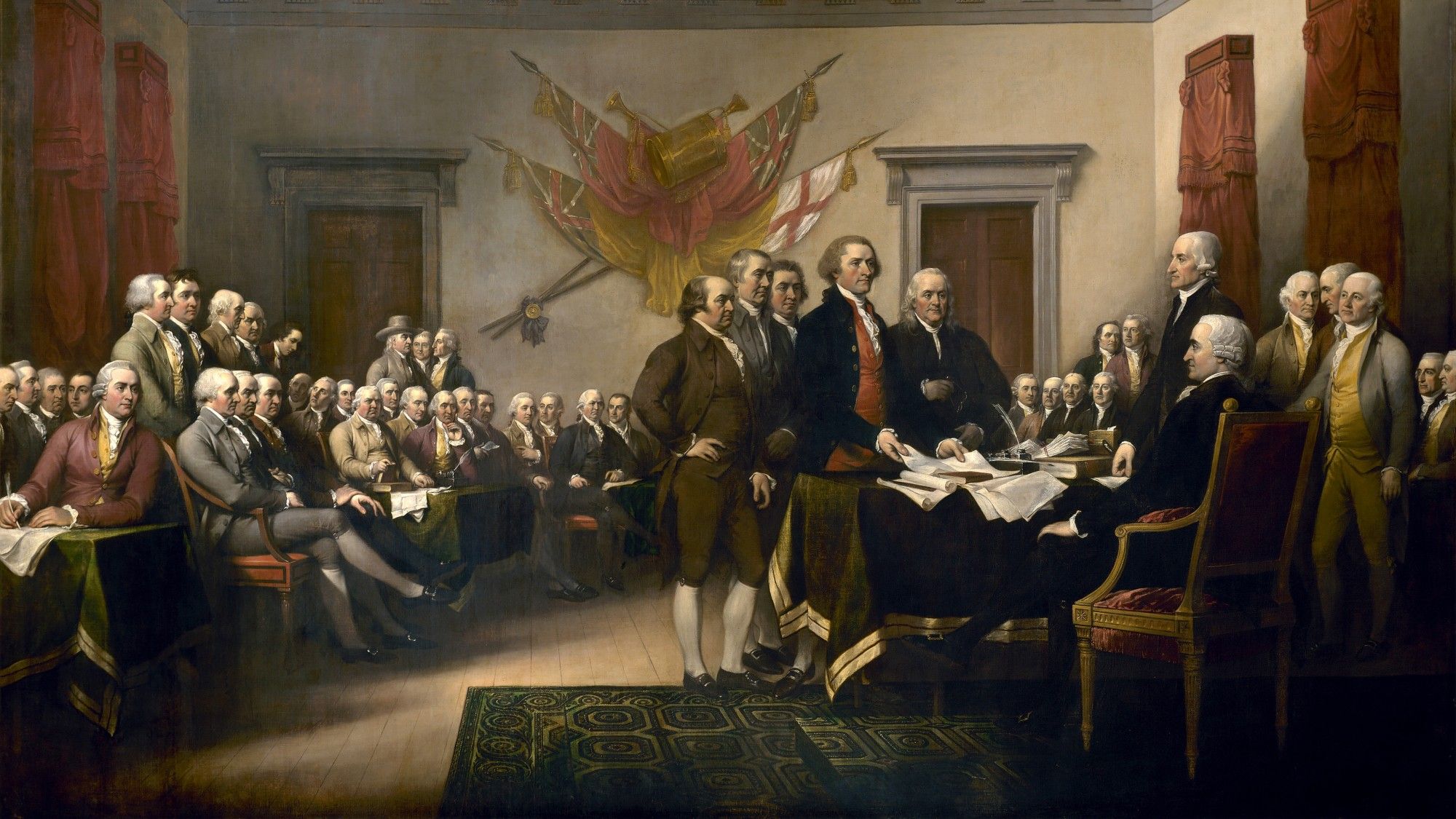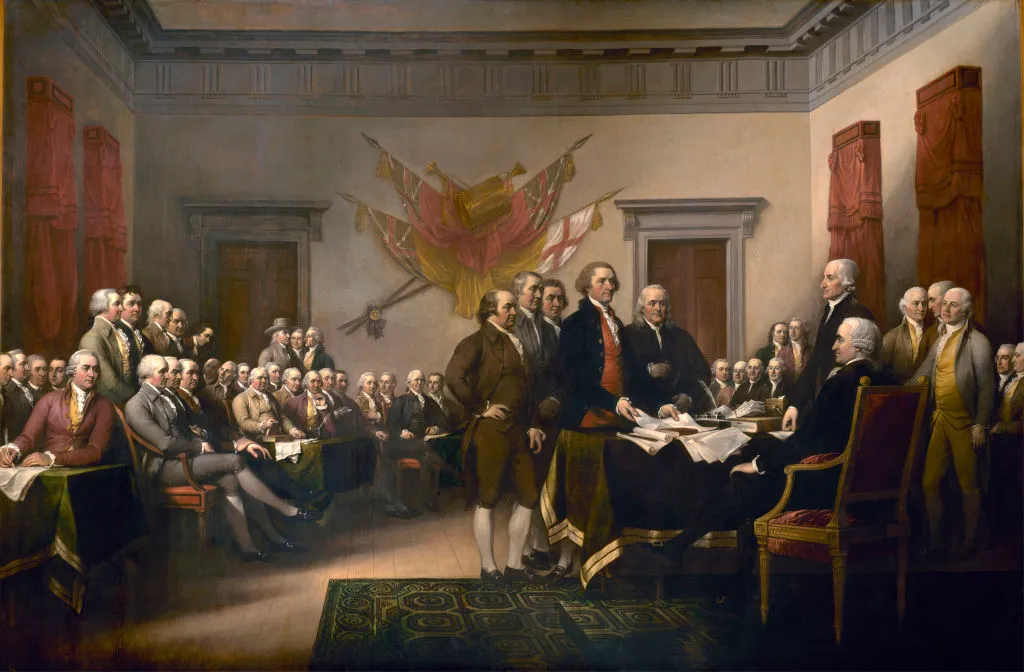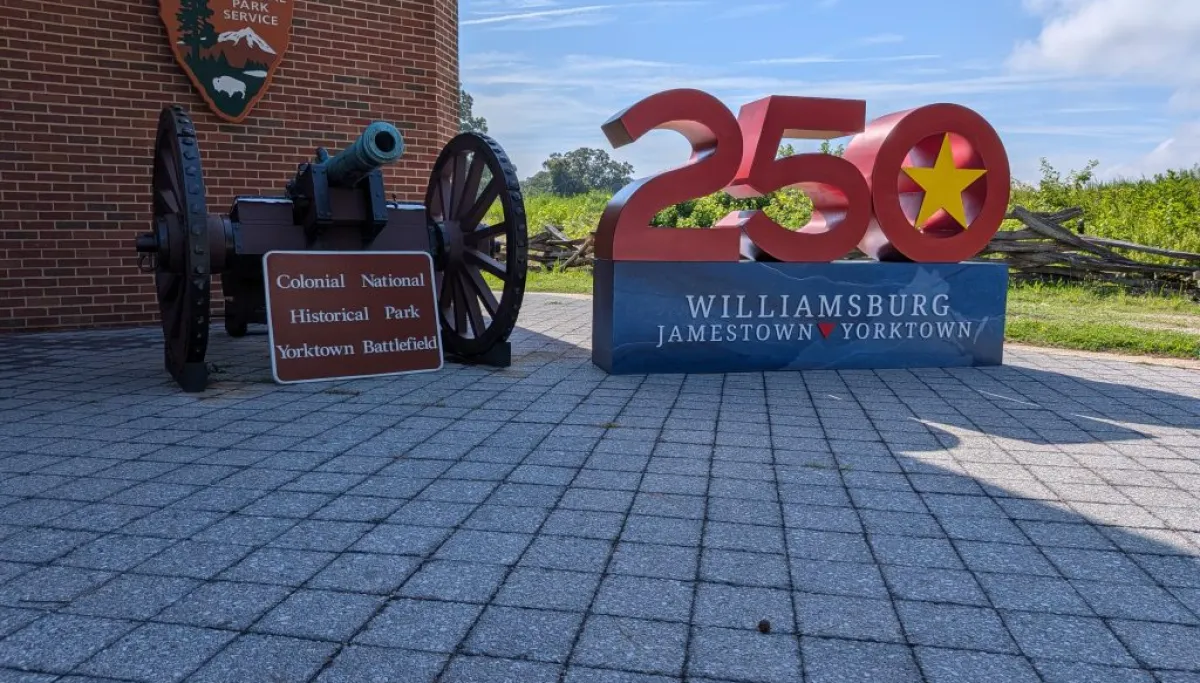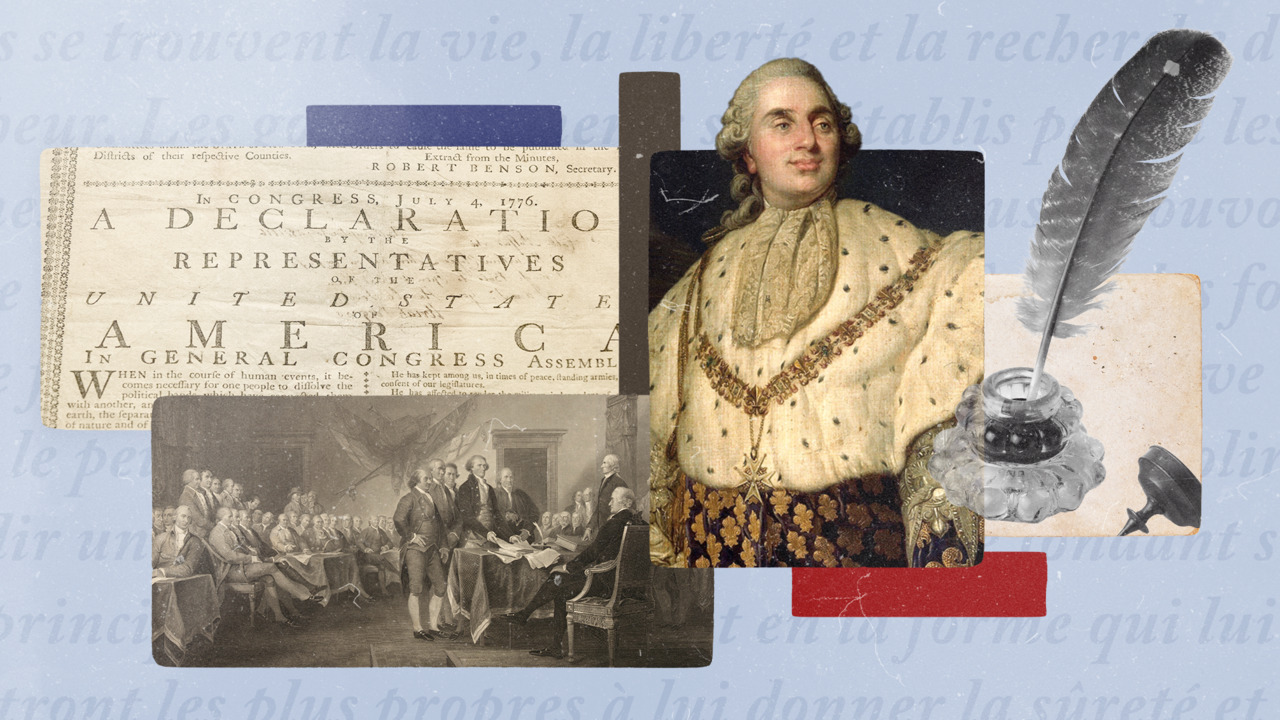
On July 4, 1776, 13 British colonies in North America broke with the British Crown and declared their independence, in a momentous act of rebellion that would change the course of history. As the United States celebrates its 250th birthday, FRANCE 24 looks back at France’s decisive – and often overlooked – role in the American Revolutionary War. Behind the independence project, lies another story: that of a long-standing rivalry between Great Britain and France, the two great European powers at the time. When the Thirteen Colonies proclaimed their independence, they were still a long way from winning the war. Across the Atlantic, France watched the brewing rebellion with increasing interest. For the young King Louis XVI, the dispute between American colonists and the British government represented an opportunity to exact revenge on France's historic rival. Far from being a spontaneous show of support for a democratic revolution, France’s support was rooted in decades of conflict with its neighbour from across the Channel. ‘Englishmen in America’ France and Britain had been competing for control of North America, the Caribbean, the Indies, and trade routes since the 17th century. The French monarchy had colonised territory spanning from the Gulf of Saint Lawrence in the north, in modern-day Canada, to the Gulf of Mexico in the south. "France held nearly half the territory east of the Mississippi," said Steven Ekovich, professor emeritus of politics and history at the American University of Paris. “For both monarchies, America was part of a much wider global conflict between the English and the French." The rivalry between the two powers did not prevent trade. As early as the 17th century, steady commerce developed between the British colonies of New England and the French West Indies. Timber, supplies, livestock, and construction materials all regularly crossed the Atlantic Ocean. These early economic ties between French and American colonists were well established before independence. A break between the colonists and the mother country was unimaginable at this time. "The Americans were Englishmen in America above all, and they wished to remain so," said Ekovich. The Thirteen Colonies and their 2.5 million inhabitants thus far did not consider themselves as citizens of a single nation.
250 years of US independence: Why France supported American Revolutionaries
French support for the American Revolution began well before the Declaration of Independence on July 4, 1776. King Louis XVI saw the rebellion in North America as an opportunity to weaken his British…
1,408 words~6 min read