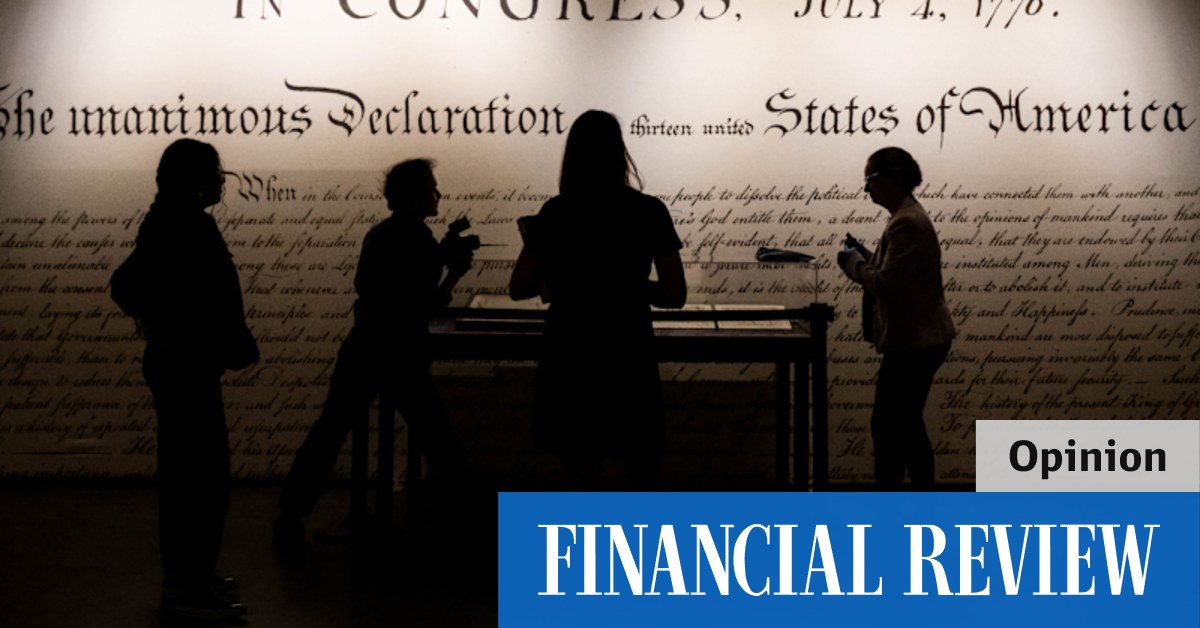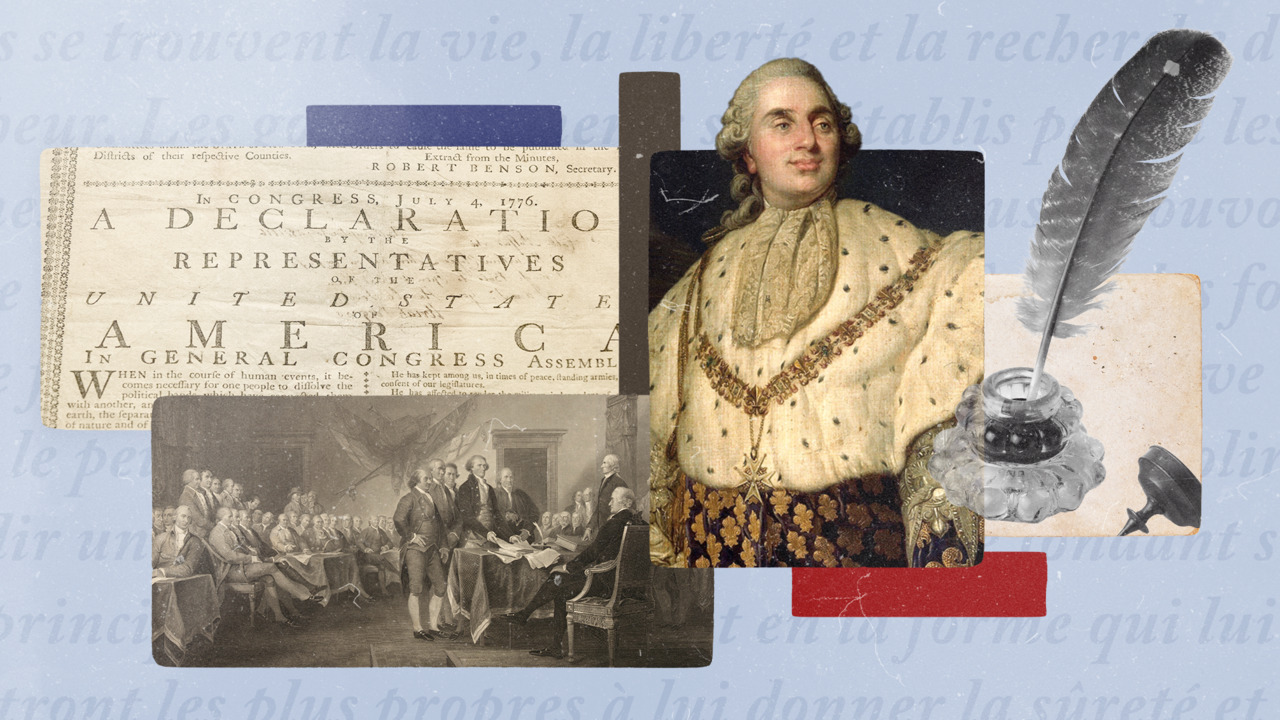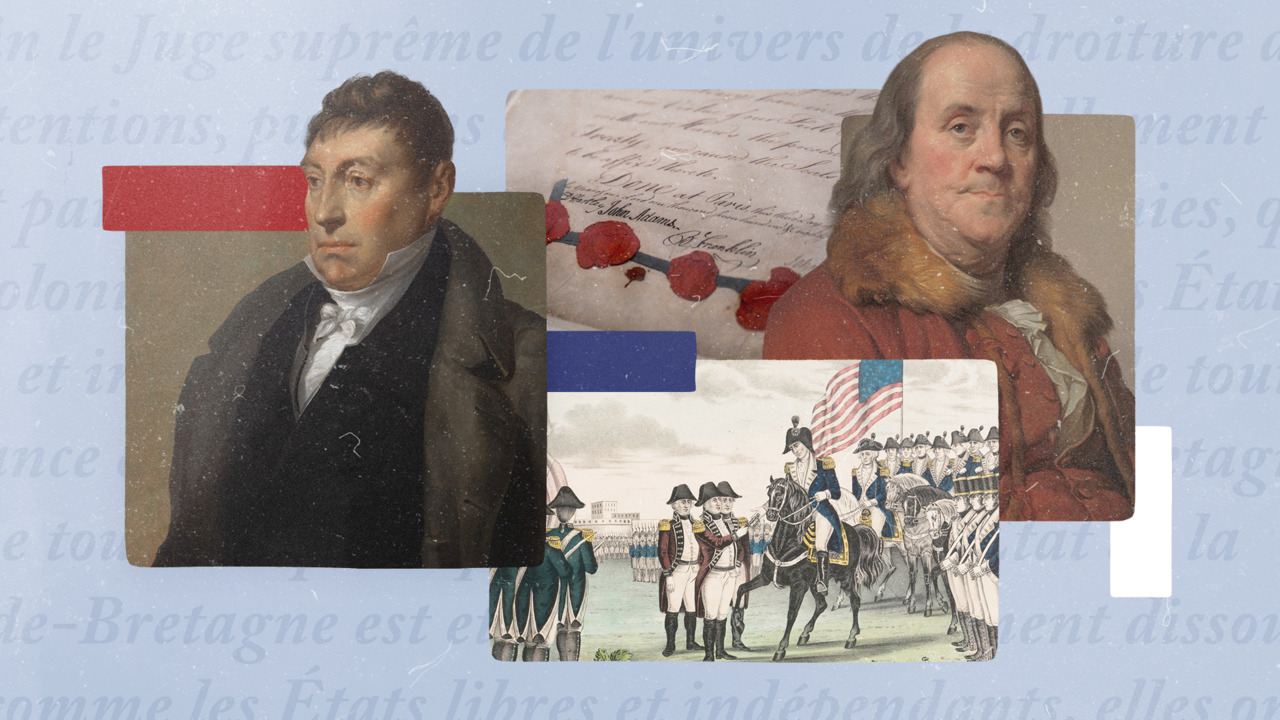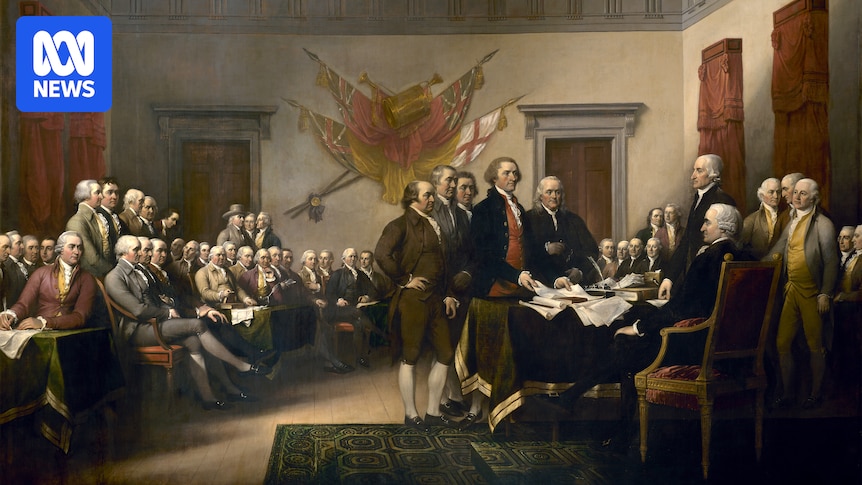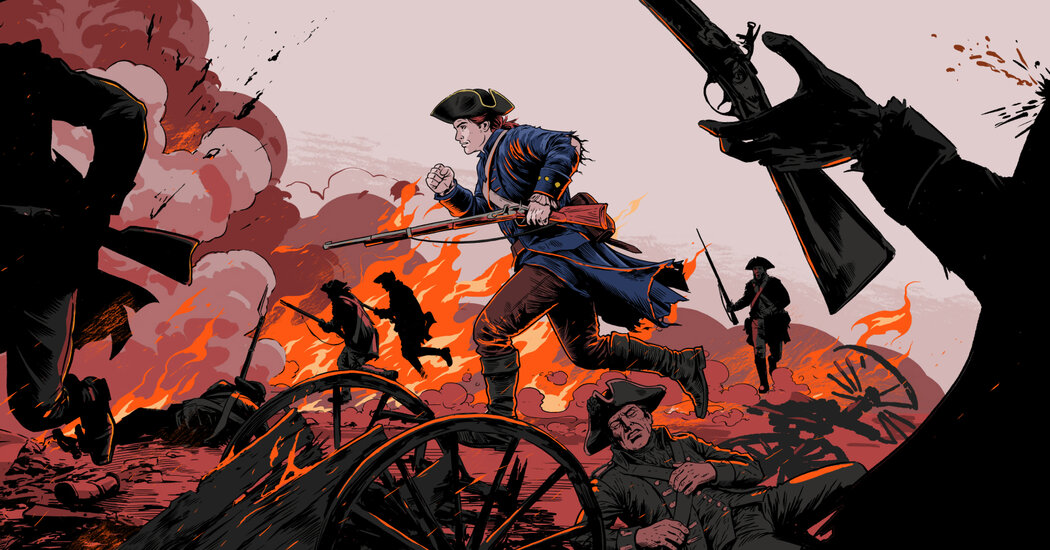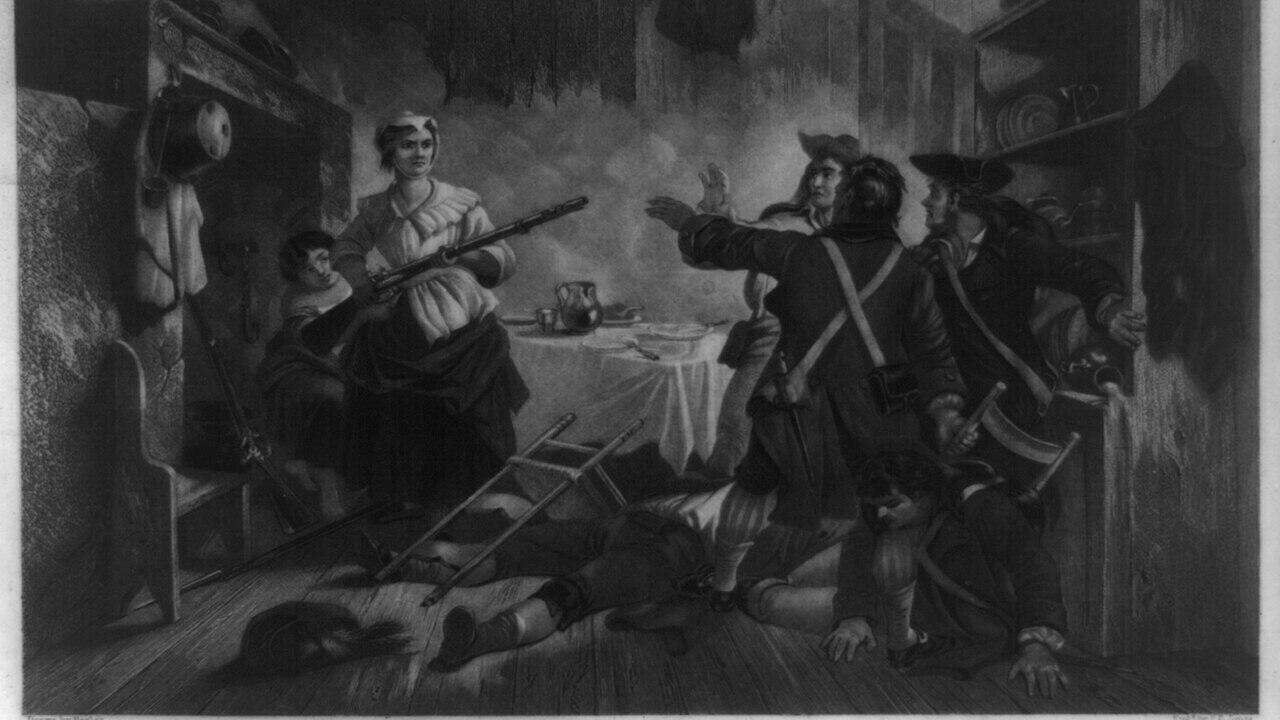
The American Revolution is often examined through the lives of towering figures such as George Washington and Benjamin Franklin. But as the United States marks 250 years since the Declaration of Independence, RFI uncovers the stories of an enslaved spy, a woman who fought disguised as a man and an Oneida healer, all of whom helped shape the fight. Their stories begin long before 1776, with European colonisation, the dispossession of indigenous people and the labour of enslaved Africans.
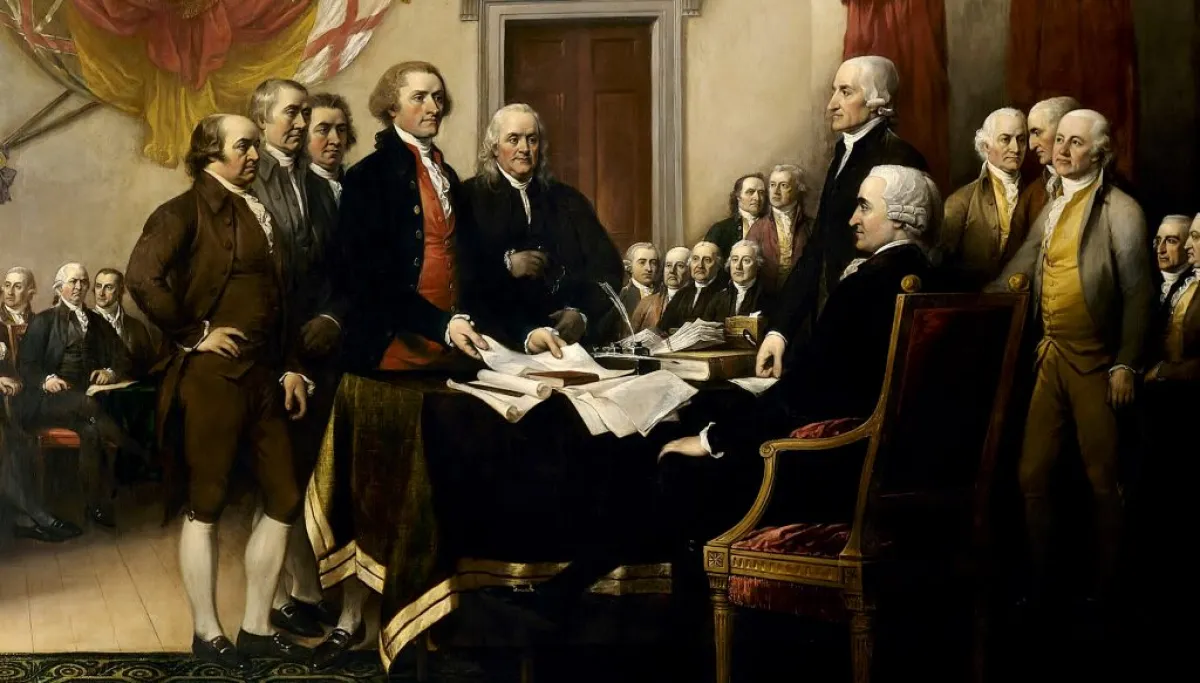
The United States' journey to independence began almost three centuries before the declaration of 1776, as European powers competed for North America's east coast and English settlements grew into the Thirteen Colonies. For much of the 20th century, the story of the revolution was told mainly through familiar figures such as Washington and Franklin. The civil rights movement and the rise of social history encouraged historians to look anew at who fought and supported the cause – a perspective shift that continues today. A "more accurate view of the past" is now emerging as a result, Christopher Brown, a historian of the British Empire at New York's Columbia University, told the Associated Press news agency. Can France’s minorities learn from US slavery struggle? From colonies to revolution European interest in what is now the United States began in 1497, when Genoese explorer Giovanni Caboto – better known in England at the time as John Cabot – reached Newfoundland while sailing for the English crown. The territory was then home to around 5 million indigenous inhabitants. By 1800, that number had fallen to 600,000. England established its first colonies at Roanoke, North Carolina, in the 1580s, and Jamestown, Virginia, in 1607. In 1619, Angolan survivors from a slave ship landed in Virginia as free people, the first Africans to settle in North America, and a year later the pilgrims aboard the Mayflower reached Cape Cod. By the 18th century Britain controlled the Thirteen Colonies, from New Hampshire to Georgia. The north prospered through farming and the fur trade, while the south built plantation economies on enslaved labour, with enslaved people making up around a fifth of the population there – compared with less than 10 percent in New England and the Middle Colonies. Britain emerged victorious but financially weakened from the Seven Years' War – a global conflict between European powers fought from 1756 to 1763 – and new taxes on the colonies split opinion between patriots and loyalists. In 1776, the colonies declared independence, triggering another seven years of war.