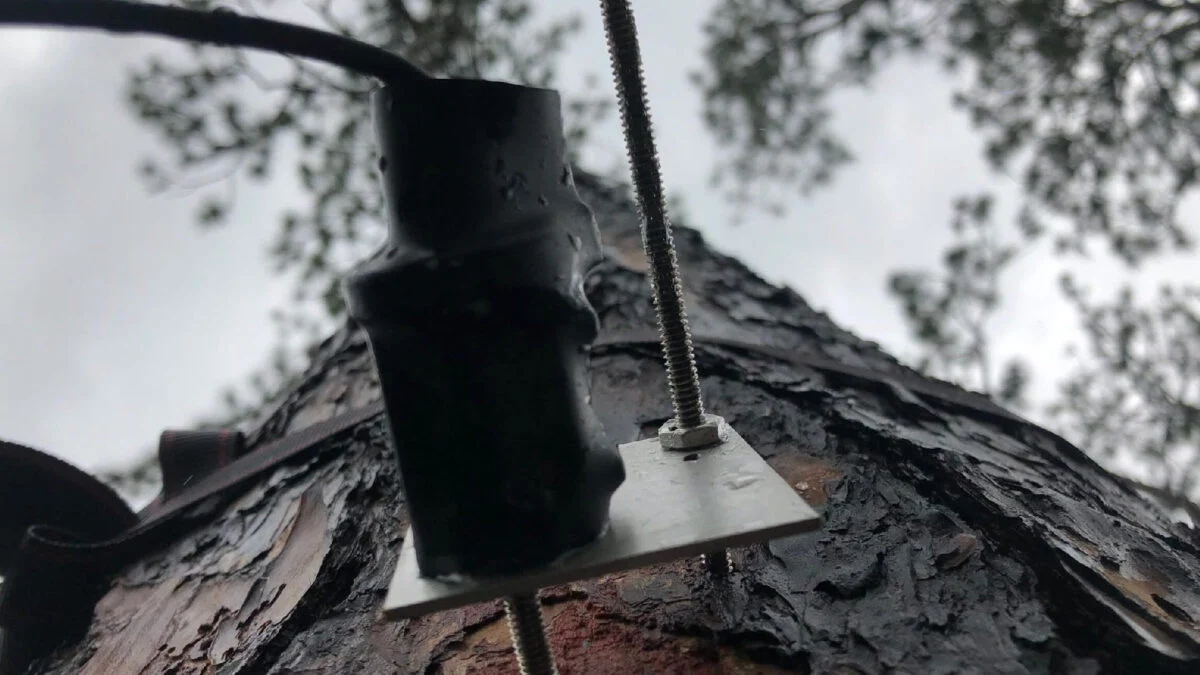
Ecologists and climate researchers have sometimes called it “natural geoengineering.” The idea is elegant in its simplicity: A forest can store anywhere from 10 to 1,000 tons of carbon per hectare (i.e., per 0.01 square kilometers). That’s carbon that would otherwise contribute to the ongoing roasting of our planet as excess carbon dioxide (CO2) in Earth’s atmosphere. So, why not just plant more trees? Problem solved, right? Unfortunately, a new study has discovered some troubling and frustrating hurdles to this otherwise great concept for curbing greenhouse gases via nature’s own long-term carbon capture methods. Researchers in the United States, Europe, and Argentina analyzed minute variations in the growth of oak trees, alongside their treetop CO2 levels, and over 75 years’ worth of tree ring records and temperature data to determine that the mighty oak converts less carbon into wood than previously assumed. While the oaks continue engaging in photosynthesis late into a given year, according to the new study, the trees’ growth of woody biomass—its twigs, branches, trunk, and roots—typically stops by mid-summer. The finding could compel scientists to revise how they incorporate global forest cover into their climate models, cutting down estimates on how much our CO2-breathing plant friends might actually be able to bail us out of human-made global warming.
Trees May Not Slow Climate Change as Much as Scientists Thought
Researchers in the United States, Europe, and Argentina have discovered that some trees stop growing in the heat of summer—a find that could upend current climate models.
694 words~3 min read