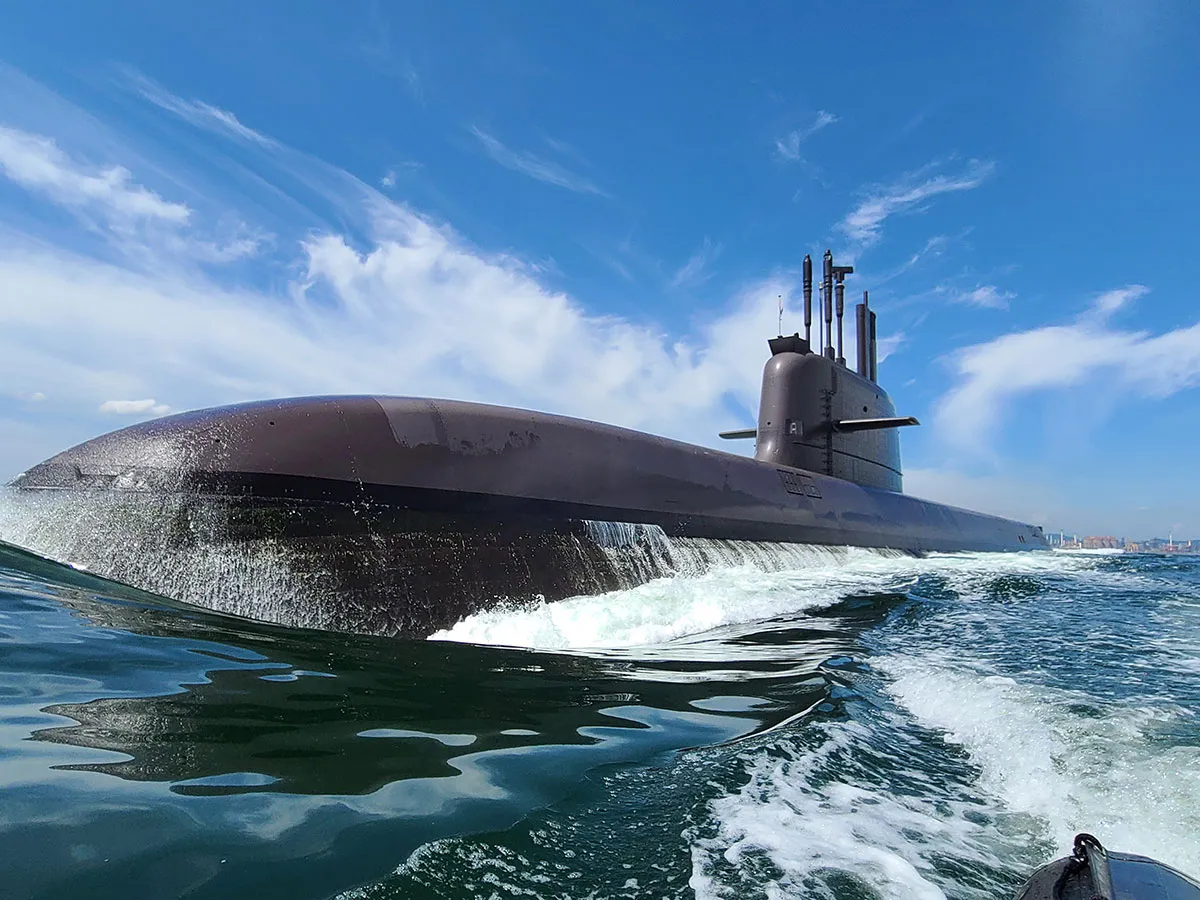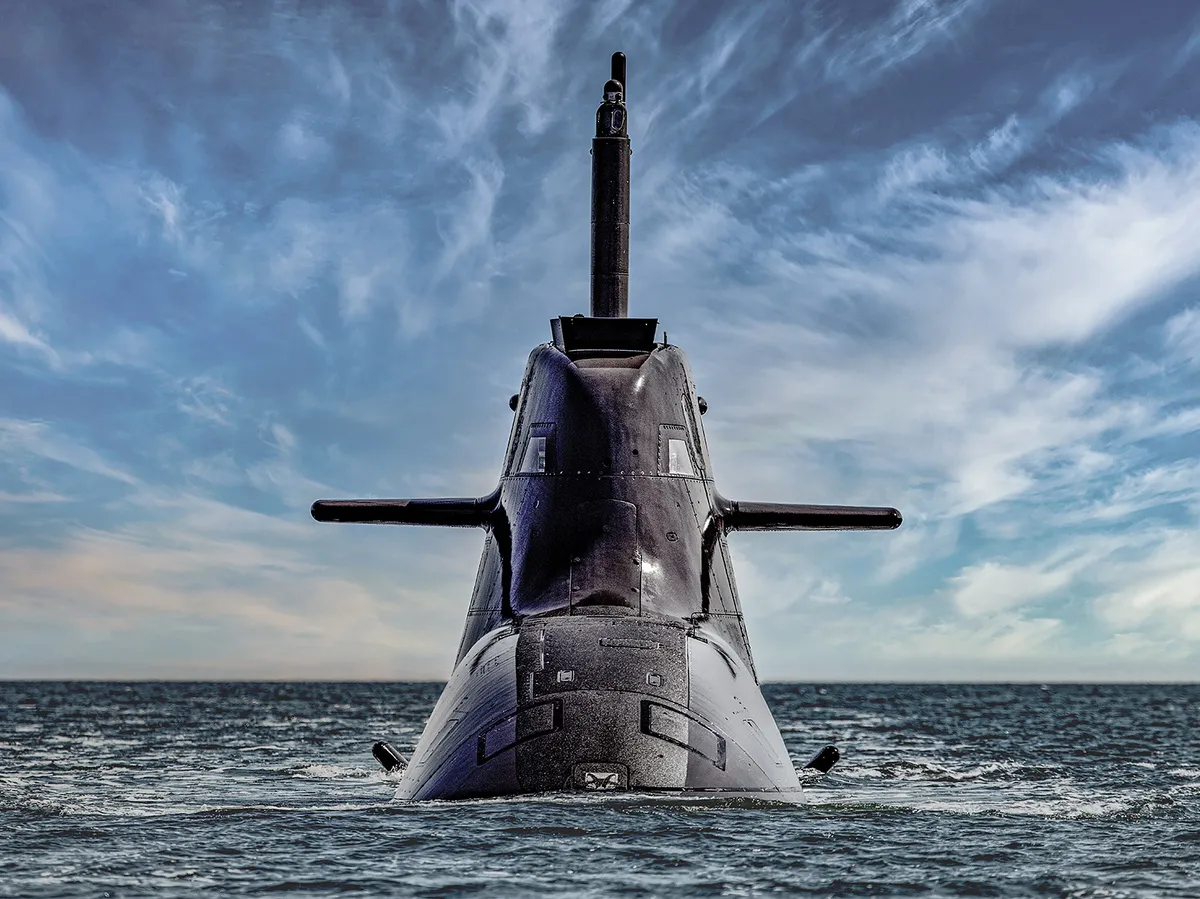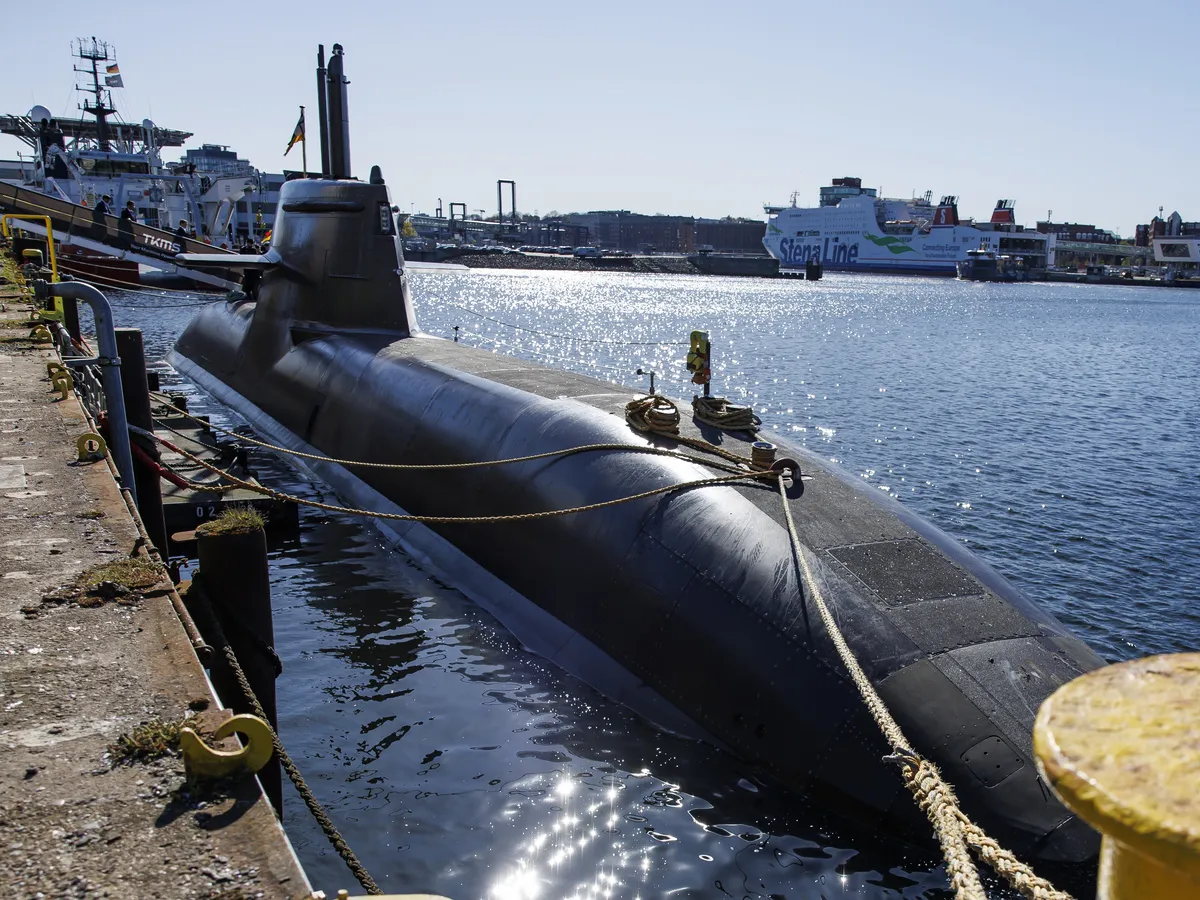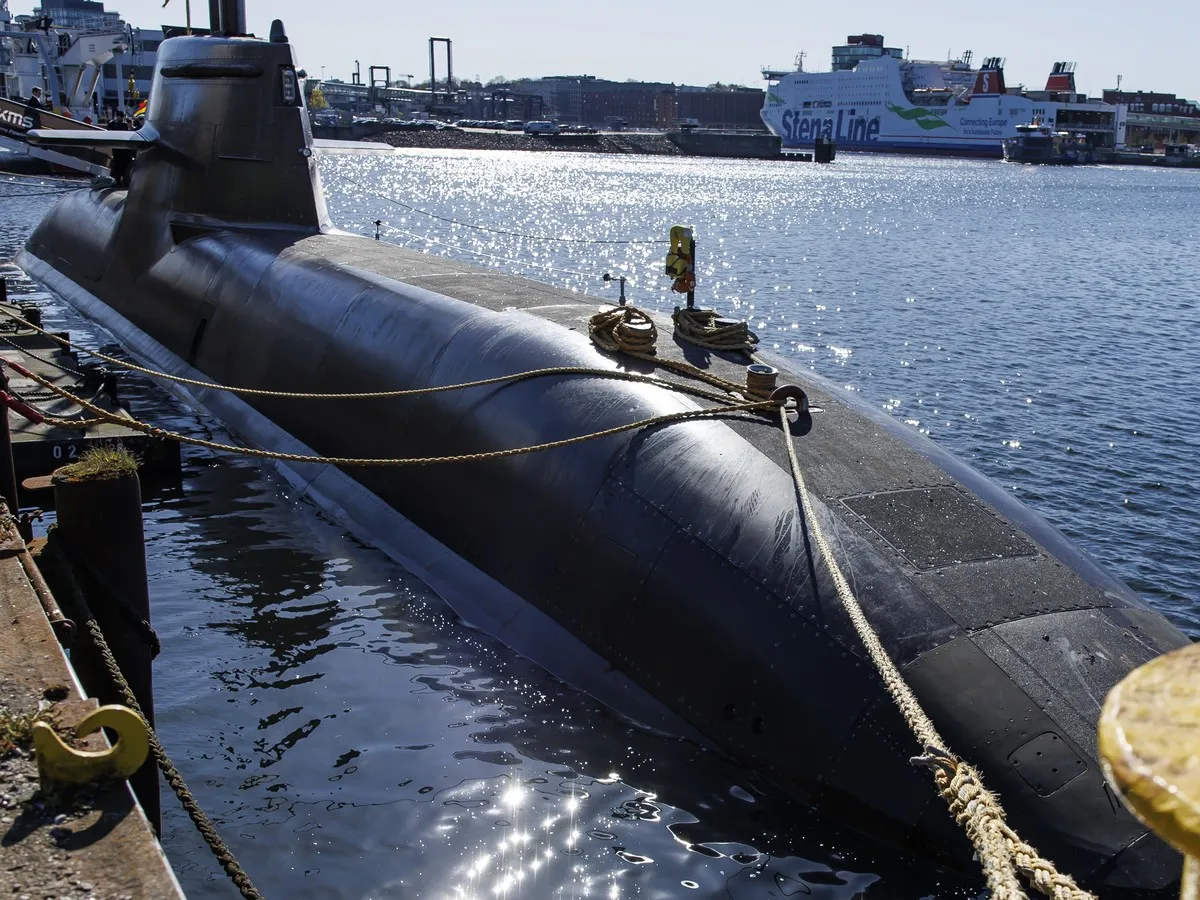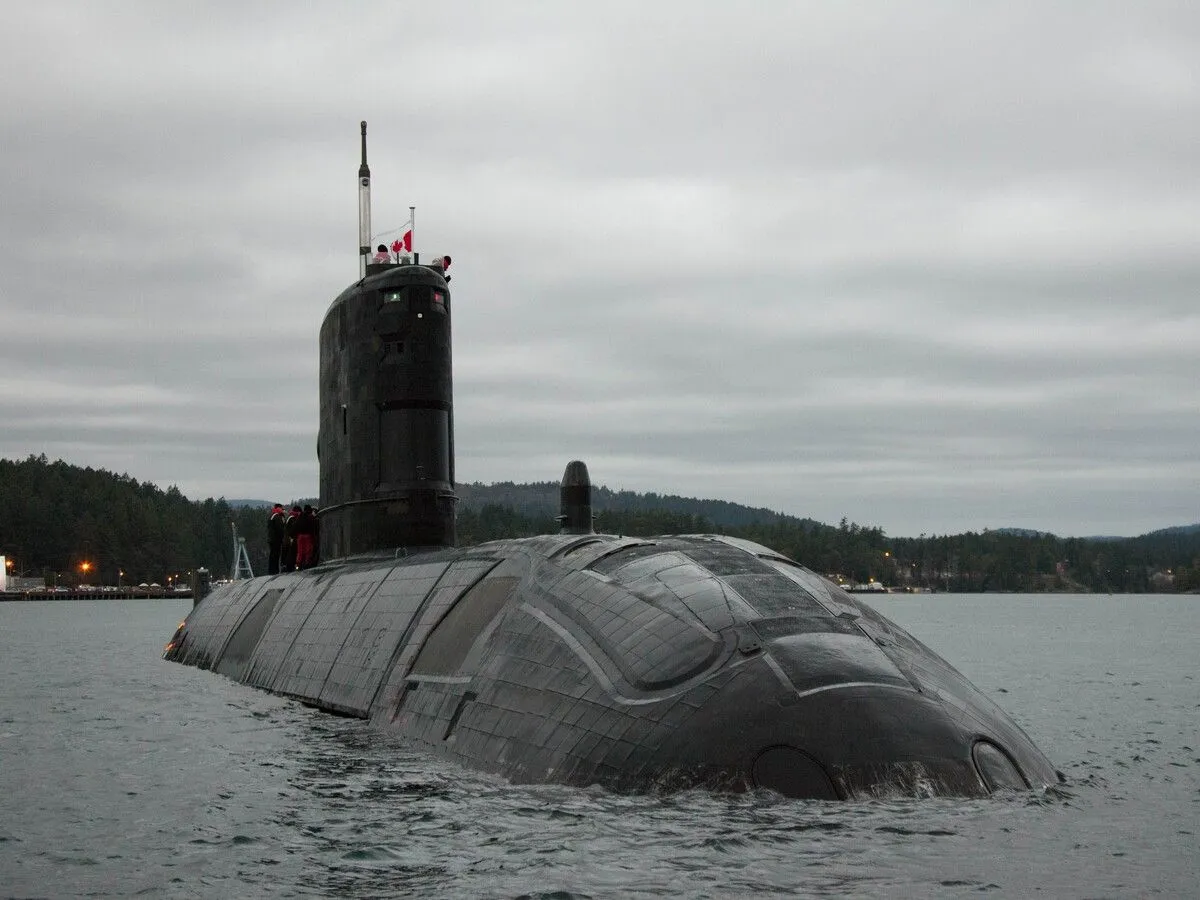
Skip to Content News Archives Economy Energy Oil & Gas Renewables Electric Vehicles Mining Commodities Agriculture Real Estate Mortgages Mortgage Rates Finance Banking Insurance Fintech Cryptocurrency Work Wealth Smart Money Wealth Management Investor Personal Finance Family Finance Retirement Taxes High Net Worth FP Comment Executive Women Puzzmo Newsletters Financial Times Business Essentials More Innovation Information Technology FP500 Podcasts Small Business Lives Told Tails Told Shopping Financial Post Store Obituaries Place a Notice Advertising Advertising With Us Advertising Solutions Postmedia Ad Manager Sponsorship Requests Classifieds Place a Classifieds ad Working Profile Settings My Subscriptions Saved Articles My Offers Newsletters Customer Service FAQ News Economy Energy Mining Real Estate Finance Work Wealth Investor FP Comment Executive Women Puzzmo Newsletters Financial Times Business Essentials HomeNewsTransportationCanada sub decision a big deal for B.C.-based Seaspan ShipyardsNew submarines will mean a reported $100-billion investment in both vessels and shore-side facilities to sustain their operations You can save this article by registering for free here. Or sign-in if you have an account.HMCS Victoria during sea training trials and exercises in 2012. Photo by Jacek Szymanski /DNPA Jacek SzymanskiThe dust has barely settled from Ottawa’s decision this week to select a German-Norwegian group to build new Royal Canadian Navy submarines, but B.C.’s Seaspan is already launching into the next round for its role in the deal.Subscribe now to read the latest news in your city and across Canada.Exclusive articles from Barbara Shecter, Joe O'Connor, Gabriel Friedman, and others.Daily content from Financial Times, the world's leading global business publication.Unlimited online access to read articles from Financial Post, National Post and 15 news sites across Canada with one account.National Post ePaper, an electronic replica of the print edition to view on any device, share and comment on.Daily puzzles, including the New York Times Crossword.Subscribe now to read the latest news in your city and across Canada.Exclusive articles from Barbara Shecter, Joe O'Connor, Gabriel Friedman and others.Daily content from Financial Times, the world's leading global business publication.Unlimited online access to read articles from Financial Post, National Post and 15 news sites across Canada with one account.National Post ePaper, an electronic replica of the print edition to view on any device, share and comment on.Daily puzzles, including the New York Times Crossword.Create an account or sign in to continue with your reading experience.Access articles from across Canada with one account.Share your thoughts and join the conversation in the comments.Enjoy additional articles per month.Get email updates from your favourite authors.Create an account or sign in to continue with your reading experience.Access articles from across Canada with one accountShare your thoughts and join the conversation in the commentsEnjoy additional articles per monthGet email updates from your favourite authorsSign In or Create an AccountorSeaspan, whose Victoria operations already do maintenance for the navy’s existing submarines, signed on as the “sovereign sustainment” partner to the German shipbuilder Thyssenkrupp Marines Systems’ (TKMS) bid.As TKMS begins negotiating a firm contract for the potentially $100 billion deal with the federal government to build as many as 12 submarines, Seaspan’s team has moved on to more formal plans for the maintenance facilities the fleet will need on both coasts for the “sustainment” part of the deal.Breaking business news, incisive views, must-reads and market signals. Weekdays by 9 a.m.By signing up you consent to receive the above newsletter from Postmedia Network Inc.A welcome email is on its way. If you don't see it, please check your junk folder.The next issue of Posthaste will soon be in your inbox.We encountered an issue signing you up. Please try again“It is huge,” said Seaspan senior vice-president Dave Hargreaves. “It may well be, and probably will be, larger than the procurement.”Although the submarines, the latest version of TKMS’ diesel-electric attack subs, the 212CD, will be built in Germany, their bid included “sovereign sustainment” facilities, one in Colwood, part of Canadian Forces Base Esquimalt, and one in Halifax.“The thing you have to remember is these submarines will have a design life of somewhere between 30 and 40 years,” Hargreaves said. “So you’re going to have all of those jobs, all of that supply chain, all of the work, for a very long period of time.”New submarines are expected to start arriving in 2034, with construction expected to take “several years,” Hargreaves said.The submarine procurement will add to Seaspan’s involvement with the navy. The company’s shipyard in Vancouver is building support ships for the navy and icebreakers, among a host of vessels for the Canadian Coast Guard under Ottawa’s national shipbuilding strategy.The decision to pick TKMS’ bid over South Korean shipbuilding giant Hanwha Ocean solidifies Canada’s ties with NATO allies Germany and Norway, which are each buying their own fleets of six 212CD subs.Shortly after unveiling the decision July 6 in Halifax, Prime Minister Mark Carney, at a NATO meeting in Ankara, Turkey, touted the commitment to buy new submarines as evidence that Canada is living up to its NATO-member promise to raise defence spending to five per cent of gross domestic product by 2035.Carney said Canada is “rapidly scaling our capabilities through historic investments,” including the promised submarine purchase, plans for new icebreakers, and planes for the Royal Canadian Air Force.Canada, along with European allies in NATO, had been on the receiving end of another round of criticism from U.S. President Donald Trump over the alliance’s perceived lack of support for his military action against Iran.Alliance members have moved to increase defence spending in response to Trump’s threats to leave NATO if they don’t, and Carney said his spending commitments make Canada “a stronger, more capable member of NATO.”Although the delivery of new submarines and other equipment is still years away, Carney said, “(This) is a strong, confident Canada taking full responsibility for our defence, for a more secure and more prosperous world.”At home, the sustainment side of the submarine purchase promises to deliver a substantial economic boost as part of Carney’s defence industrial strategy, according to Seaspan CEO John McCarthy.“Canada has made a generational decision about its security and sovereignty” with the sub purchase, McCarthy said, and Seaspan is ramping up to do its part on the sustainment side of the deal.Hargreaves was reluctant to talk about numbers involved in the proposal, but by way of comparison noted that among Seaspan’s 1,000 workers at the Victoria shipyard, about 300 are devoted to the maintenance program for the navy’s four existing Victoria-class submarines.Maintaining a fleet of up to 12, with facilities on both coasts, would be a considerably larger operation, Hargreaves said. He added that Seaspan will probably look to an East Coast shipyard, most likely Irving Shipbuilding, as a partner for Halifax facilities.However, Hargreaves said “sustainment” will mean more than repair and maintenance of the vessels. The task will include mid-life refits, overhauls and upgrades to sensors and weapon systems over the design life of the submarines.Hargreaves also noted that “Canada has had a long history of extending the life of its fleets,” which could stretch the time frame of the deal out longer.Seaspan will also take lessons from other parties in the TKMS 212CD program, Hargreaves said. Norway is in the process of building its own sustainment facility as part of its purchase, which will offer a template for Canada to work from.In the meantime, Hargreaves said Seaspan will lobby to make sure the contract for in-service support for new subs progresses in parallel with the contract to build them.“One of our strong recommendations has been that Canada should get the in-service support contract, or at least the early phases of it, in place at the same time as the build contract,” Hargreaves said. Join the Conversation This website uses cookies to personalize your content (including ads), and allows us to analyze our traffic. Read more about cookies here. By continuing to use our site, you agree to our Terms of Use and Privacy Policy.
Canada sub decision a big deal for B.C.-based Seaspan Shipyards
Canada's decision to spend a reported $100 billion on new submarines will include a big investment in maintenance facilities of Seaspan.
1,301 words~6 min read