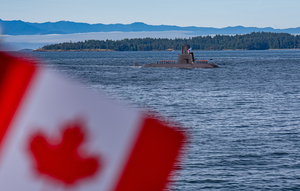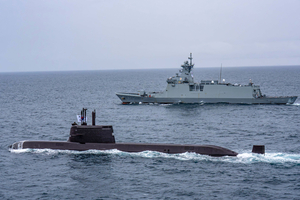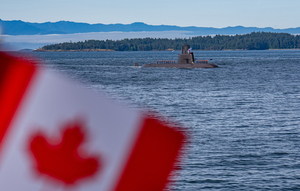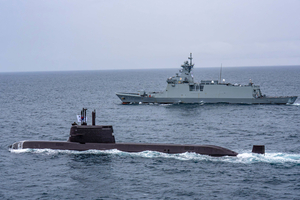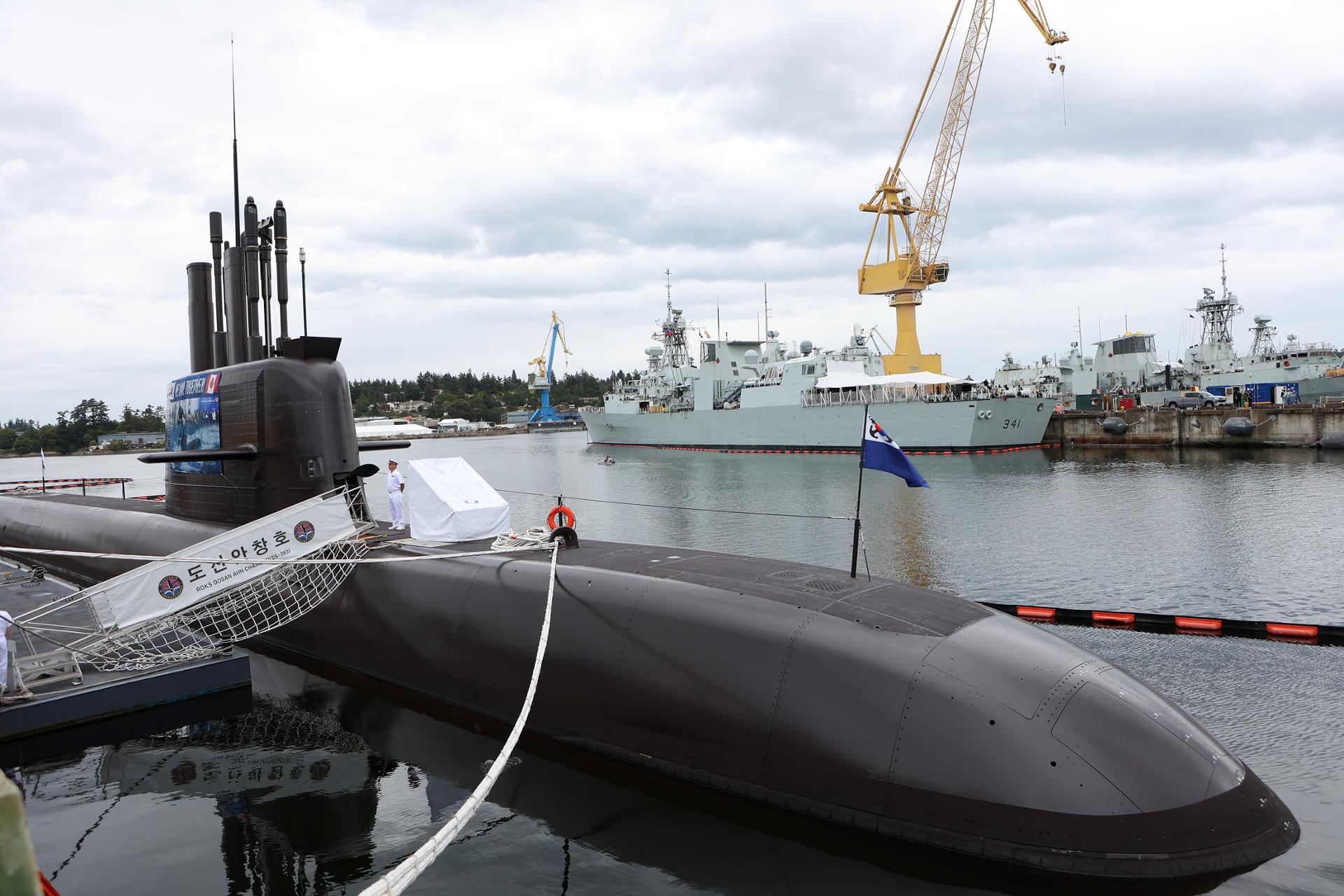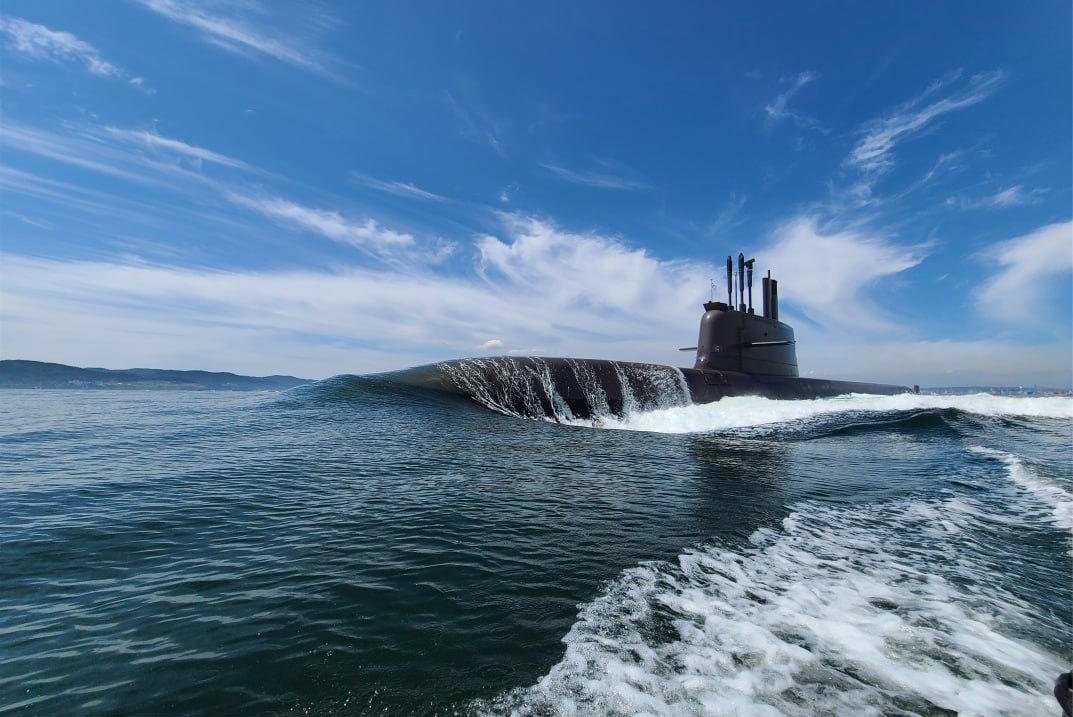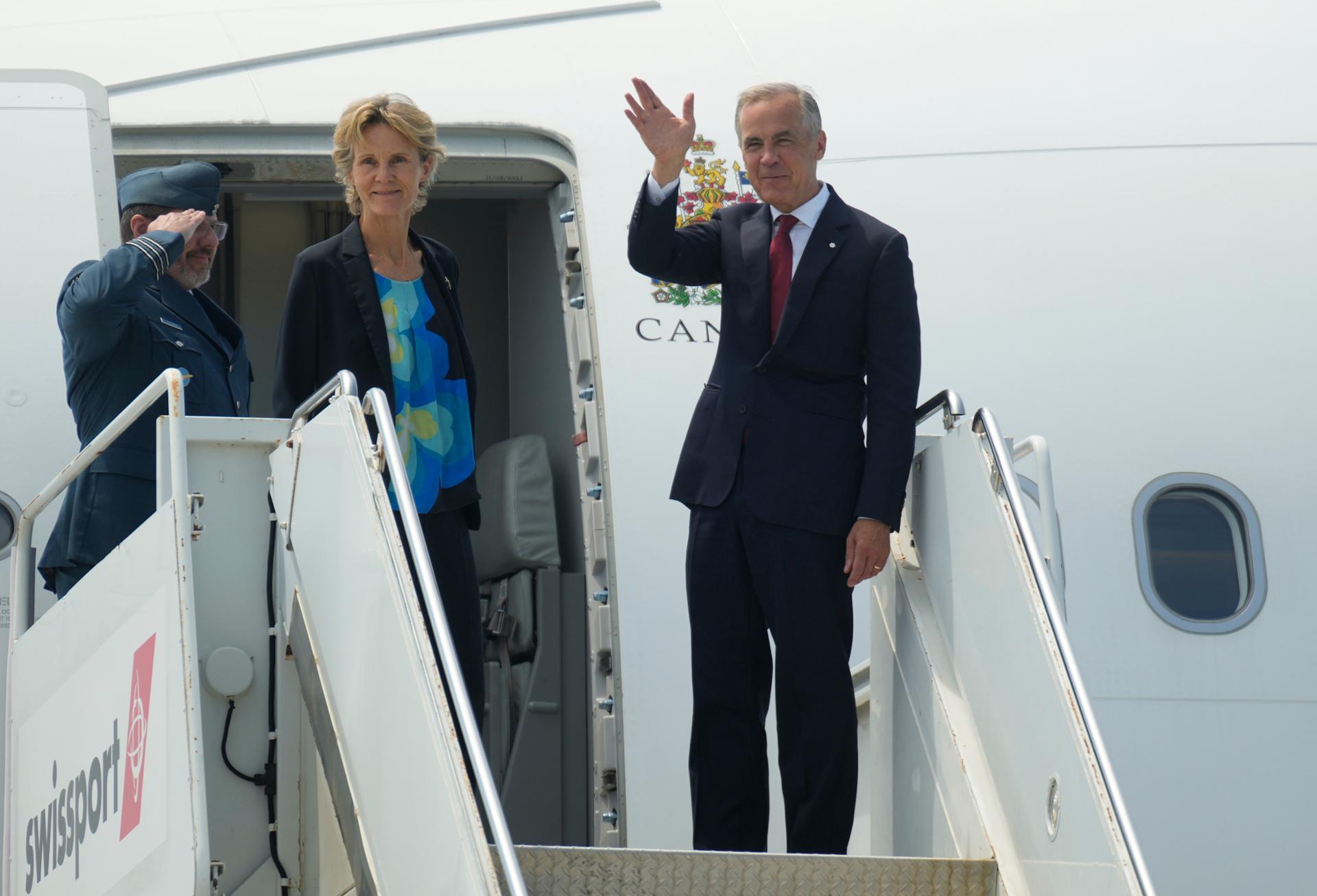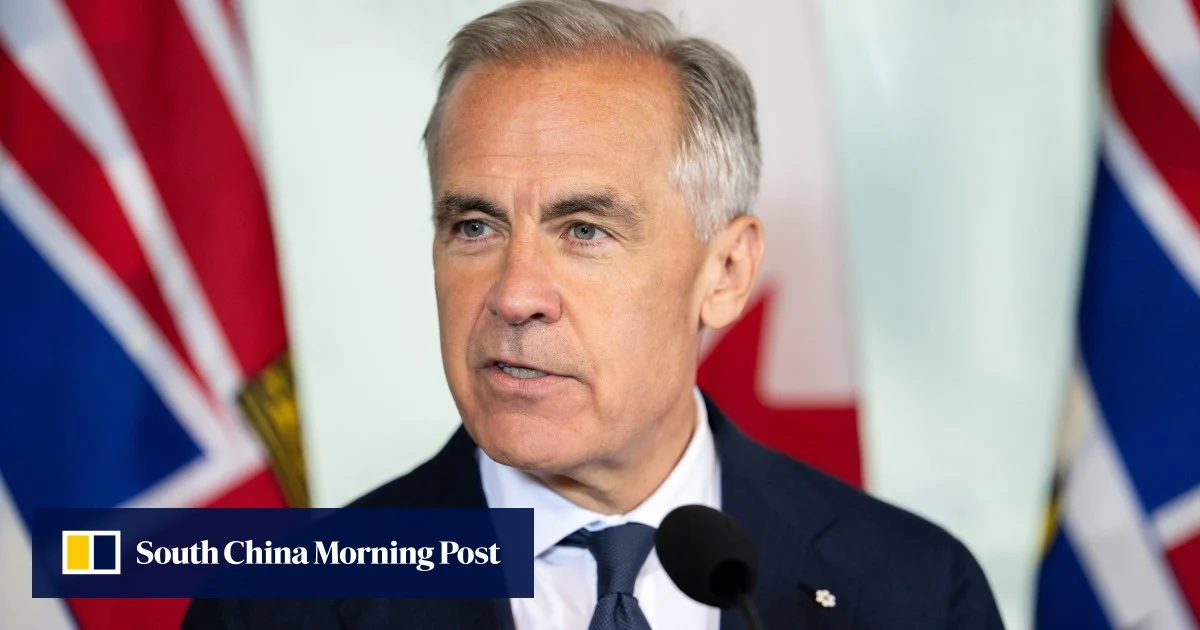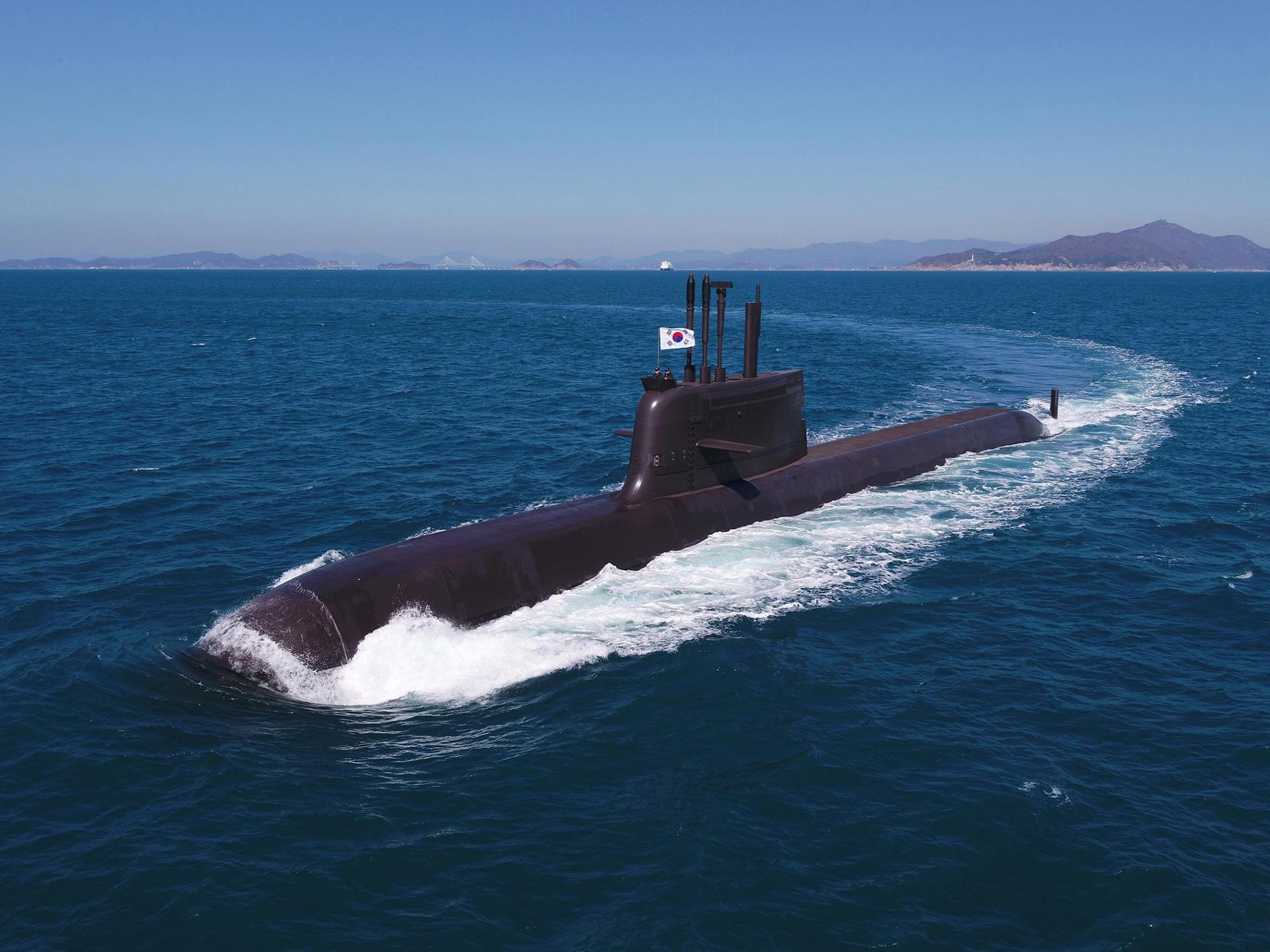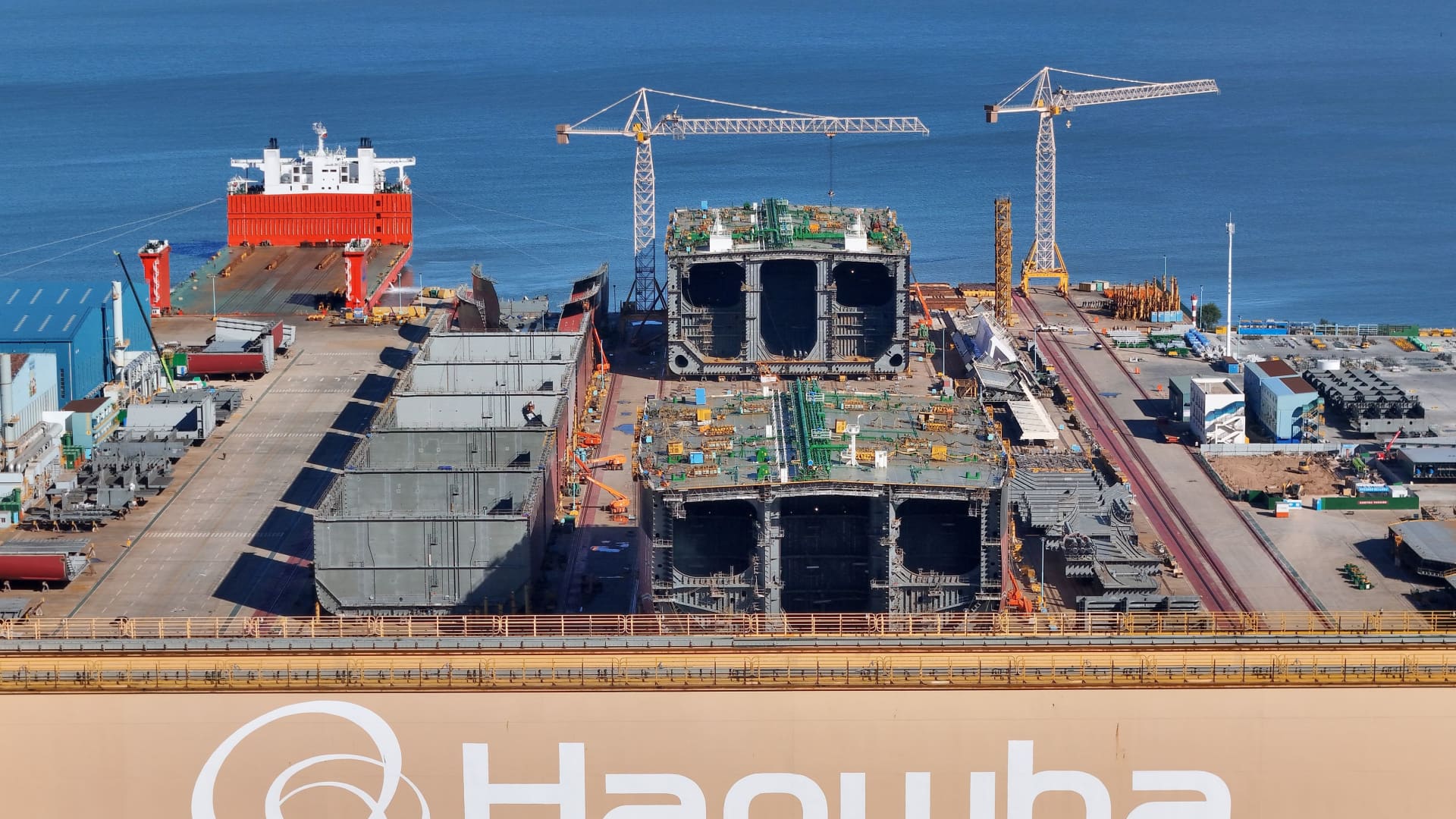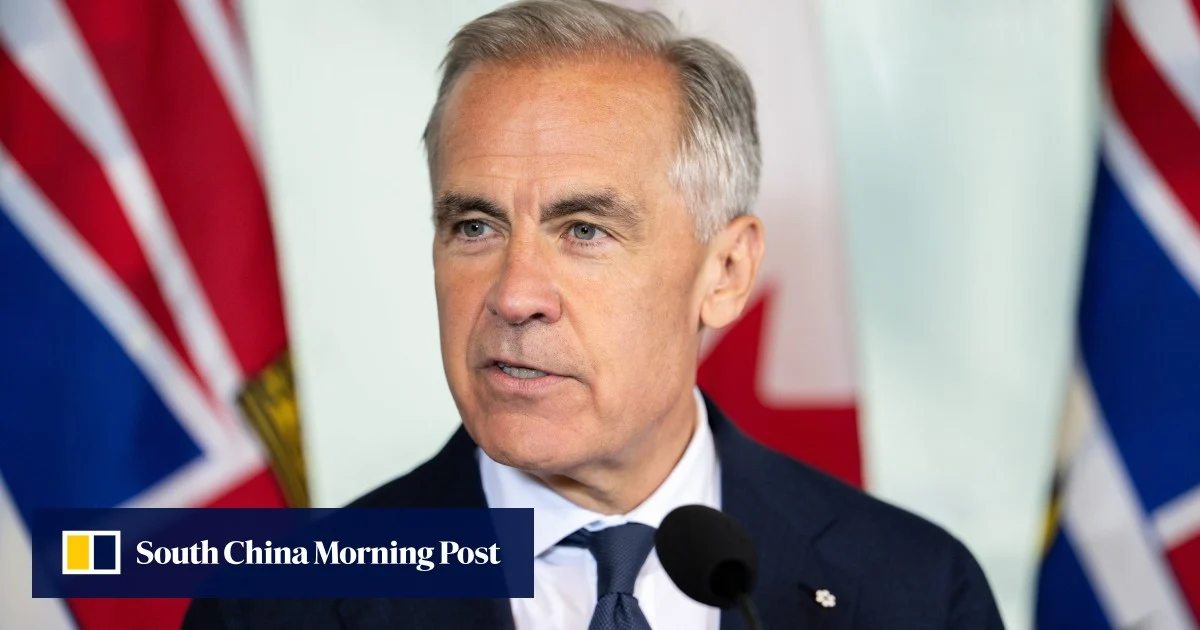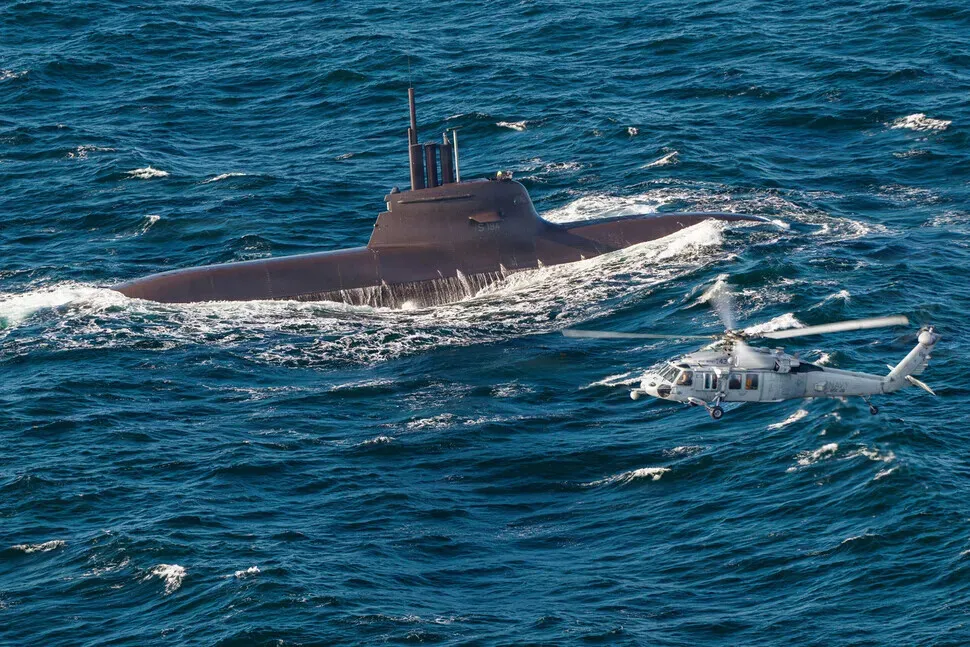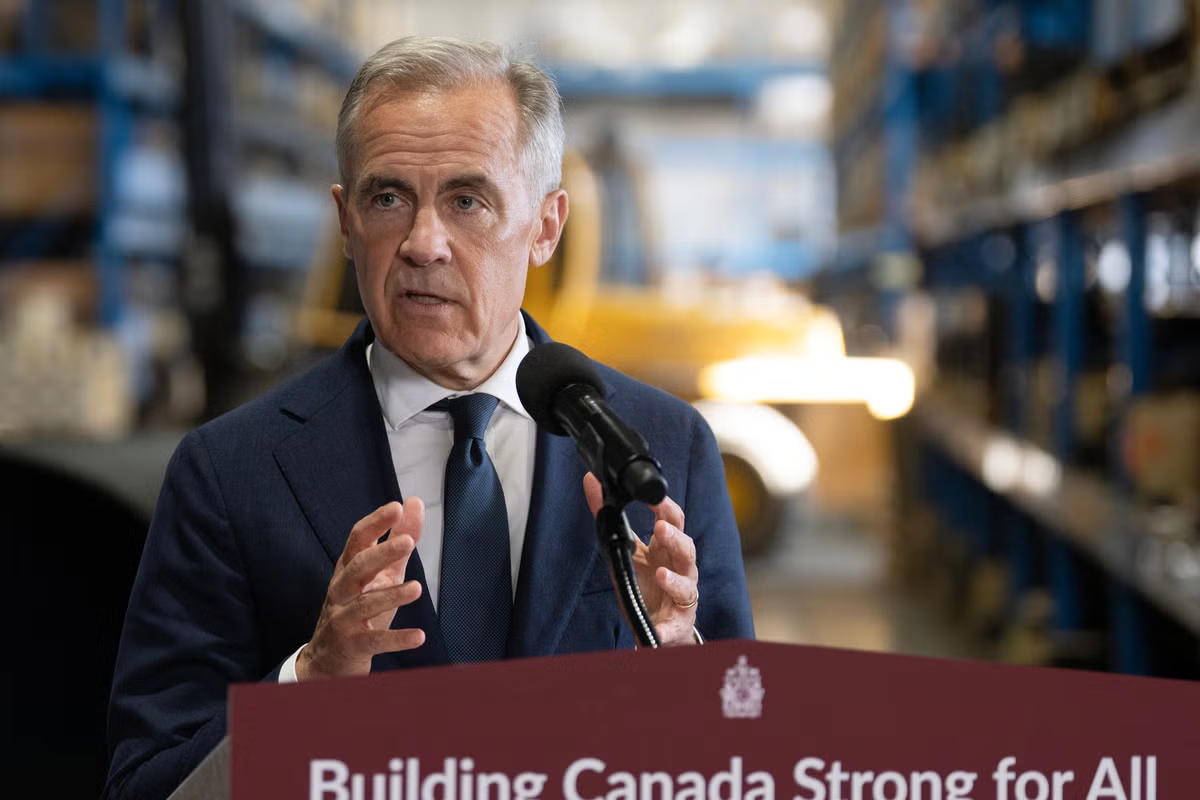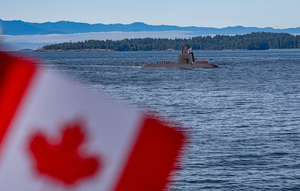
The Dosan Ahn Chang-ho, a 3,000-ton KSS-III submarine operated by the South Korean Navy, arrives at Canada's Esquimalt Naval Base in Victoria on May 24. (ROK Navy) After a highly publicized 10-month battle, South Korean shipbuilder Hanwha Ocean has lost its bid to supply Canada with multibillion-dollar submarines to Germany’s Thyssenkrupp Marine Systems.Canada selected TKMS as the preferred supplier for its Canadian Patrol Submarine Project on Monday, dealing a setback to Hanwha Ocean and its consortium partner HD Hyundai Heavy Industries.But the result also showed how far South Korea’s submarine industry has advanced, as Hanwha Ocean competed head-to-head with one of Europe’s most experienced submarine makers in the final stage.What is CPSP?• The CPSP is Canada’s plan to acquire up to 12 diesel-electric submarines for the Royal Canadian Navy.• The new fleet will replace Canada’s aging Victoria-class submarines scheduled to retire in the mid-to-late 2030s and is expected to operate across the Arctic, Atlantic and Pacific oceans.• The project could be around 60 trillion won ($39.3 billion) and up to $100 billion, including long-term maintenance and support.• It is considered Canada’s largest-ever naval procurement project.Timetable• Sept. 2024-Feb. 2025: Canada issues a Request for Information for the CPSP.• August 26, 2025: Canada identifies two qualified suppliers for the project: TKMS and Hanwha Ocean• Jan. 2026: Hanwha Ocean forms a consortium with HD Hyundai to strengthen their bid• March 2026: Hanwha Ocean and TKMS submit their formal proposals.• April 29, 2026: Canada concludes a bid clarification and amendment process• May 24, 2026: South Korea’s Dosan Ahn Chang-ho, a 3,000-ton KSS-III submarine built by Hanwha Ocean, arrives at Canada’s western naval base• July 7, 2026: Canadian Prime Minister Mark Carney announces TKMS as the preferred supplier at a Royal Canadian Navy base in Halifax, Nova Scotia.• Late 2027: The Canadian government aims to finalize and sign the definitive procurement contract.• If talks fail: Hanwha Ocean could still get a chance to enter negotiations as the next-ranked bidder.• Mid-2030s: Delivery of the first submarines is expected to begin.Hanwha's bid: proven, high-tech fleet• Based on a customized KSS-III Batch-II diesel-electric submarine, it features lithium-ion batteries and fuel-cell air-independent propulsion, aimed at extending underwater endurance.• Hanwha pitched its proven operation by the South Korean Navy, shorter delivery timeline and cost competitiveness.• Hanwha proposed delivering the first submarine in 2032, four years before Canada’s fleet retires in 2035, and all 12 by 2043.• Seoul mounted an all-out campaign for what could have become Korea’s largest-ever defense export deal.• Hanwha and HD Hyundai Heavy Industries backed the bid with an ambitious industrial package, signing MOUs and more than 80 partnerships in Canada across defense, energy, steel and batteries.• Hanwha's overall package is estimated to generate more than 433,000 jobs and contribute more than 96.3 billion Canadian dollars ($67.7 billion) to Canada’s GDP from 2026 to 2044.TKMS' bid : NATO interoperability• TKMS proposed the 212CD, a new submarine based on its proven 212A platform.• The 212CD is being jointly developed by NATO allies Germany and Norway.• The platform, described as the "stealthiest" submarines in the world, was promoted as optimized for Arctic operations and fully NATO interoperable.• TKMS proposed to deliver four Type212CD submarines to Canada by 2036, with the first submarine to be delivered by 2034.• TKMS pitched a large-scale industrial package, including local partnership, with its bid expected to drive CA$160 billion in economic activity, contribute to CA$86billion to GDP and support more than 650,000 jobs.Why TKMS won• Both Hanwha and TKMS met Canada’s core operational and technological requirements.• The final decision was tipped by NATO interoperability and Canada’s growing focus on collective defense with European nations.• "The TKMS platform is optimized for Arctic waters, and it's fully NATO interoperable, allowing it to communicate seamlessly, to share intelligence and carry out joint missions," Carney said.• TKMS also offered technology transfer, with early submarines built in Europe and later vessels produced in Canada.What Hanwha gained• The bid gave Hanwha Ocean’s submarine technology rare global exposure• The Dosan Ahn Chang-ho’s voyage to Canada demonstrated that Korea can build submarines capable of long-range operations.• Hanwha also proved it could compete directly with TKMS, one of the world’s most established submarine makers.• The company is now expected to shift its focus to other submarine and naval projects in Saudi Arabia, Greece, the Philippines, Colombia, Chile and the Middle East.
Canada's submarine decision: Beyond Hanwha's loss in 2 minutes
After a highly publicized 10-month battle, South Korean shipbuilder Hanwha Ocean has lost its bid to supply Canada with multibillion-dollar submarines to German
719 words~3 min read