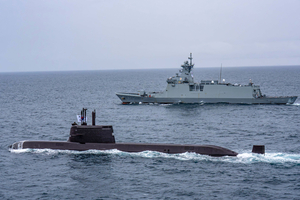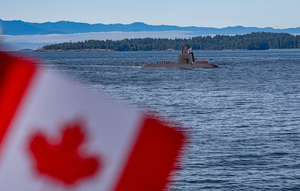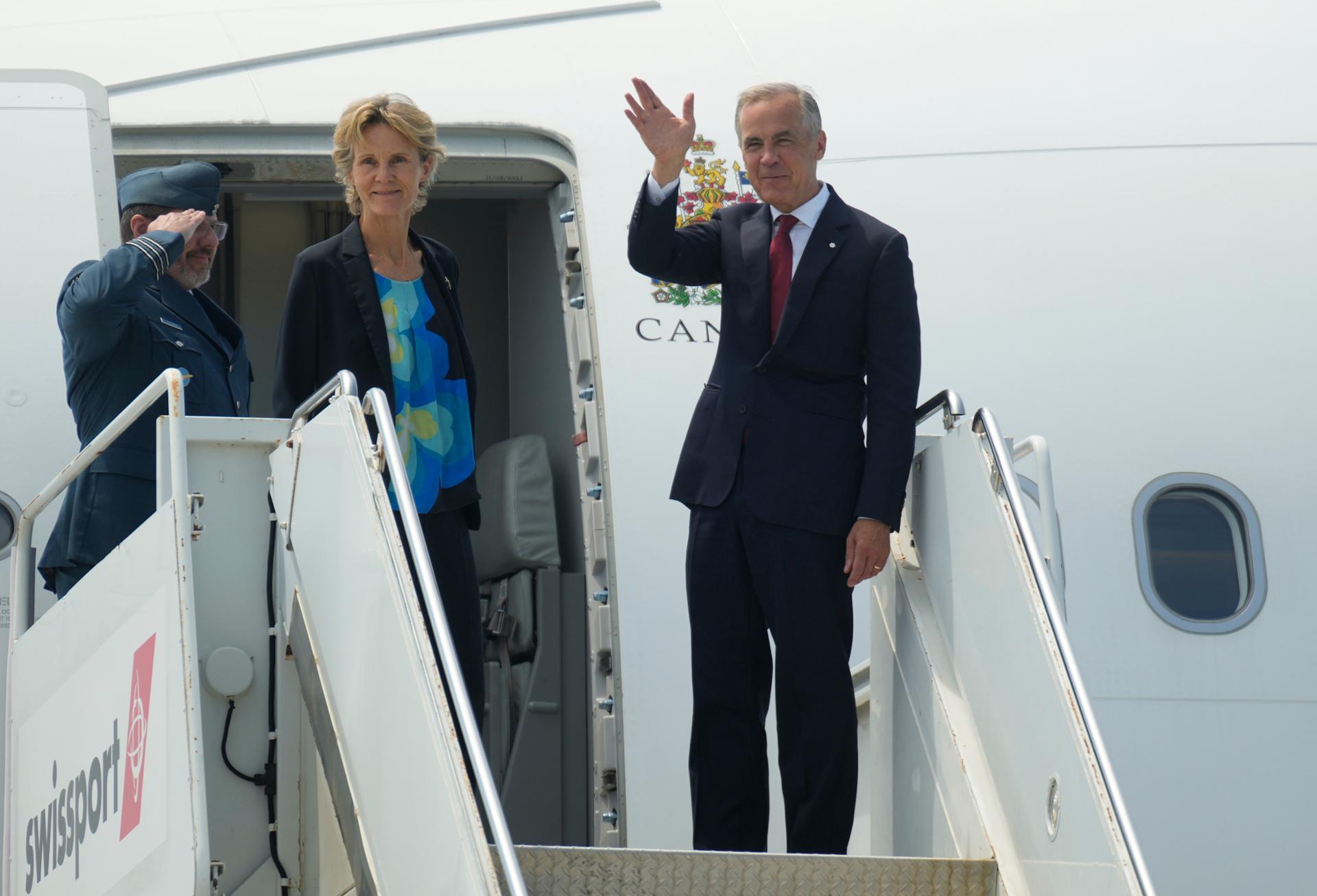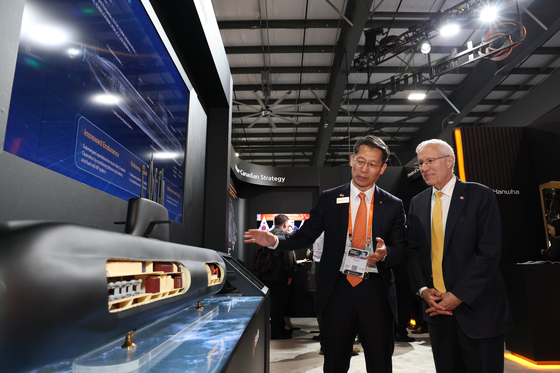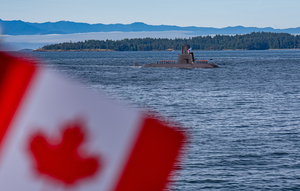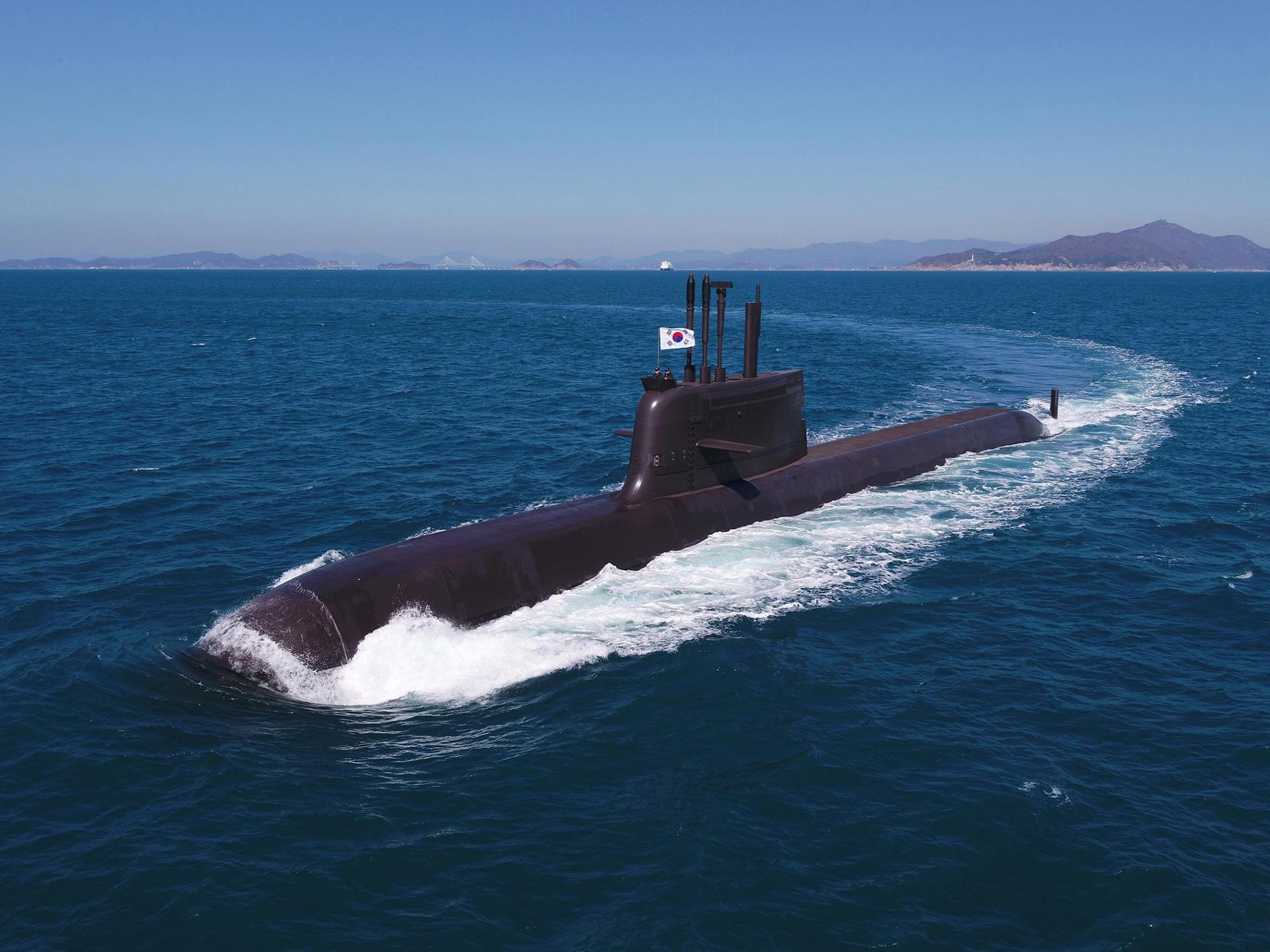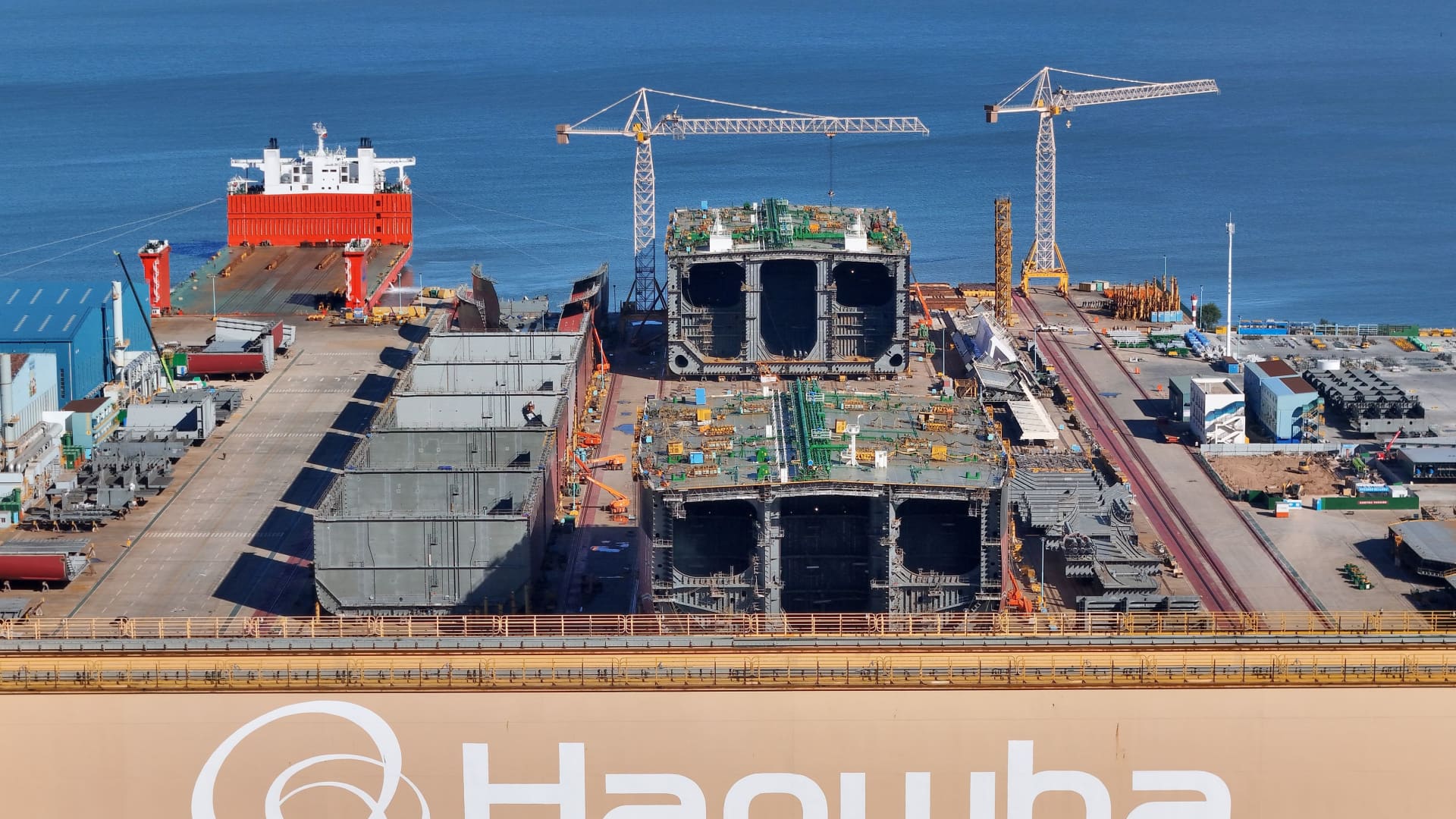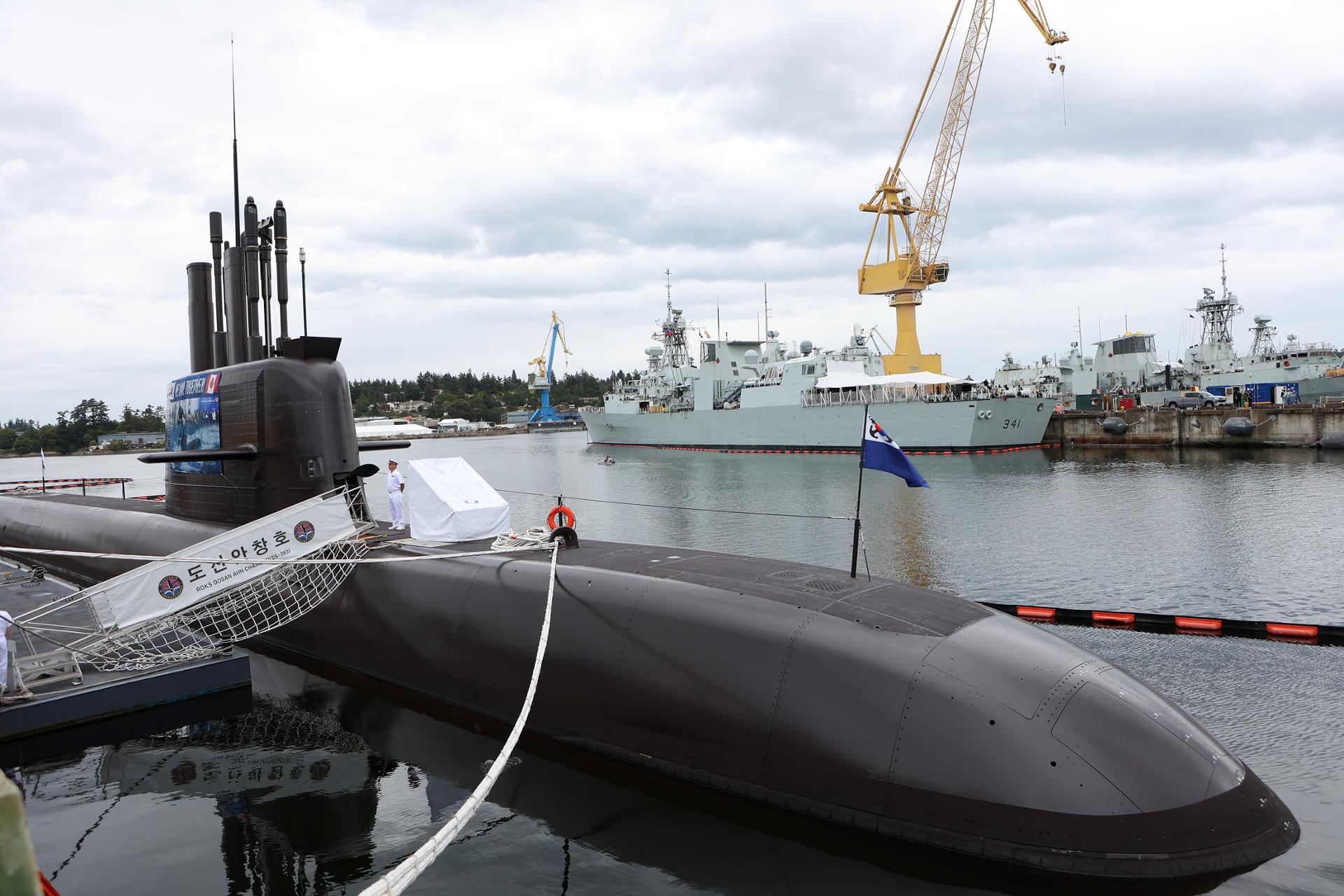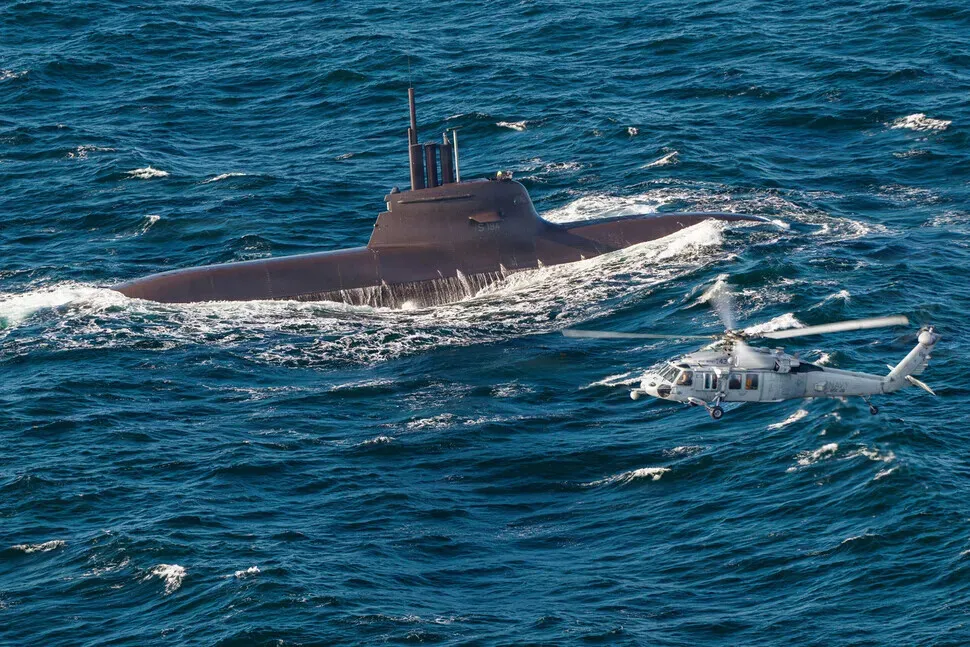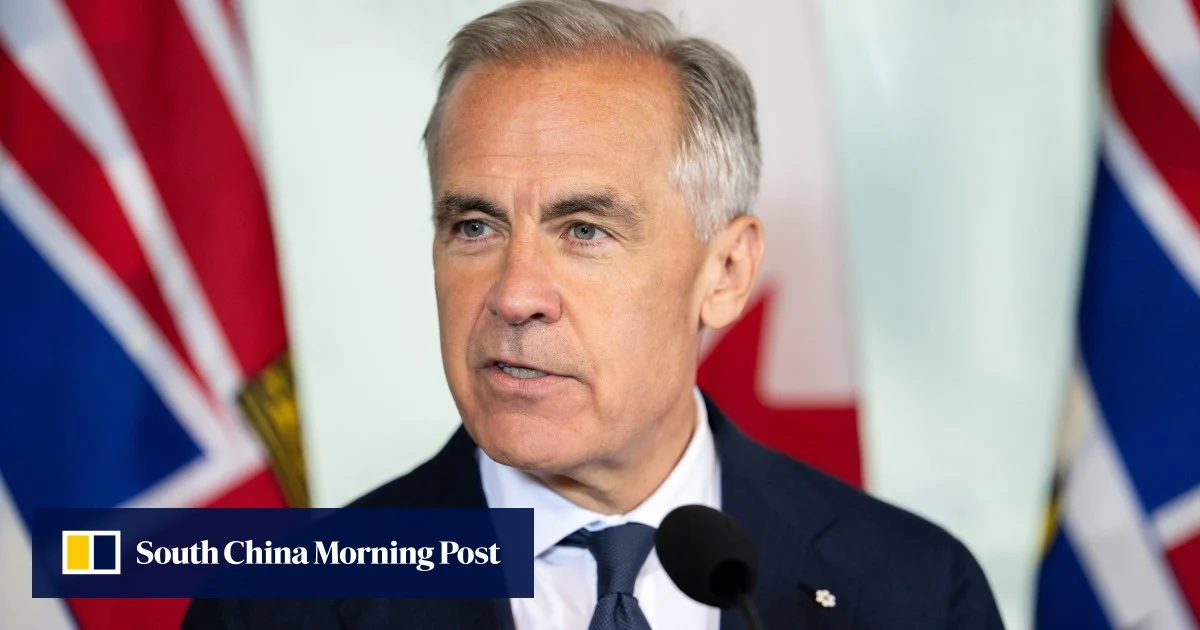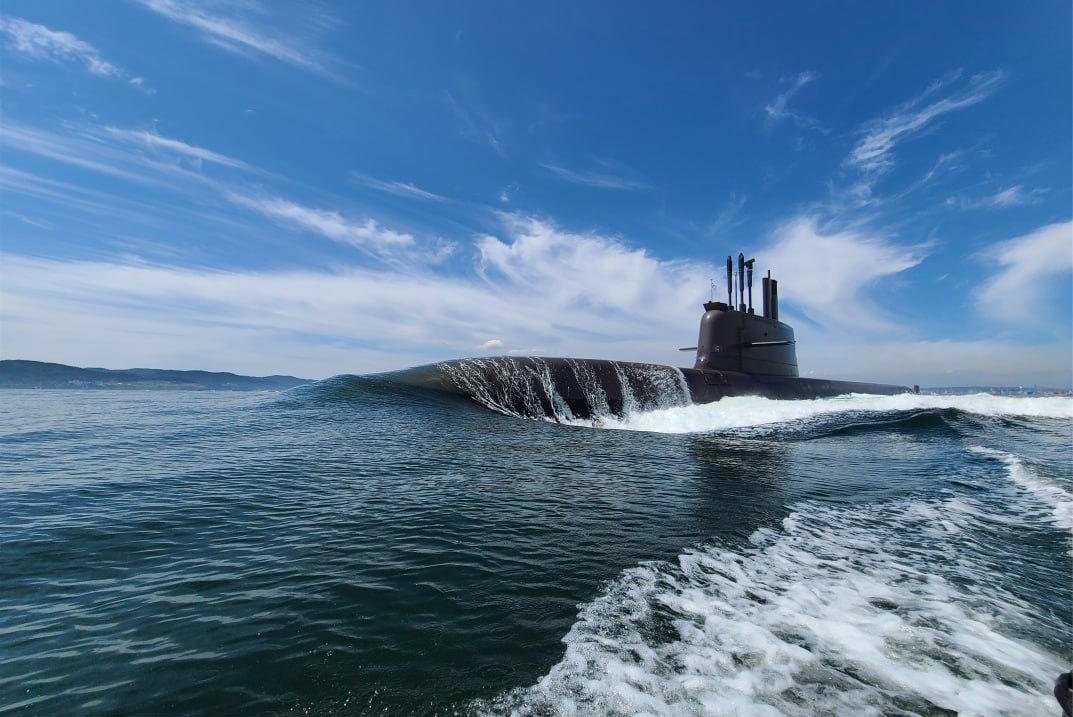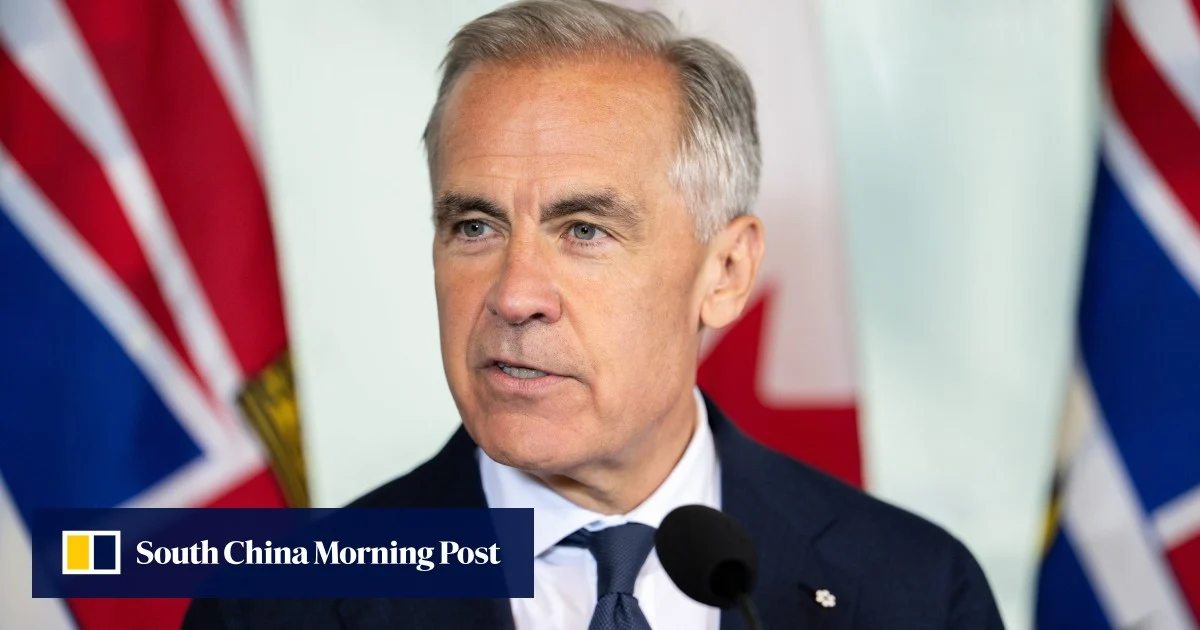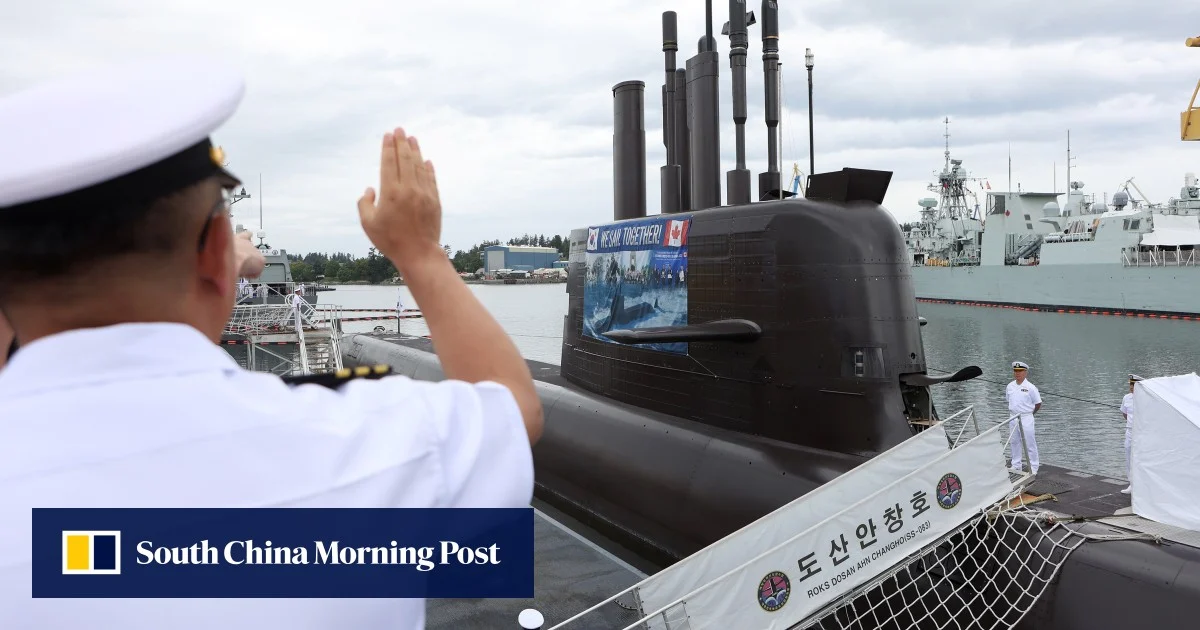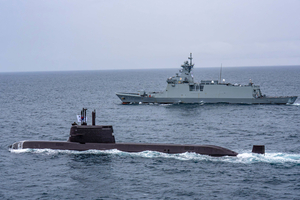
German rival wins Canada’s landmark submarine project, but Hanwha’s close race highlights Korea’s growing defense export clout The South Korean Navy’s Dosan Ahn Chang-ho submarine (left) and Daejeon frigate conduct tactical maneuvers during a joint naval exercise with the Canadian Navy in waters off western Canada from June 4-5. (Republic of Korea Navy) Hanwha Ocean failed to clinch Canada’s largest-ever naval procurement project, but its head-to-head race with Germany’s Thyssenkrupp Marine Systems showed how far South Korea’s submarine industry has advanced, which may bolster its hand in future global tenders.Canada selected TKMS as the preferred supplier for its Canadian Patrol Submarine Project, a program to acquire as many as 12 diesel-electric submarines for the Royal Canadian Navy to replace its aging fleet. The decision dealt a blow to Hanwha Ocean, which formed a consortium with HD Hyundai Heavy Industries and mounted an aggressive government-backed campaign for a contract that could be worth as much as 60 trillion won ($39.3 billion) when long-term maintenance and support are included.While the result was disappointing, industry observers said the hard-fought competition was not in vain, as it gave Hanwha Ocean global validation and cemented its status as a serious contender in the international defense market.The Korean shipbuilder, which competed with its KSS-III-based proposal, advanced to the final shortlist against TKMS, one of the world’s most experienced submarine makers and a supplier to more than one-third of the NATO alliance. More established European rivals, including France’s Naval Group, Spain’s Navantia and Sweden’s Saab were eliminated in the initial round.Canadian Prime Minister Mark Carney also acknowledged the close nature of the competition as he announced TKMS as the preferred bidder Monday at a Royal Canadian Navy base in Halifax, Nova Scotia.“This was a difficult, close decision between two highly qualified suppliers,” Carney said. “Both the TKMS and the Hanwha platforms met the very high capabilities required by the Royal Canadian Navy, and both of them put forward strong proposals to maximize the benefits for Canadian workers and businesses.”NATO tips the scaleBoth proposals appeared to meet Canada’s core operational requirements. But Ottawa’s decision appears to have been ultimately tipped by the need for deeper NATO interoperability, underscoring Canada’s growing commitment to the alliance.“The TKMS platform is optimized for Arctic waters, and it's fully NATO interoperable, allowing it to communicate seamlessly, to share intelligence and carry out joint missions,” Carney said.Canada’s future submarines will be expected to patrol Arctic waters for decades and operate alongside NATO partners, many of which already use German-built submarines. The proposed 212CD platform, jointly developed by NATO allies Germany and Norway, offered Ottawa a route into a shared European operating, maintenance and supply network.Retired Capt. Moon Keun-sik, a professor at Hanyang University’s Graduate School of Public Policy and a former submarine captain in the South Korean Navy, also echoed the view that the final decision ultimately came down to the alliance behind the German bid.“Canada judged that choosing TKMS would better serve its NATO commitments, allowing it to operate the submarines within a shared European defense framework,” he said. “Hanwha’s proposal was competitive on technology and delivery, but TKMS benefited from a broader strategic package tied to Germany and NATO interoperability at a time when Canada is trying to deepen its role in collective defense.”Carney’s announcement right before he departed for a NATO summit in Turkey also reinforced the view that alliance politics played a central role, observers say.Hanwha eyes beyond Canada Hanwha Group headquarters building in central Seoul is seen on Tuesday (Yoon Chang-bin/The Korea Herald) For Hanwha Ocean, whose technology gained international exposure through the bid, the focus now shifts to other markets where naval modernization is taking shape.The Canadian campaign gave Hanwha Ocean a rare opportunity to showcase its submarine in real operation. South Korea’s Dosan Ahn Chang-ho, a 3,000-ton KSS-III submarine operated by the Korean Navy and built by Hanwha Ocean — part of the same submarine family behind Hanwha’s proposal — traveled roughly 14,000 kilometers from Korea to Canada’s western naval base, stopping in Guam and Hawaii along the way. The voyage, observers say, was a highly visible demonstration of the country’s ability to build submarines capable of long-range operations."Hanwha Ocean may have lost, but its submarine technology has effectively been proven,” Moon said. “A Korean-built submarine traveled all the way to Canada and even carried Canadian sailors on board. That gave Hanwha strong technical confidence. By competing head-to-head with Germany, Hanwha Ocean showed its competitiveness to the global defense market.”Industry attention is already turning to Saudi Arabia, Greece, the Philippines and other countries considering new submarine capabilities or replacements for aging fleets.Saudi Arabia is seeking to purchase four 3,000-ton submarines valued at roughly 6 trillion won. The kingdom has been building up its naval capabilities as part of a wider military modernization push, and Hanwha Ocean is expected to join the bid.Greece represents another potential market, with a next-generation submarine program valued at roughly 4.6 trillion won. Since the country already operates German-built submarines, TKMS could prove to be a tough competitor there. Still, Hanwha Ocean is expected to position its KSS-III platform as a proven alternative, drawing on South Korea's expanding track record in defense exports.In Southeast Asia, the Philippines is considering its first-ever submarine purchase that could be valued at 2 trillion won as part of efforts to bolster maritime deterrence. Hanwha Ocean has previously presented submarine options to Manila, including packages covering training, maintenance and infrastructure.Thailand is also considering purchasing 4,000-ton frigates, another area where Hanwha Ocean is seeking opportunities.“We are in talks with Thailand over surface ships, and we expect a conclusion by the first half of next year,” a Hanwha Ocean official said during a conference call in October 2025. “Beyond that, we are also in discussions over submarine projects in Greece, Colombia, Chile and the Philippines, while there is also demand for warships in the Middle East.”
Hanwha Ocean loses Canada bid, gains global recognition
Hanwha Ocean failed to clinch Canada’s largest-ever naval procurement project, but its head-to-head race with Germany’s Thyssenkrupp Marine Systems showed how f
977 words~4 min read