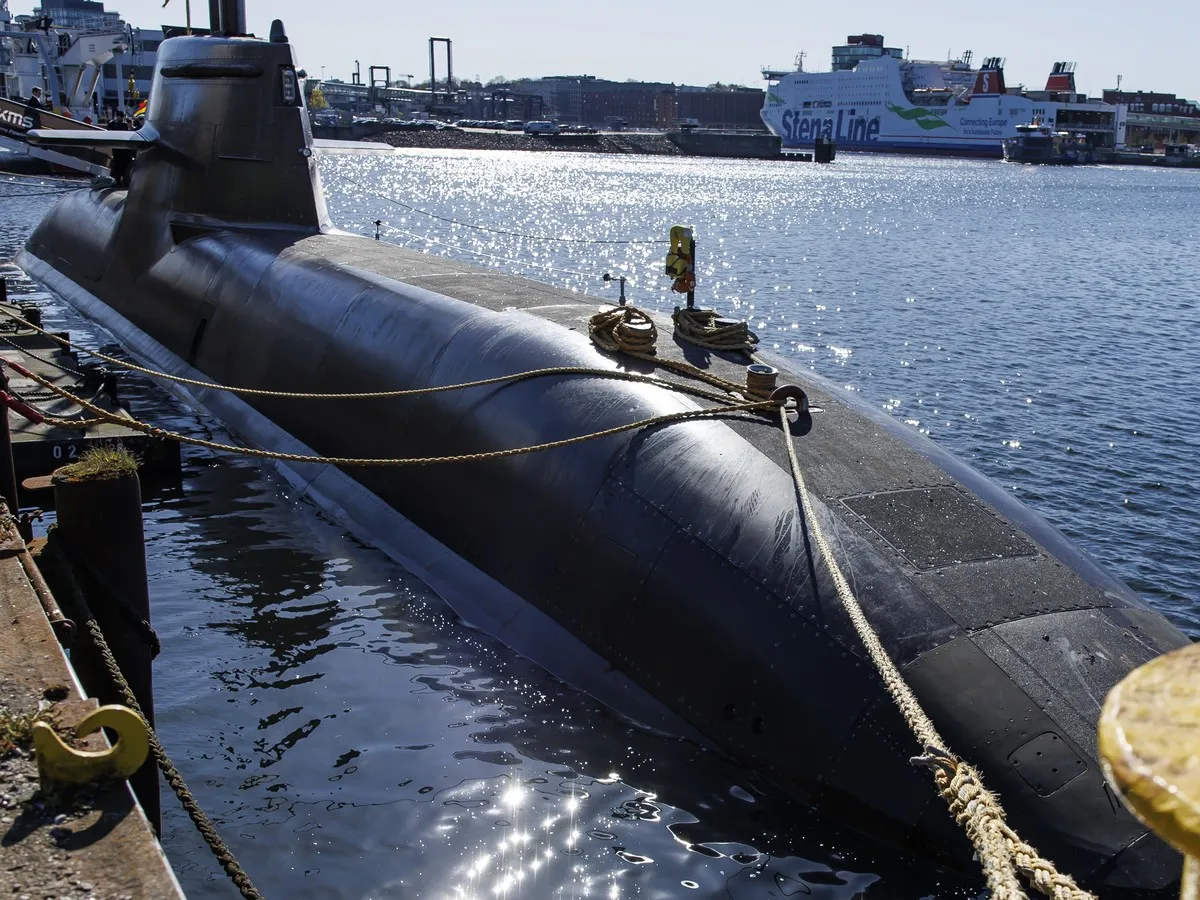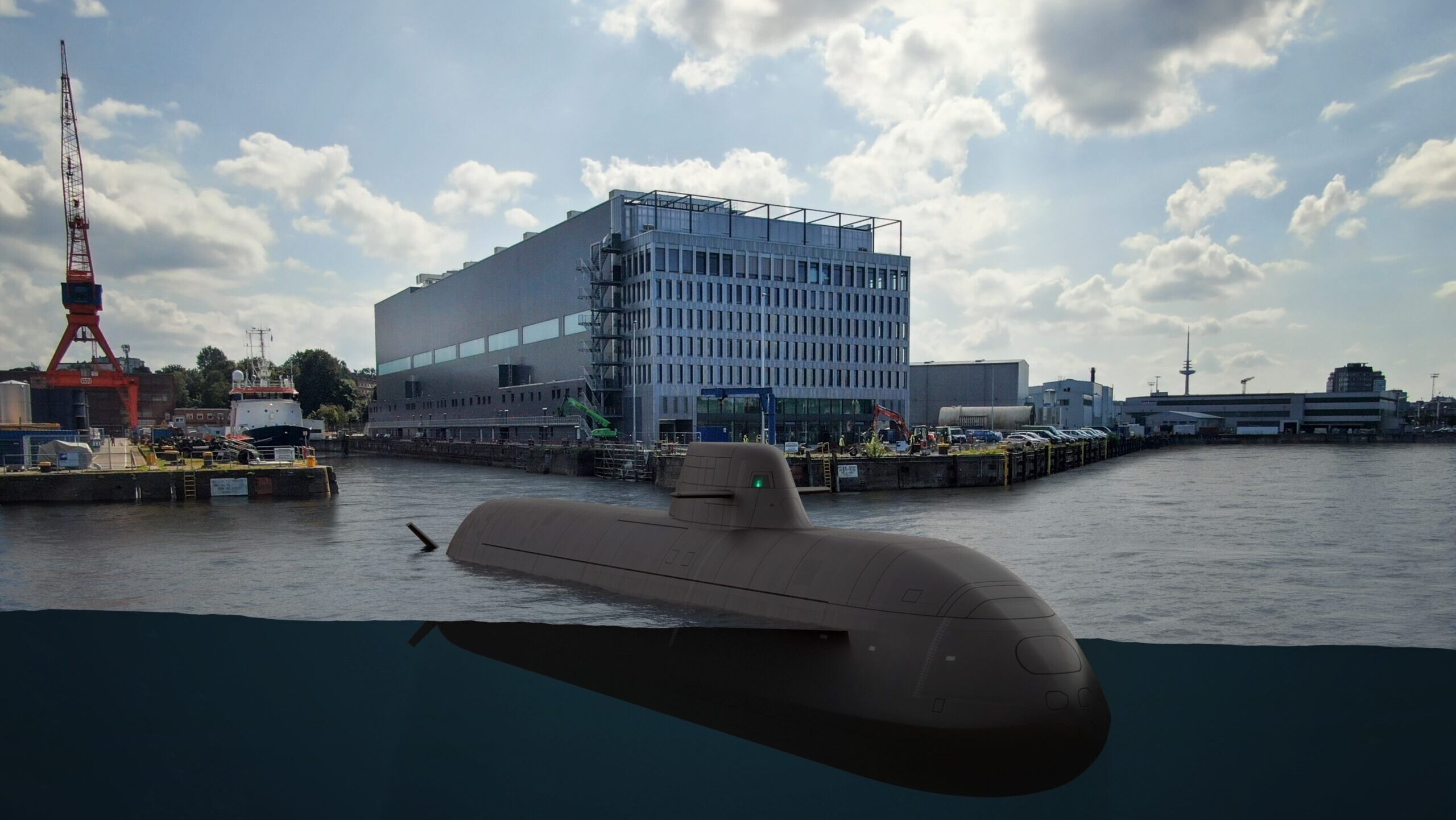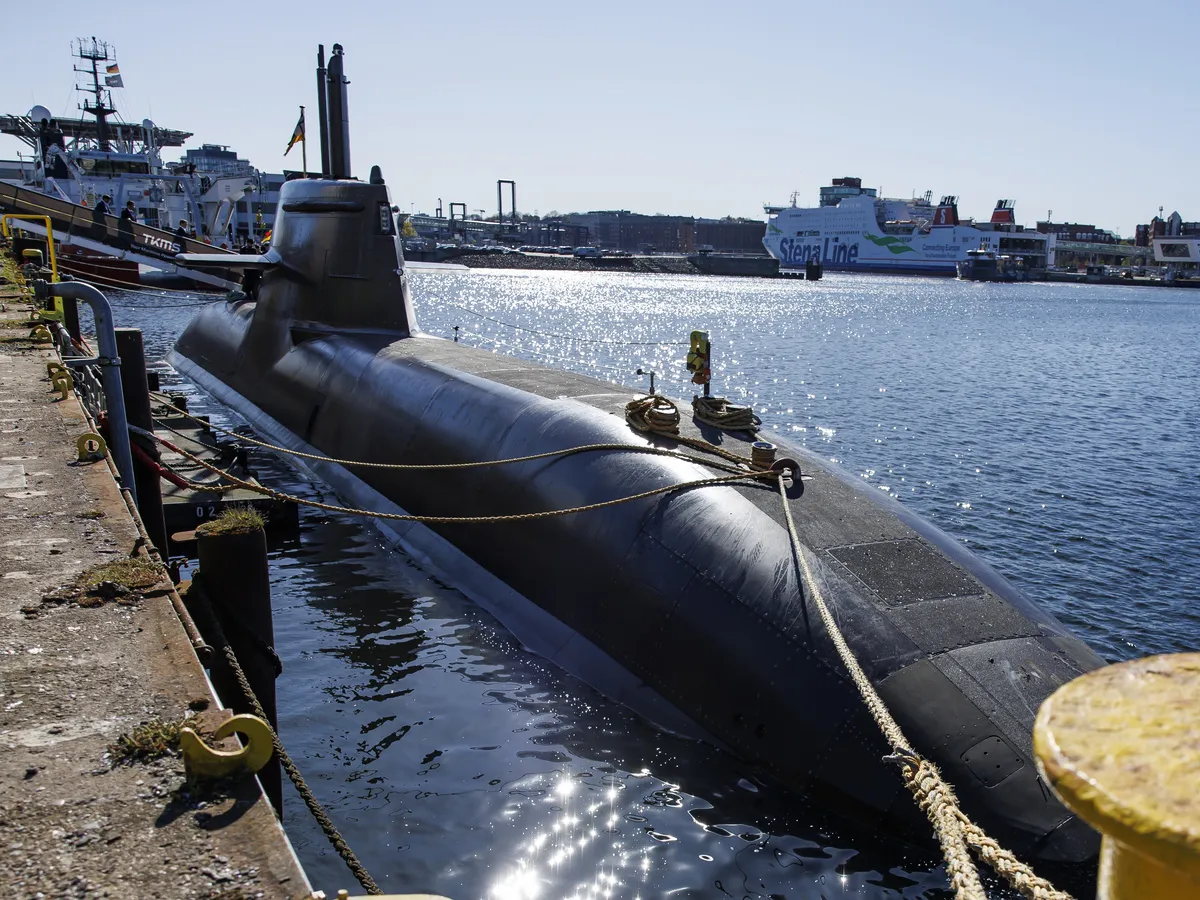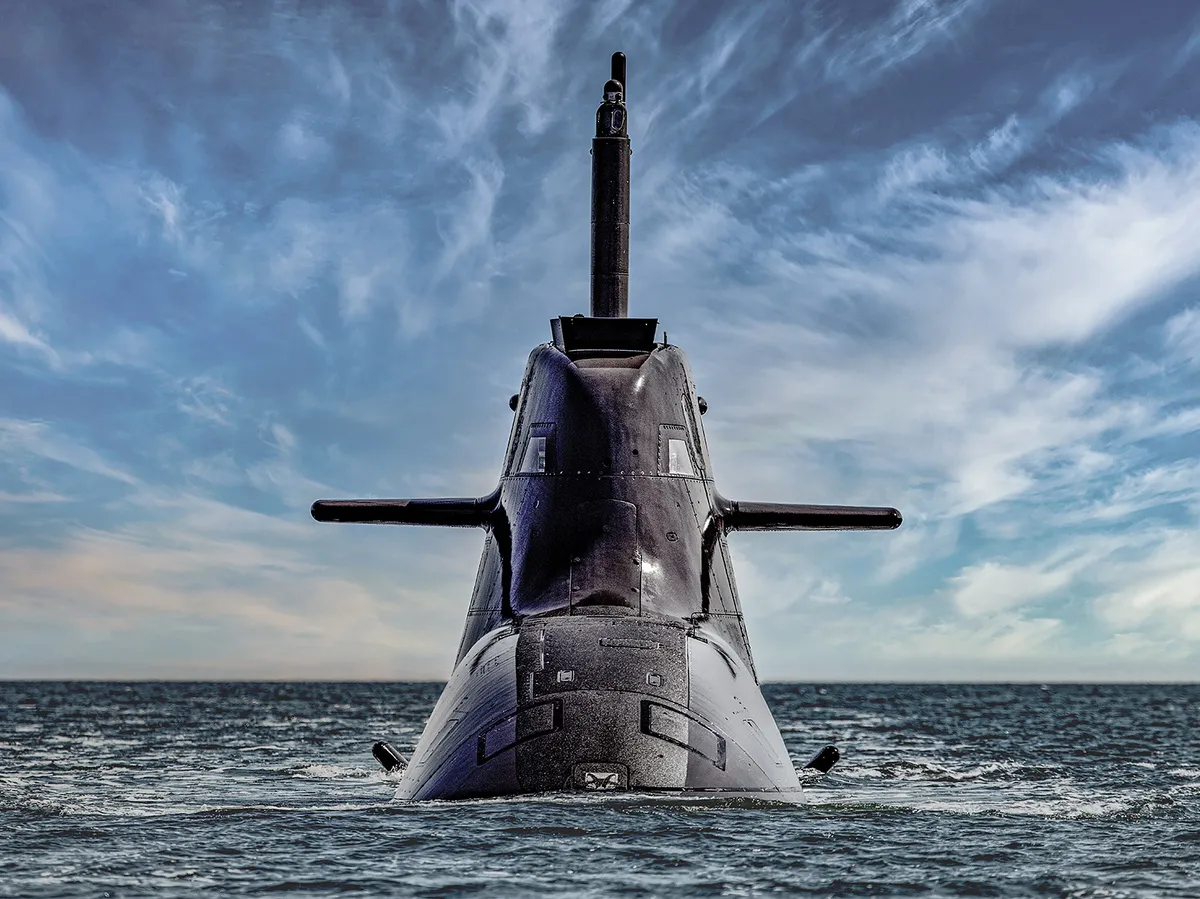
Skip to Content News Archives Economy Energy Oil & Gas Renewables Electric Vehicles Mining Commodities Agriculture Real Estate Mortgages Mortgage Rates Finance Banking Insurance Fintech Cryptocurrency Work Wealth Smart Money Wealth Management Investor Personal Finance Family Finance Retirement Taxes High Net Worth FP Comment Executive Women Puzzmo Newsletters Financial Times Business Essentials More Innovation Information Technology FP500 Podcasts Small Business Lives Told Tails Told Shopping Financial Post Store Obituaries Place a Notice Advertising Advertising With Us Advertising Solutions Postmedia Ad Manager Sponsorship Requests Classifieds Place a Classifieds ad Working Profile Settings My Subscriptions Saved Articles My Offers Newsletters Customer Service FAQ News Economy Energy Mining Real Estate Finance Work Wealth Investor FP Comment Executive Women Puzzmo Newsletters Financial Times Business Essentials HomeNewsEconomyCanada picks Germany's TKMS to build new submarines, Globe saysThe deal is part of a larger plan to upgrade Canada's military equipment after years of neglectAuthor of the article:Last updated 7 minutes ago You can save this article by registering for free here. Or sign-in if you have an account.Canada urgently needs a new fleet of conventional submarines capable of operating under ice to patrol its enormous coastlines, particularly in the Arctic. Photo by THYSSENKRUPP MARINE SYSTEMS/PostmediaCanada is expected to enter into talks with Germany’s Thyssenkrupp Marine Systems to build a new fleet of submarines in one of the largest military procurements in the country’s history.Subscribe now to read the latest news in your city and across Canada.Exclusive articles from Barbara Shecter, Joe O'Connor, Gabriel Friedman, and others.Daily content from Financial Times, the world's leading global business publication.Unlimited online access to read articles from Financial Post, National Post and 15 news sites across Canada with one account.National Post ePaper, an electronic replica of the print edition to view on any device, share and comment on.Daily puzzles, including the New York Times Crossword.Subscribe now to read the latest news in your city and across Canada.Exclusive articles from Barbara Shecter, Joe O'Connor, Gabriel Friedman and others.Daily content from Financial Times, the world's leading global business publication.Unlimited online access to read articles from Financial Post, National Post and 15 news sites across Canada with one account.National Post ePaper, an electronic replica of the print edition to view on any device, share and comment on.Daily puzzles, including the New York Times Crossword.Create an account or sign in to continue with your reading experience.Access articles from across Canada with one account.Share your thoughts and join the conversation in the comments.Enjoy additional articles per month.Get email updates from your favourite authors.Create an account or sign in to continue with your reading experience.Access articles from across Canada with one accountShare your thoughts and join the conversation in the commentsEnjoy additional articles per monthGet email updates from your favourite authorsSign In or Create an AccountorOfficials in Prime Minister Mark Carney’s government indicated in recent days that they preferred TKMS over a competing bid led by South Korea’s Hanwha Ocean Co., said a person familiar with the process, asking not to be named because the talks are confidential.The German government was also confident Carney would decide in favour of the “unbeatable” TKMS offer, a German official told reporters in Berlin earlier Monday.SUBSCRIBER EXCLUSIVE: FP West: Energy Insider brings you behind the oilpatch’s closed doors with exclusive insights from insiders every Wednesday morning.By signing up you consent to receive the above newsletter from Postmedia Network Inc.A welcome email is on its way. If you don't see it, please check your junk folder.The next issue of FP West: Energy Insider will soon be in your inbox.We encountered an issue signing you up. Please try againThe Globe and Mail paper reported earlier Monday that Carney had selected TKMS. He is expected to announce the decision later in the day on his way to the North Atlantic Treaty Organization summit in Turkey.TKMS shares rose as much as 13 per cent in Frankfurt, hitting the highest level since March 11. The South Korean Navy KSS-III ROKS Dosan Ahn Changho submarine at Canadian Forces Base Esquimalt in Victoria, British Columbia, on May 25. Photographer: James MacDonald/BloombergThe prime minister’s choice ends an intense competition over the past year between the German-Norwegian TKMS proposal and the Korean pitch. Both finalists pledged billions in spinoff industrial benefits for Canada, spanning sectors such as artificial intelligence, steel manufacturing, space technologies and advanced defence systems.The value of the submarine deal may top $100 billion over decades, a figure that also includes the value of support and maintenance, according to some estimates.TKMS said it was waiting for an official announcement from the Canadian government, while Hanwha did not immediately respond to requests for comment.Canada’s selection of the TKMS submarines aligns with Carney’s push to deepen ties with Europe as the United States takes a more skeptical attitude toward NATO. He has described Canada as “the most European of non-European countries” and pursued closer integration with European defence initiatives. A U34 submarine at the TKMS shipyard in Kiel, Germany, on April 22. Photographer: Morris MacMatzen/Getty ImagesThe decision marks a second major win for TKMS within only a few days: The German government last week decided to scrap a troubled frigate order which local rival Rheimetall had hoped to secure. Instead, TKMS will now get the contract to build up to eight smaller battle ships for nearly 12 billion euros.It’s a major disappointment for Hanwha, which mounted an extensive advertising campaign in Canada. South Korea has previously exported submarines only to Indonesia, and securing a foothold in a NATO market would have been a significant win for its shipbuilding industry.Canada urgently needs a new fleet of conventional submarines capable of operating under ice to patrol its enormous coastlines — particularly in the Arctic, as Russian and Chinese activity in the region increases. Canada’s aging Victoria-class submarines are set to retire in the mid-2030s, and Carney has said only one is currently seaworthy.The deal is also part of a larger plan to upgrade military equipment after years of neglect, and to bring Canada up to the new NATO target of spending five per cent of gross domestic product on defence and related infrastructure by 2035. Carney has made rebuilding military capacity a priority after years of lagging behind and drawing criticism from allies, particularly the U.S.At the same time, the prime minister has sought to squeeze economic benefits from the surge in defence spending, particularly as U.S. tariffs weigh on Canada’s manufacturing base. His industrial strategy emphasizes a “build, partner, buy” approach: build domestically where possible, partner with allies when necessary and buy abroad when it’s possible to also gain investment in the Canadian economy.—With assistance from Jan-Patrick Barnert and Christoph Rauwald. Join the Conversation This website uses cookies to personalize your content (including ads), and allows us to analyze our traffic. Read more about cookies here. By continuing to use our site, you agree to our Terms of Use and Privacy Policy.
Canada picks Germany's TKMS to build new submarines, Globe says
Canada is expected to enter into talks with Germany’s Thyssenkrupp Marine Systems to build a new fleet of submarines. Find out more here
1,140 words~5 min read