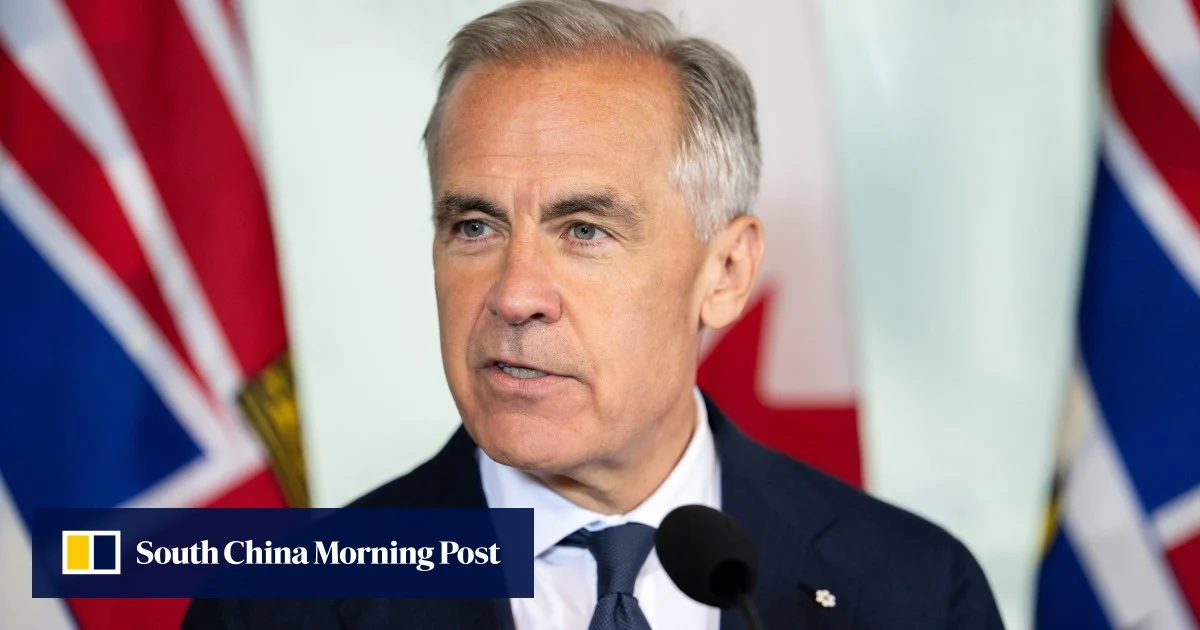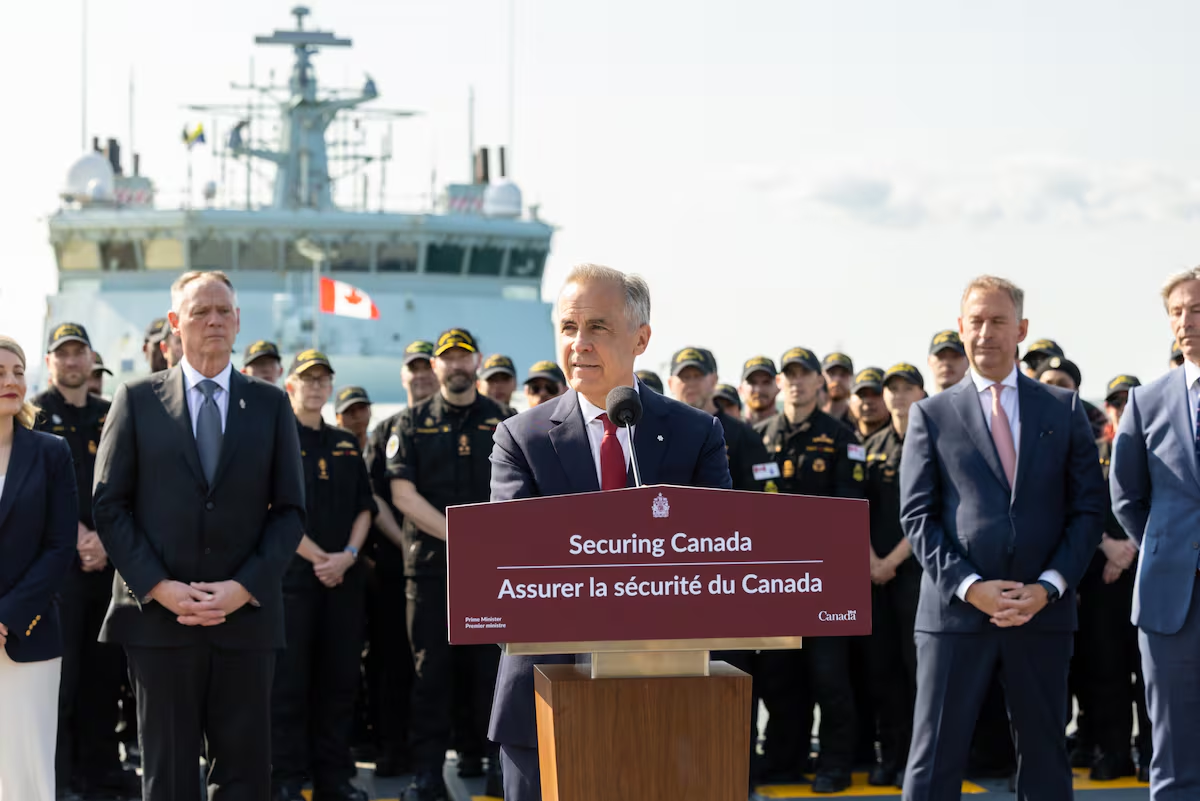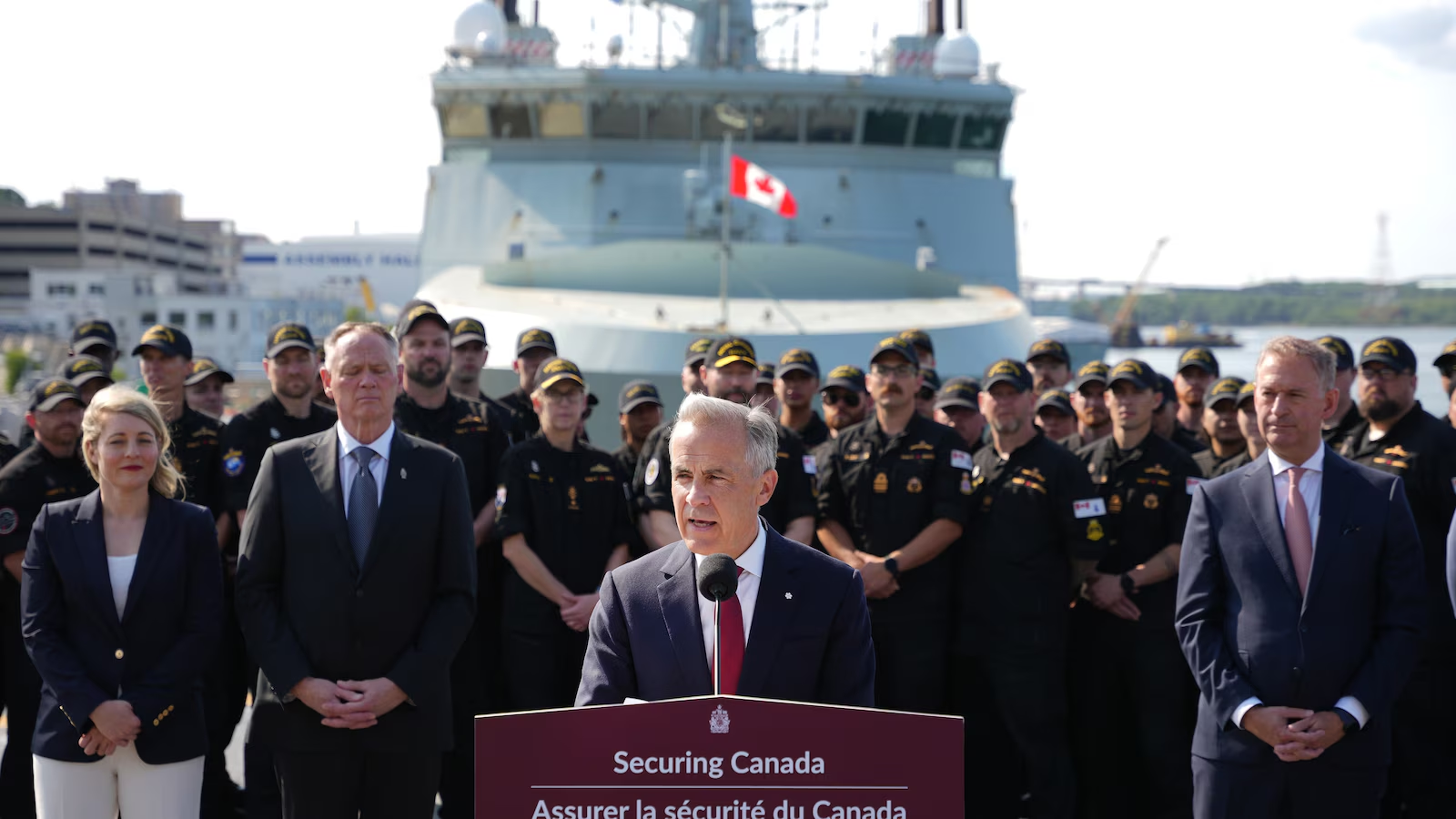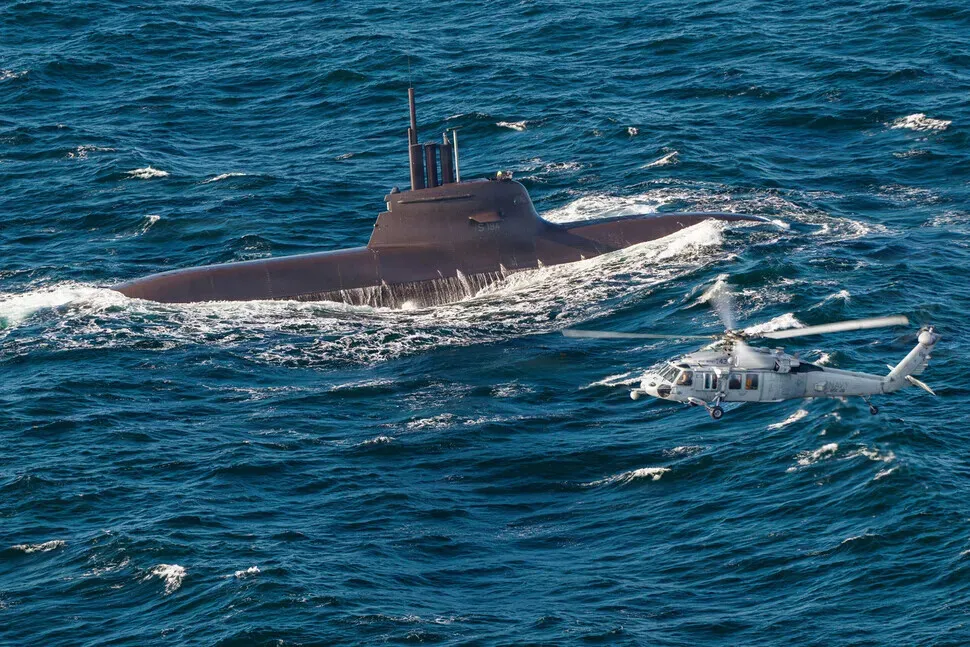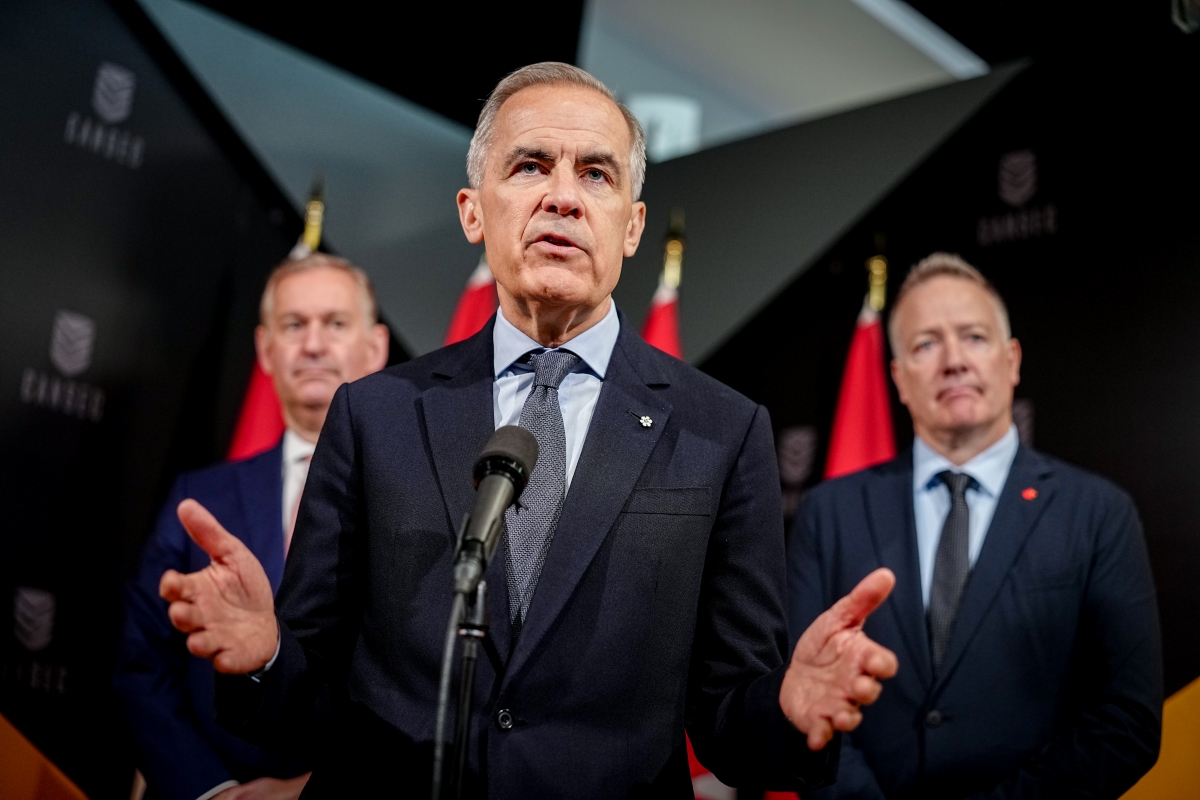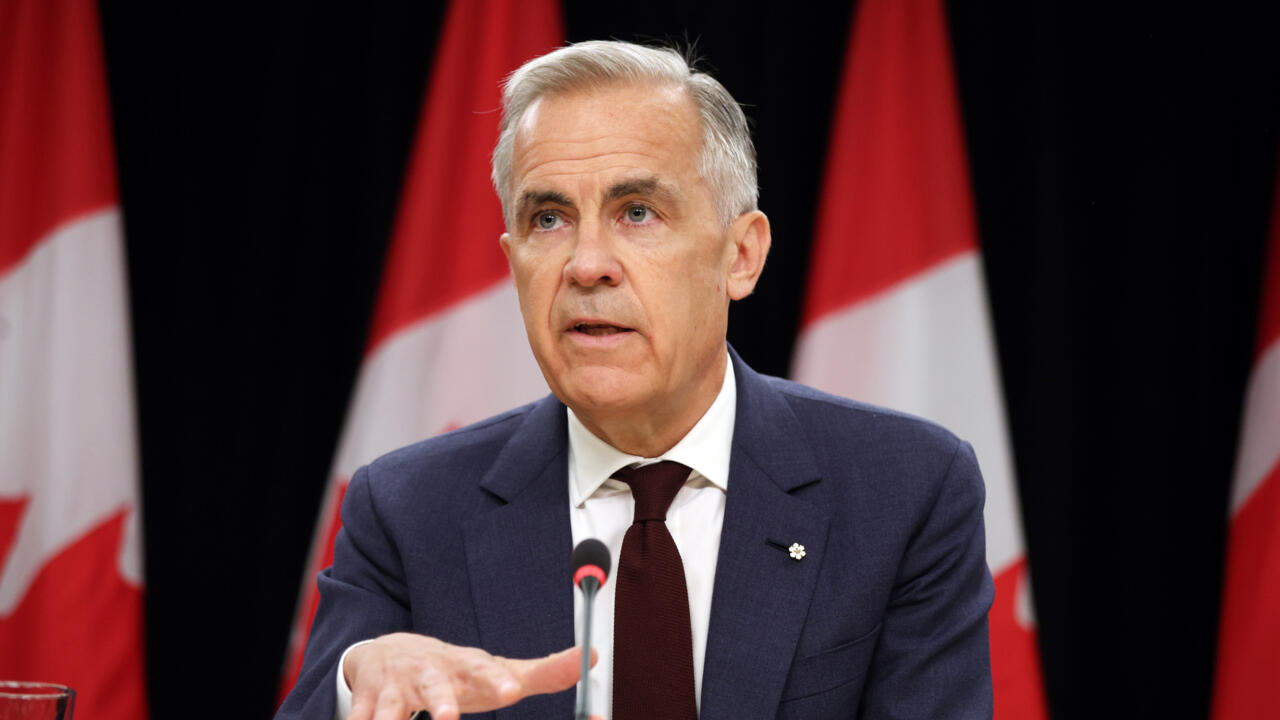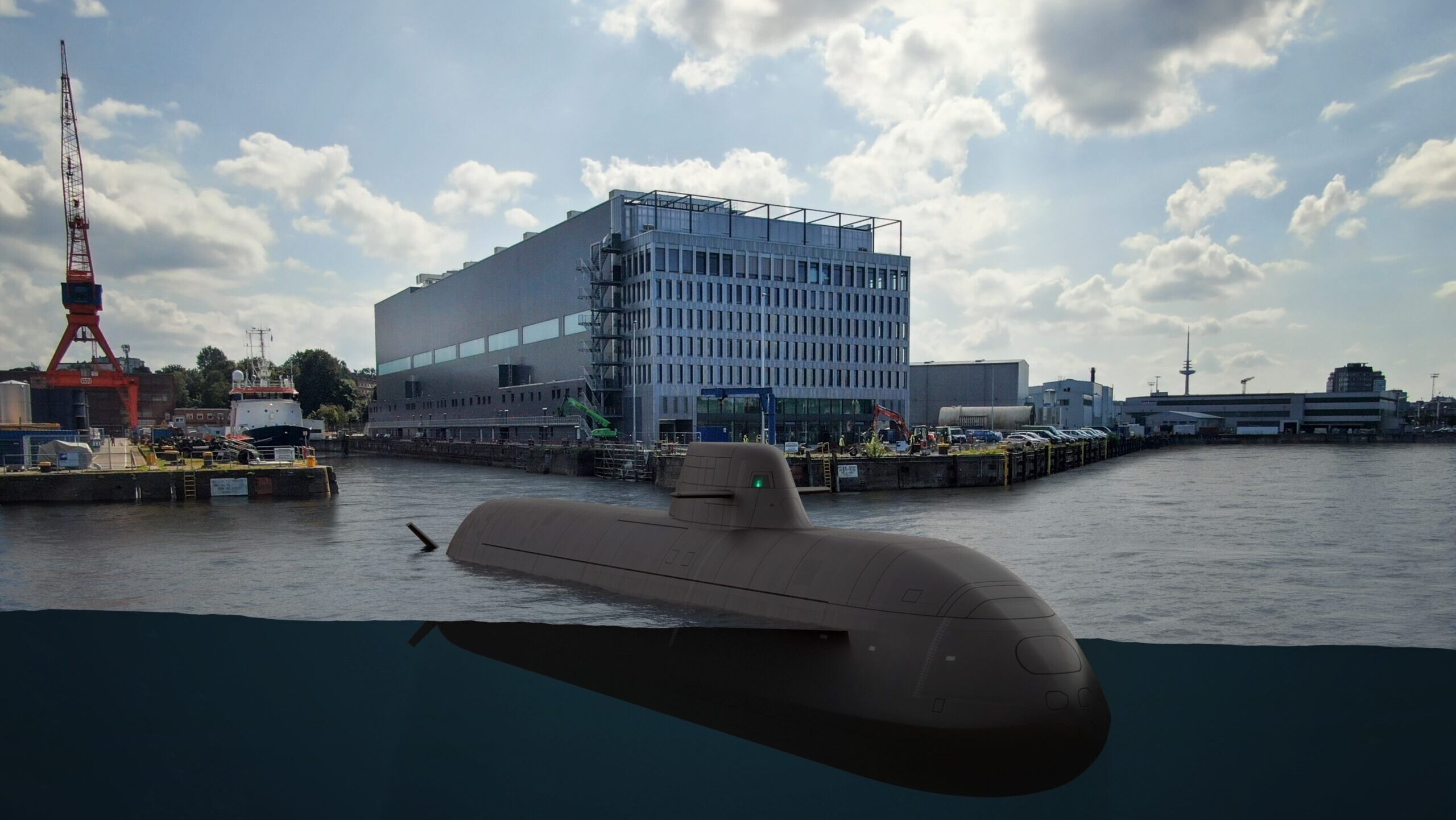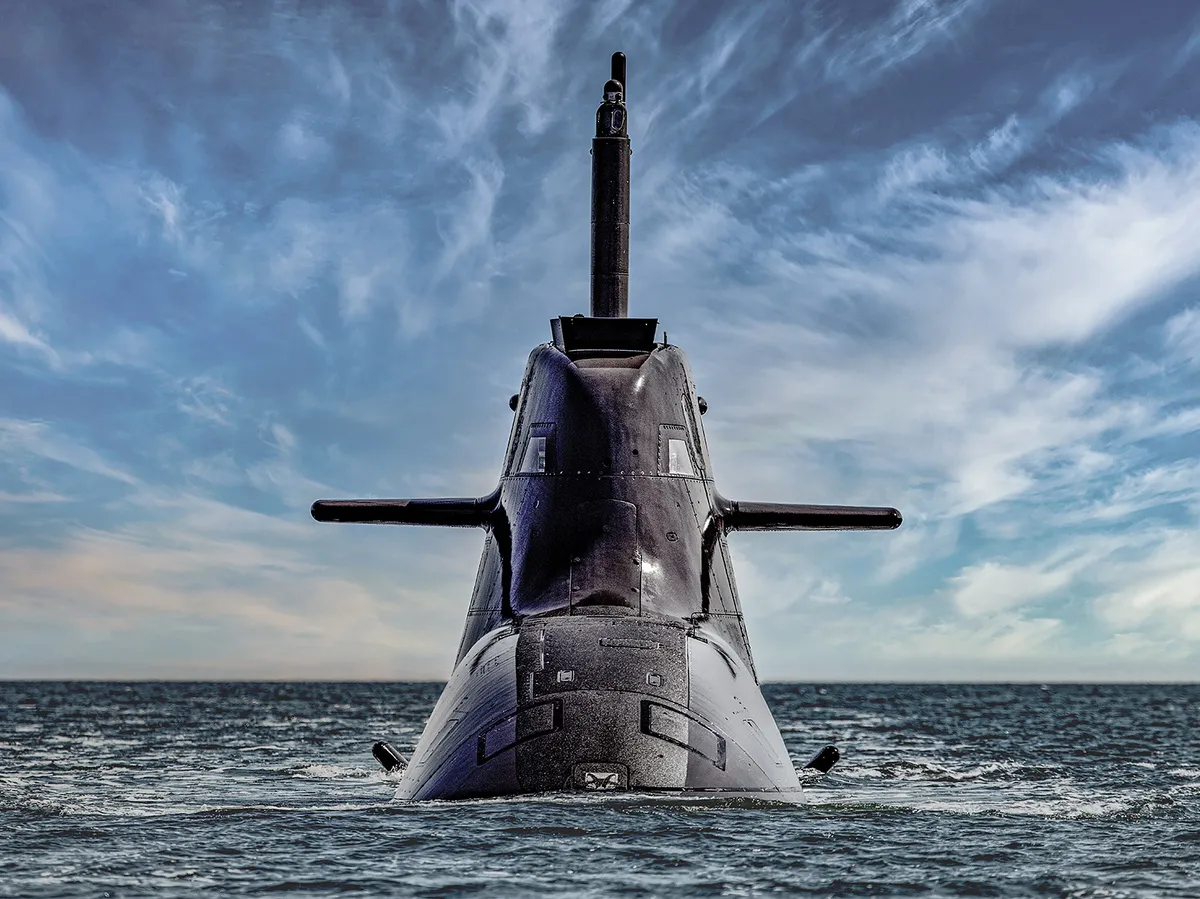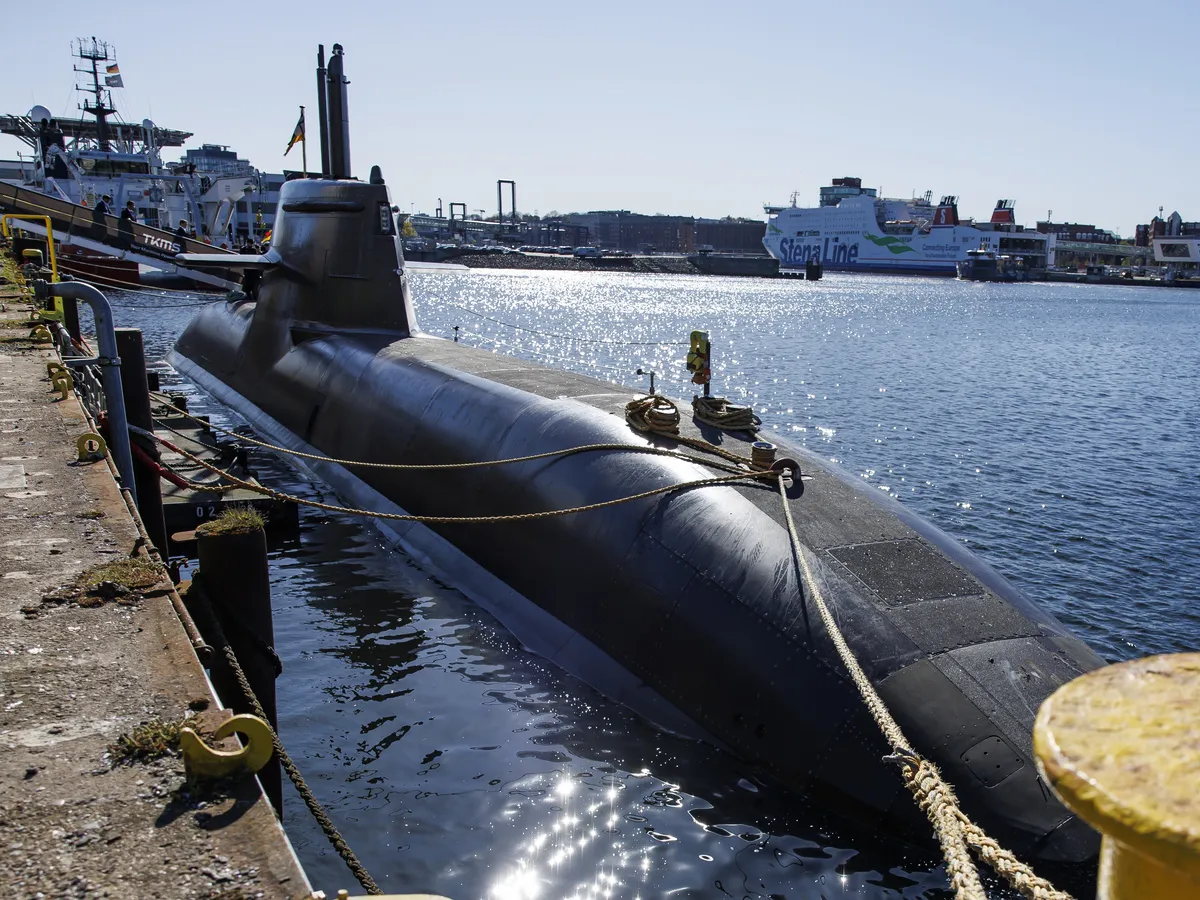
Skip to Content News Archives Economy Energy Oil & Gas Renewables Electric Vehicles Mining Commodities Agriculture Real Estate Mortgages Mortgage Rates Finance Banking Insurance Fintech Cryptocurrency Work Wealth Smart Money Wealth Management Investor Personal Finance Family Finance Retirement Taxes High Net Worth FP Comment Executive Women Puzzmo Newsletters Financial Times Business Essentials More Innovation Information Technology FP500 Podcasts Small Business Lives Told Tails Told Shopping Financial Post Store Obituaries Place a Notice Advertising Advertising With Us Advertising Solutions Postmedia Ad Manager Sponsorship Requests Classifieds Place a Classifieds ad Working Profile Settings My Subscriptions Saved Articles My Offers Newsletters Customer Service FAQ News Economy Energy Mining Real Estate Finance Work Wealth Investor FP Comment Executive Women Puzzmo Newsletters Financial Times Business Essentials HomeNewsEconomyHere's what Germany's submarine builder is bringing to Canada after winning defence contractGermany's TKMS beat South Korea's Hanwha for the $100-billion contract You can save this article by registering for free here. Or sign-in if you have an account.German submarine U34 at the Thyssenkrupp Marine Systems submarine shipyard on April 22 in Kiel, Germany. Photo by Morris MacMatzen/Getty Images filesCanada will buy up to 12 diesel-electric submarines from Germany’s ThyssenKrupp Marine Systems (TKMS), ensuring the two countries will be geopolitical and economic partners for years to come, especially if all the side deals come through.Subscribe now to read the latest news in your city and across Canada.Exclusive articles from Barbara Shecter, Joe O'Connor, Gabriel Friedman, and others.Daily content from Financial Times, the world's leading global business publication.Unlimited online access to read articles from Financial Post, National Post and 15 news sites across Canada with one account.National Post ePaper, an electronic replica of the print edition to view on any device, share and comment on.Daily puzzles, including the New York Times Crossword.Subscribe now to read the latest news in your city and across Canada.Exclusive articles from Barbara Shecter, Joe O'Connor, Gabriel Friedman and others.Daily content from Financial Times, the world's leading global business publication.Unlimited online access to read articles from Financial Post, National Post and 15 news sites across Canada with one account.National Post ePaper, an electronic replica of the print edition to view on any device, share and comment on.Daily puzzles, including the New York Times Crossword.Create an account or sign in to continue with your reading experience.Access articles from across Canada with one account.Share your thoughts and join the conversation in the comments.Enjoy additional articles per month.Get email updates from your favourite authors.Create an account or sign in to continue with your reading experience.Access articles from across Canada with one accountShare your thoughts and join the conversation in the commentsEnjoy additional articles per monthGet email updates from your favourite authorsSign In or Create an AccountorPrime Minister Mark Carney announced the estimated $100-billion decision on Monday, ending months of speculation about whether South Korea’s Hanwha Ocean Co. Ltd. might win the contract and launch as a major global military exporter.An escalating bidding war between the two companies for the coveted contract, known as the Canadian Patrol Submarine Project, spurred an explosion of deals and partnerships with domestic companies that could contribute materials, software and other skills to the submarines, touching every sector from steel to quantum computing.SUBSCRIBER EXCLUSIVE: FP West: Energy Insider brings you behind the oilpatch’s closed doors with exclusive insights from insiders every Wednesday morning.By signing up you consent to receive the above newsletter from Postmedia Network Inc.A welcome email is on its way. If you don't see it, please check your junk folder.The next issue of FP West: Energy Insider will soon be in your inbox.We encountered an issue signing you up. Please try againBut Canada ultimately chose to purchase the submarines from a company that is considered the incumbent player within its sector.“The Germans right from the beginning said we’re only going to sign agreements that are real,” said Philippe Lagassé, an associate professor at Carleton University’s Norman Paterson School of International Affairs in Ottawa who studies defence procurement. “They were very sour and dour and grumpy about it, but they know their business. You’re dealing with a company that has done this in so many countries and it is tough to beat the top dog.”The submarines are expected to cost at least $20 billion, with the first ones arriving in 2034, while maintenance and infrastructure support could cost an additional $80 billion in the coming decades.Under Canadian procurement policy, a company that is awarded a major defence contract must spend an amount equal to 100 per cent of the contract’s value in the country.But the policy is very complicated and companies are required to submit “value propositions” for how their investments will leverage the procurement to contribute to innovation and economic growth.For example, TKMS in March submitted a bid that included a commitment to invest in Calgary-based E3 Lithium Ltd., a startup that has begun harvesting battery-grade lithium from brine ponds in Alberta, but only at a demonstration scale.What that investment looks like remains vague, with Chris Doornbos, chief executive of E3, saying he wasn’t certain whether the investment would take the form of cash or something else.“We don’t know all of the details,” he said. “We just know they are supporting us if they get the contract and it’s a meaningful amount for us.”He said the agreement does not include an offtake agreement in which TKMS is entitled to a certain amount of the lithium produced.Doornbos said E3 is not yet in commercial production, so it is considered in the research and development stage, which means that every dollar TKMS invests in the company may be worth as much as $9 under Canadian procurement policy frameworks.Whether an investment in E3 would qualify may be up to the federal government. But Doornbos said his company is a critical mineral producer, which would fit into the key industrial priorities that the federal government has identified.Unlike Hanwha, which, as Lagassé put it, struck deals with “everyone under the sun,” TKMS made a comparatively smaller number of deals.These include an agreement with North Vancouver, B.C.-based Seaspan ULC, one of the country’s largest shipbuilding companies, to establish an enterprise for maintenance, repair and overhaul, which would include a team on both coasts to service the submarines.It also signed agreements with Mississauga, Ont.-based construction company EllisDon Corp. to construct maintenance and training facilities, Montreal-based CAE Systems Inc. to provide simulation and training and Trois-Rivieres, Que.-based Marmen Inc. to produce selected segments of the submarine in Canada, plus agreements with steel companies for other materials.Earlier this month, it signed an agreement with Dalhousie University in Nova Scotia to collaborate on research on a range of submarine-related areas, such as Arctic technologies and marine engineering.These deals have been disclosed, but only in the broadest outlines possible.Lagassé said there are creative ways for contract winners to comply with Canadian procurement policy — what is known as the Industrial and Technological Benefits policy — without investing the full contract amount. The deals are largely between the companies themselves and the government has limited input.“There are frameworks and guidelines in place in terms of what you should be doing,” he said. “But it’s a bit of a light touch and people overestimate how much the government bureaucrats are involved in this.”TKMS developed its Type 212CD submarine for German and Norwegian militaries. It is described as an ultra-stealthy platform that can stay underground for 40 days or more at a time without submerging.By choosing to procure this submarine, Dan Kerry, Deloitte Canada’s defence lead, said Canada is strengthening its ties to the European defence market.“Not only does Canada get what TKMS is promising here in terms of investments in maintenance facilities and supply chains,” he said, “but this also helps Canada export their services back to Germany and the wider EU.”In December, Canada became the first non-European country to join Security Action for Europe (SAFE), which gives Canadian defence companies preferential access to bid on EU-funded military contracts.Canada is ramping up its defence spending, from two per cent of gross domestic product to four per cent by 2030 and five per cent by 2035, and the EU has made a similar pledge, though Spain dissented.Kerry said the benefit of choosing a North Atlantic Treaty Organization partner to supply submarines is that it provides a potential export market. He said it also makes sense given Carney is a former Bank of England governor and has been heavily involved in the economy there.“If you think about Mark Carney’s career to date, the guy is quite a europhile,” he said, “so he is very aware of the power of the European economy.” Join the Conversation This website uses cookies to personalize your content (including ads), and allows us to analyze our traffic. Read more about cookies here. By continuing to use our site, you agree to our Terms of Use and Privacy Policy.
Here's what Germany's submarine builder is bringing to Canada after winning defence contract
Germany's ThyssenKrupp Marine Systems beat South Korea's Hanwha Ocean Corp. for a $100-billion submarine contract with Canada. Find out more
1,465 words~7 min read