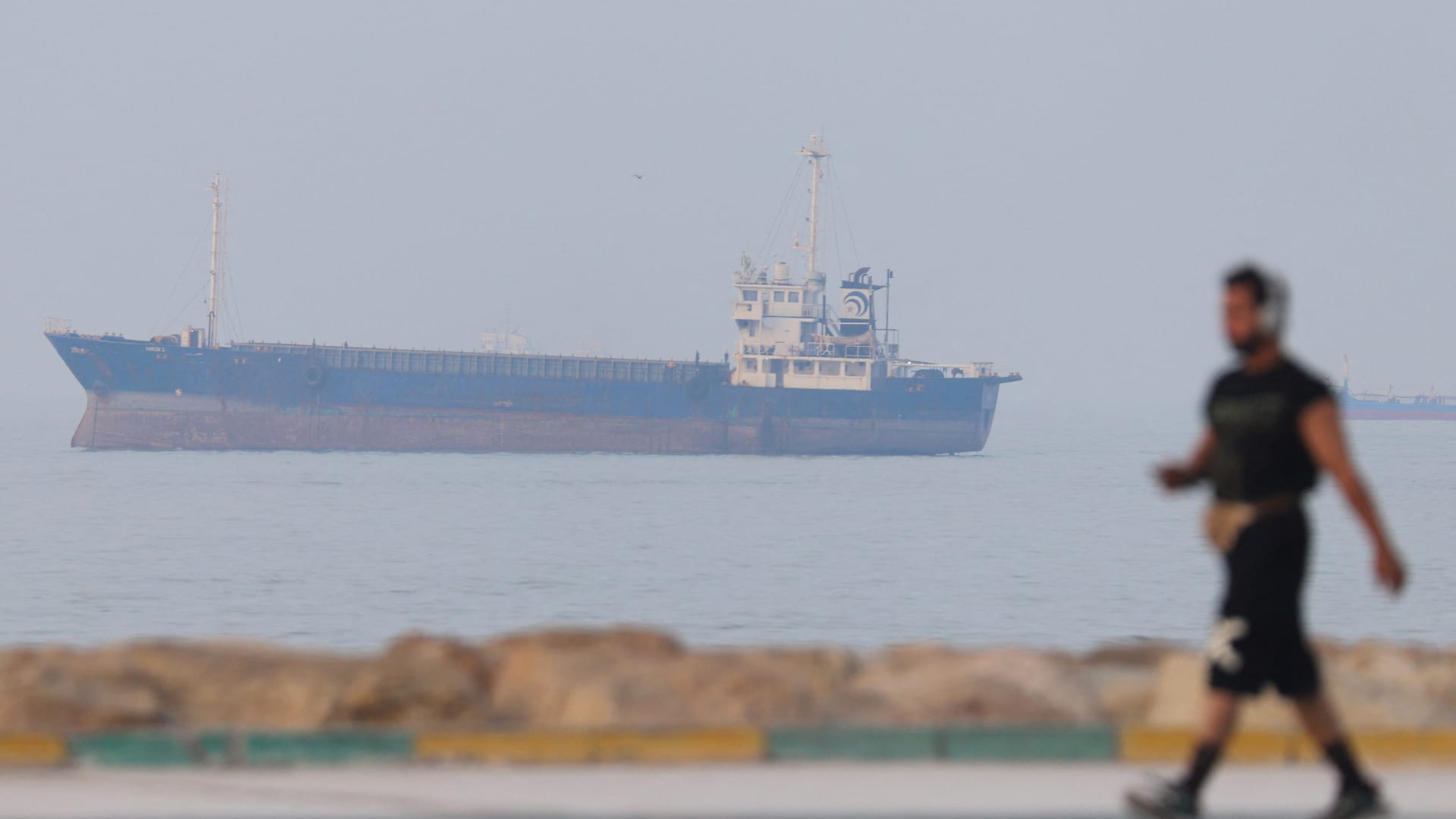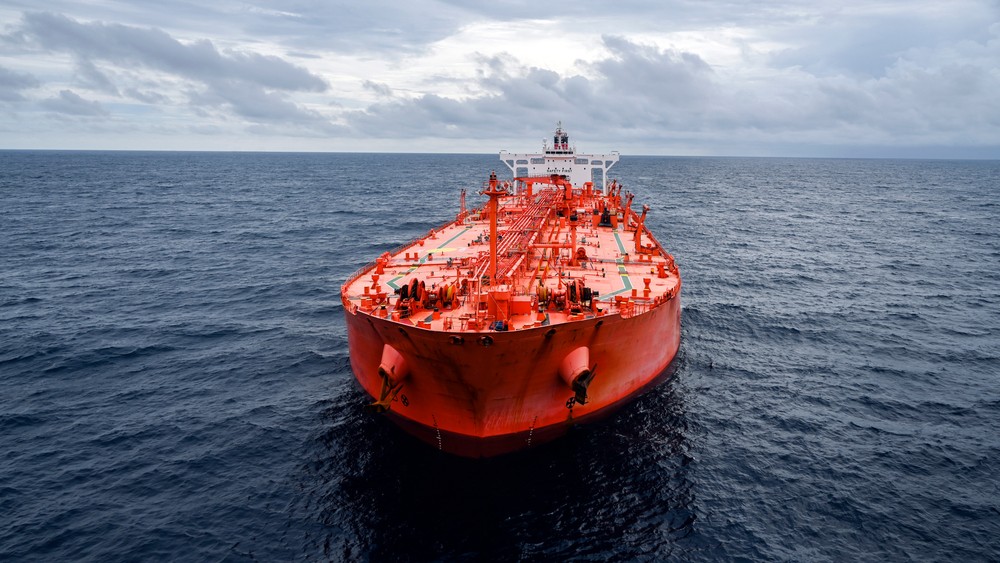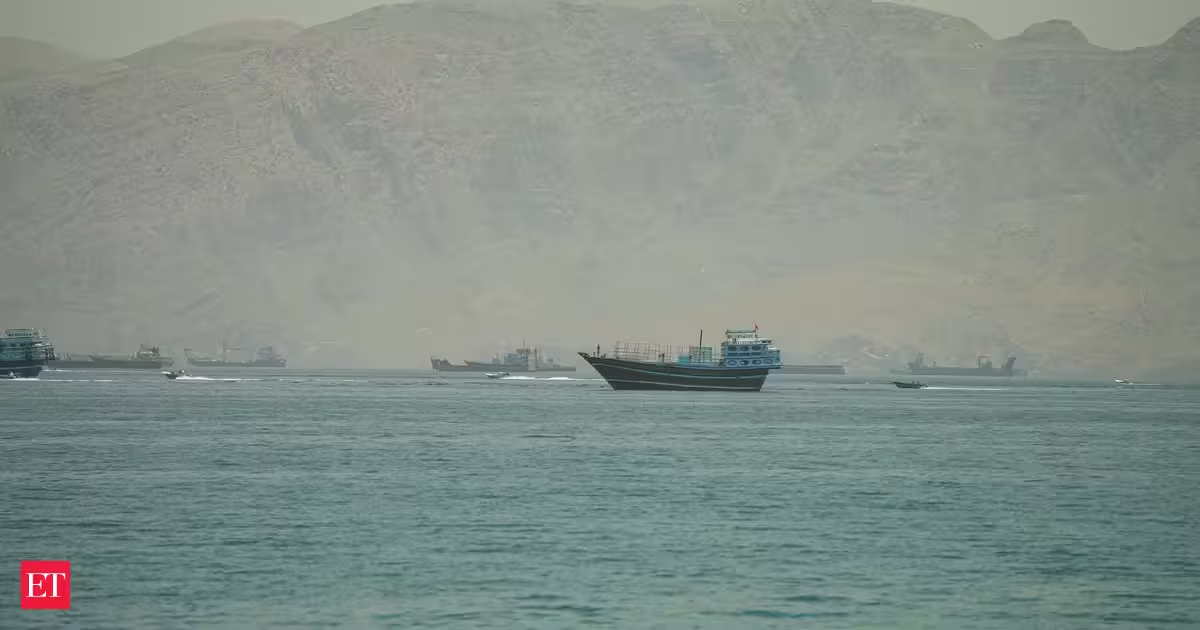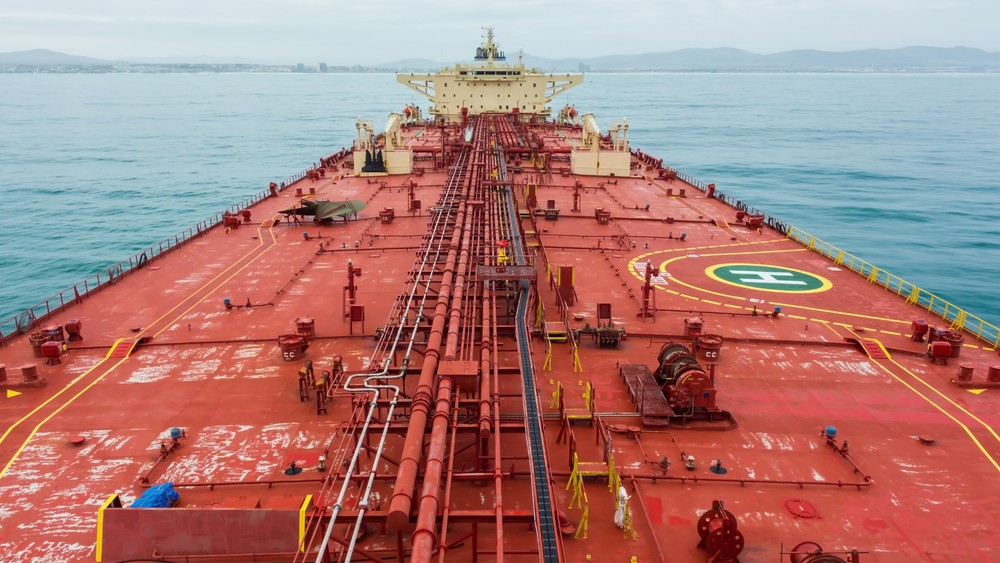
If you wanted a single week to illustrate how disconnected headline geopolitics has become from the oil market's underlying direction, this was it. On Tuesday, tankers came under attack in the Strait of Hormuz.
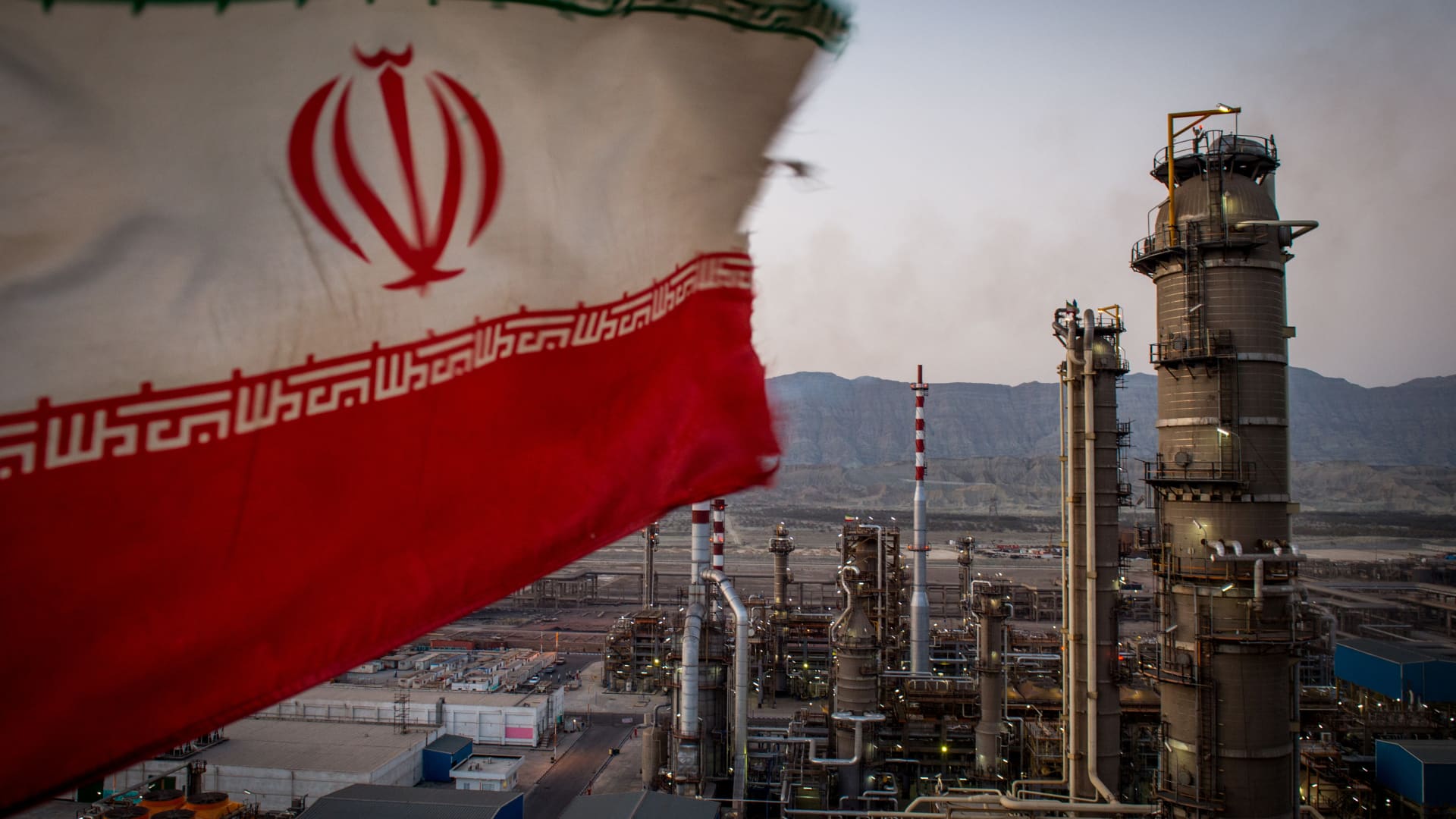
If you wanted a single week to illustrate how disconnected headline geopolitics has become from the oil market's underlying direction, this was it. On Tuesday, tankers came under attack in the Strait of Hormuz. By Wednesday, the US had struck multiple Iranian targets and revoked its earlier authorization of Iranian crude sales, and reports emerged of the White House threatening to reimpose a full naval blockade. Oil prices jumped on the news. And yet, step back a week, and the story running underneath all of it is one of falling prices, swelling supply, and an industry adjusting to a market that increasingly doesn't need the Middle East as much as it used to.
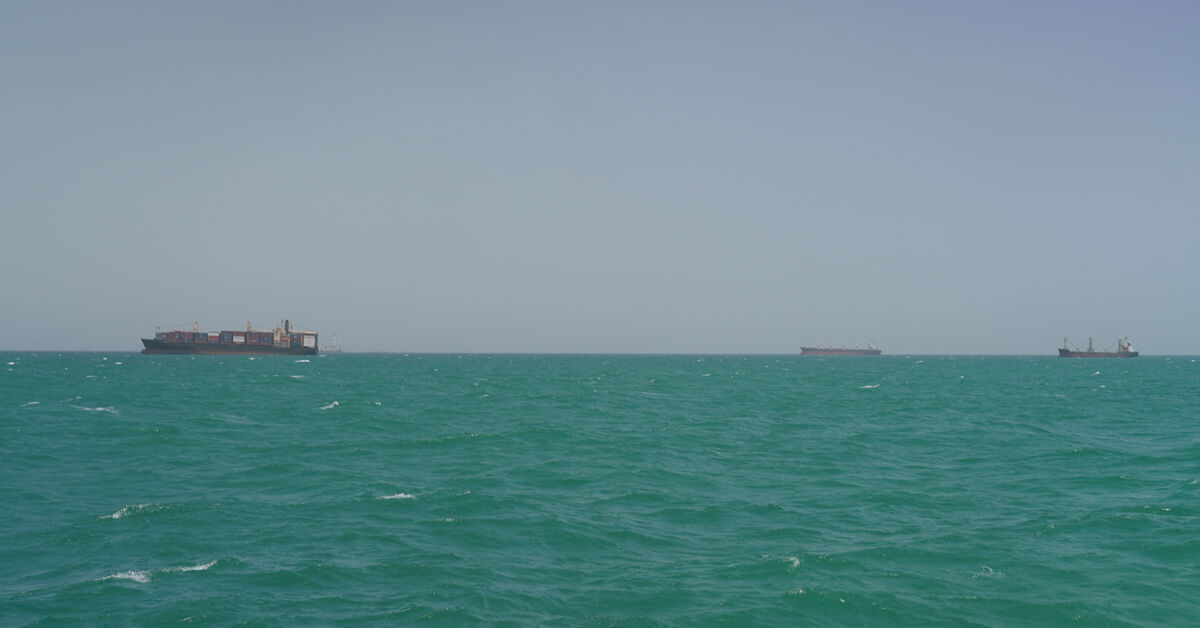
The whiplash is real. Rystad's head of geopolitical analysis noted this week that tanker traffic through Hormuz had essentially stopped again, barely two weeks after the strait had reopened following a US-Iran memorandum of understanding signed on June 18. That MOU had briefly normalized flows enough that Iran was reportedly moving 40 million barrels of oil in two weeks at a 20% premium, and OPEC+ had begun unwinding the production cuts triggered by the conflict, approving a further 188,000 barrel-per-day increase for August. The fact that a handful of tanker strikes could unravel weeks of diplomatic progress in a matter of days says something important: the underlying peace is thin, and traders know it.