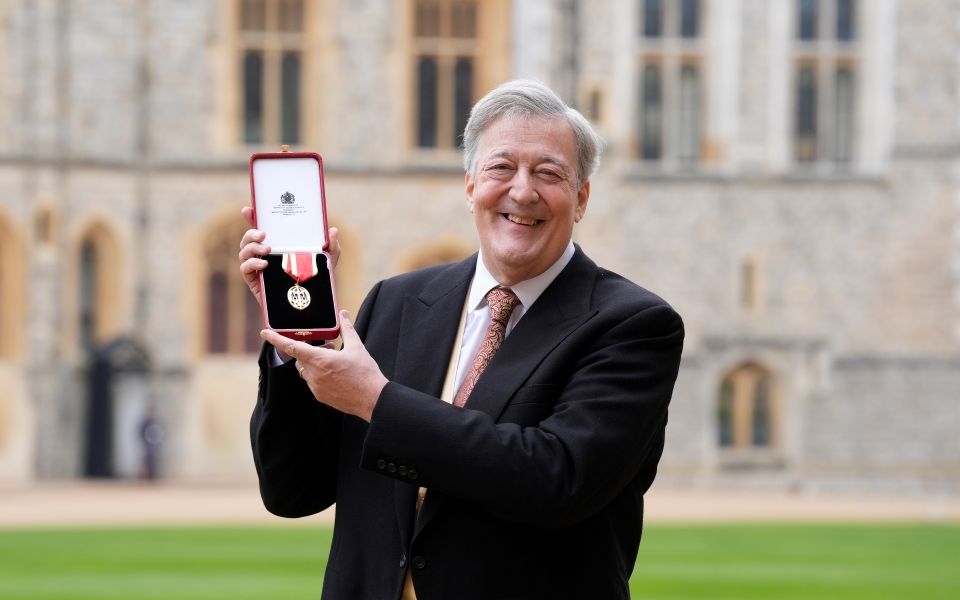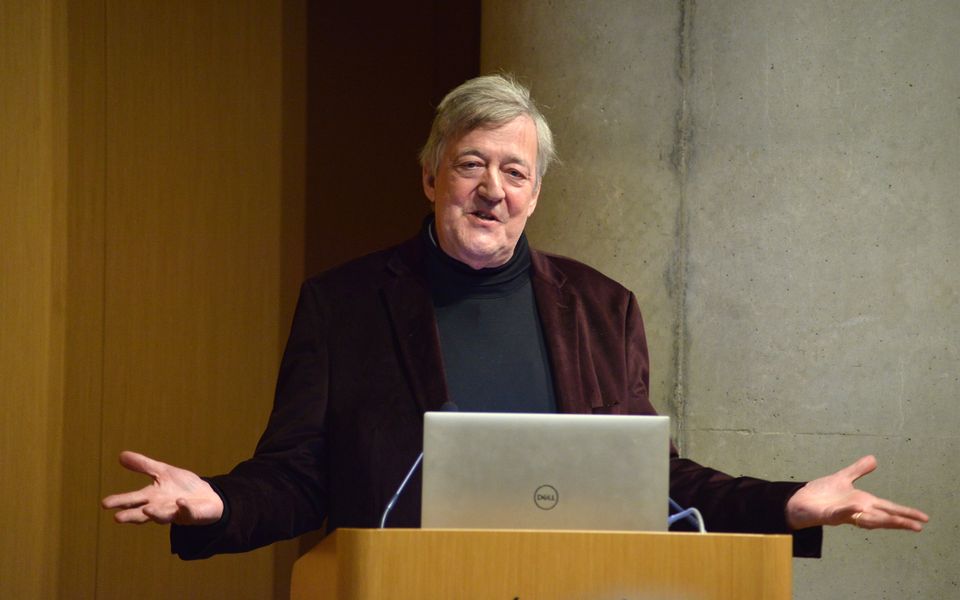
Stephen Fry is a modern Homo Universalis. We met him in the 1980s, in his comic role in Rowan Atkinson’s “Blackadder,” he gained iconic status on British television by hosting the comedy panel show QI, he played Irish playwright Oscar Wilde in Brian Gilbert’s “Wilde” and he directed the film “Bright Young Things” and a documentary about himself (“The Secret Life of the Manic Depressive”), in which he spoke openly about bipolar disorder. He is a thinker, a cool intellectual and a famous “tech-geek.” Legend has it that he was the second Briton to buy a Macintosh in 1984, he loved Twitter and he once presented what he considered the “100 greatest gadgets” on Channel 4.
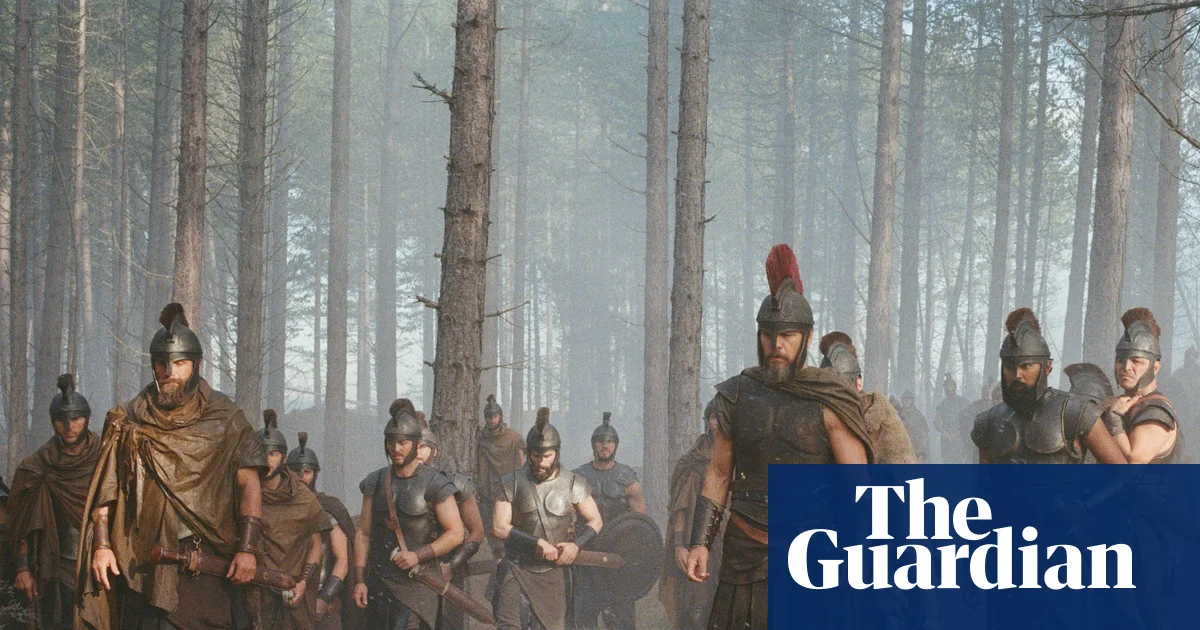
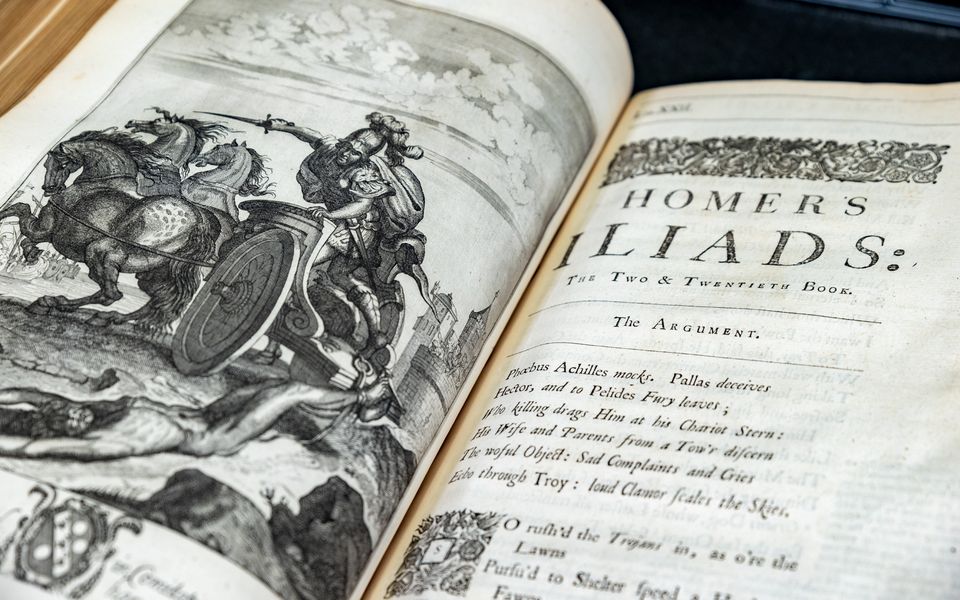
He has also been writing novels since the 1990s (“The Liar,” “The Hippopotamus,” etc) and three autobiographies. He is a great philhellene and has often spoken out for the return of the Parthenon Marbles to Greece, saying their absence is as absurd as a part of the Eiffel Tower being far away from Paris. Greek mythology has become a special area of interest in recent years, resulting in the books “Mythos,” “Heroes” and “Troy” – and now “Odyssey.” Fry essentially retells the story in the manner of a charismatic storyteller, adds details and experiments, entertaining himself and us.